
← Sheet Metal Fabrication Guides
Engineering decisions, organised
Sheet Metal Processes & Supplier Selection
Compare cutting, stamping, welding and supplier capabilities against quantity, geometry and assembly requirements.
Updated October 11, 2026 · 41 focused articles
Laser or punch: the cutting decision
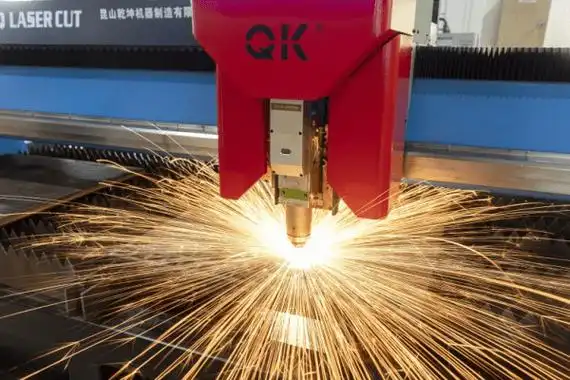
Laser cutting needs no tooling, holds a tight profile and leaves an edge that is acceptable for most parts. Punching needs a tool but is faster per part and produces a consistent edge with a defined burr side. The crossover is volume: below a few hundred parts laser is usually cheaper, above it punching starts to win, and the exact point depends on the nest, the material and the thickness.
Both processes have a minimum feature size tied to thickness. A hole smaller than the material thickness is difficult to cut cleanly and difficult to keep round, and a narrow web between holes can distort under its own residual stress.
The press brake sets the tolerance
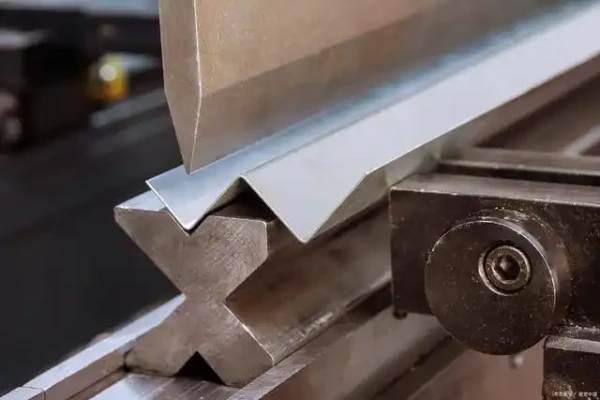
Bending is where the geometry becomes a part. Air bending sets the inside radius largely from the die opening, so the same drawing formed on two different brakes can produce two different radii, and therefore two different flat patterns. Springback adds a small angular error that the controller compensates for, but only if the material and thickness are known.
Tooling access matters too. A flange that is taller than the punch can clear, or a bend too close to a previous one, becomes a second operation or an impossibility. The bend sequence is part of the design review, not something the operator improvises.
Welding, hardware and finishing in sequence
Welding distorts, so a weldment usually needs a fixture and sometimes a post-weld machining pass on the mating faces. Hardware has to be installed in an order that the formed geometry allows: a clinch nut next to a bend may be unreachable once the flange is up. And the finish goes on last, after welding and cleaning, or the seam will corrode first.
The sequence rule is worth stating once: cut, form, weld, machine, finish, assemble. Any step that runs out of order either damages a previous operation or makes the next one impossible.
Cutting, forming, welding, machining and finishing are five different shops in many supply chains. The drawing has to survive all five, which means the tolerance, the datum and the finish have to be stated in a way each step can honour.
Find the guide for your next decision
Follow the guide that matches the feature, failure mode or project decision you are working on.
Sheet Metal Prototyping: From Flat Pattern to Validated Metal Parts
Pickling vs Passivation: What Stainless Parts Need After Welding
MIG Welding vs TIG Welding: Which Welding Technique Should You Choose?
What Is a Tack Weld? Definition, Purpose, and Applications
What Is Custom Sheet Metal Fabrication?
How Does Precision Laser Cutting Work?
Why is 2026 the breakout year for medical sheet metal fabrication?
How do metal stamping services boost high‑volume production?
How does flat pattern engineering make sheet metal parts fit right the first time?
Is precision punching the right process for your sheet metal parts?
How Does Hardware Insertion Work in Sheet Metal?
What Is Sustainable Fabrication?
How Does Riveting and Joining Work?
How Do You Choose a Sheet Metal Fabrication Service?
CNC Machining or Sheet Metal Fabrication: Which Process Should You Use?
Laser Cutting vs Waterjet Cutting: Material, Thickness, and Edge Selection
Sheet Metal Punching vs Laser Cutting: Holes, Forms, and Nesting
What Is Sheet Metal Fabrication? Process, Materials, and Capabilities
Low-Volume Manufacturing with Multiple Processes: CNC, Sheet Metal, and Finishing in One Program
Powder Coating vs. Anodizing vs. Plating: Choosing a Sheet Metal Finish
Sheet Metal for Lighting and Signage: Housings, Mounts, and Trim
Joining Aluminum Extrusions: Brackets, T-Nuts, Welding, and Adhesives
Laser Cutting Stainless Steel: Nitrogen vs Oxygen and Edge Quality
Controlling Weld Distortion in Sheet Metal Assemblies
PEM Fasteners vs Weld Nuts vs Rivets for Sheet Metal Assemblies
Countersinks and Screw Clearance in Sheet Metal: Dimensioning for Reliable Fastening
Designing Sheet Metal Parts for Robotic Welding
Rapid Sheet Metal Prototyping: Where the Process Changes as Quantity Grows
Sheet Metal Gauge Chart: Steel, Stainless & Aluminum Thickness Guide
Weld Nut Pull Out Testing: Specifying a Joint Test for Thin Sheet Assemblies
Laser Weld Gap Tolerance: Specify Fit Up Before Choosing the Welding Process
Resistance Spot Welding Thickness Ratio: Qualifying Unequal Sheet Stacks
Thin Sheet Metal Welding Burn Through: Joint Fit, Heat Input and Recovery
Sheet Metal Rivet Edge Distance: Balance Tear Out, Access and Packaging
Sealed Blind Rivets vs Open End Rivets: Joint Access and Leakage Requirements
Isolating Aluminum-Steel Joints in Sheet Metal Assemblies
Anodizing Formed Aluminum Sheet Metal: Fit, Masking and Cosmetic Faces
5052 vs 6061 for Formed Sheet Metal Parts: When Strength Costs Formability
Aluminum Springback Compensation on the Press Brake: What Drawings Should Allow
Rivet Hole Clearance: Drilling and Alignment for Consistent Joint Formation
Rivet Grip Range: Choosing Length for a Reliable Sheet Stack
Before you release the project
- Define the function, environment and the question this batch must answer.
- Specify material grade, geometry, quantity, finish and the dimensions that control fit.
- Agree the inspection method and the evidence required to accept the parts.
- Record the drawing revision and approval before production begins.
Common planning questions
What files are useful for a sheet metal quote?
Supply the 3D model and controlled drawing with material, thickness, quantity, bend and joint requirements, finish and critical assembly dimensions.
Can tight tolerances be applied to every bend?
Bend variation and the assembly datum scheme must be considered together. Focus tighter limits on functional interfaces and agree a measurement plan.
Move from guidance to a reviewed project
Send the CAD model and drawing with material, quantity, finish and inspection requirements. Use the relevant service page to review the available manufacturing route.