
Innovative Companies We Support




CNC Turning Manufacturing for Every Stage
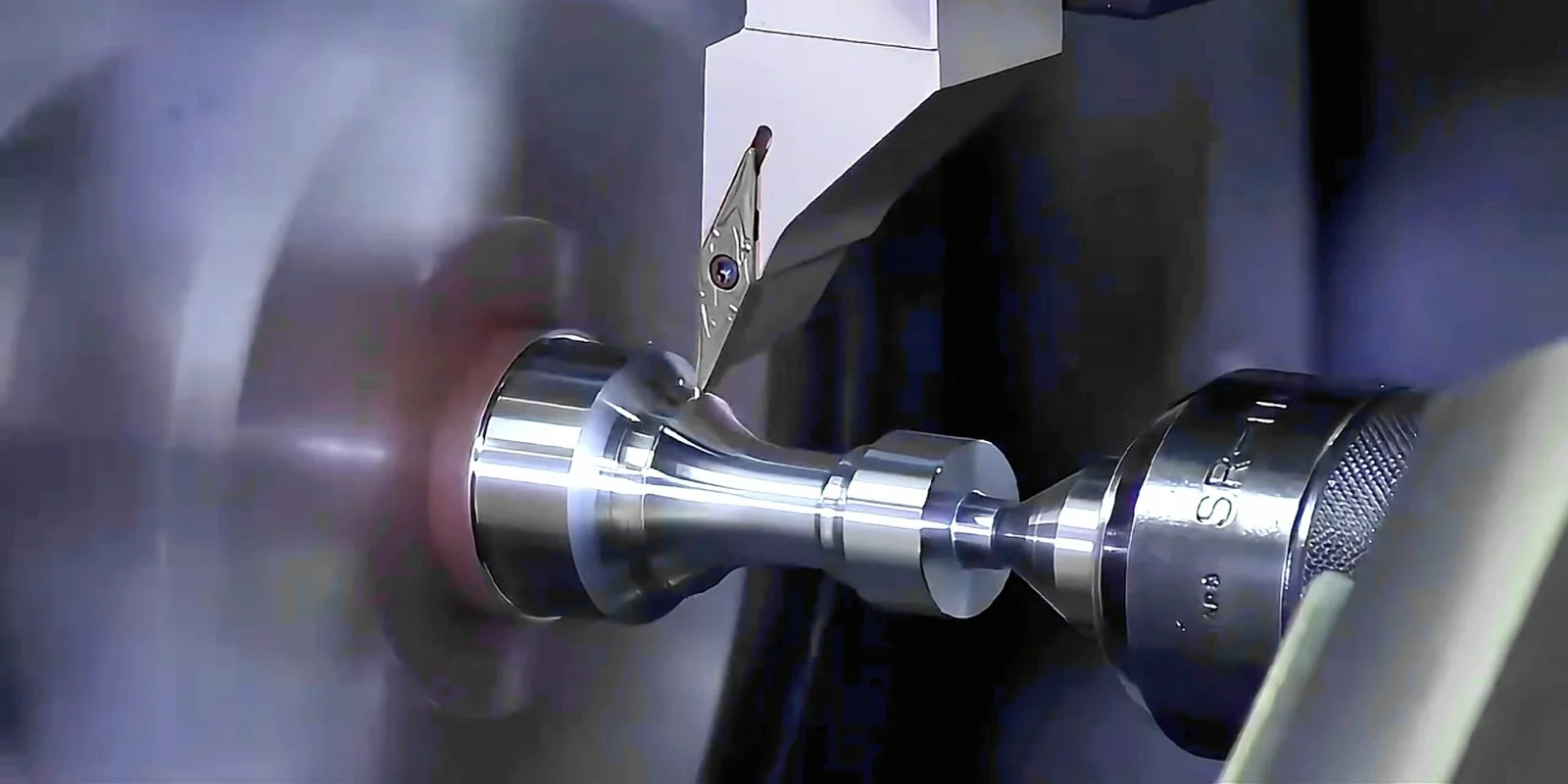
CNC Turning
CNC Turning refers to an automated precision manufacturing process in which a computer numerical control (CNC) system is programmed to drive the lathe spindle, rotating the workpiece while controlling the cutting tool to move along a predetermined path. This process performs cutting operations such as external cylindrical surfaces, internal holes, threads, and end faces on rotary parts.
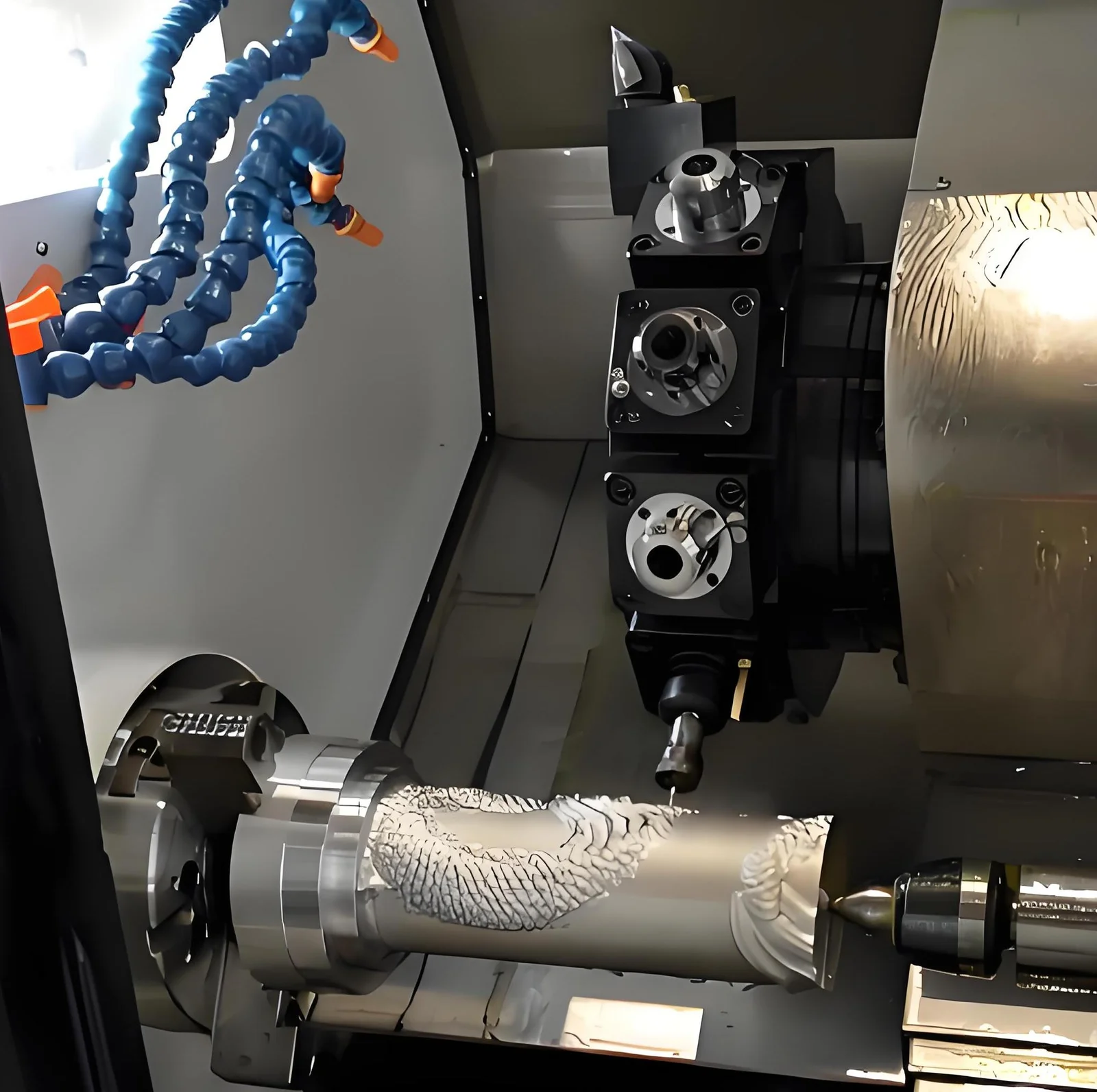
CNC Turning-Milling
CNC Turning-Milling is a hybrid machining process that combines turning and milling operations in a single setup. It enables the efficient production of complex parts with both rotational and non-rotational features, reducing multiple setups while ensuring high precision and consistency. Ideal for intricate geometries, this process enhances productivity and shortens lead times.
Flexible CNC Turning Solutions
Our advanced online CNC turning services offer the flexibility to meet your design needs and development timelines. We produce prototypes, test parts, and low-volume production runs with the speed and accuracy needed for modern product development.
Rapid Prototyping CNC Turning
With 6CProto’s custom CNC turning services, you can quickly transform your designs into high-precision, functional prototype parts, enabling design validation, testing, and iterative optimization, and accelerating development to fully prepare for mass production.
Low Volume CNC Turning
Our low-volume turning services deliver precision parts quickly and cost-effectively. With flexible production, rapid turnaround, and no tooling costs, we help you validate designs, bridge to full production, or fulfill small-batch orders with consistent quality.
Why Choose 6CProto?
We not only boast advanced turning equipment and years of professional experience in turning, but also have over 50 cooperative partners. This enables us to seamlessly support every stage, from rapid prototyping and small-batch trial production to large-scale mass production.
I
Outstanding CNC turning capability
6CProto boasts not only advanced turning equipment but also a network of over 50 partners—including those with advanced multi-axis CNC lathes. What’s more, custom turned parts can be produced in as little as 1 day.
II
Experienced CNC Engineers
Our expert team specializes in CNC turning, with extensive expertise in DFM validation, material selection, and producing complex geometries. From part analysis and drawing review to precision CNC turning, we guide you through every step, ensuring seamless communication and exceptional results.
III
End-to-End Precision CNC Turning Solutions
Built on years of professional accumulation in the field of turning, we can precisely bridge the gap between design and delivery throughout the entire process from prototype development to mass production. With a rigorous management system, we not only precisely control tolerance accuracy and ensure consistent part quality across all production stages, but also significantly accelerate product development cycles.
IV
With over 50 trusted partners, we cater to both prototypes and mass production, offering cost-effective pricing while ensuring tighter tolerance control. We also provide smoother surface finishes, with additional options such as shot peening and anodizing, and fully support custom requirements.
We offer comprehensive custom cnc turning services, ranging from prototypes delivered in as fast as one day to high-volume production of complex parts, all executed efficiently. With our strong machining capabilities and extensive manufacturing network, we can accommodate larger sizes, higher complexity, and stricter tolerances, providing reliable solutions for our clients.
CNC Turning Materials
Our CNC turning services cover a wide range of metals and engineering plastics. Whether you need precision turning for aluminum components or other materials, we deliver high-quality, accurate parts for industries such as automotive, aerospace, and medical devices. If your project requires specific materials, simply contact us—our experts will evaluate your needs and provide the best material and machining solution.
Metal
Bronze
Bronze Material & Copper-tin Alloy

Inconel
Inconel Superalloy Materials

Magnesium
Magnesium & Magnesium Alloy Materials
Titanium
Titanium
Titanium — Material overview
Titanium alloys are high-performance materials that combine exceptional strength, a superior strength-to-weight ratio, outstanding corrosion resistance, high-temperature stability, and excellent biocompatibility. While costlier and more difficult to process than steels or aluminum alloys, their unique advantages—high strength, light weight, and durability in extreme environments—make them indispensable in aerospace, advanced medical, and deep-sea applications, where performance takes priority over cost.

Low-Carbon Steel
Low-Carbon (Mild) Steel Material
Low Carbon Steel — Sheet metal
Mild steel is widely used in sheet metal processing due to its excellent plasticity and weldability, and it is not prone to cracking after processing. This material is susceptible to oxidation and rusting, so post-treatment (such as galvanizing, painting, and powder coating) is required to enhance surface protection.

Stainless Steel
Stainless Steel Material & Alloys
Stainless Steel 316 — Material overview
Stainless steel 316 sheet is an austenitic stainless steel containing molybdenum, which gives it superior corrosion resistance compared to 304, especially in chloride environments. The 316 stainless steel sheet not only offers excellent resistance to acids, alkalis, and pitting corrosion, but also has good toughness and weldability, making it resistant to cracking or deformation during processing. With a smooth and attractive surface that is easy to clean and maintain, it is ideal for use in chemical equipment, ships, medical devices, marine facilities, and high-end kitchen equipment where high corrosion resistance is required.
Stainless Steel 304 — Sheet metal
304 stainless steel is a commonly used austenitic stainless steel material, widely applied in various equipment and structural components due to its excellent corrosion resistance and workability. 304 stainless steel sheets have outstanding resistance to acids and alkalis, maintaining long-term stability in atmospheric conditions, water, and most chemical media. At the same time, they offer good toughness and strong weldability, making them resistant to cracking or deformation during forming and processing. With a smooth surface that is easy to clean and maintain, 304 stainless steel is widely used in kitchenware, medical equipment, and architectural decoration.
Copper
Copper Material
Copper is a metal that is corrosion-resistant, extremely electrically conductive, and highly ductile. Its glossy orange-red appearance is instantly recognizable, and the metal remains aesthetically appealing even during its natural oxidation process—where environmental reactions form a bluish-green coating known as patina. However, it should be noted that copper’s weldability is generally considered moderate to poor.
Copper — Material overview
The core advantage of copper materials lies in their exceptional electrical and thermal conductivity, combined with excellent corrosion resistance, malleability, and ductility. This allows copper to be easily fabricated into a wide range of complex shapes, making it highly valuable across multiple industries.
C101 (commonly known as oxygen-free electronic copper) contains virtually no oxygen impurities, offering top-tier purity and conductivity. It is the preferred material for applications with extremely high requirements for material purity and electrical efficiency. However, its cost is higher than C110, making it more suitable for scenarios where peak conductivity is critical and cost is not the primary concern, such as high-precision electronic components and key conductive parts.
C110, an oxygen-containing derivative of C101, contains only trace amounts of oxygen. While its purity, conductivity, and corrosion resistance are slightly lower than C101, it still meets the core requirements of most industrial applications. With lower cost and excellent formability, C110 is commonly used in heat exchangers, industrial wiring, and piping systems.

Brass
Brass Material & Brass Alloys
Explore 6CProto’s brass materials—offering excellent machinability, corrosion resistance, and attractive appearance. Ideal for hardware, plumbing, decorative, electrical, and industrial applications.
Brass is an alloy composed of copper and zinc, with a golden color and excellent weather and corrosion resistance. Its tensile strength is comparable to that of mild steel. In addition, brass has good machinability and is easy to work with, allowing for high feed rates and minimal reliance on coolant.
Brass — Material overview
Brass sheet metal, an alloy of copper and zinc, combines excellent corrosion resistance with good strength and durability. Its high malleability and formability make it easy to fabricate into complex shapes, while its superior thermal and electrical conductivity suit a variety of industrial and electrical applications. Additionally, its attractive golden appearance makes it a popular choice for decorative and architectural uses.

Plastics
PC+ABS
PC/ABS (Polycarbonate‑ABS Blend) Plastic Material
PC+ABS is a blend-modified material that combines the advantages of both materials. It not only inherits the high impact resistance of PC but also the material strength of ABS, while improving its heat resistance. It is often used in electronic product casings, automotive interiors, consumer products, and more.

CPVC
CPVC (Chlorinated Polyvinyl Chloride) Plastic Material
CPVC (Chlorinated Polyvinyl Chloride) is a modified form of PVC, with enhanced thermal stability, mechanical properties, and chemical resistance. These upgraded characteristics make CPVC an excellent choice for applications in high-temperature and corrosive environments where ordinary PVC would fail.CPVC — Material overview
CPVC (Chlorinated Polyvinyl Chloride) is a thermoplastic plastic obtained by chlorination modification of polyvinyl chloride (PVC). Such structural changes enable it to far outperform ordinary PVC in terms of heat resistance, mechanical properties, and chemical resistance, making it an ideal material for high-temperature and corrosive environments.
PC+GF
PC+GF(Glass‑Fiber Reinforced Polycarbonate) Material
PC+GF (polycarbonate + glass fiber reinforced composite material) is a reinforced engineering plastic made by adding glass fiber (abbreviated as GF) to a polycarbonate (PC) matrix. The addition of glass fiber can significantly improve the mechanical properties and stability of pure PC while retaining some of PC’s excellent inherent properties, making it suitable for scenarios with high requirements for strength, rigidity, and dimensional accuracy. It features high strength, high rigidity, and heat resistance, and is ideal for automotive parts, electrical enclosures, and structural components.
PEI
PEI (Polyetherimide) Engineering Material
PEI (polyetherimide) is a high-performance thermoplastic known for excellent heat resistance, mechanical strength, and chemical stability. It is widely used in demanding applications across aerospace, electronics, medical, and industrial fields.
LDPE
LDPE
Low-Density Polyethylene (LDPE) is lighter than water, soft and tough, with excellent acid and alkali resistance as well as electrical insulation properties. It is widely used in fields such as packaging, agriculture, electronics, and daily necessities.
PP
PP (Polypropylene) Engineering Material
Polypropylene (PP) is a well-balanced thermoplastic characterized by lightweight material, excellent chemical resistance, and good flexibility. Owing to these properties, it finds wide application in fields such as packaging, household appliances, automotive, daily necessities, and medical devices.
PET
PET
PET (polyethylene terephthalate) is a common thermoplastic polyester with excellent mechanical properties and strong chemical resistance. It also offers glass-like transparency and luster, with a high light transmittance of about 88–92%, and is widely used in beverage bottles, food packaging, and engineering plastics.PET — CNC machining
PET (polyethylene terephthalate) is a common thermoplastic polyester with excellent mechanical properties and strong chemical resistance. It also offers glass-like transparency and luster, with a high light transmittance of about 88–92%, and is widely used in beverage bottles, food packaging, and engineering plastics.
PVC
PVC (Polyvinyl Chloride) Plastic Material
Polyvinyl chloride (PVC) is a widely used thermoplastic polymer material characterized by excellent mechanical properties, outstanding corrosion resistance, and superior electrical insulation performance. By incorporating various additives, it can be tailored to meet customized requirements. Owing to its unique combination of properties, PVC finds extensive applications in fields such as construction, industry, packaging, and healthcare.PVC — CNC machining
Polyvinyl chloride (PVC) is a widely used thermoplastic polymer material characterized by excellent mechanical properties, outstanding corrosion resistance, and superior electrical insulation performance. By incorporating various additives, it can be tailored to meet customized requirements. Owing to its unique combination of properties, PVC finds extensive applications in fields such as construction, industry, packaging, and healthcare.
PVC — Injection molding
Polyvinyl chloride (PVC) is a widely used thermoplastic polymer material characterized by excellent mechanical properties, outstanding corrosion resistance, and superior electrical insulation performance. By incorporating various additives, it can be tailored to meet customized requirements. Owing to its unique combination of properties, PVC finds extensive applications in fields such as construction, industry, packaging, and healthcare.

PC
PC (Polycarbonate) Engineering Material
PC (polycarbonate) is a versatile engineering plastic known for its high impact resistance, optical transparency, and good thermal stability. It combines toughness, heat resistance, and aesthetic clarity, making it suitable for a wide array of applications.PC — CNC machining
PC (polycarbonate, commonly known as bulletproof glue) is inherently pale yellow or colorless and transparent, featuring hardness, toughness and luster. It boasts prominent advantages: with a light transmittance of 90%, it not only has good mechanical strength but also excellent impact resistance, along with outstanding heat resistance and weatherability.
PC — Injection molding
PC (polycarbonate, commonly known as bulletproof glue) is inherently pale yellow or colorless and transparent, featuring hardness, toughness and luster. It boasts prominent advantages: with a light transmittance of 90%, it not only has good mechanical strength but also excellent impact resistance, along with outstanding heat resistance and weatherability.
PMMA (Acrylic)
PMMA (Acrylic) Engineering Material
Acrylic (also known as polymethyl methacrylate, PMMA) boasts not only excellent optical performance but also outstanding UV resistance. With a light transmittance of up to 92%—comparable to glass—it has become a popular material in scenarios ranging from neon signs in shopping malls and display case panels in museums to precision optical lenses and stage light covers.PMMA (Acrylic) — CNC machining
Acrylic (also known as polymethyl methacrylate, PMMA) boasts not only excellent optical performance but also outstanding UV resistance. With a light transmittance of up to 92%—comparable to glass—it has become a popular material in scenarios ranging from neon signs in shopping malls and display case panels in museums to precision optical lenses and stage light covers.

PEEK
PEEK (Polyetheretherketone) Engineering Material
PEEK (polyetheretherketone) is a premium thermoplastic widely recognized for its exceptional thermal stability, mechanical strength, chemical resistance, dimensional stability, and in many cases biocompatibility and electrical insulation. It is used in extreme environments like aerospace, medical implants, electronics, and semiconductor industries.PEEK — CNC machining
PEEK (Polyetheretherketone) is a top-performing thermoplastic engineering plastic, featuring excellent high-temperature resistance, robust mechanical properties, versatile corrosion resistance, top-tier biocompatibility, exceptional dimensional stability, and outstanding electrical insulation and radiation resistance. It is widely used in high-end fields such as aerospace, high-end medical care, and electronic semiconductors.
PEEK — 3D printing
PEEK (Polyether Ether Ketone) is a high-performance engineering plastic widely used in aerospace, automotive, medical, and electronics industries. As a material that is resistant to high temperatures, chemical corrosion, and wear, PEEK offers exceptional strength and rigidity in 3D printing, making it suitable for demanding functional parts. It can withstand temperatures exceeding 250°C and maintain stable performance under high loads and extreme conditions. PEEK also has excellent electrical insulation properties and biocompatibility, making it an ideal choice for medical implants and high-end industrial components.
PEEK — Injection molding
PEEK (Polyetheretherketone) is a top-performing thermoplastic engineering plastic, featuring excellent high-temperature resistance, robust mechanical properties, versatile corrosion resistance, top-tier biocompatibility, exceptional dimensional stability, and outstanding electrical insulation and radiation resistance. It is widely used in high-end fields such as aerospace, high-end medical care, and electronic semiconductors.

Nylon
Nylon (Polyamide) Engineering Material
Nylon (polyamide) is a versatile engineering thermoplastic known for its high strength, excellent wear resistance, good chemical stability, and toughness. It is widely used across industries for gears, bearings, bushings, automotive components, industrial parts, and more. Its ease of machining, coupled with its chemical resistance, also makes it suitable for applications in the automotive, aerospace, and medical industries. With its remarkable combination of properties, nylon stands out as a versatile and reliable material for a diverse range of CNC machining applications.Nylon — CNC machining
Nylon is a versatile and widely used material in CNC machining due to its exceptional properties. Its high tensile strength, low coefficient of friction, and resistance to wear and abrasion make it an excellent choice for applications requiring durability and reliability, such as gears, bushings, and bearings. Additionally, nylon’s low moisture absorption and good dimensional stability ensure consistent performance even in humid or varying temperature conditions.
Its ease of machining, coupled with its chemical resistance, also makes it suitable for applications in the automotive, aerospace, and medical industries. With its remarkable combination of properties, nylon stands out as a versatile and reliable material for a diverse range of CNC machining applications.
PA (Nylon) — Material overview
Nylon is a versatile and widely used material in CNC machining due to its exceptional properties. Its high tensile strength, low coefficient of friction, and resistance to wear and abrasion make it an excellent choice for applications requiring durability and reliability, such as gears, bushings, and bearings. Additionally, nylon’s low moisture absorption and good dimensional stability ensure consistent performance even in humid or varying temperature conditions.
Its ease of machining, coupled with its chemical resistance, also makes it suitable for applications in the automotive, aerospace, and medical industries. With its remarkable combination of properties, nylon stands out as a versatile and reliable material for a diverse range of CNC machining applications.

POM
POM (Polyoxymethylene / Acetal) Engineering Material
POM (polyoxymethylene), also known as acetal, is a high‑performance engineering thermoplastic valued for its rigidity, low friction, excellent wear resistance, and good dimensional stability. It is often used in precision mechanical parts that require durable, low‑maintenance performance.
HIPS
HIPS (High Impact Polystyrene) Material
HIPS, or High Impact Polystyrene, is a modified polystyrene polymer enhanced with rubber modifiers (usually polybutadiene) to improve toughness and durability. The result is a rigid yet impact-resistant thermoplastic that retains good processability, making it popular in prototyping, manufacturing, and consumer products.
HIPS combines the stiffness of polystyrene with improved impact performance, offering a cost-effective balance of mechanical and processing properties.
HDPE
HDPE (High-Density Polyethylene) Material
High-Density Polyethylene (HDPE) is a thermoplastic polymer with high strength-to-density ratio, known for durability, chemical resistance, and ease of processing. As a semi-crystalline plastic, it offers excellent impact performance, low moisture uptake, and good machinability — making it a popular choice in industrial, chemical, packaging, and structural applications. It is great for applications such as orthotic and prosthetic devices, water storage, and tanks.

Tolerances without individual tolerance indications according to ISO 2768-1:1989. Values in millimeters.
| Basic size range | f (fine) | m (medium) | c (coarse) | v (very coarse) |
|---|---|---|---|---|
| 0.5 up to 3 | ±0.05 | ±0.1 | ±0.2 | — |
| over 3 up to 6 | ±0.05 | ±0.1 | ±0.3 | ±0.5 |
| over 6 up to 30 | ±0.1 | ±0.2 | ±0.5 | ±1.0 |
| over 30 up to 120 | ±0.15 | ±0.3 | ±0.8 | ±1.5 |
| over 120 up to 400 | ±0.2 | ±0.5 | ±1.2 | ±2.5 |
| over 400 up to 1000 | ±0.3 | ±0.8 | ±2.0 | ±4.0 |
| over 1000 up to 2000 | ±0.5 | ±1.2 | ±3.0 | ±6.0 |
| over 2000 up to 4000 | – | ±2.0 | ±4.0 | ±8.0 |
Tolerances for CNC Machining
6CProto applies the ISO 2768-m (medium) standard for machined plastics and the ISO 2768-f (fine) standard for machined metals. Under normal circumstances, CNC machining tolerances can be controlled within the range of ±0.125 mm (±0.005″) to ±0.05 mm (±0.002″). For tighter tolerances, please provide fully detailed 2D drawings. Our engineering team will confirm the critical dimensional requirements with you and strive to achieve the highest precision possible. If 2D drawings are not available, we will apply the ISO 2768-m (medium) standard for machined parts.
Quality Assurance
| Driven by excellence, we embed quality into every detail—from advanced tools to rigorous standards. We ensure consistent, outstanding quality. | |||||
|---|---|---|---|---|---|
| 1 | Advanced Inspection Equipment | ||||
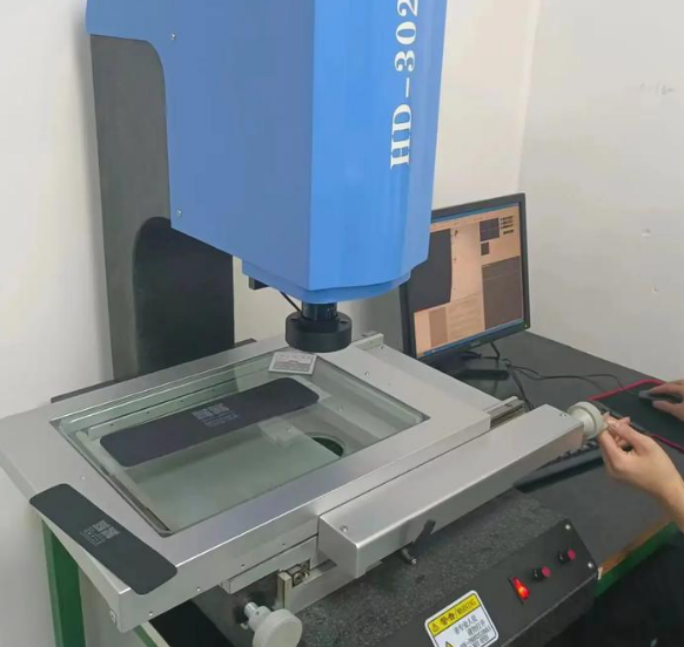
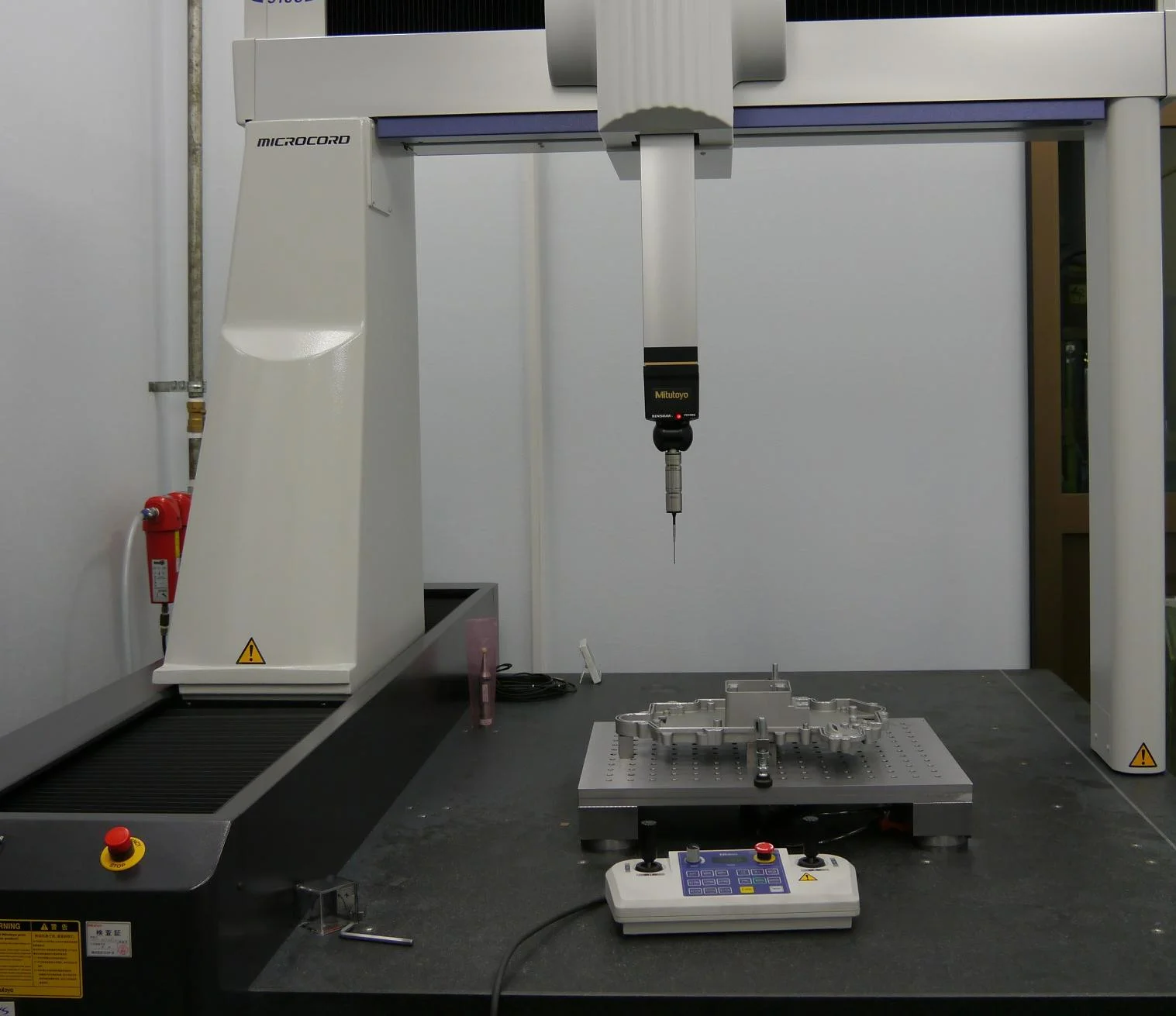
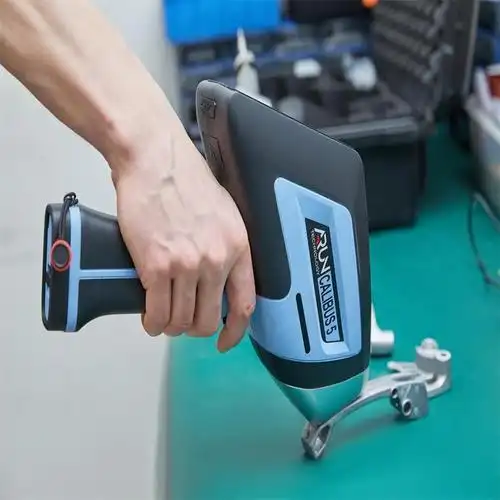
| We employ professional inspection equipment for precise measurement and validation. A spectrometer analyzes metal composition, a 2.5D measuring instrument verifies detailed features, a coordinate measuring machine (CMM) inspects complex three-dimensional structures, and height gauges ensure the accuracy of fundamental dimensions. | |||||
| 2 | Strict quality management system | ||||
| From first article inspection to in-process checks and final pre-shipment testing, every stage is governed by a rigorous management system to ensure consistent quality. | |||||
| IQC(Incoming Quality Control) | FAI (First Article Inspection) | ||||
| IPQC(In-Process Quality Control) | CMM inspection report | ||||
| FQC(Final Quality Control) | DIR(Dimensional Inspection Report ) | ||||
| OQC(Outgoing Quality Control) | CAR(Corrective and Preventive Action Report) | ||||
| Material Certificates | ISO 9001 | ||||
Surface Finish and Post-Processing Options
As machined
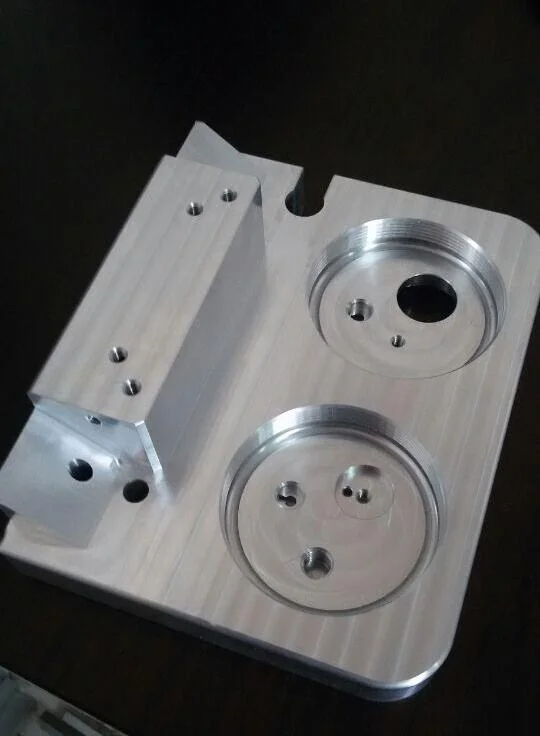
After CNC machining, parts undergo standard deburring and edge refinement to remove burrs and sharp edges, resulting in a smoother and safer surface. A typical surface roughness of Ra 3.2 μm can be achieved.
Bead Blasted
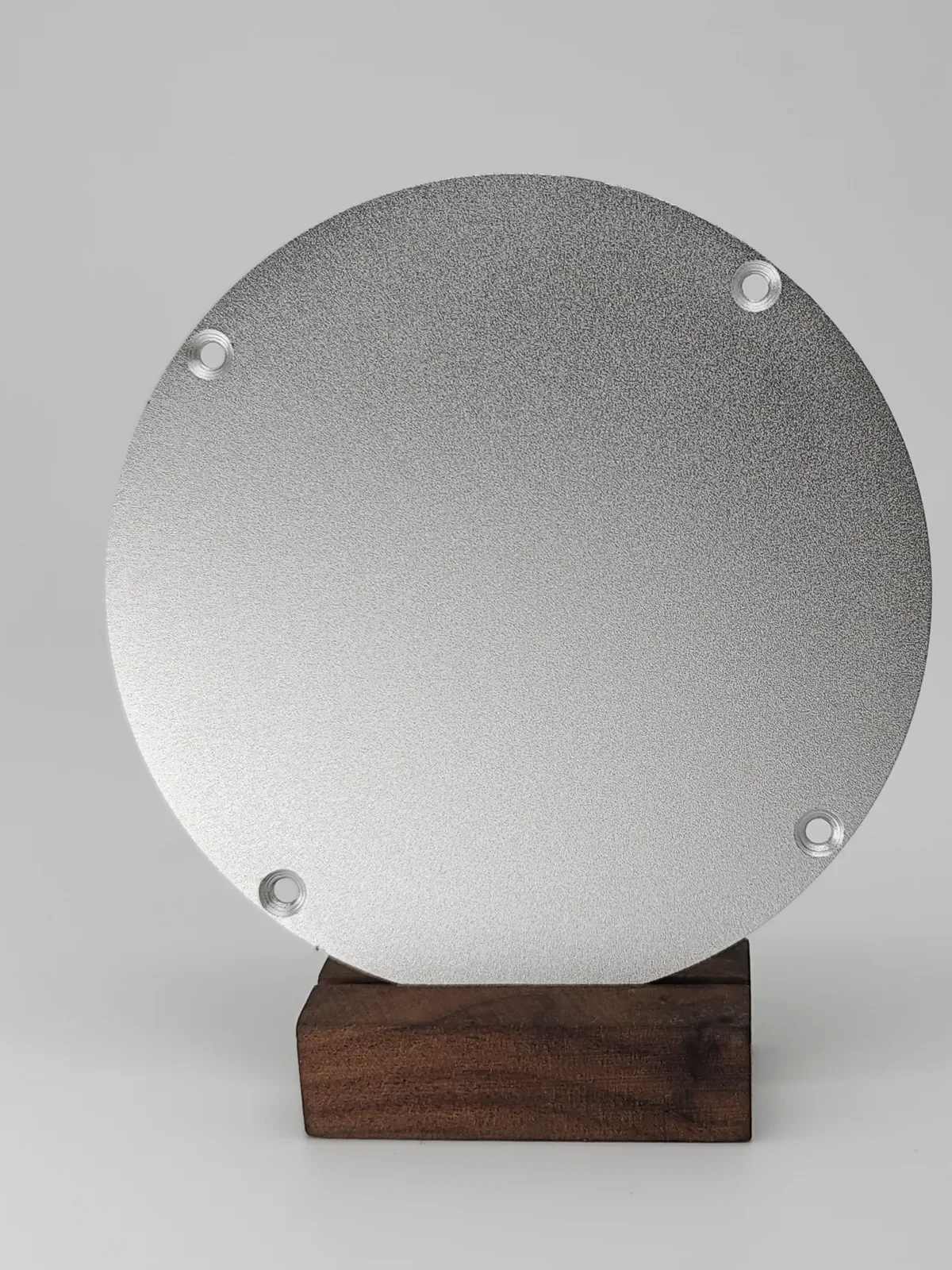
Bead blasting can be applied to CNC-machined parts to eliminate tool marks and minor surface imperfections, creating a consistent matte texture that enhances overall appearance. Suitable for a wide range of metals and engineering plastics.
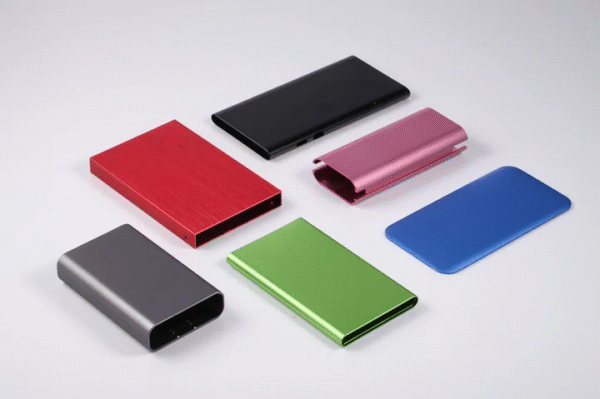
Anodizing
Anodizing creates a durable aluminum oxide coating that improves corrosion resistance, wear resistance, and service life while providing a wide range of color finishes.
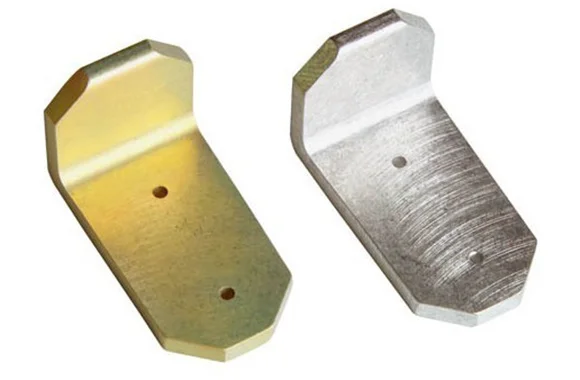
Alodine
Alodine is an economical surface treatment for aluminum that forms a uniform protective layer, enhancing corrosion resistance while creating a characteristic greenish-gold finish. It is especially suitable for parts requiring long-term protection or subsequent painting.
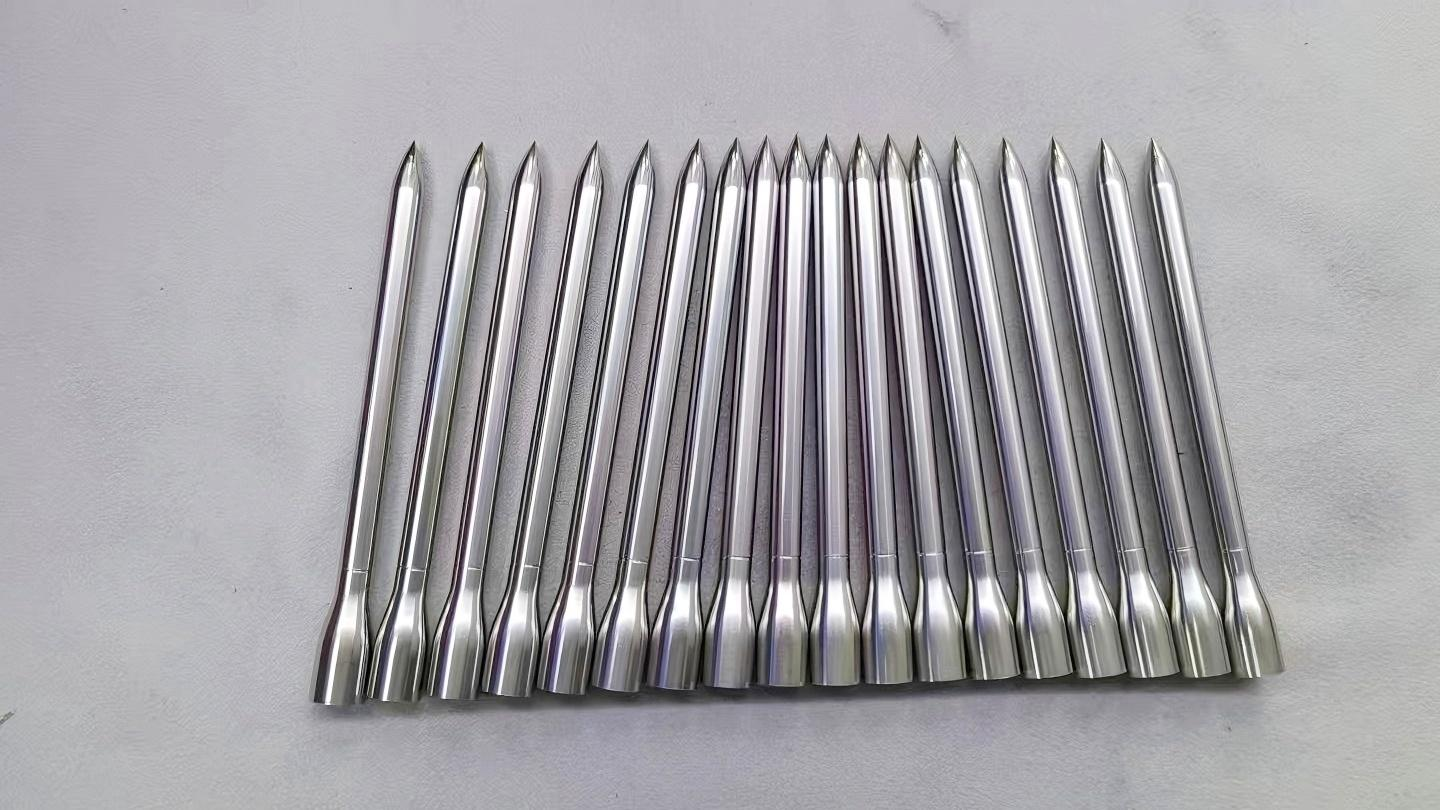
Polishing
Polishing significantly enhances the appearance of CNC-machined parts by creating a smooth, mirror-like finish with an attractive, refined look.
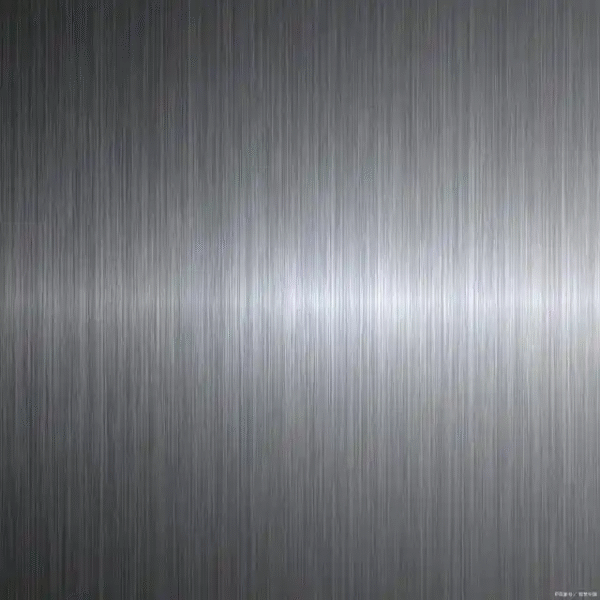
Brushing
Brushing adds distinctive linear textures and a subtle metallic sheen to CNC-machined parts, enhancing their visual appeal and premium look. Due to limited corrosion resistance, it is best suited for indoor or general industrial applications.
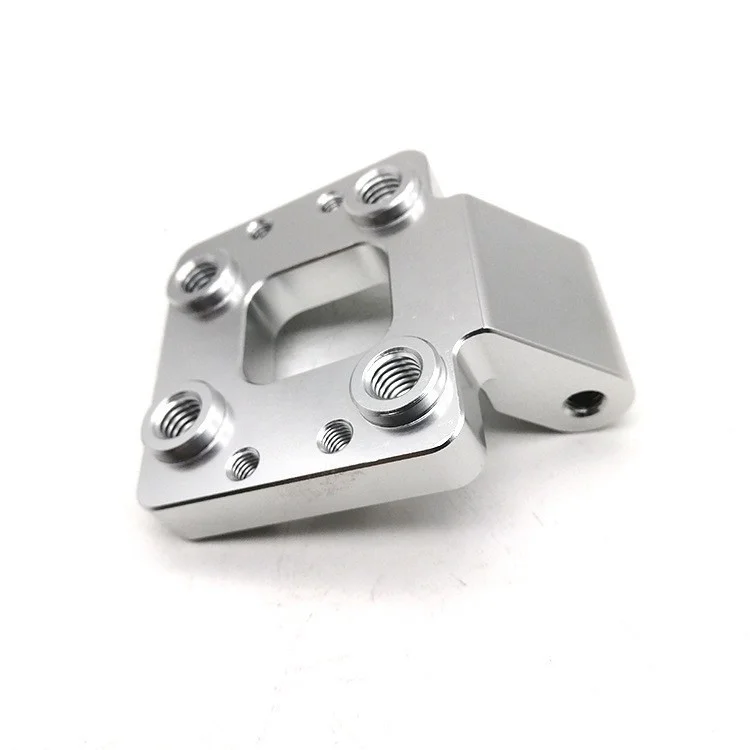
Sanding
Sanding enhances the surface quality of CNC-machined parts by creating a bright, high-gloss finish with a natural, non-directional texture. Complex geometries may not achieve a completely uniform finish.
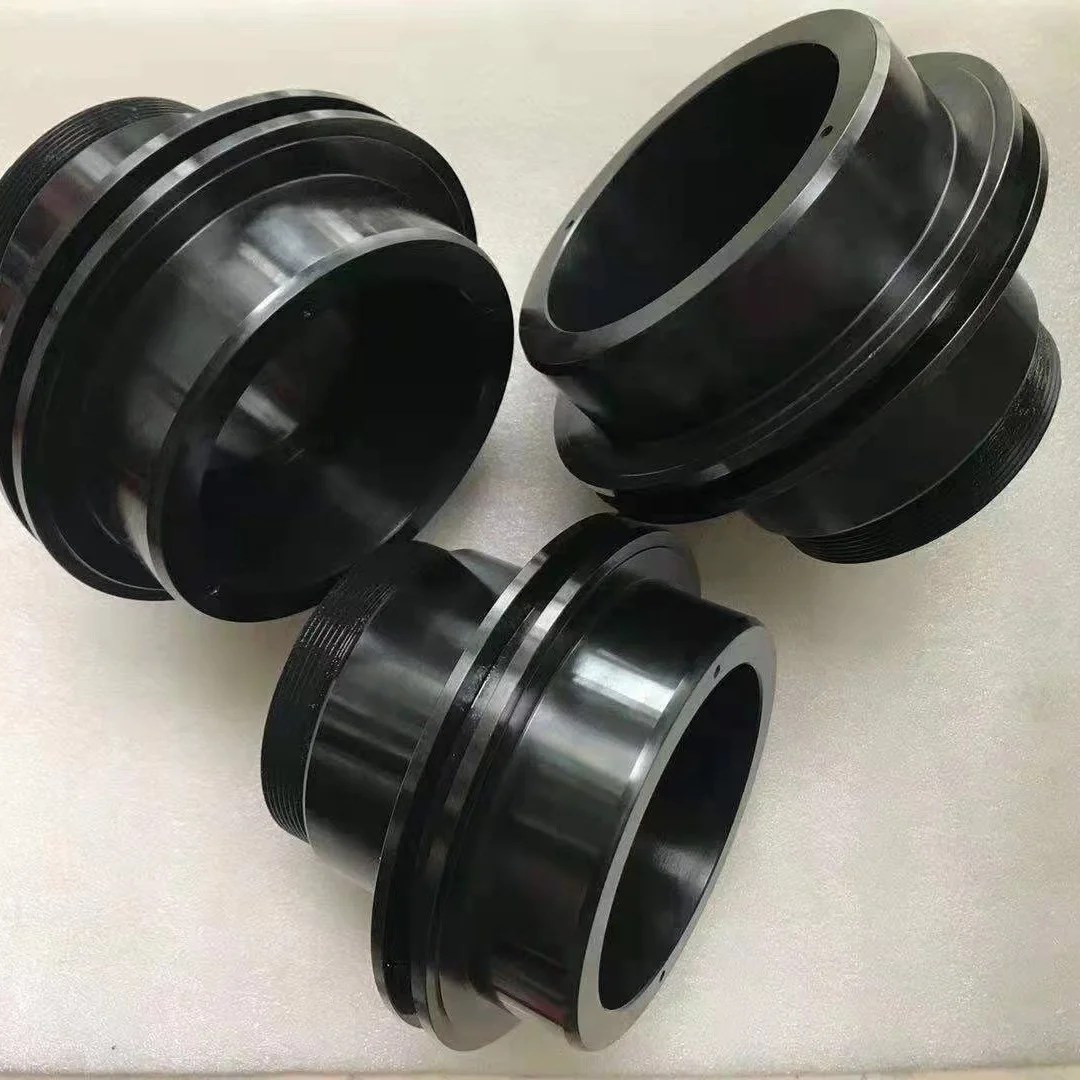
Black-Oxide
Black Oxide produces a low-reflective black finish that enhances the appearance and consistency of metal parts while improving oxidation and rust resistance.
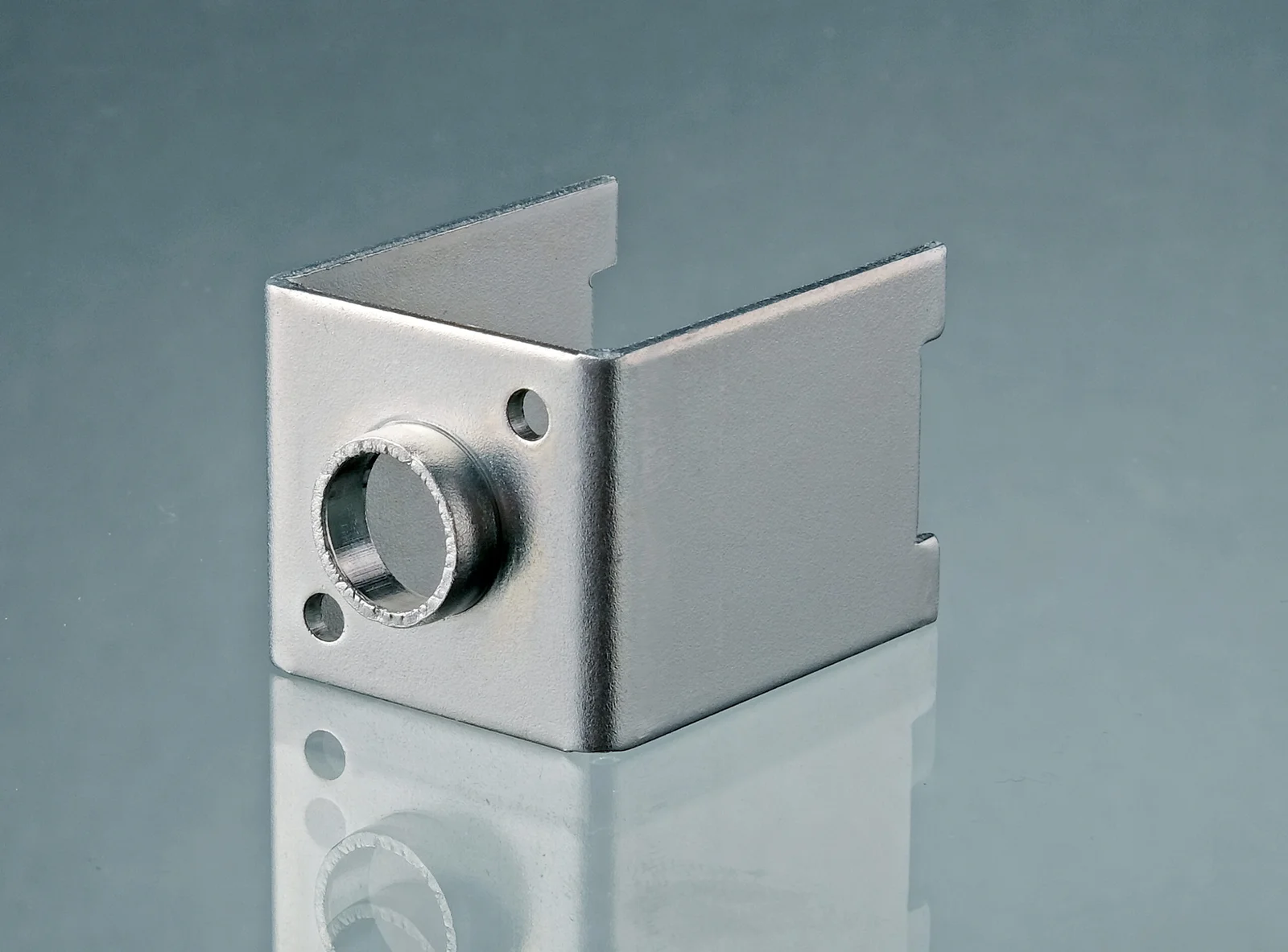
Electroplating
Electroplating creates a durable protective layer on steel and aluminum parts, helping resist corrosion and wear while enhancing surface strength and service life.
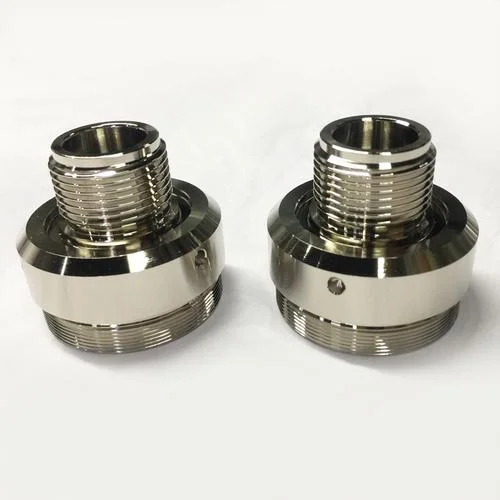
Electroless Nickel Plating
Electroless Nickel Plating forms a dense and uniform nickel coating, even on complex geometries, improving surface hardness, wear resistance, and protection against corrosion.
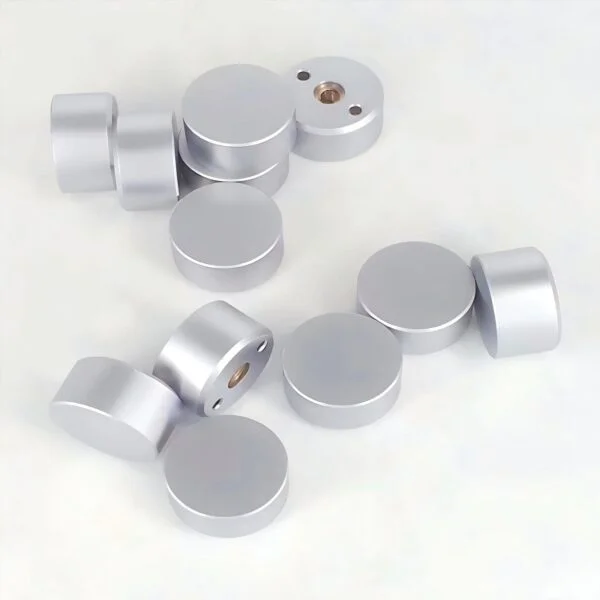
Chrome Plating
Chrome Plating enhances the appearance and shine of parts while creating a durable protective layer that improves oxidation resistance and long-term corrosion protection.
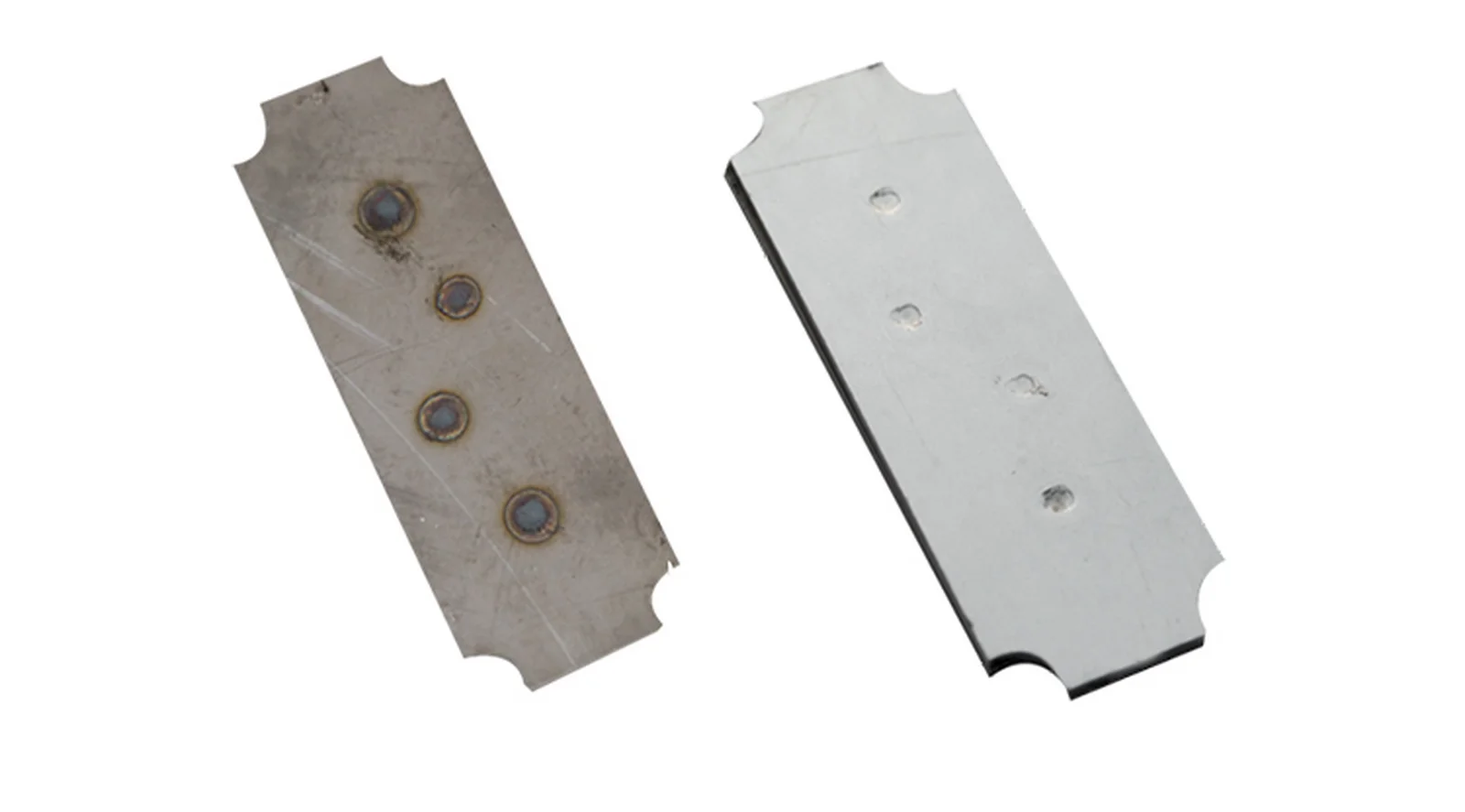
Passivation
Passivation removes surface contaminants and strengthens the metal’s natural protective layer, enhancing corrosion resistance and extending the service life of steel components.
Our CNC Turning capabilities
We offer two CNC turning options: standard (±0.1 mm) and high-precision (±0.005 mm), ensuring accuracy while maintaining cost efficiency to meet requirements from general applications to high-end products. If no 2D drawing is provided, we will default to the following standard tolerances: ISO 2768-m for CNC milled metals and ISO 2768-c for plastics.
Description
Maximum Part Size
Typically up to 500 mm in diameter and 1500 mm in length, though larger sizes can be accommodated with specific equipment.
Minimum Part Size
As small as 1 mm in diameter, depending on the material and machining setup.
General Tolerances
Standard tolerances of ±0.01 mm; tighter tolerances down to ±0.005 mm can be achieved based on the material and complexity of the part.
Lead Time
Standard lead times range from 3-7 days for small batches. Expedited services are available, reducing lead time to 24-48 hours depending on part complexity and material availability.
What is CNC Turning?
CNC turning is a subtractive manufacturing process in which a metal rod is rotated while a cutting tool is precisely applied to the workpiece surface to remove excess material and form the final part. Our CNC lathes are equipped with live tooling, enabling the machining of flat features and holes, as well as both outside diameter (OD) and inside diameter (ID) threading.
Finished turned parts can be left with their original machined surface (with visible tool marks) or bead blasted for a more uniform texture. Once the production run is complete, all parts undergo strict inspection, are carefully packaged, and promptly shipped.
Customer Success Stories

Crafted with precision and intelligence for beautiful, durable products.
Smart Home Industry
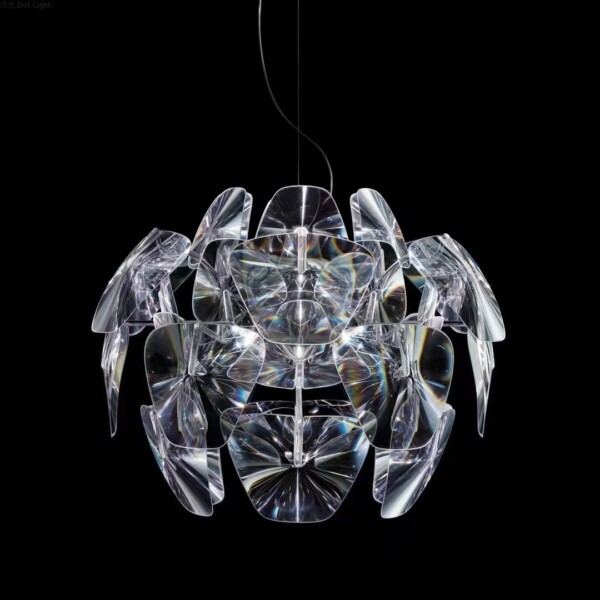
A Bespoke Pendant Light: Crafting Perfection Through Innovation and Dedication
Home & Décor Industry
CNC Turning Services: Customer Reviews
Learn more: What Is Large Diameter Turning?