
Flexible Custom CNC Milling Services
Equipped with advanced 3-axis and 5-axis CNC milling machines, we rapidly produce metal and plastic prototypes and parts. No matter the project size, we ensure consistent quality, tight tolerances, and fast turnaround time.
Get a quote instantly and order your custom CNC machined parts at the most competitive prices.
Innovative Companies We Support




CNC Milling for Every Stage
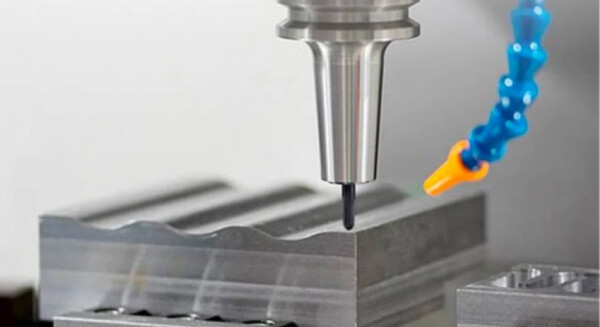
3-Axis CNC Milling
With 3-axis CNC milling, precision meets affordability. It’s your go-to for simple parts that still demand accuracy.
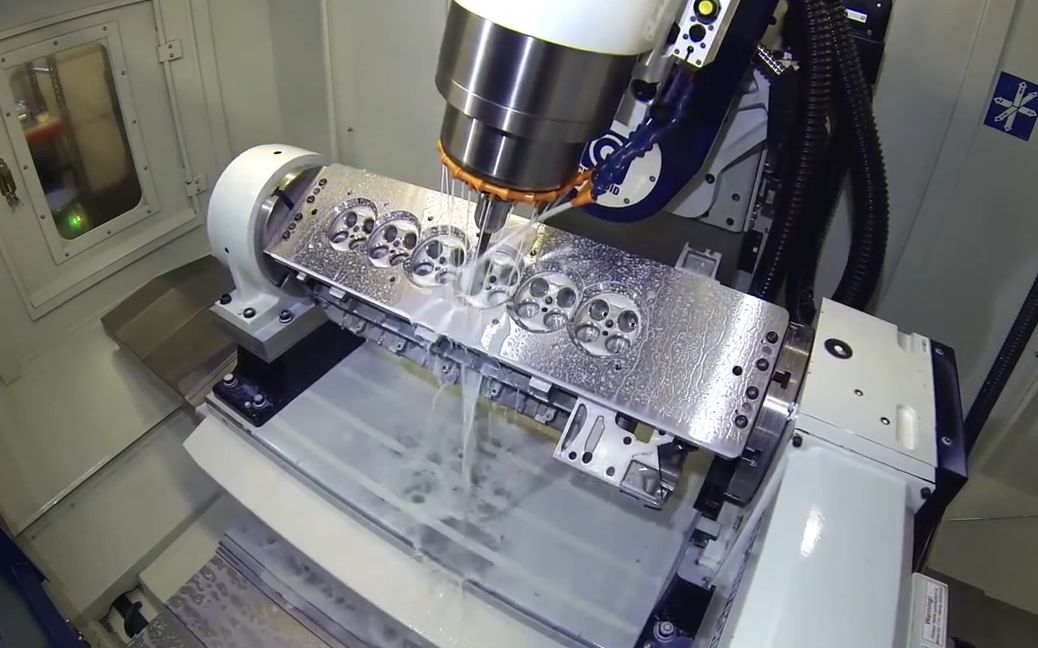
4-Axis CNC Milling
Compared to three-axis milling, four-axis milling not only significantly reduces the number of setups and fixtures but also the ideal solution for machining long parts with side-wall features.
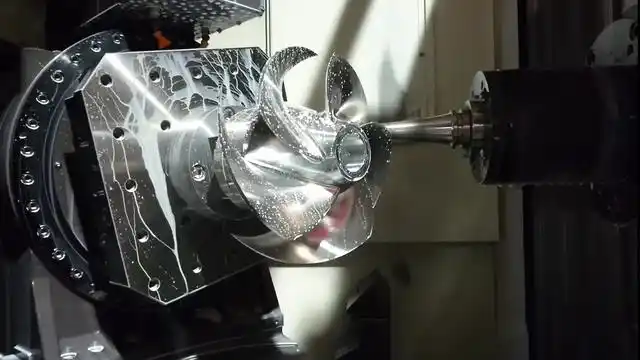
5-Axis CNC Milling
For those complex and intricate parts, 5-axis milling is the master key. Bring your most ambitious designs to life.
Flexible CNC Milling Solutions
Our advanced online CNC machining services adapt seamlessly to your design requirements and development timelines. With fast quoting and remote ordering, you can easily kick-start projects from anywhere. We produce prototypes, test parts, and low-volume production efficiently, supporting a wide range of materials with up to ±0.01mm precision——meeting the hight-speed and accuracy demands of modern product development.
Rapid Prototyping CNC Milling
With our custom milling services, 6CProto delivers high-precision CNC prototypes, functional parts, and intricate machined components quickly—supporting a wide range of applications and providing a reliable foundation for full-scale production.
Low Volume CNC Milling
Our low-volume milling services provide fast, cost-effective delivery of precision parts. With flexible production, rapid turnaround, and no tooling costs, we help you validate designs, transition smoothly to full-scale production, or fulfill small-batch orders with consistent, high-quality results.
Why Choose 6CProto?
With a network of over 50 trusted partners, we can seamlessly support everything from rapid prototyping and small-batch trials to full-scale mass production.
I
Fast Delivery
Whether it’s prototypes or large-scale orders, we deliver quickly without compromising quality keeping your projects on schedule.
II
Advanced Equipment
With state-of-the-art 5-axis CNC machines and strict inspection systems, we guarantee precision in every part.
III
A Team That Understands You
We don’t just machine parts-we help optimize your design, saving you time and cost while improving performance.
IV
Trusted By Many Industries
From aerospace to medical, automotive to electronics, clients across industries rely on us for long-term partnerships.
We offer comprehensive custom machining services, ranging from prototypes delivered in as fast as one day to high-volume production of complex parts, all executed efficiently. With our strong machining capabilities and extensive manufacturing network, we can accommodate larger sizes, higher complexity, and stricter tolerances, providing reliable solutions for our clients.
How to Work With Us
How to Work With Us
Our ordering process
3-axis machining Vs 5-axis Machining-Which Suits Your Project?
Choosing the right machining method is not only the key to achieving efficient and precise production, but also a way to reduce costs. Both 3-axis and 5-axis machining have their own advantages, capable of handling everything from complex curved surfaces to rotationally symmetric parts. Understanding their characteristics will help you make the best choice for each project.
Feature
3-Axis Machining
5-Axis Machining
Movement
3-axis machining is a precise and versatile method for producing flat surfaces, slots, holes, and simple 3D parts. It offers high accuracy, repeatability, and efficiency, making it ideal for small-batch or straightforward part production. Advanced tooling ensures excellent surface finish and dimensional precision.
Simultaneous, or continuous, 5-axis machining allows all five axes to move at the same time, enabling the machine to adjust its position continuously without stopping. This approach can significantly increase machining speed and efficiency, as there are no interruptions between cutting passes, while also improving surface finish on complex parts.
Complexity
Suitable for flat surfaces, slots, and simple 3D parts; simple in structure.
Surface Quality
Provides smoother surfaces withfewer tool marks, though the surfacequality on complex curves is stillinferior to 5-axis machining.
When machining complex surfaces or intricate structures, it achieves smoother finishes with fewer tool marks.
Efficiency
High production efficiency, but complex parts require multiple setups.
Faster production with fewer setups.
Best For
Flat surfaces, slots, and simple 3D parts.
Components with complex structures and high precision requirements.
Cost & Investment
Both part and equipment costs are lower than those of 5-axis machining.
Higher machine and programming costs.
Our CNC milling capabilities
Maximum Part Size
Minimum Part Size
General Tolerances
Lead Time
3-Axis
1000 x 500 x 500 mm
5 x 5 x 5 mm
±0.1 mm
Simple products can be completed in as little as 1 day.
4-Axis
1000 x 500 x 500 mm
5 x 5 x 5 mm
±0.1 mm
Most projects take 5 days from material procurement to production completion.
5-Axis
600*600*500
5 x 5 x 5 mm
±0.05 mm
Most projects take 5 days from material procurement to completion of production.
Tolerances without individual tolerance indications according to ISO 2768-1:1989. Values in millimeters.
| Basic size range | f (fine) | m (medium) | c (coarse) | v (very coarse) |
|---|---|---|---|---|
| 0.5 up to 3 | ±0.05 | ±0.1 | ±0.2 | — |
| over 3 up to 6 | ±0.05 | ±0.1 | ±0.3 | ±0.5 |
| over 6 up to 30 | ±0.1 | ±0.2 | ±0.5 | ±1.0 |
| over 30 up to 120 | ±0.15 | ±0.3 | ±0.8 | ±1.5 |
| over 120 up to 400 | ±0.2 | ±0.5 | ±1.2 | ±2.5 |
| over 400 up to 1000 | ±0.3 | ±0.8 | ±2.0 | ±4.0 |
| over 1000 up to 2000 | ±0.5 | ±1.2 | ±3.0 | ±6.0 |
| over 2000 up to 4000 | – | ±2.0 | ±4.0 | ±8.0 |
Tolerances for CNC
6CProto applies the ISO 2768-m (medium) standard for machined plastics and the ISO 2768-f (fine) standard for machined metals. Under normal circumstances, CNC machining tolerances can be controlled within the range of ±0.125 mm (±0.005″) to ±0.05 mm (±0.002″). For tighter tolerances, please provide fully detailed 2D drawings. Our engineering team will confirm the critical dimensional requirements with you and strive to achieve the highest precision possible. If 2D drawings are not available, we will apply the ISO 2768-m (medium) standard for machined parts.
Quality Assurance
| Driven by excellence, we embed quality into every detail—from advanced tools to rigorous standards. We ensure consistent, outstanding quality. | |||||
|---|---|---|---|---|---|
| 1 | Advanced Inspection Equipment | ||||
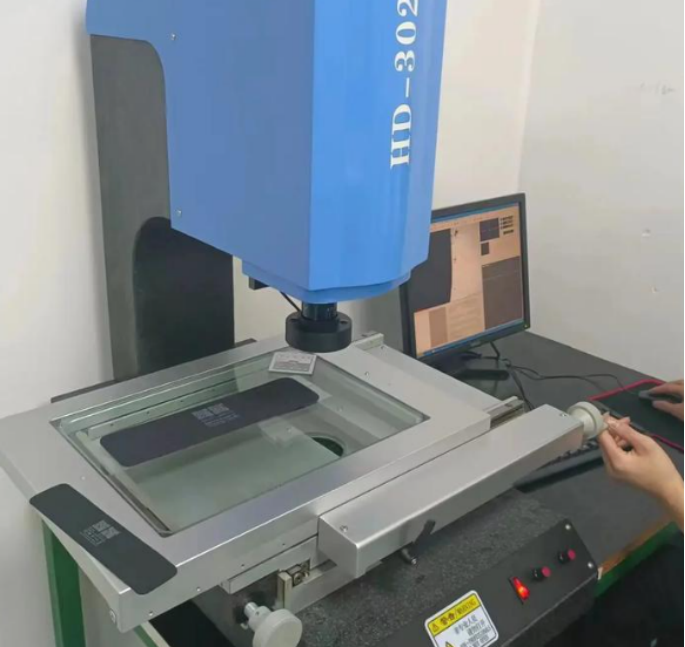
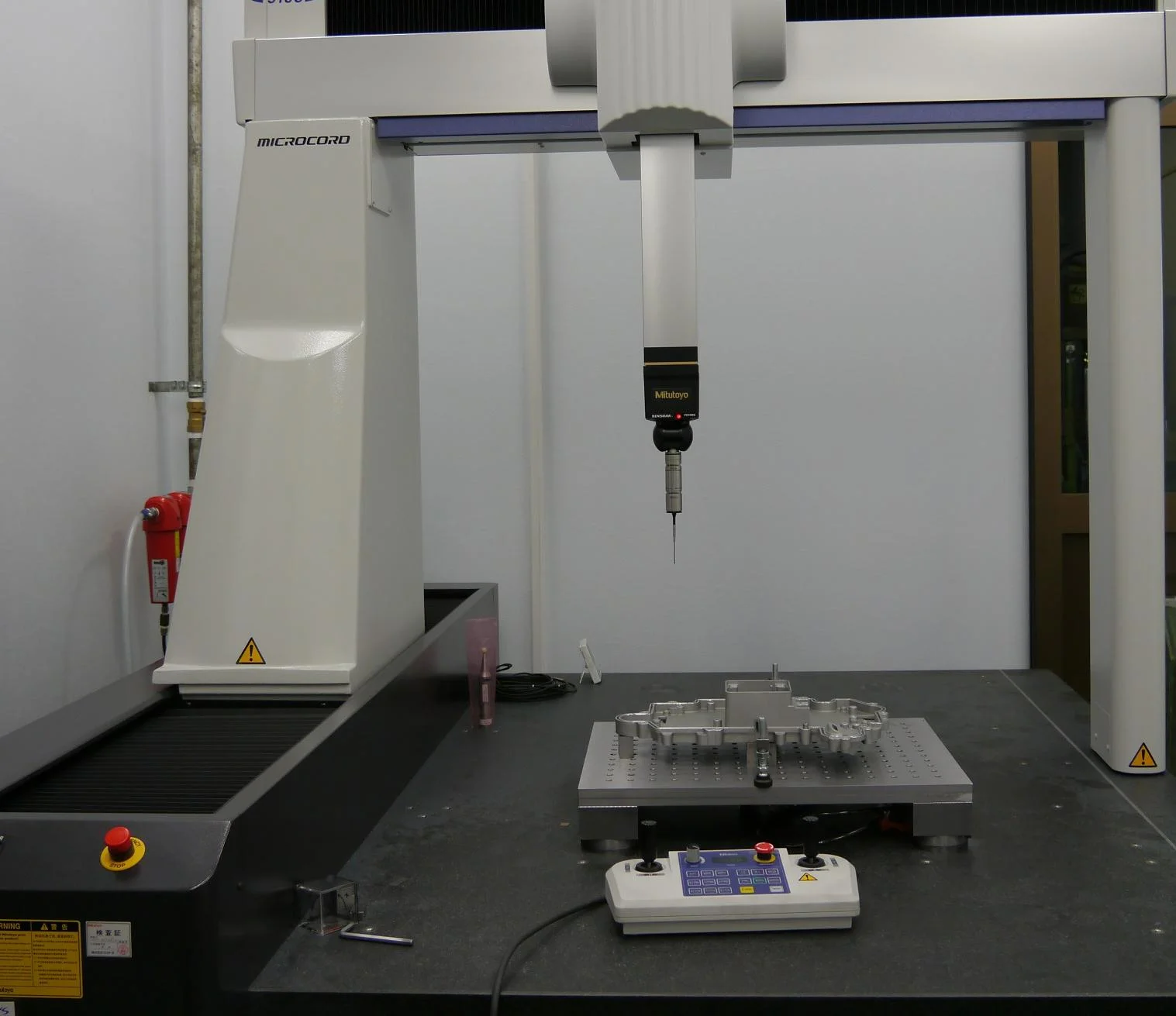
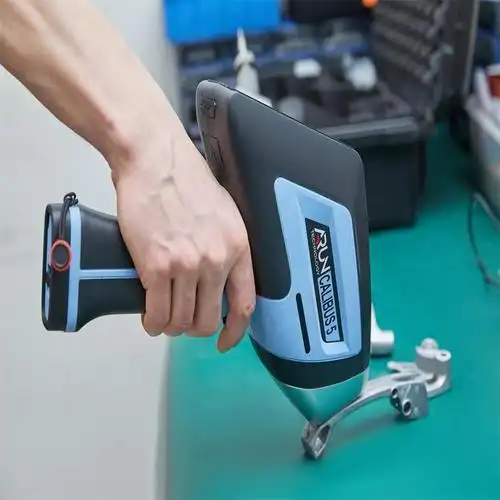
| We employ professional inspection equipment for precise measurement and validation. A spectrometer analyzes metal composition, a 2.5D measuring instrument verifies detailed features, a coordinate measuring machine (CMM) inspects complex three-dimensional structures, and height gauges ensure the accuracy of fundamental dimensions. | |||||
| 2 | Strict quality management system | ||||
| From first article inspection to in-process checks and final pre-shipment testing, every stage is governed by a rigorous management system to ensure consistent quality. | |||||
| IQC(Incoming Quality Control) | FAI (First Article Inspection) | ||||
| IPQC(In-Process Quality Control) | CMM inspection report | ||||
| FQC(Final Quality Control) | DIR(Dimensional Inspection Report ) | ||||
| OQC(Outgoing Quality Control) | CAR(Corrective and Preventive Action Report) | ||||
| Material Certificates | ISO 9001 | ||||
CNC Milling Materials
We offer a wide range of CNC machining materials, including metal alloys, plastics, and composites. All materials are carefully selected for high strength, excellent durability, and cost efficiency. Our engineering team provides professional DFM (Design for Manufacturability) guidance to help optimize your plastic and metal part designs for efficient production. Contact us or upload your CAD file to explore material options, receive instant quotes, and access customized manufacturing solutions.
Metal
Bronze
Bronze Material & Copper-tin Alloy

Magnesium
Magnesium & Magnesium Alloy Materials

Titanium
Titanium

Low-Carbon Steel
Low-Carbon (Mild) Steel Material

Stainless Steel
Stainless Steel Material & Alloys
Copper
Copper Material
Copper is a metal that is corrosion-resistant, extremely electrically conductive, and highly ductile. Its glossy orange-red appearance is instantly recognizable, and the metal remains aesthetically appealing even during its natural oxidation process—where environmental reactions form a bluish-green coating known as patina. However, it should be noted that copper’s weldability is generally considered moderate to poor.

Brass
Brass Material & Brass Alloys
Explore 6CProto’s brass materials—offering excellent machinability, corrosion resistance, and attractive appearance. Ideal for hardware, plumbing, decorative, electrical, and industrial applications.
Brass is an alloy composed of copper and zinc, with a golden color and excellent weather and corrosion resistance. Its tensile strength is comparable to that of mild steel. In addition, brass has good machinability and is easy to work with, allowing for high feed rates and minimal reliance on coolant.

Plastics
PC+ABS
PC/ABS (Polycarbonate‑ABS Blend) Plastic Material
PC+ABS is a blend-modified material that combines the advantages of both materials. It not only inherits the high impact resistance of PC but also the material strength of ABS, while improving its heat resistance. It is often used in electronic product casings, automotive interiors, consumer products, and more.

CPVC
CPVC (Chlorinated Polyvinyl Chloride) Plastic Material
CPVC (Chlorinated Polyvinyl Chloride) is a modified form of PVC, with enhanced thermal stability, mechanical properties, and chemical resistance. These upgraded characteristics make CPVC an excellent choice for applications in high-temperature and corrosive environments where ordinary PVC would fail.
PC+GF
PC+GF(Glass‑Fiber Reinforced Polycarbonate) Material
PC+GF (polycarbonate + glass fiber reinforced composite material) is a reinforced engineering plastic made by adding glass fiber (abbreviated as GF) to a polycarbonate (PC) matrix. The addition of glass fiber can significantly improve the mechanical properties and stability of pure PC while retaining some of PC’s excellent inherent properties, making it suitable for scenarios with high requirements for strength, rigidity, and dimensional accuracy. It features high strength, high rigidity, and heat resistance, and is ideal for automotive parts, electrical enclosures, and structural components.
PEI
PEI (Polyetherimide) Engineering Material
PEI (polyetherimide) is a high-performance thermoplastic known for excellent heat resistance, mechanical strength, and chemical stability. It is widely used in demanding applications across aerospace, electronics, medical, and industrial fields.
PTFE
PTFE
Polytetrafluoroethylene (PTFE), commonly known as Teflon, is a high-performance fluoropolymer. It is frequently used in mechanical components requiring reduced friction and wear—such as bearings, gears, and piston rings—due to its non-stick properties, low friction characteristics, and self-lubricating capabilities. PTFE also exhibits excellent electrical insulation properties, making it highly suitable for applications like high-frequency cables, high-voltage insulators, and electronic components.
Additionally, PTFE maintains stable performance during long-term use across an extreme temperature range from -200°C (ultra-low temperature) to 260°C (high temperature), enabling its use in harsh environments such as aerospace systems, deep-sea equipment, and high-temperature industrial apparatus.
PP
PP (Polypropylene) Engineering Material
Polypropylene (PP) is a well-balanced thermoplastic characterized by lightweight material, excellent chemical resistance, and good flexibility. Owing to these properties, it finds wide application in fields such as packaging, household appliances, automotive, daily necessities, and medical devices.
PET
PET
PET (polyethylene terephthalate) is a common thermoplastic polyester with excellent mechanical properties and strong chemical resistance. It also offers glass-like transparency and luster, with a high light transmittance of about 88–92%, and is widely used in beverage bottles, food packaging, and engineering plastics.
PVC
PVC (Polyvinyl Chloride) Plastic Material
Polyvinyl chloride (PVC) is a widely used thermoplastic polymer material characterized by excellent mechanical properties, outstanding corrosion resistance, and superior electrical insulation performance. By incorporating various additives, it can be tailored to meet customized requirements. Owing to its unique combination of properties, PVC finds extensive applications in fields such as construction, industry, packaging, and healthcare.

PC
PC (Polycarbonate) Engineering Material
PC (polycarbonate) is a versatile engineering plastic known for its high impact resistance, optical transparency, and good thermal stability. It combines toughness, heat resistance, and aesthetic clarity, making it suitable for a wide array of applications.
PMMA (Acrylic)
PMMA (Acrylic) Engineering Material
Acrylic (also known as polymethyl methacrylate, PMMA) boasts not only excellent optical performance but also outstanding UV resistance. With a light transmittance of up to 92%—comparable to glass—it has become a popular material in scenarios ranging from neon signs in shopping malls and display case panels in museums to precision optical lenses and stage light covers.

PEEK
PEEK (Polyetheretherketone) Engineering Material
PEEK (polyetheretherketone) is a premium thermoplastic widely recognized for its exceptional thermal stability, mechanical strength, chemical resistance, dimensional stability, and in many cases biocompatibility and electrical insulation. It is used in extreme environments like aerospace, medical implants, electronics, and semiconductor industries.

Nylon
Nylon (Polyamide) Engineering Material
Nylon (polyamide) is a versatile engineering thermoplastic known for its high strength, excellent wear resistance, good chemical stability, and toughness. It is widely used across industries for gears, bearings, bushings, automotive components, industrial parts, and more.
Its ease of machining, coupled with its chemical resistance, also makes it suitable for applications in the automotive, aerospace, and medical industries. With its remarkable combination of properties, nylon stands out as a versatile and reliable material for a diverse range of CNC machining applications.

POM
POM (Polyoxymethylene / Acetal) Engineering Material
POM (polyoxymethylene), also known as acetal, is a high‑performance engineering thermoplastic valued for its rigidity, low friction, excellent wear resistance, and good dimensional stability. It is often used in precision mechanical parts that require durable, low‑maintenance performance.
HIPS
HIPS (High Impact Polystyrene) Material
HIPS, or High Impact Polystyrene, is a modified polystyrene polymer enhanced with rubber modifiers (usually polybutadiene) to improve toughness and durability. The result is a rigid yet impact-resistant thermoplastic that retains good processability, making it popular in prototyping, manufacturing, and consumer products.
HIPS combines the stiffness of polystyrene with improved impact performance, offering a cost-effective balance of mechanical and processing properties.
HDPE
HDPE (High-Density Polyethylene) Material
High-Density Polyethylene (HDPE) is a thermoplastic polymer with high strength-to-density ratio, known for durability, chemical resistance, and ease of processing. As a semi-crystalline plastic, it offers excellent impact performance, low moisture uptake, and good machinability — making it a popular choice in industrial, chemical, packaging, and structural applications. It is great for applications such as orthotic and prosthetic devices, water storage, and tanks.

CNC milling supports a wide range of additional metals, plastics, and composites. Visit our materials page for a full list.
Surface Finish and Post-Processing Options
As machined
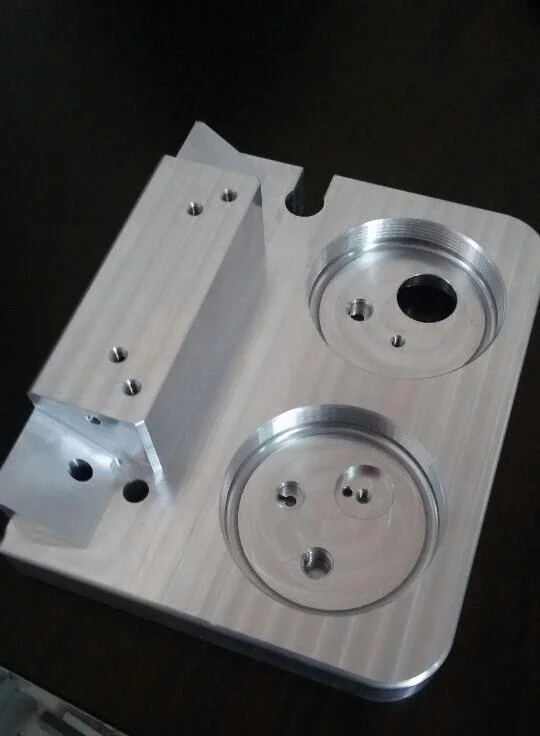
As Machined is the standard finish delivered directly from the CNC machining process. Parts are deburred to remove residual chips and burrs, while sharp edges are chamfered. The typical surface roughness is Ra 3.2 μm.
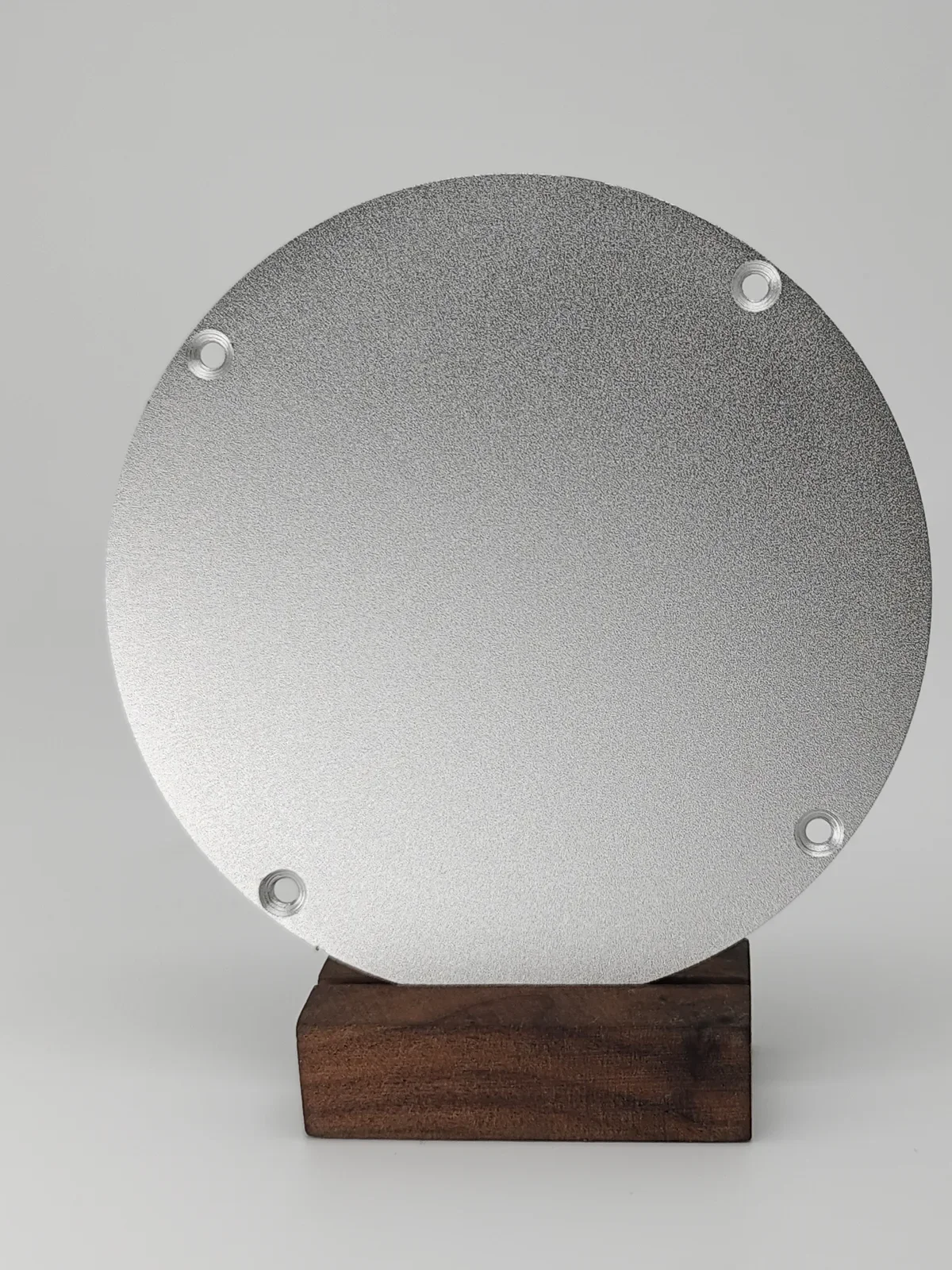
Bead Blasted
Bead blasting is a common surface finishing process for CNC-machined parts. Fine glass beads are blasted onto the surface to remove machining marks and create a uniform matte finish. It is suitable for ABS, aluminum, brass, stainless steel, and steel.
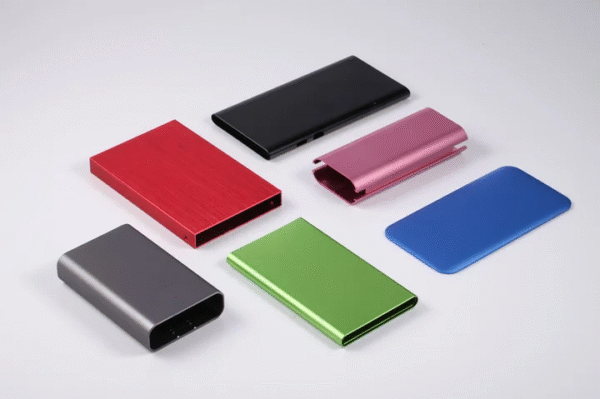
Anodizing
Anodizing is a widely used surface treatment for aluminum and its alloys. It forms a dense oxide layer that enhances surface hardness and corrosion resistance while offering a variety of color options.
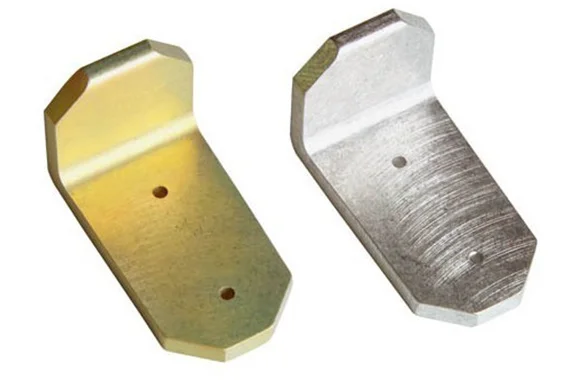
Alodine
Alodine creates a chemical conversion coating on aluminum and aluminum alloys, improving corrosion resistance while providing a distinctive greenish-gold appearance. It is a cost-effective and efficient finishing solution for a wide range of applications.
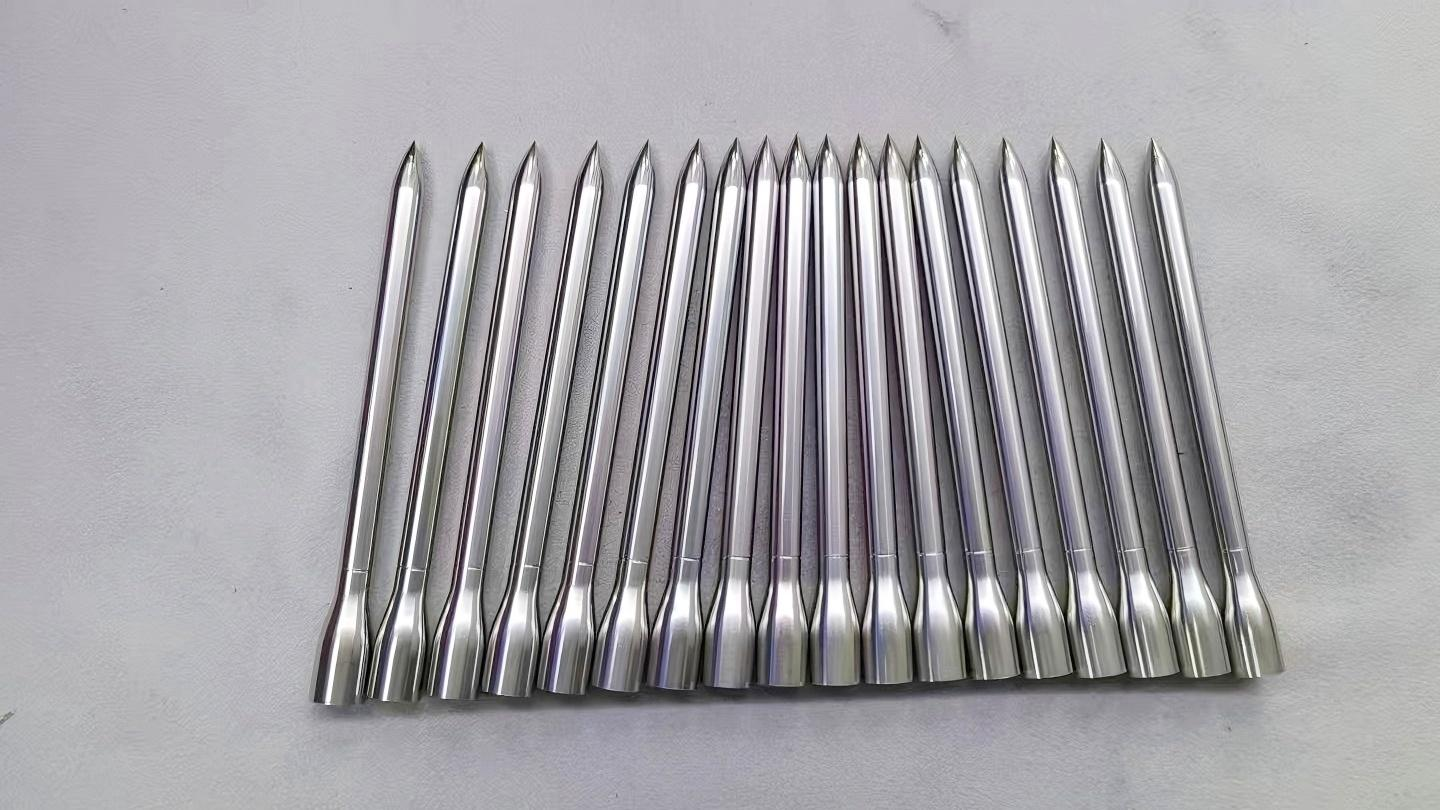
Polishing
Polishing removes minor scratches and surface imperfections from metal parts, creating a smooth and glossy finish while enhancing reflectivity without affecting dimensional accuracy.
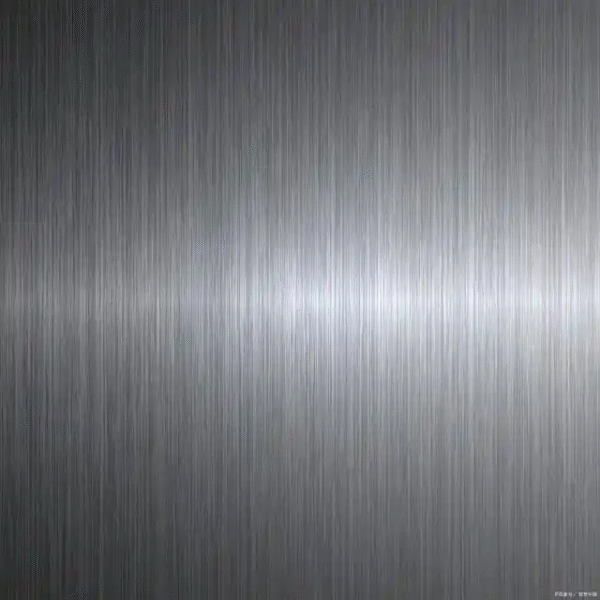
Brushing
Brushing creates a uniform, unidirectional grain pattern on metal surfaces, giving parts a refined satin finish and modern appearance. It is primarily used for aesthetic enhancement and is not recommended for highly corrosive environments.
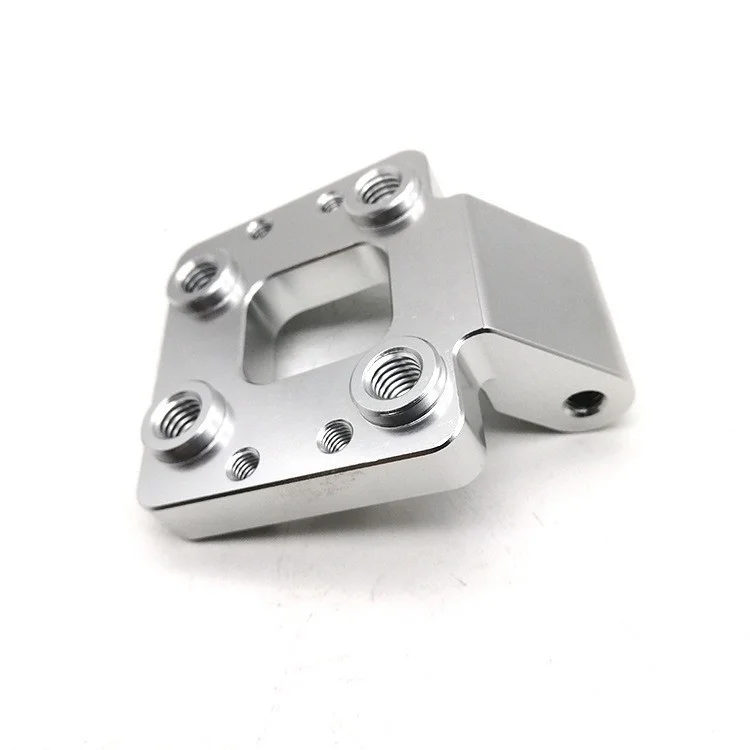
Sanding
Sanding gradually refines the surface texture to create a smooth and glossy finish. It produces a uniform, non-directional appearance, although sharp edges and deep cavities may be difficult to finish consistently.
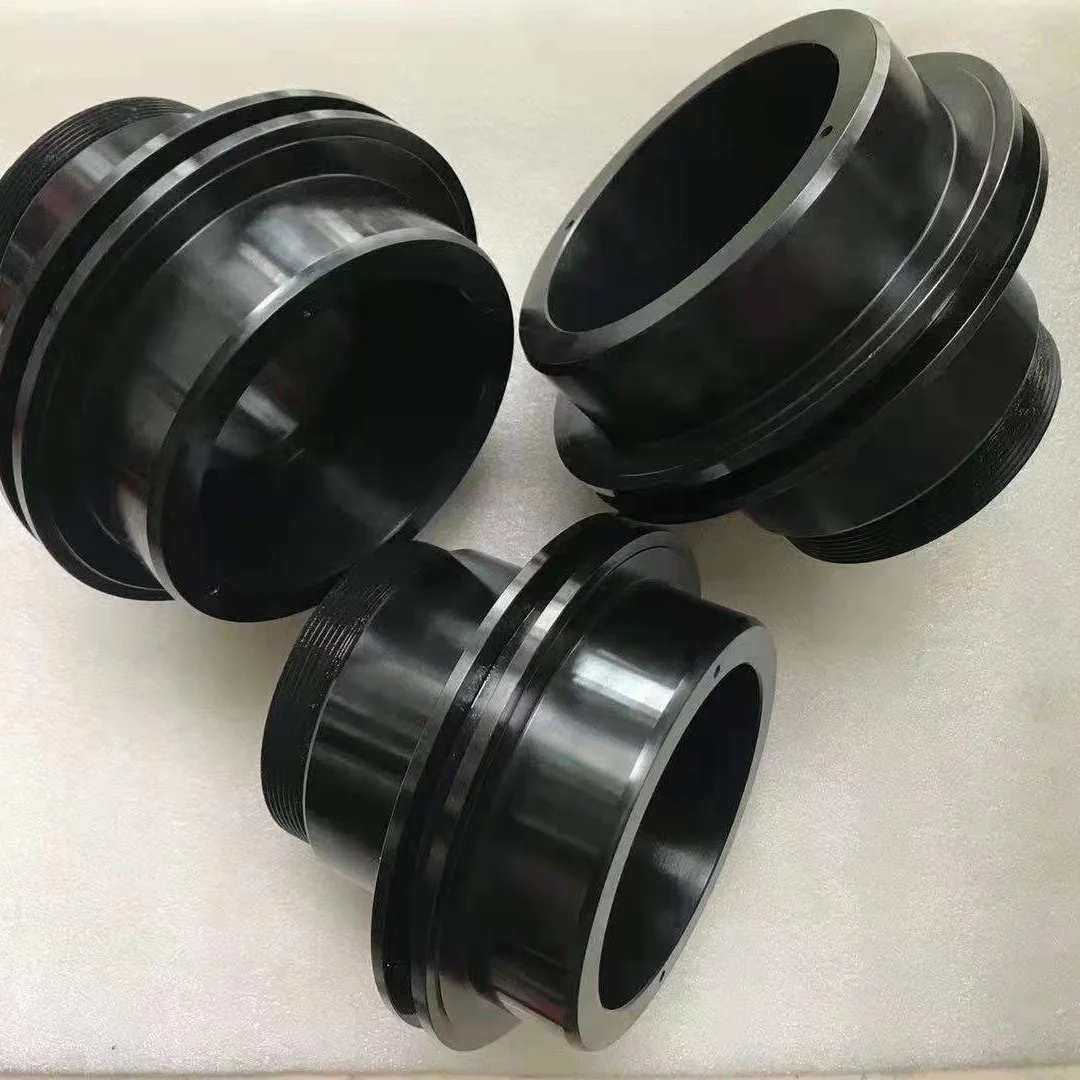
Black-Oxide
Black Oxide creates a stable oxide layer on the metal surface, giving parts a uniform black appearance while reducing surface reflectivity and providing basic corrosion protection.
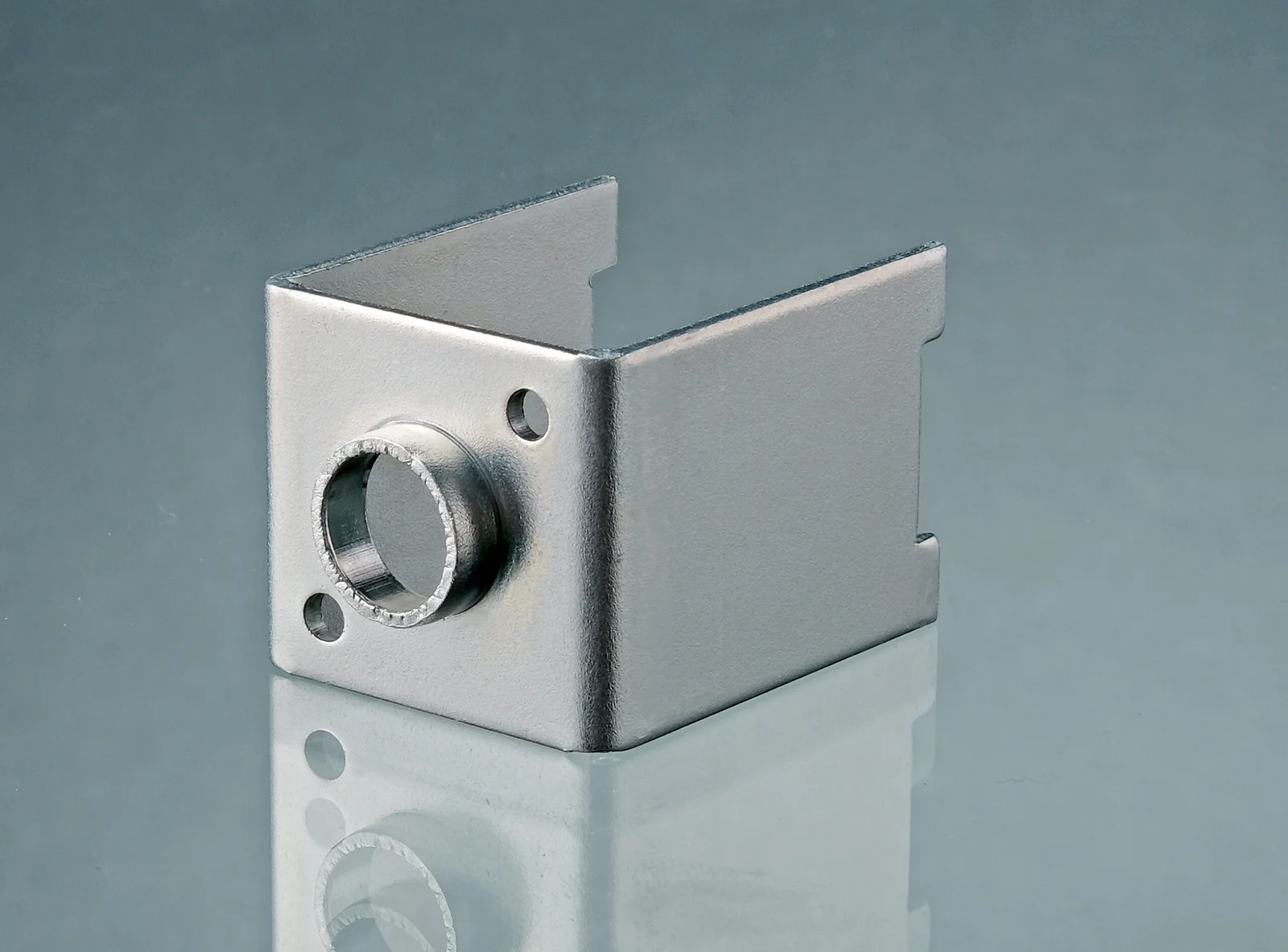
Electroplating
Electroplating applies a uniform metallic coating to the surface of parts, increasing surface hardness while improving corrosion resistance, wear resistance, and overall durability.
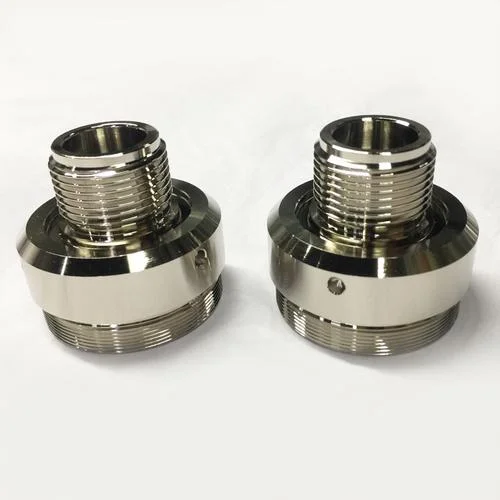
Electroless Nickel Plating
Electroless Nickel Plating deposits a uniform nickel layer through a chemical process without electrolysis. The coating provides excellent hardness, wear resistance, and corrosion protection while delivering a bright metallic appearance.
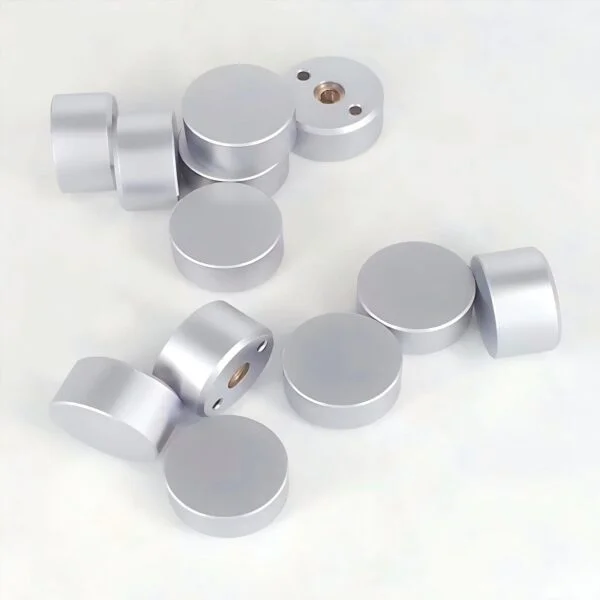
Chrome Plating
Chrome Plating deposits a hard chromium layer on the surface of parts, providing a bright metallic finish while enhancing corrosion resistance, wear resistance, and surface hardness.
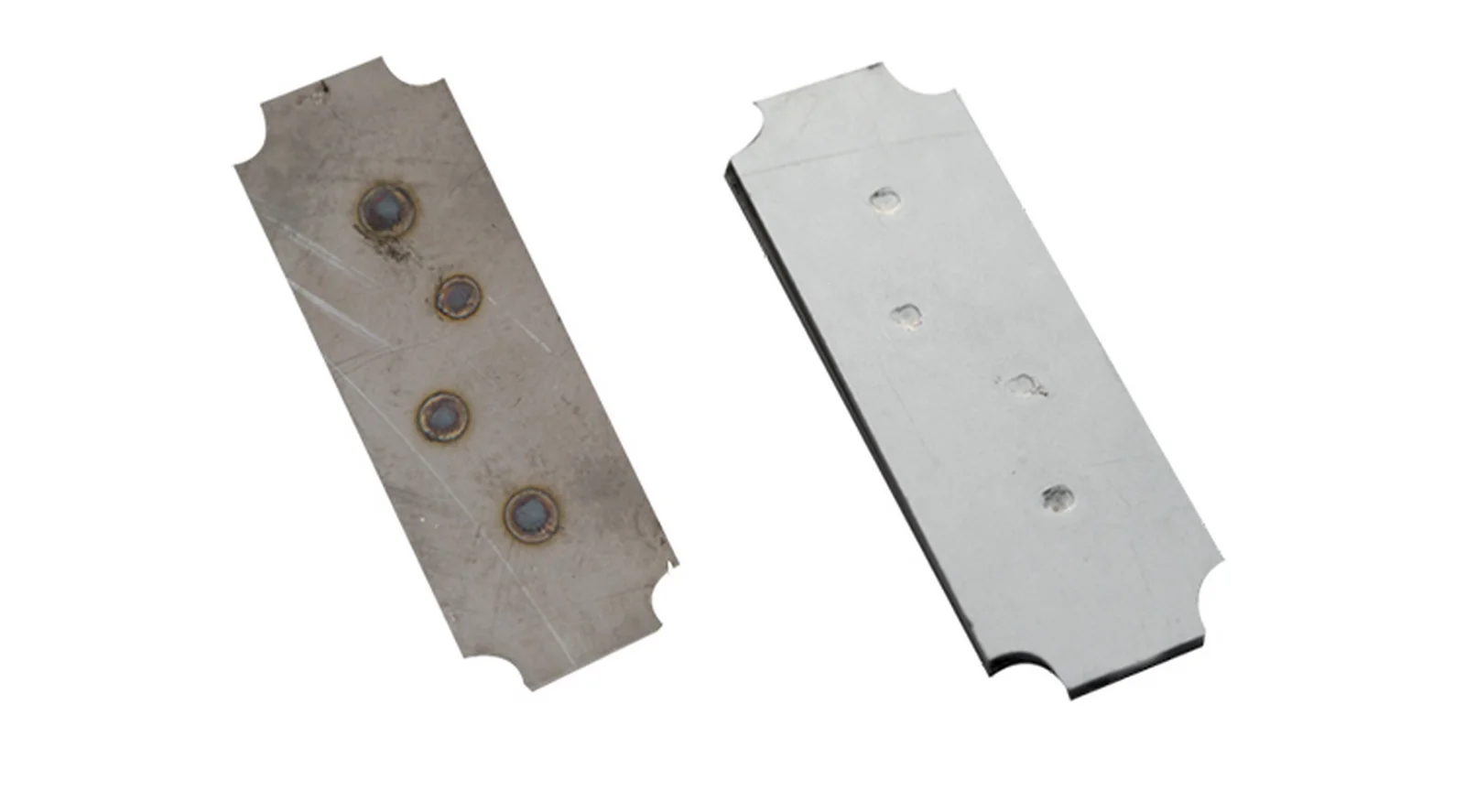
Passivation
Passivation forms a stable protective layer on steel and its alloys, significantly improving corrosion resistance while maintaining the original dimensions and appearance of the material.
What is CNC Milling and How Does it Work?
CNC milling is a subtractive manufacturing process. It starts by fixturing a block of metal or plastic material inside the CNC mill. Using G-code, the CNC machine is programmed to rapidly mill out parts from the block of raw material. Our 3- and 5-axis CNC machines are equipped with various toolsets to maximize efficiency and production speed. Machined plastic parts are left as-milled, which typically means they show visible tool marks. Some metal parts allow more finishing choices like anodizing and chromate plating. When the run is complete and your required surface finish is applied, parts are boxed and shipped shortly thereafter.