Flexible Custom 5-Axis CNC Machining Services
6CProto offers advanced 5-axis CNC machining services capable of producing complex, high-precision components with exceptional surface finishes. This technology enables the accurate machining of intricate geometries and tight-tolerance features, fully meeting demanding design requirements.
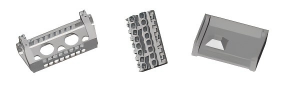





What is 5-axis Machining?
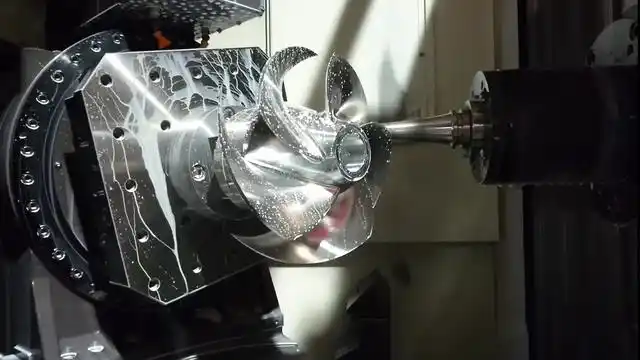
5-Axis CNC machining is an advanced manufacturing process that allows cutting tools to move simultaneously along five different axes. This capability is essential for efficiently producing complex, high-precision parts while minimizing setups and ensuring consistent accuracy. Industries such as aerospace, automotive, and medical device manufacturing rely heavily on 5-axis machining to create intricate components that demand exceptional precision and surface quality.
Key Advantages of Five-Axis CNC:
- Efficient machining of complex parts
- Fewer setups and reduced errors
- Greater accuracy and superior surface finish
- Improved overall productivity
We offer the most comprehensive custom machining service, from prototypes delivered in a single day to complex parts at production volumes. In addition to our vast machining capabilities, our global network offers solutions for larger, more complex parts and tighter tolerances, with most orders quoted instantly.
How to Work With Us
How to Work With Us
Our ordering process
Why Choose 5-Axis Machining with 6CProto
With numerous precision machining providers to choose from, why should you partner with 6CProto? Here are four key reasons that set us apart:
3+2 Axis Machining Vs Simultaneous
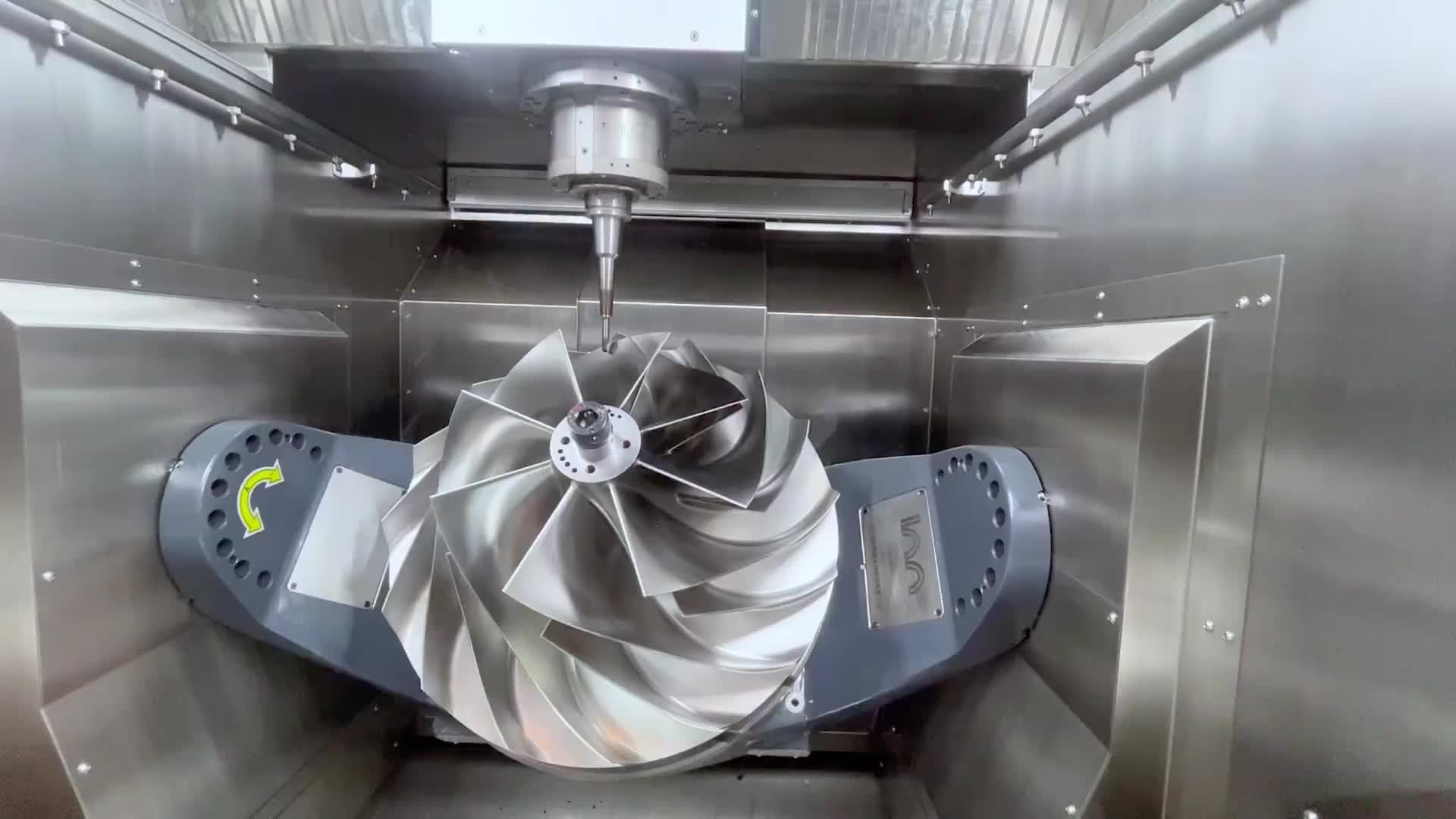
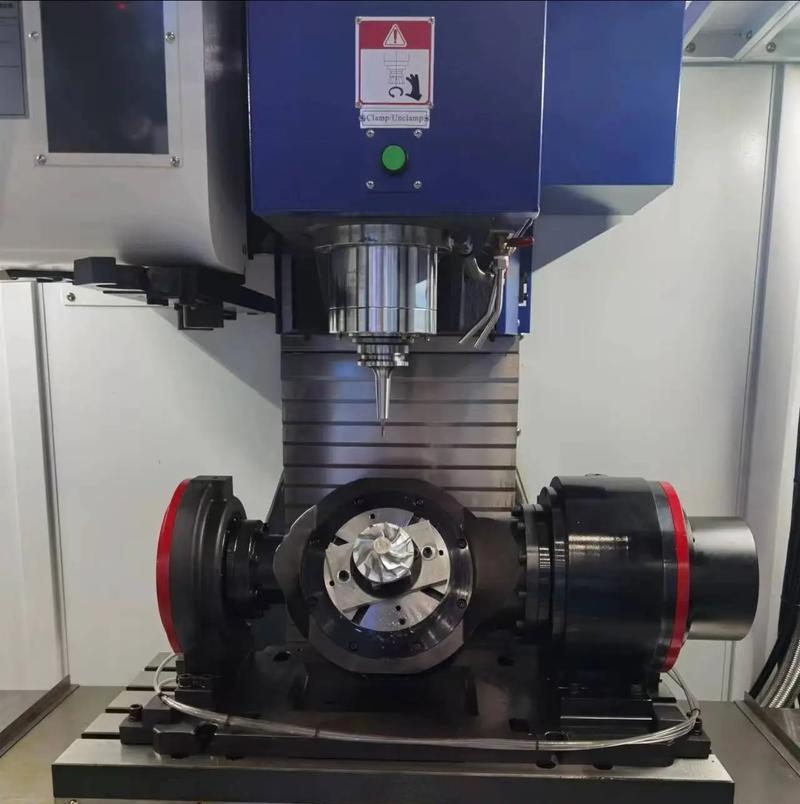
Strictly speaking, 3+2 axis machining also uses five axes, but it differs from true simultaneous 5-axis machining. In 3+2 machining, the cutting tool is positioned using two rotary axes before the three linear axes perform the cutting. In contrast, simultaneous 5-axis machining moves all five axes at once, allowing for faster production and superior surface quality on complex, contoured parts.
Feature
Simultaneous 5-Axis Machining
3+2 Axis Machining
Movement
Simultaneous 5-axis machining continuously moves all axes, allowing the cutting tool to glide smoothly between passes for faster, more efficient production.
In 3+2 axis machining, the cutting tool moves along the X, Y, and Z axes while the fourth and fifth axes adjust to a fixed angle. Although this method can be slower than simultaneous five-axis CNC, it improves part rigidity and extends tool life.
Suitable Parts
Highly complex parts with continuous surfaces and high precision
Complex parts with limited continuous surfaces
Efficiency
Multiple setups often required
Most operations completed in a single setup, faster production
Surface Quality
Produces smoother finishes with fewer tool marks
May require additional finishing due to repositioning
Tool Load & Life
Optimized cutting angles reduce vibration, extend tool life
Cutting force concentrated due to fixed angles
Cost
Higher initial cost, ideal for high-precision and complex parts
Relatively lower, suitable for moderately complex parts
Quality Assurance
| Driven by excellence, we embed quality into every detail—from advanced tools to rigorous standards. We ensure consistent, outstanding quality. | |||||
|---|---|---|---|---|---|
| 1 | Advanced Inspection Equipment | ||||
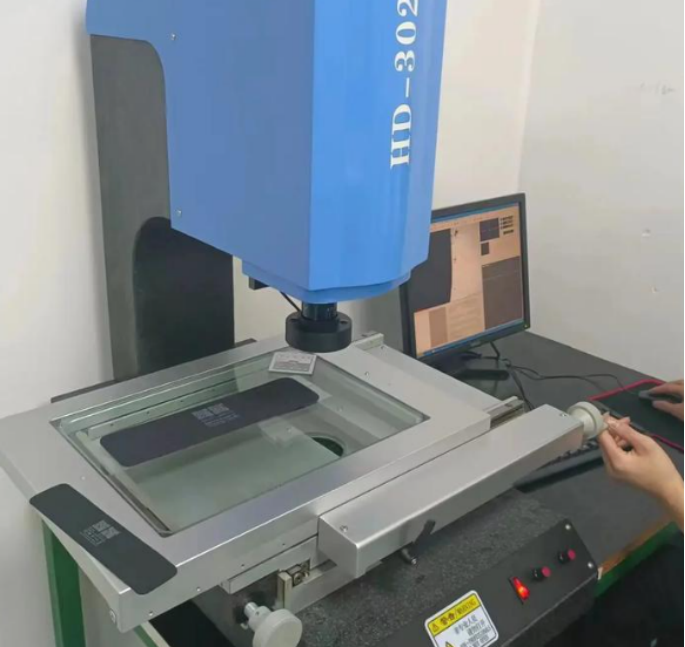
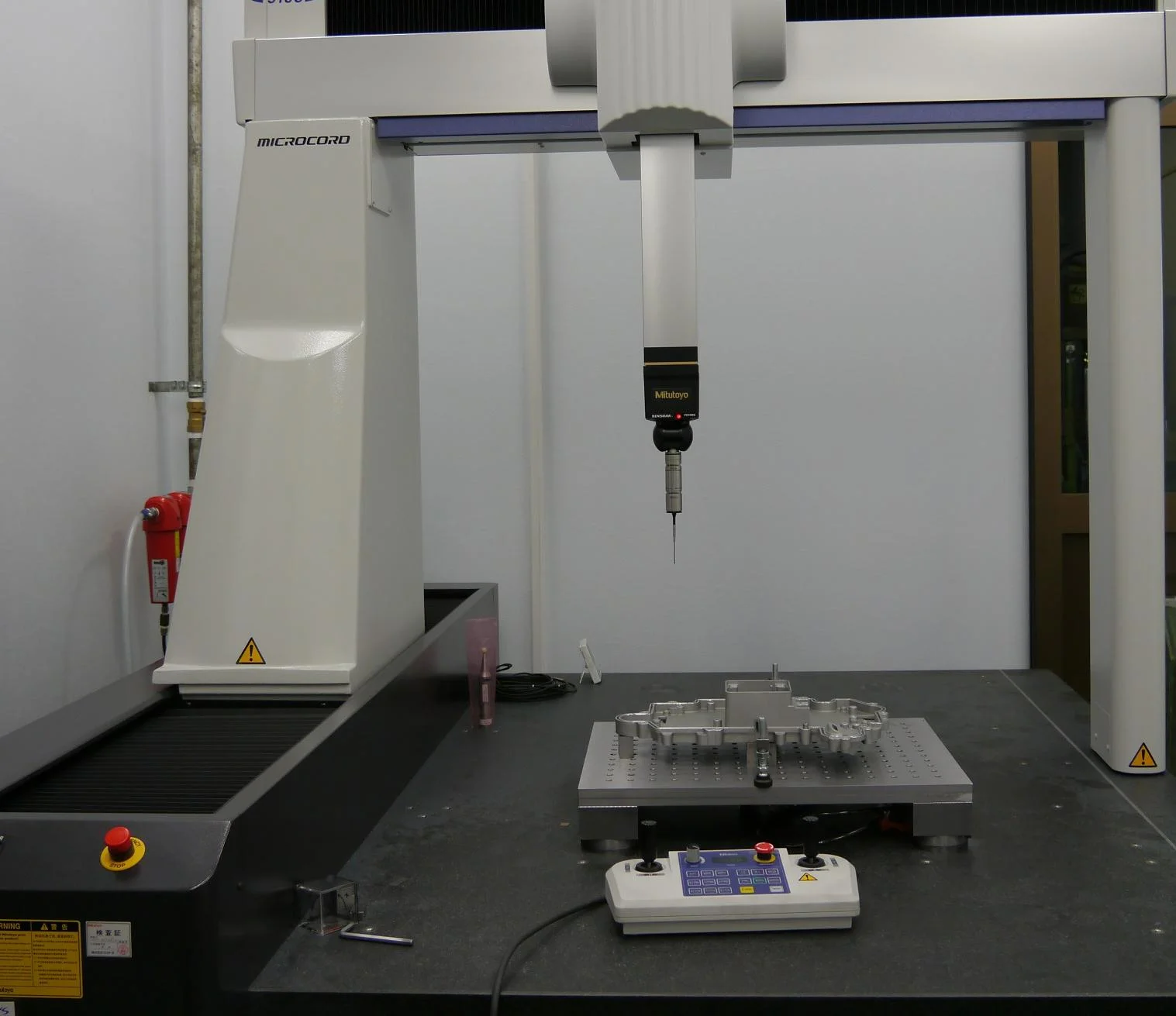
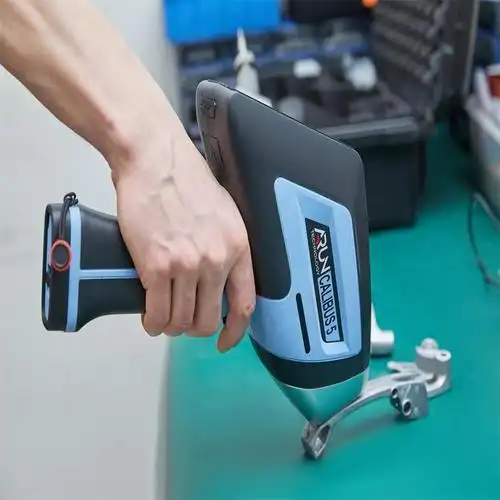
| We employ professional inspection equipment for precise measurement and validation. A spectrometer analyzes metal composition, a 2.5D measuring instrument verifies detailed features, a coordinate measuring machine (CMM) inspects complex three-dimensional structures, and height gauges ensure the accuracy of fundamental dimensions. | |||||
| 2 | Strict quality management system | ||||
| From first article inspection to in-process checks and final pre-shipment testing, every stage is governed by a rigorous management system to ensure consistent quality. | |||||
| IQC(Incoming Quality Control) | FAI (First Article Inspection) | ||||
| IPQC(In-Process Quality Control) | CMM inspection report | ||||
| FQC(Final Quality Control) | DIR(Dimensional Inspection Report ) | ||||
| OQC(Outgoing Quality Control) | CAR(Corrective and Preventive Action Report) | ||||
| Material Certificates | ISO 9001 | ||||
Materials Used in 5-Axis CNC Projects
Beyond a well-designed engineering plan, choosing the right material can significantly reduce overall costs. 6CProto offers a wide range of material options to suit different project needs. If you need guidance in selecting the most suitable material for your 5-axis CNC project, feel free to contact us—our experts are here to help!
Metal
Inconel
Inconel Superalloy Materials

Magnesium
Magnesium & Magnesium Alloy Materials
Titanium
Titanium

Low-Carbon Steel
Low-Carbon (Mild) Steel Material

Stainless Steel
Stainless Steel Material & Alloys
Copper
Copper Material
Copper is a metal that is corrosion-resistant, extremely electrically conductive, and highly ductile. Its glossy orange-red appearance is instantly recognizable, and the metal remains aesthetically appealing even during its natural oxidation process—where environmental reactions form a bluish-green coating known as patina. However, it should be noted that copper’s weldability is generally considered moderate to poor.

Brass
Brass Material & Brass Alloys
Explore 6CProto’s brass materials—offering excellent machinability, corrosion resistance, and attractive appearance. Ideal for hardware, plumbing, decorative, electrical, and industrial applications.
Brass is an alloy composed of copper and zinc, with a golden color and excellent weather and corrosion resistance. Its tensile strength is comparable to that of mild steel. In addition, brass has good machinability and is easy to work with, allowing for high feed rates and minimal reliance on coolant.

Plastic
PC+ABS
PC/ABS (Polycarbonate‑ABS Blend) Plastic Material
PC+ABS is a blend-modified material that combines the advantages of both materials. It not only inherits the high impact resistance of PC but also the material strength of ABS, while improving its heat resistance. It is often used in electronic product casings, automotive interiors, consumer products, and more.

CPVC
CPVC (Chlorinated Polyvinyl Chloride) Plastic Material
CPVC (Chlorinated Polyvinyl Chloride) is a modified form of PVC, with enhanced thermal stability, mechanical properties, and chemical resistance. These upgraded characteristics make CPVC an excellent choice for applications in high-temperature and corrosive environments where ordinary PVC would fail.
PC+GF
PC+GF(Glass‑Fiber Reinforced Polycarbonate) Material
PC+GF (polycarbonate + glass fiber reinforced composite material) is a reinforced engineering plastic made by adding glass fiber (abbreviated as GF) to a polycarbonate (PC) matrix. The addition of glass fiber can significantly improve the mechanical properties and stability of pure PC while retaining some of PC’s excellent inherent properties, making it suitable for scenarios with high requirements for strength, rigidity, and dimensional accuracy. It features high strength, high rigidity, and heat resistance, and is ideal for automotive parts, electrical enclosures, and structural components.
PEI
PEI (Polyetherimide) Engineering Material
PEI (polyetherimide) is a high-performance thermoplastic known for excellent heat resistance, mechanical strength, and chemical stability. It is widely used in demanding applications across aerospace, electronics, medical, and industrial fields.
PTFE
PTFE
Polytetrafluoroethylene (PTFE), commonly known as Teflon, is a high-performance fluoropolymer. It is frequently used in mechanical components requiring reduced friction and wear—such as bearings, gears, and piston rings—due to its non-stick properties, low friction characteristics, and self-lubricating capabilities. PTFE also exhibits excellent electrical insulation properties, making it highly suitable for applications like high-frequency cables, high-voltage insulators, and electronic components.
Additionally, PTFE maintains stable performance during long-term use across an extreme temperature range from -200°C (ultra-low temperature) to 260°C (high temperature), enabling its use in harsh environments such as aerospace systems, deep-sea equipment, and high-temperature industrial apparatus.
LDPE
LDPE
Low-Density Polyethylene (LDPE) is lighter than water, soft and tough, with excellent acid and alkali resistance as well as electrical insulation properties. It is widely used in fields such as packaging, agriculture, electronics, and daily necessities.
PP
PP (Polypropylene) Engineering Material
Polypropylene (PP) is a well-balanced thermoplastic characterized by lightweight material, excellent chemical resistance, and good flexibility. Owing to these properties, it finds wide application in fields such as packaging, household appliances, automotive, daily necessities, and medical devices.
PET
PET
PET (polyethylene terephthalate) is a common thermoplastic polyester with excellent mechanical properties and strong chemical resistance. It also offers glass-like transparency and luster, with a high light transmittance of about 88–92%, and is widely used in beverage bottles, food packaging, and engineering plastics.
PVC
PVC (Polyvinyl Chloride) Plastic Material
Polyvinyl chloride (PVC) is a widely used thermoplastic polymer material characterized by excellent mechanical properties, outstanding corrosion resistance, and superior electrical insulation performance. By incorporating various additives, it can be tailored to meet customized requirements. Owing to its unique combination of properties, PVC finds extensive applications in fields such as construction, industry, packaging, and healthcare.

PC
PC (Polycarbonate) Engineering Material
PC (polycarbonate) is a versatile engineering plastic known for its high impact resistance, optical transparency, and good thermal stability. It combines toughness, heat resistance, and aesthetic clarity, making it suitable for a wide array of applications.
PMMA (Acrylic)
PMMA (Acrylic) Engineering Material
Acrylic (also known as polymethyl methacrylate, PMMA) boasts not only excellent optical performance but also outstanding UV resistance. With a light transmittance of up to 92%—comparable to glass—it has become a popular material in scenarios ranging from neon signs in shopping malls and display case panels in museums to precision optical lenses and stage light covers.

PEEK
PEEK (Polyetheretherketone) Engineering Material
PEEK (polyetheretherketone) is a premium thermoplastic widely recognized for its exceptional thermal stability, mechanical strength, chemical resistance, dimensional stability, and in many cases biocompatibility and electrical insulation. It is used in extreme environments like aerospace, medical implants, electronics, and semiconductor industries.

Nylon
Nylon (Polyamide) Engineering Material
Nylon (polyamide) is a versatile engineering thermoplastic known for its high strength, excellent wear resistance, good chemical stability, and toughness. It is widely used across industries for gears, bearings, bushings, automotive components, industrial parts, and more.
Its ease of machining, coupled with its chemical resistance, also makes it suitable for applications in the automotive, aerospace, and medical industries. With its remarkable combination of properties, nylon stands out as a versatile and reliable material for a diverse range of CNC machining applications.

POM
POM (Polyoxymethylene / Acetal) Engineering Material
POM (polyoxymethylene), also known as acetal, is a high‑performance engineering thermoplastic valued for its rigidity, low friction, excellent wear resistance, and good dimensional stability. It is often used in precision mechanical parts that require durable, low‑maintenance performance.
HIPS
HIPS (High Impact Polystyrene) Material
HIPS, or High Impact Polystyrene, is a modified polystyrene polymer enhanced with rubber modifiers (usually polybutadiene) to improve toughness and durability. The result is a rigid yet impact-resistant thermoplastic that retains good processability, making it popular in prototyping, manufacturing, and consumer products.
HIPS combines the stiffness of polystyrene with improved impact performance, offering a cost-effective balance of mechanical and processing properties.
HDPE
HDPE (High-Density Polyethylene) Material
High-Density Polyethylene (HDPE) is a thermoplastic polymer with high strength-to-density ratio, known for durability, chemical resistance, and ease of processing. As a semi-crystalline plastic, it offers excellent impact performance, low moisture uptake, and good machinability — making it a popular choice in industrial, chemical, packaging, and structural applications. It is great for applications such as orthotic and prosthetic devices, water storage, and tanks.

Trunnion vs.Swivel-Rotate:Comparing 5-Axis Machine styles
5 axis CNC machines can have different configurations. All have spindles thattravel along the X, Y and Z axes, but machines can add the two “extra” axes indifferent ways, The most common types of 5-axis CNC machine are trunnion-style machines and swivel-rotate-style machines, Some machines combinefeatures of both.
Trunnion Style 5-Axis Machine
Swivel Rotate Style 5-Axis Machine
Workpiece Movement
Moving table (tilts and rotates)
Stationary table, moving spindle
Axis Configuration
A-Axis (tilt), C-Axis (rotate)
B-Axis (tilt), C-Axis (rotate)
Tool Length
Requires longer tools
Uses shorter tools
Machining stability
Moderate (depends on table weight limit)
High (stable table, reduced vibration)
Surface Finish and Post-Processing Options
As machined
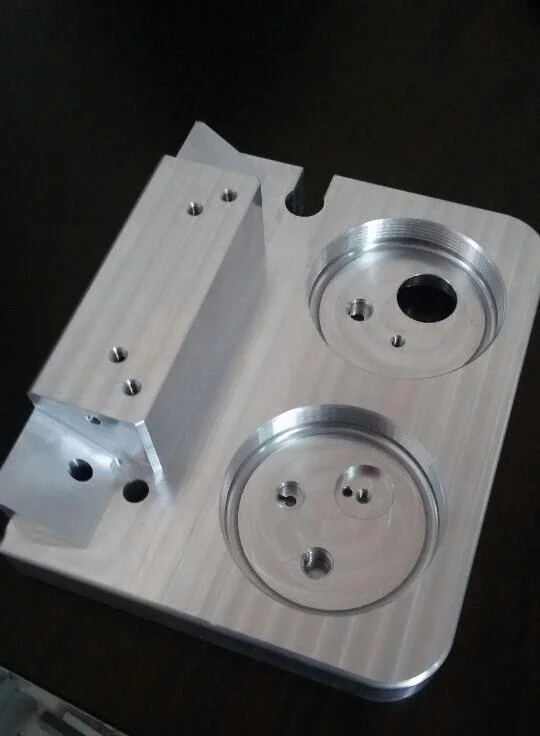
As Machined is the most cost-effective finish for CNC-machined parts, requiring no additional surface treatment. Burrs, machining residues, and sharp edges are removed, with a typical surface roughness of Ra 3.2 μm.
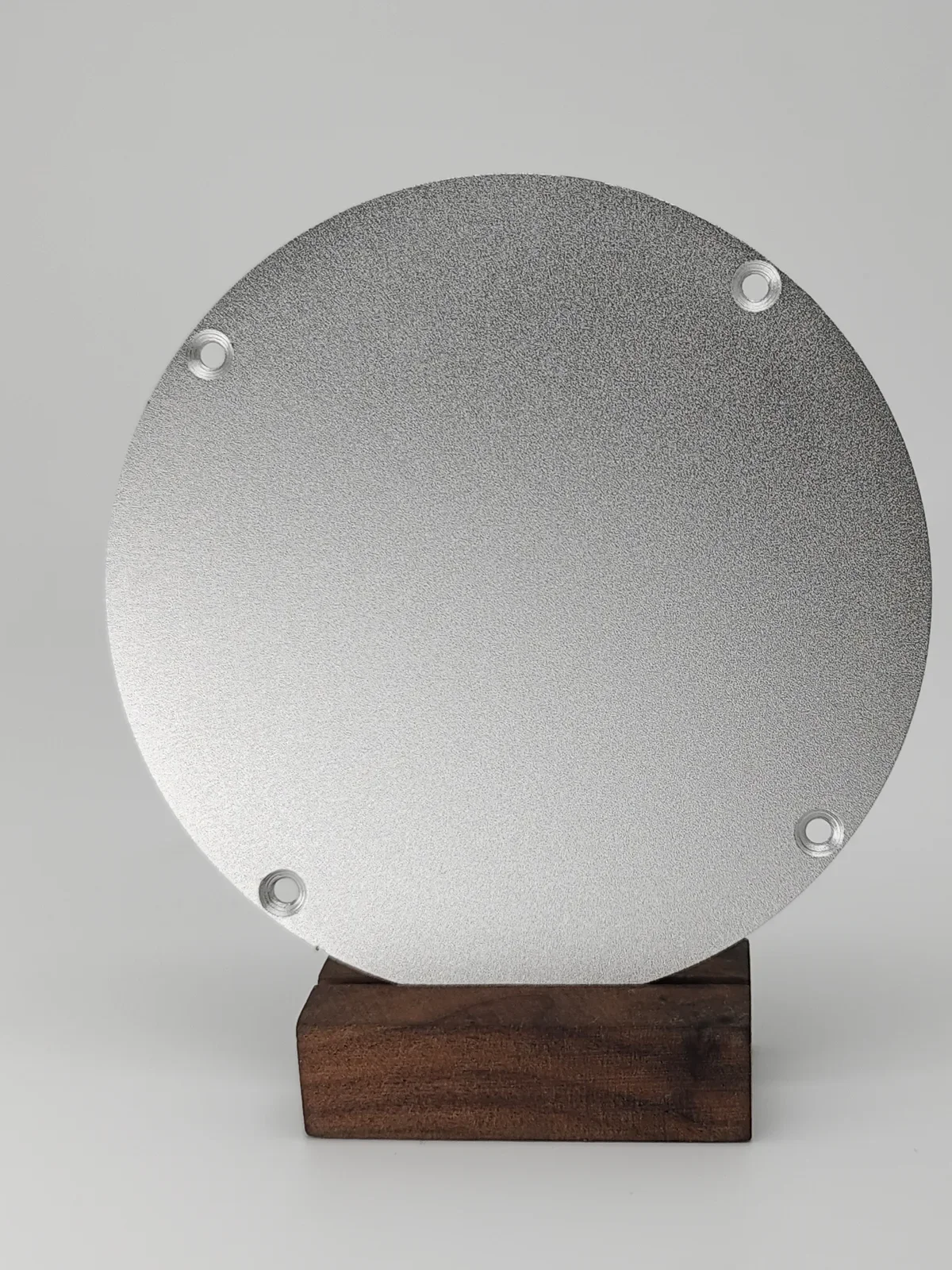
Bead Blasted
Bead blasting uses fine glass beads to uniformly treat CNC-machined surfaces, reducing visible machining marks and improving surface texture. This finish is widely used for ABS, aluminum, brass, stainless steel, and steel components.
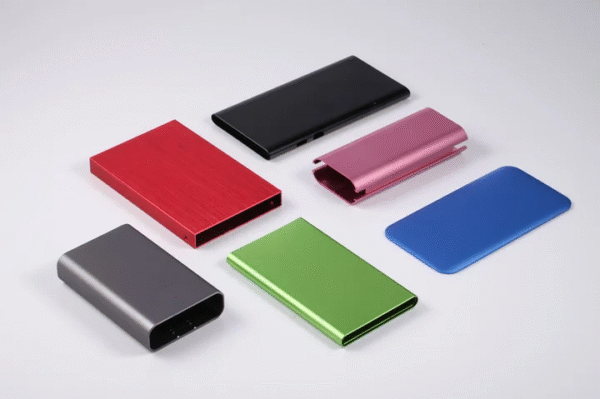
Anodizing
Anodizing gives aluminum parts a uniform and attractive appearance while significantly enhancing surface strength and corrosion protection, combining aesthetics with functionality.
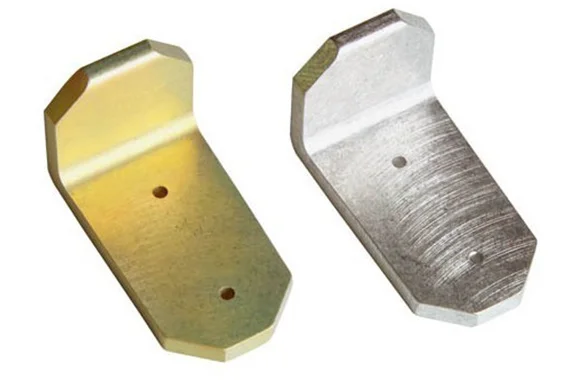
Alodine
Alodine quickly forms a protective coating on aluminum parts, improving corrosion resistance without significantly increasing production costs while delivering a unique greenish-gold appearance.
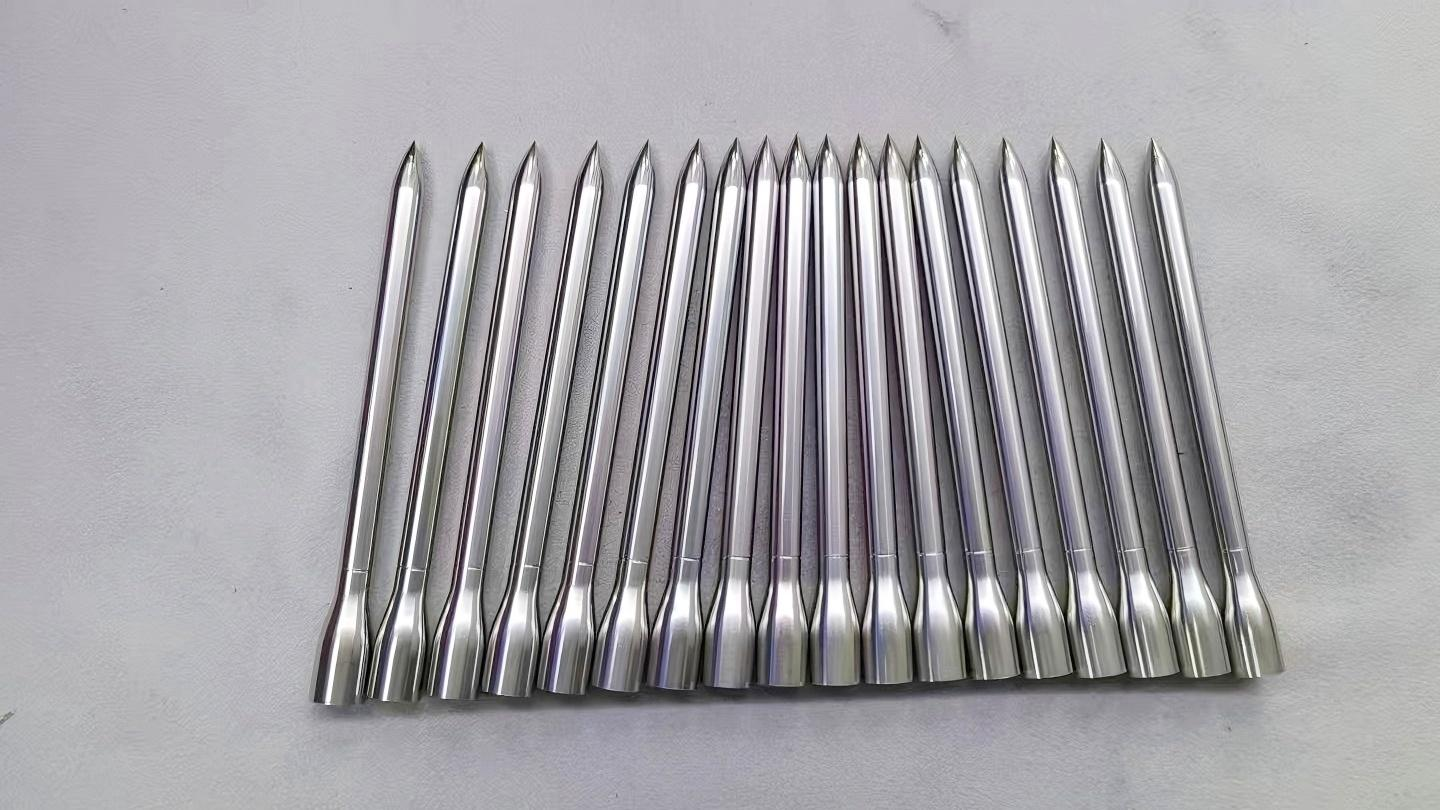
Polishing
Polishing improves surface smoothness and finish quality, increasing reflectivity while maintaining the original dimensions and tolerances of the part.
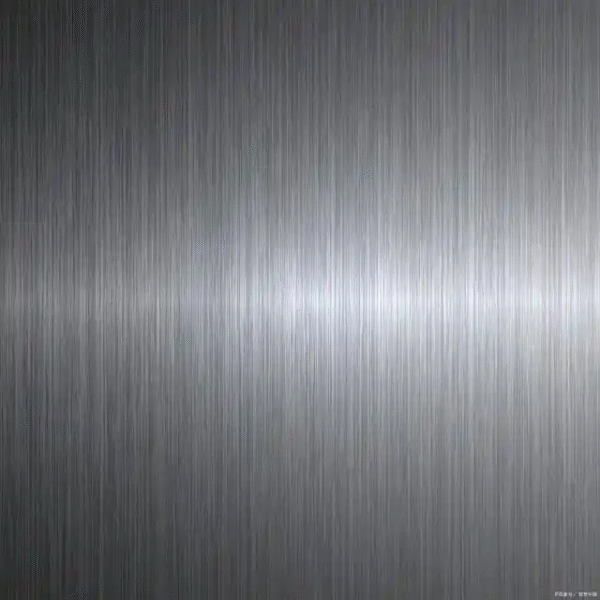
Brushing
Brushing produces consistent directional lines that help mask minor surface imperfections while creating an even satin finish. This treatment focuses on appearance rather than corrosion protection.
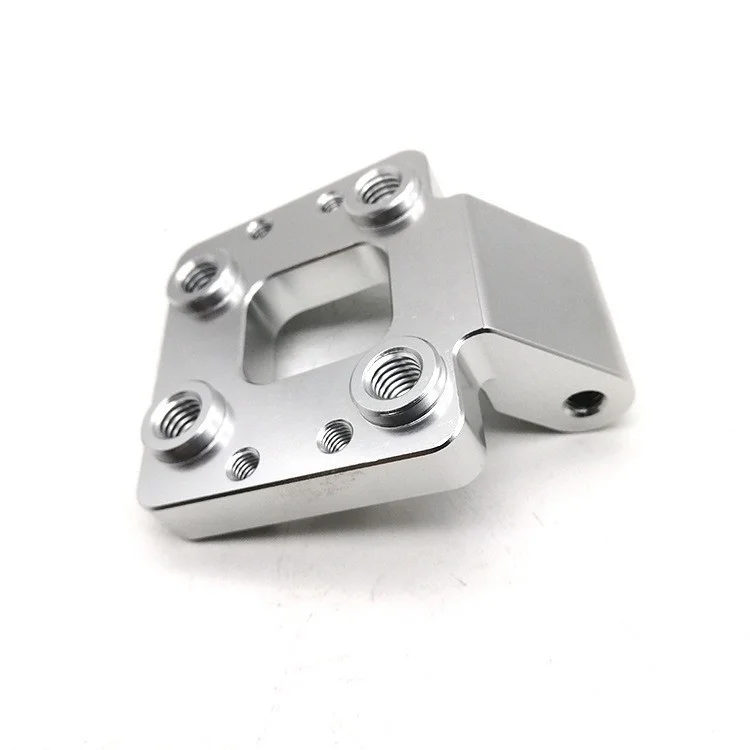
Sanding
Fine sanding produces a smooth surface with enhanced reflectivity while reducing the visibility of machining marks. However, deep recesses and sharp corners can be challenging to process effectively.
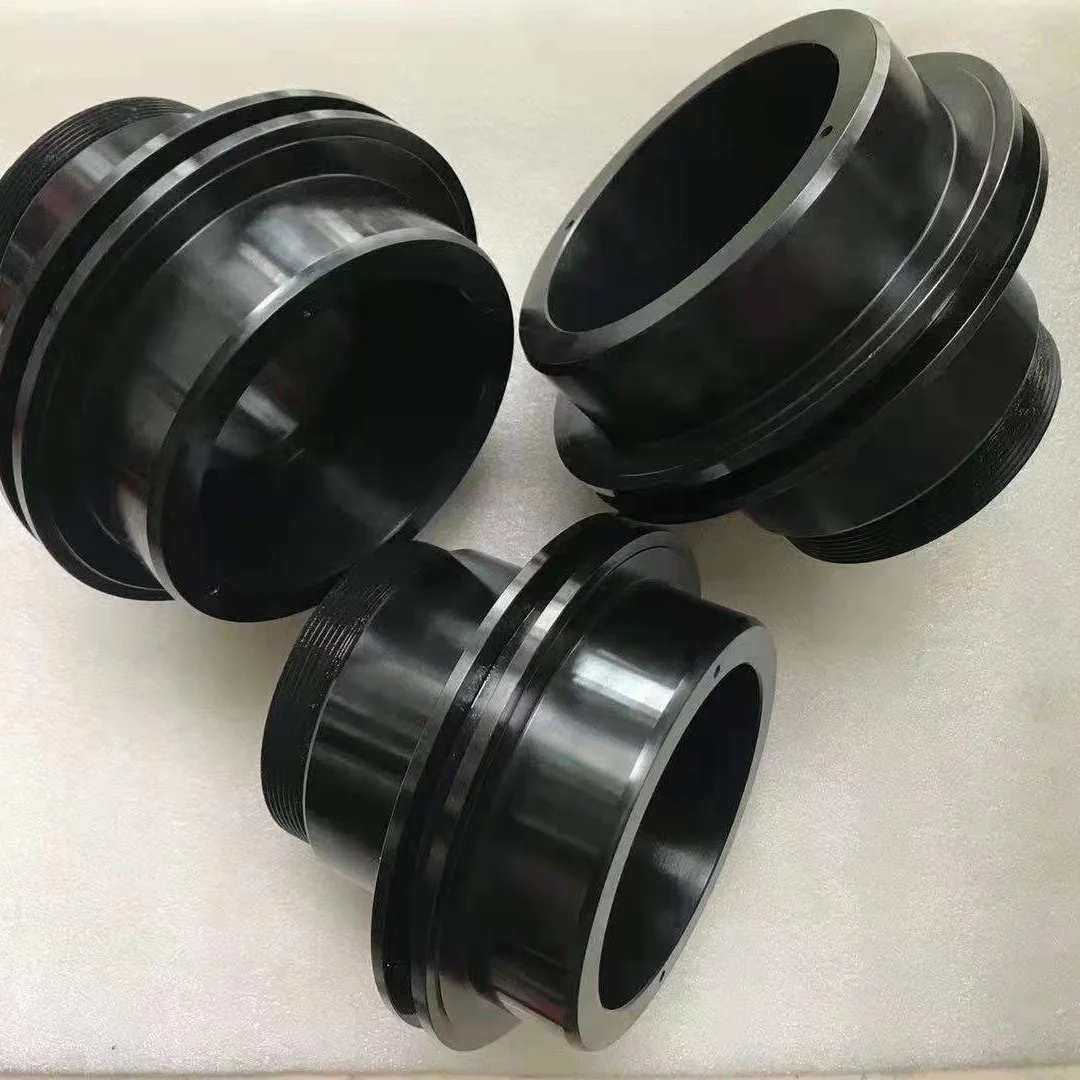
Black-Oxide
Black Oxide forms a dense protective layer on metal surfaces, reducing glare while improving corrosion resistance and extending part life in general service environments.
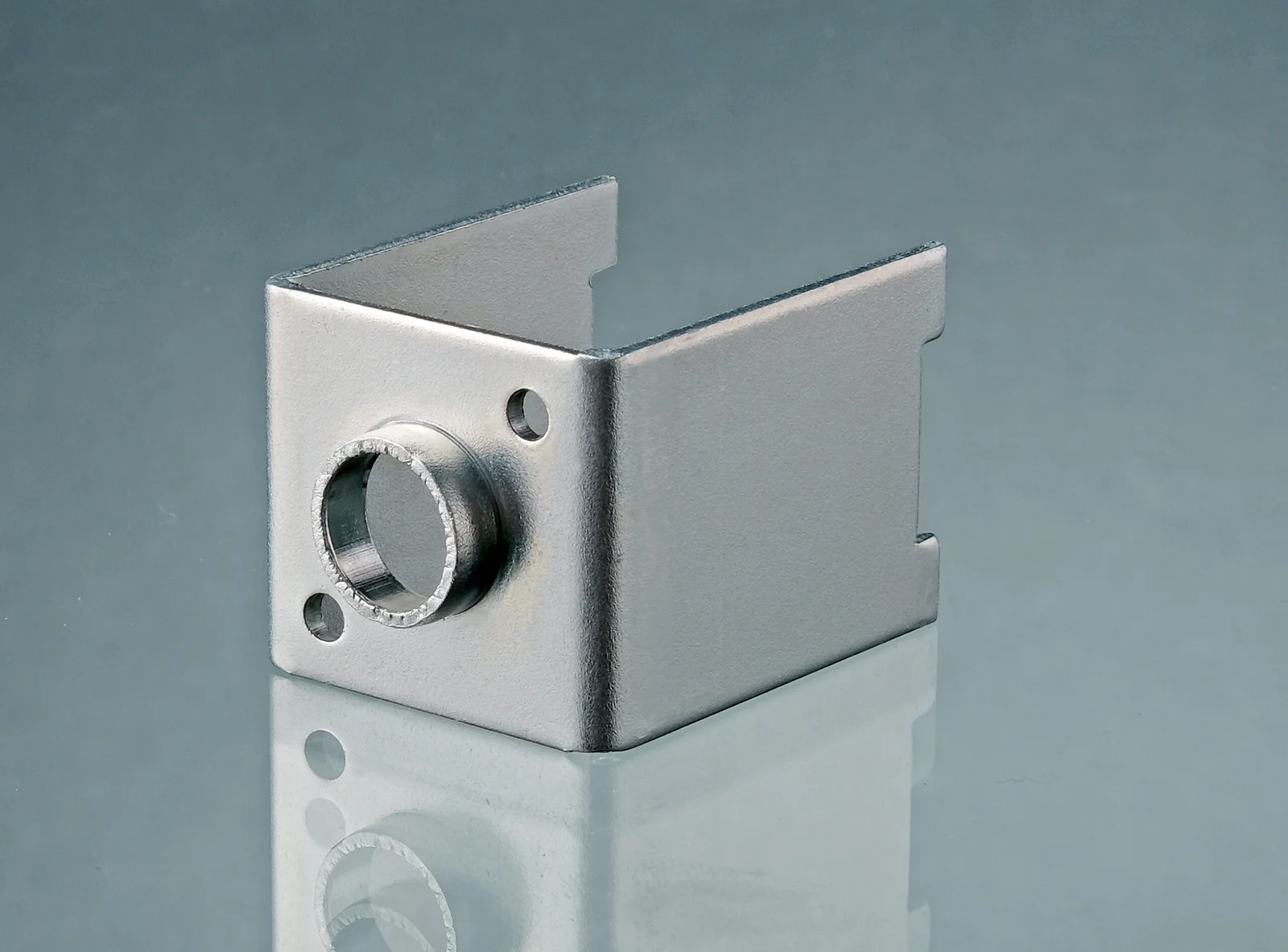
Electroplating
Electroplating enhances surface hardness and wear resistance while improving the appearance of parts, making it suitable for applications that require both performance and aesthetics.
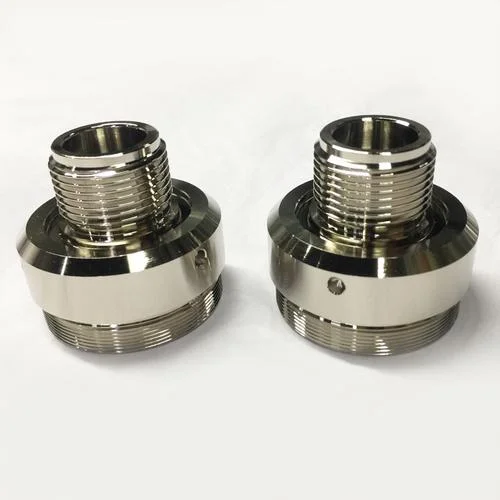
Electroless Nickel Plating
Electroless Nickel Plating provides a high-hardness, low-friction surface that significantly improves wear resistance, abrasion resistance, and long-term corrosion protection.
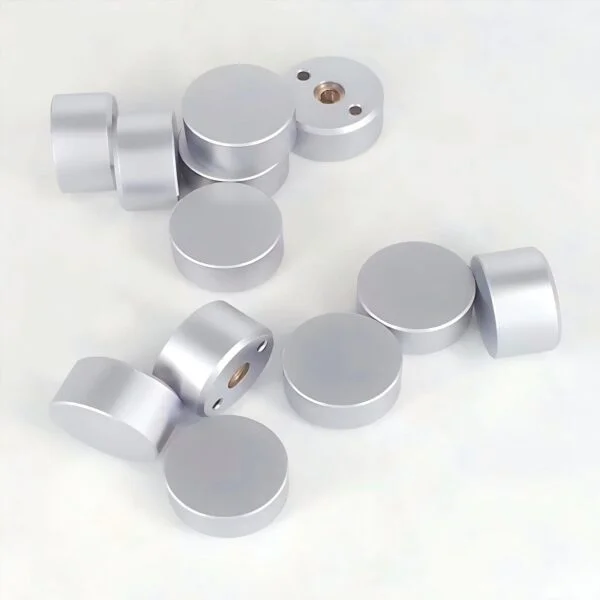
Chrome Plating
Chrome Plating increases surface hardness and wear resistance, helping reduce wear and extend service life while maintaining an attractive decorative finish.
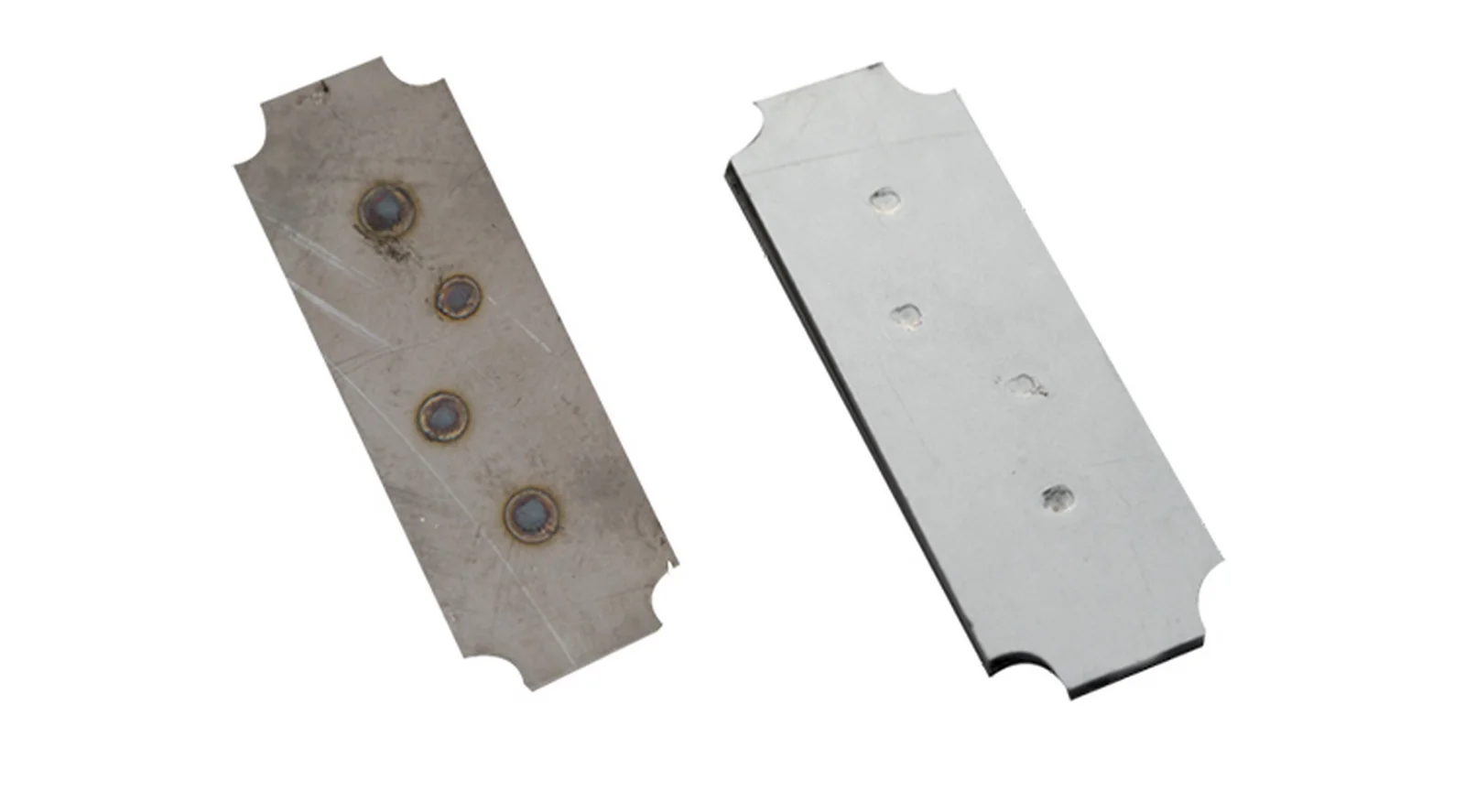
Passivation
Passivation improves the rust and corrosion resistance of steel and its alloys, helping parts maintain long-term performance in humid or demanding environments.
CNC Machining for Various Industrial Applications



Consumer Electronics
Prototyping and on-demand production of consumer electronics products.