










Here are the main rapid prototyping technologies we offer
Rapid CNC Machining
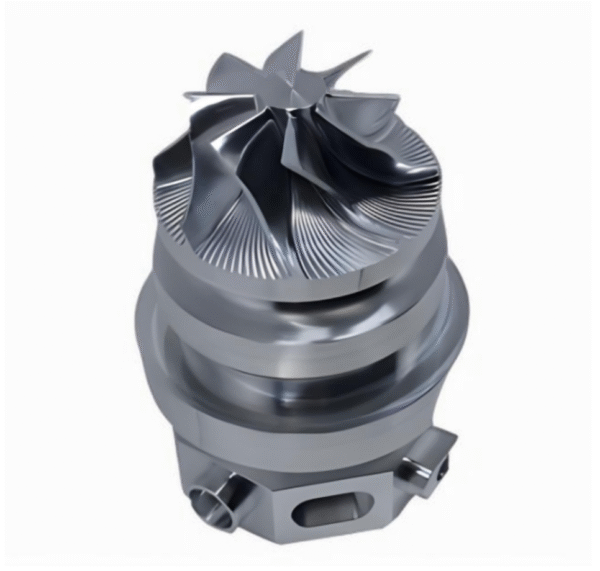
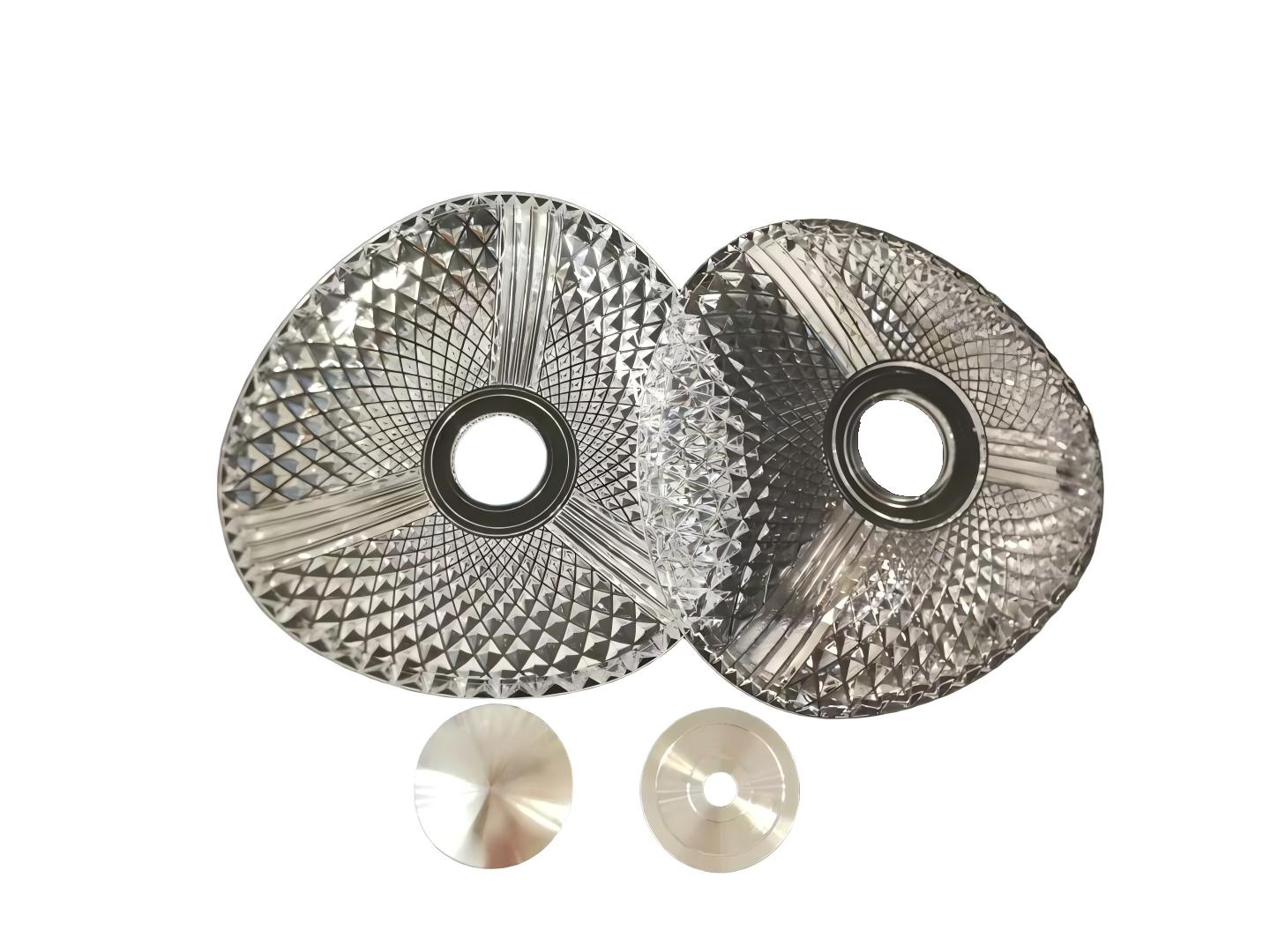
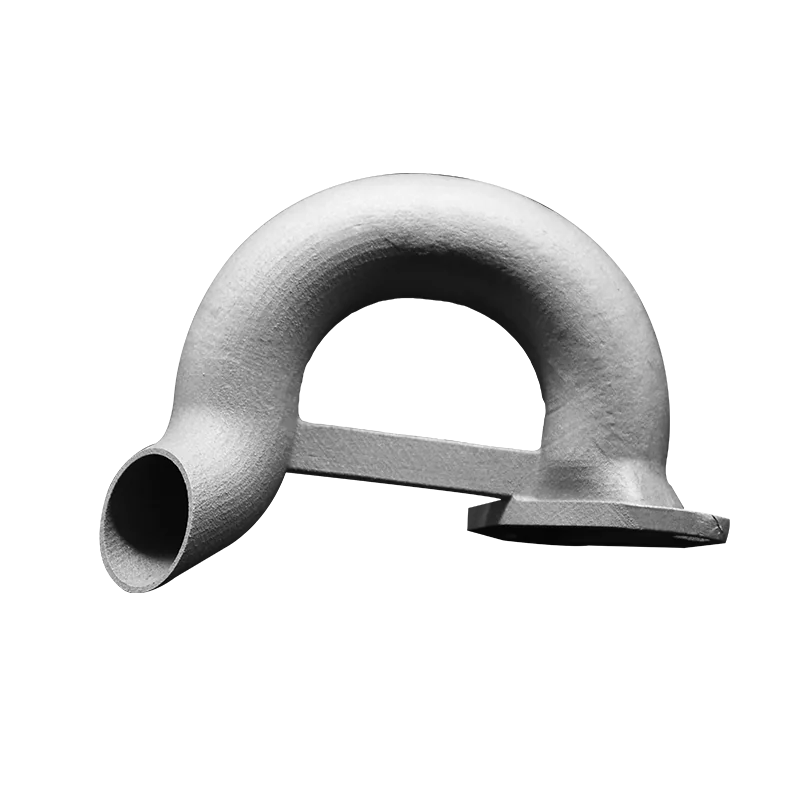
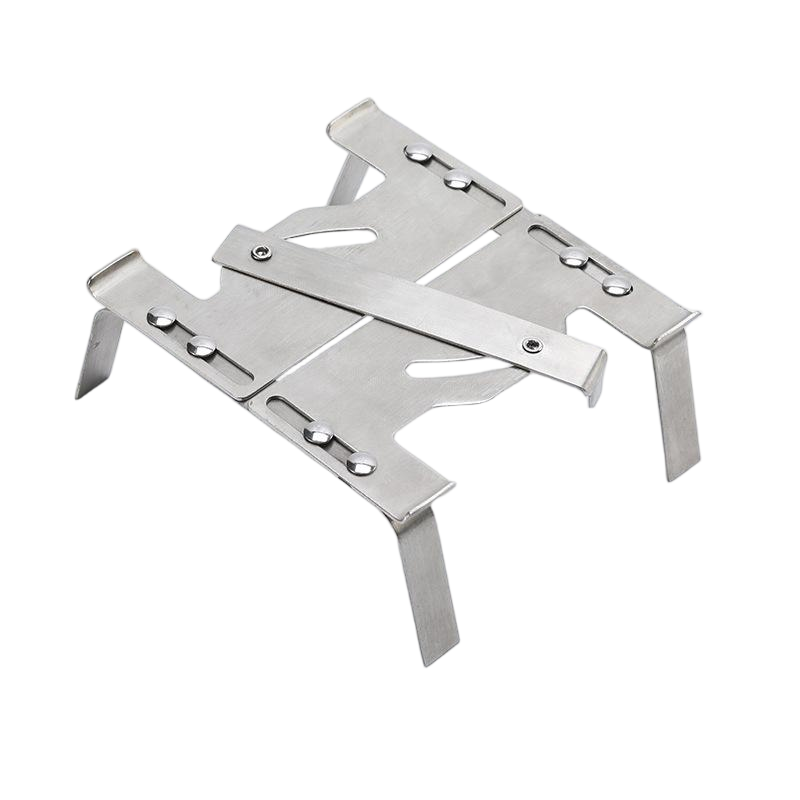
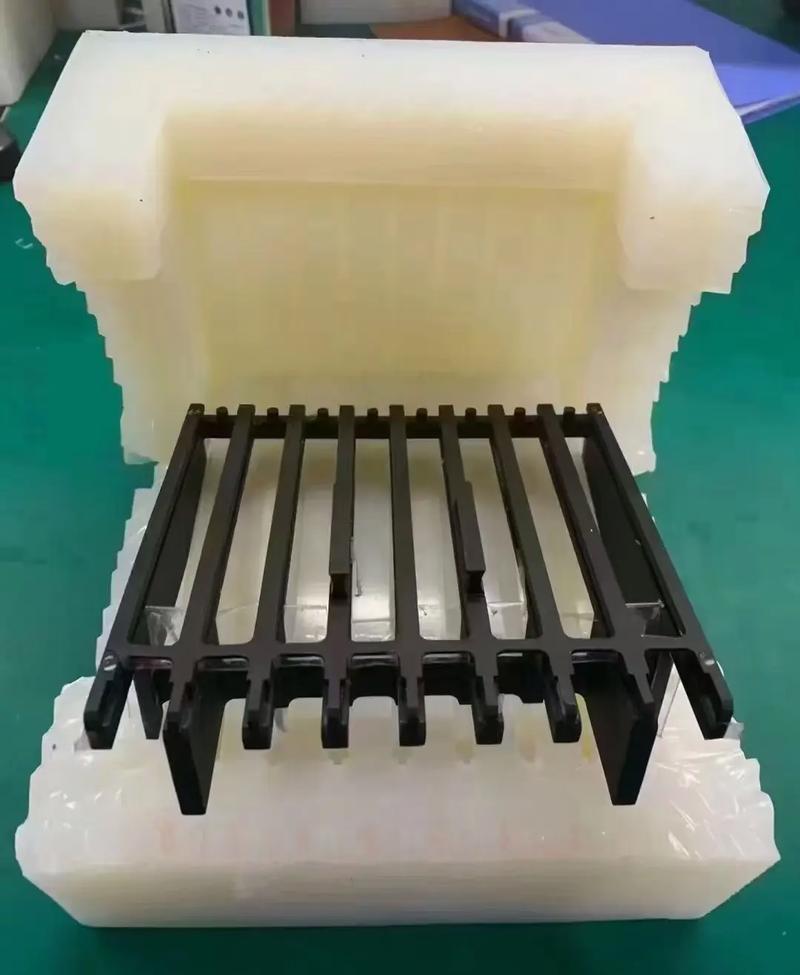
CNC machining is ideal for prototype parts that need functional testing using final production materials. At 6CProto, we operate a broad range of CNC machining centers, including mills and lathes (for CNC turning), enabling fast and reliable production. We support a broad selection of materials and finishes, and can also combine CNC machining with other processes for greater flexibility.
CNC machining is one of the most precise fabrication methods available. While it prioritizes quick turnaround over ultra-tight tolerances, the output quality remains high.
CNC machining offers fast turnaround for small-batch production, producing parts that are often nearly production-grade. Although typically more expensive than 3D printing, CNC parts provide an excellent surface finish and superior mechanical strength.
How to Work With Us

Upload a CAD File
To start, simply select a manufacturingprocess and upload a 3D CAD file.

Get Quote with DFM
Within a few hours we’ll send you designfor manufacturability(DFM) analysis andreal-time pricing.

Manufacturing Begins
Once you review your quote and placeyour order, we’ll start the manufacturingprocess. We also offer finishing options.

Parts are Shipped!
Our digital manufacturing process allowsus to produce parts in as fast as 1 day.
Find the Perfect Rapid Prototyping Solution for Your Project
Choosing the right rapid prototyping method is essential to bringing your ideas to life quickly and efficiently. Depending on your project’s requirements—such as material, precision, functionality, and production volume—different techniques offer unique advantages and trade-offs. Here’s a quick overview of the most popular rapid prototyping methods:
technology
Advantages
Disadvantages
3D Printing
Delivers speed and cost-efficiency while enabling highly complex geometries beyond the reach of other techniques.
While offering flexibility, material properties may not replicate traditional parts exactly, and resolution depends on the specific technology employed.
CNC Machining
High precision and compatible with a wide range of materials, ideal for producing functional and durable parts.
Higher cost and longer lead times compared to some additive manufacturing methods.
Vacuum Casting
Fast and cost-effective, ideal for small-batch production, capable of replicating high-precision details with a realistic appearance.
Material properties are limited, with finished parts offering lower strength and durability compared to injection-molded or CNC-machined components.
Injection Molding
Engineered for large-scale production, delivering both cost-effective solutions and end-use parts with exceptional detail and full functionality.
High upfront tooling costs can make small-volume production less economical.
Sheet Metal Fabrication
Enables the creation of durable, easily modifiable prototypes, perfectly bridging the gap between prototyping and production.
Best suited for simpler designs, as highly intricate or detail-intensive parts may exceed its complexity limits.
Quality Assurance
| Driven by excellence, we embed quality into every detail—from advanced tools to rigorous standards. We ensure consistent, outstanding quality. | |||||
|---|---|---|---|---|---|
| 1 | Advanced Inspection Equipment | ||||
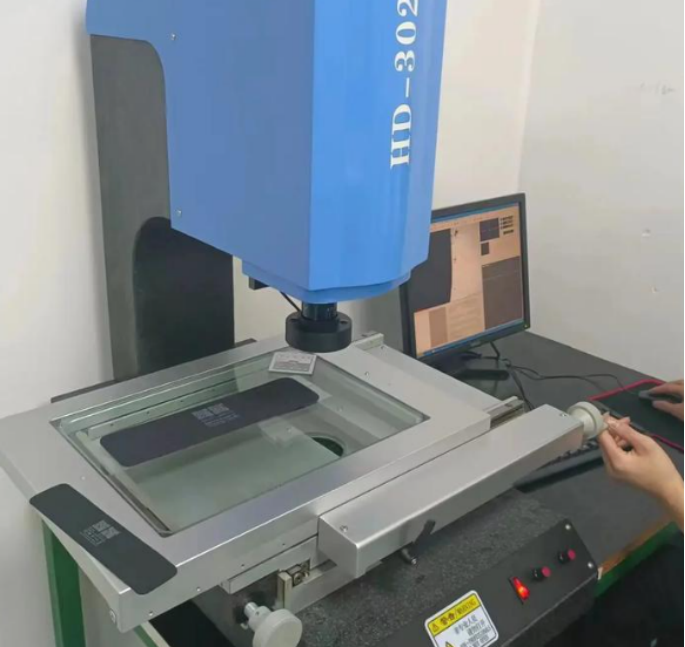
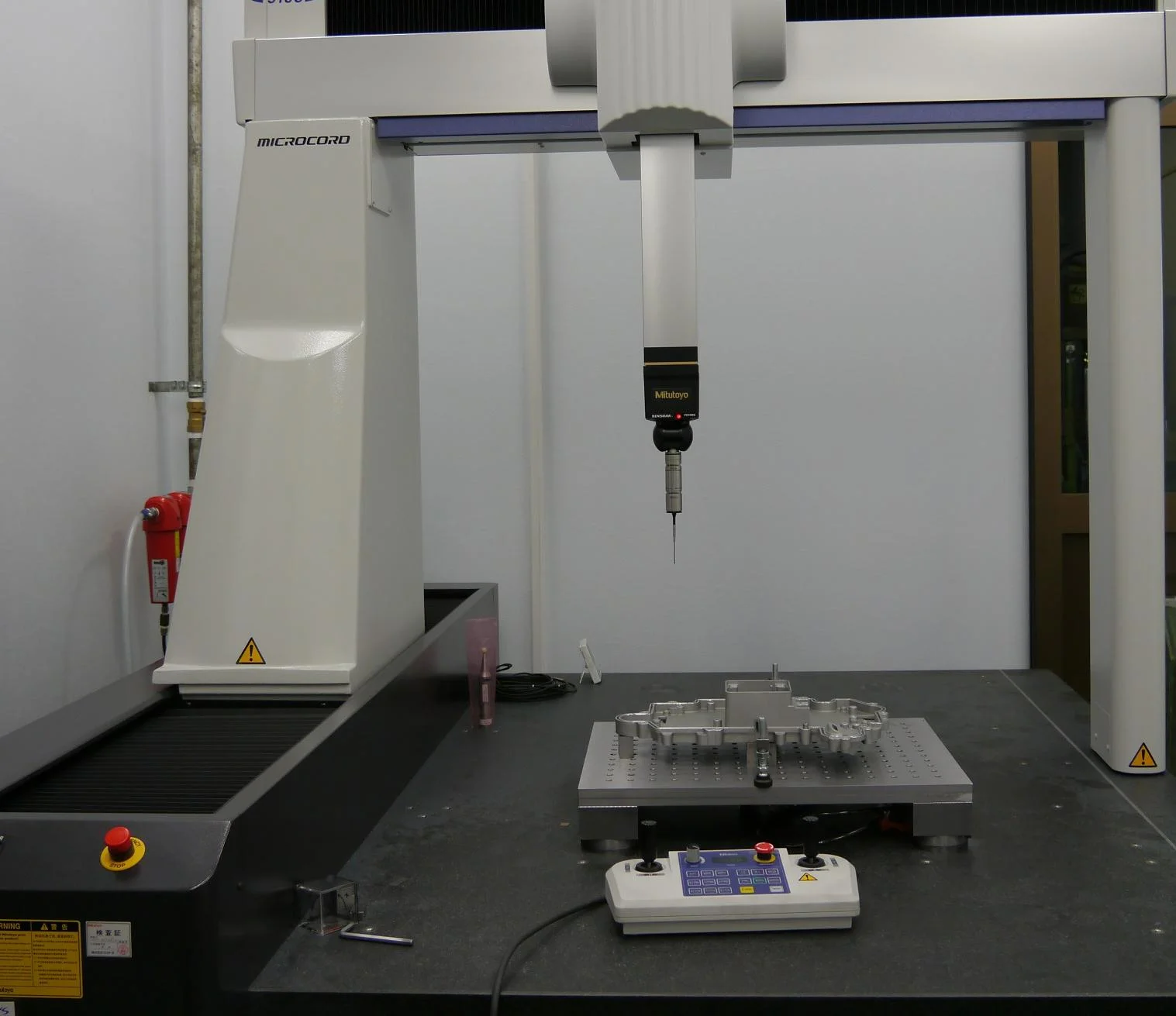
| We employ professional inspection equipment for precise measurement and validation. A spectrometer analyzes metal composition, a 2.5D measuring instrument verifies detailed features, a coordinate measuring machine (CMM) inspects complex three-dimensional structures, and height gauges ensure the accuracy of fundamental dimensions. | |||||
| 2 | Strict quality management system | ||||
| From first article inspection to in-process checks and final pre-shipment testing, every stage is governed by a rigorous management system to ensure consistent quality. | |||||
| IQC(Incoming Quality Control) | FAI (First Article Inspection) | ||||
| IPQC(In-Process Quality Control) | CMM inspection report | ||||
| FQC(Final Quality Control) | DIR(Dimensional Inspection Report ) | ||||
| OQC(Outgoing Quality Control) | CAR(Corrective and Preventive Action Report) | ||||
| Material Certificates | ISO 9001 | ||||

Why Choose 6CProto for Rapid Prototyping Services?
6CProto provides professional rapid prototyping services to help engineers, product designers, and manufacturers turn concepts into functional prototypes quickly and accurately. With advanced manufacturing technologies, strict quality control, and dedicated engineering support, we help reduce product development time and accelerate your path to market.
Rapid Prototyping Materials
Metal
Inconel
Inconel Superalloy Materials

Magnesium
Magnesium & Magnesium Alloy Materials
Titanium
Titanium
Titanium — Material overview
Titanium alloys are high-performance materials that combine exceptional strength, a superior strength-to-weight ratio, outstanding corrosion resistance, high-temperature stability, and excellent biocompatibility. While costlier and more difficult to process than steels or aluminum alloys, their unique advantages—high strength, light weight, and durability in extreme environments—make them indispensable in aerospace, advanced medical, and deep-sea applications, where performance takes priority over cost.

Stainless Steel
Stainless Steel Material & Alloys
Stainless Steel 316 — Material overview
Stainless steel 316 sheet is an austenitic stainless steel containing molybdenum, which gives it superior corrosion resistance compared to 304, especially in chloride environments. The 316 stainless steel sheet not only offers excellent resistance to acids, alkalis, and pitting corrosion, but also has good toughness and weldability, making it resistant to cracking or deformation during processing. With a smooth and attractive surface that is easy to clean and maintain, it is ideal for use in chemical equipment, ships, medical devices, marine facilities, and high-end kitchen equipment where high corrosion resistance is required.
Stainless Steel 304 — Sheet metal
304 stainless steel is a commonly used austenitic stainless steel material, widely applied in various equipment and structural components due to its excellent corrosion resistance and workability. 304 stainless steel sheets have outstanding resistance to acids and alkalis, maintaining long-term stability in atmospheric conditions, water, and most chemical media. At the same time, they offer good toughness and strong weldability, making them resistant to cracking or deformation during forming and processing. With a smooth surface that is easy to clean and maintain, 304 stainless steel is widely used in kitchenware, medical equipment, and architectural decoration.

Copper
Copper Material
Copper is a metal that is corrosion-resistant, extremely electrically conductive, and highly ductile. Its glossy orange-red appearance is instantly recognizable, and the metal remains aesthetically appealing even during its natural oxidation process—where environmental reactions form a bluish-green coating known as patina. However, it should be noted that copper’s weldability is generally considered moderate to poor.
Copper — Material overview
The core advantage of copper materials lies in their exceptional electrical and thermal conductivity, combined with excellent corrosion resistance, malleability, and ductility. This allows copper to be easily fabricated into a wide range of complex shapes, making it highly valuable across multiple industries.
C101 (commonly known as oxygen-free electronic copper) contains virtually no oxygen impurities, offering top-tier purity and conductivity. It is the preferred material for applications with extremely high requirements for material purity and electrical efficiency. However, its cost is higher than C110, making it more suitable for scenarios where peak conductivity is critical and cost is not the primary concern, such as high-precision electronic components and key conductive parts.
C110, an oxygen-containing derivative of C101, contains only trace amounts of oxygen. While its purity, conductivity, and corrosion resistance are slightly lower than C101, it still meets the core requirements of most industrial applications. With lower cost and excellent formability, C110 is commonly used in heat exchangers, industrial wiring, and piping systems.

Brass
Brass Material & Brass Alloys
Explore 6CProto’s brass materials—offering excellent machinability, corrosion resistance, and attractive appearance. Ideal for hardware, plumbing, decorative, electrical, and industrial applications.
Brass is an alloy composed of copper and zinc, with a golden color and excellent weather and corrosion resistance. Its tensile strength is comparable to that of mild steel. In addition, brass has good machinability and is easy to work with, allowing for high feed rates and minimal reliance on coolant.
Brass — Material overview
Brass sheet metal, an alloy of copper and zinc, combines excellent corrosion resistance with good strength and durability. Its high malleability and formability make it easy to fabricate into complex shapes, while its superior thermal and electrical conductivity suit a variety of industrial and electrical applications. Additionally, its attractive golden appearance makes it a popular choice for decorative and architectural uses.

Plastic
TPU
Thermoplastic Polyurethane (TPU) For Injection Molding
6CProto offers high-quality Thermoplastic Polyurethane (TPU) material, known for its flexibility, durability, and resistance to abrasion and chemicals. Ideal for CNC machining applications, TPU is widely used across various industries, including automotive, medical, and consumer electronics.
TPU — Injection molding
TPU (Thermoplastic Polyurethane), commonly known as urethane rubber, is a thermoplastic elastomer. It features excellent elasticity, abrasion resistance, and chemical corrosion resistance, and is widely used in applications such as mobile phone cases (soft shells), sports shoe soles, and medical catheters.
TPU — 3D printing
TPU is a flexible and highly tough filament with excellent impact resistance and wear resistance. It is suitable for printing various production prototypes and functional parts that need to withstand impact, drops, and collisions.
PC+ABS
PC/ABS (Polycarbonate‑ABS Blend) Plastic Material
PC+ABS is a blend-modified material that combines the advantages of both materials. It not only inherits the high impact resistance of PC but also the material strength of ABS, while improving its heat resistance. It is often used in electronic product casings, automotive interiors, consumer products, and more.

CPVC
CPVC (Chlorinated Polyvinyl Chloride) Plastic Material
CPVC (Chlorinated Polyvinyl Chloride) is a modified form of PVC, with enhanced thermal stability, mechanical properties, and chemical resistance. These upgraded characteristics make CPVC an excellent choice for applications in high-temperature and corrosive environments where ordinary PVC would fail.CPVC — Material overview
CPVC (Chlorinated Polyvinyl Chloride) is a thermoplastic plastic obtained by chlorination modification of polyvinyl chloride (PVC). Such structural changes enable it to far outperform ordinary PVC in terms of heat resistance, mechanical properties, and chemical resistance, making it an ideal material for high-temperature and corrosive environments.
PC+GF
PC+GF(Glass‑Fiber Reinforced Polycarbonate) Material
PC+GF (polycarbonate + glass fiber reinforced composite material) is a reinforced engineering plastic made by adding glass fiber (abbreviated as GF) to a polycarbonate (PC) matrix. The addition of glass fiber can significantly improve the mechanical properties and stability of pure PC while retaining some of PC’s excellent inherent properties, making it suitable for scenarios with high requirements for strength, rigidity, and dimensional accuracy. It features high strength, high rigidity, and heat resistance, and is ideal for automotive parts, electrical enclosures, and structural components.
PEI
PEI (Polyetherimide) Engineering Material
PEI (polyetherimide) is a high-performance thermoplastic known for excellent heat resistance, mechanical strength, and chemical stability. It is widely used in demanding applications across aerospace, electronics, medical, and industrial fields.
PTFE
PTFE
Polytetrafluoroethylene (PTFE), commonly known as Teflon, is a high-performance fluoropolymer. It is frequently used in mechanical components requiring reduced friction and wear—such as bearings, gears, and piston rings—due to its non-stick properties, low friction characteristics, and self-lubricating capabilities. PTFE also exhibits excellent electrical insulation properties, making it highly suitable for applications like high-frequency cables, high-voltage insulators, and electronic components.
Additionally, PTFE maintains stable performance during long-term use across an extreme temperature range from -200°C (ultra-low temperature) to 260°C (high temperature), enabling its use in harsh environments such as aerospace systems, deep-sea equipment, and high-temperature industrial apparatus.
LDPE
LDPE
Low-Density Polyethylene (LDPE) is lighter than water, soft and tough, with excellent acid and alkali resistance as well as electrical insulation properties. It is widely used in fields such as packaging, agriculture, electronics, and daily necessities.
PP
PP (Polypropylene) Engineering Material
Polypropylene (PP) is a well-balanced thermoplastic characterized by lightweight material, excellent chemical resistance, and good flexibility. Owing to these properties, it finds wide application in fields such as packaging, household appliances, automotive, daily necessities, and medical devices.
PET
PET
PET (polyethylene terephthalate) is a common thermoplastic polyester with excellent mechanical properties and strong chemical resistance. It also offers glass-like transparency and luster, with a high light transmittance of about 88–92%, and is widely used in beverage bottles, food packaging, and engineering plastics.PET — CNC machining
PET (polyethylene terephthalate) is a common thermoplastic polyester with excellent mechanical properties and strong chemical resistance. It also offers glass-like transparency and luster, with a high light transmittance of about 88–92%, and is widely used in beverage bottles, food packaging, and engineering plastics.
PVC
PVC (Polyvinyl Chloride) Plastic Material
Polyvinyl chloride (PVC) is a widely used thermoplastic polymer material characterized by excellent mechanical properties, outstanding corrosion resistance, and superior electrical insulation performance. By incorporating various additives, it can be tailored to meet customized requirements. Owing to its unique combination of properties, PVC finds extensive applications in fields such as construction, industry, packaging, and healthcare.PVC — CNC machining
Polyvinyl chloride (PVC) is a widely used thermoplastic polymer material characterized by excellent mechanical properties, outstanding corrosion resistance, and superior electrical insulation performance. By incorporating various additives, it can be tailored to meet customized requirements. Owing to its unique combination of properties, PVC finds extensive applications in fields such as construction, industry, packaging, and healthcare.
PVC — Injection molding
Polyvinyl chloride (PVC) is a widely used thermoplastic polymer material characterized by excellent mechanical properties, outstanding corrosion resistance, and superior electrical insulation performance. By incorporating various additives, it can be tailored to meet customized requirements. Owing to its unique combination of properties, PVC finds extensive applications in fields such as construction, industry, packaging, and healthcare.

PC
PC (Polycarbonate) Engineering Material
PC (polycarbonate) is a versatile engineering plastic known for its high impact resistance, optical transparency, and good thermal stability. It combines toughness, heat resistance, and aesthetic clarity, making it suitable for a wide array of applications.PC — CNC machining
PC (polycarbonate, commonly known as bulletproof glue) is inherently pale yellow or colorless and transparent, featuring hardness, toughness and luster. It boasts prominent advantages: with a light transmittance of 90%, it not only has good mechanical strength but also excellent impact resistance, along with outstanding heat resistance and weatherability.
PC — Injection molding
PC (polycarbonate, commonly known as bulletproof glue) is inherently pale yellow or colorless and transparent, featuring hardness, toughness and luster. It boasts prominent advantages: with a light transmittance of 90%, it not only has good mechanical strength but also excellent impact resistance, along with outstanding heat resistance and weatherability.
PMMA (Acrylic)
PMMA (Acrylic) Engineering Material
Acrylic (also known as polymethyl methacrylate, PMMA) boasts not only excellent optical performance but also outstanding UV resistance. With a light transmittance of up to 92%—comparable to glass—it has become a popular material in scenarios ranging from neon signs in shopping malls and display case panels in museums to precision optical lenses and stage light covers.PMMA (Acrylic) — CNC machining
Acrylic (also known as polymethyl methacrylate, PMMA) boasts not only excellent optical performance but also outstanding UV resistance. With a light transmittance of up to 92%—comparable to glass—it has become a popular material in scenarios ranging from neon signs in shopping malls and display case panels in museums to precision optical lenses and stage light covers.

PEEK
PEEK (Polyetheretherketone) Engineering Material
PEEK (polyetheretherketone) is a premium thermoplastic widely recognized for its exceptional thermal stability, mechanical strength, chemical resistance, dimensional stability, and in many cases biocompatibility and electrical insulation. It is used in extreme environments like aerospace, medical implants, electronics, and semiconductor industries.PEEK — CNC machining
PEEK (Polyetheretherketone) is a top-performing thermoplastic engineering plastic, featuring excellent high-temperature resistance, robust mechanical properties, versatile corrosion resistance, top-tier biocompatibility, exceptional dimensional stability, and outstanding electrical insulation and radiation resistance. It is widely used in high-end fields such as aerospace, high-end medical care, and electronic semiconductors.
PEEK — 3D printing
PEEK (Polyether Ether Ketone) is a high-performance engineering plastic widely used in aerospace, automotive, medical, and electronics industries. As a material that is resistant to high temperatures, chemical corrosion, and wear, PEEK offers exceptional strength and rigidity in 3D printing, making it suitable for demanding functional parts. It can withstand temperatures exceeding 250°C and maintain stable performance under high loads and extreme conditions. PEEK also has excellent electrical insulation properties and biocompatibility, making it an ideal choice for medical implants and high-end industrial components.
PEEK — Injection molding
PEEK (Polyetheretherketone) is a top-performing thermoplastic engineering plastic, featuring excellent high-temperature resistance, robust mechanical properties, versatile corrosion resistance, top-tier biocompatibility, exceptional dimensional stability, and outstanding electrical insulation and radiation resistance. It is widely used in high-end fields such as aerospace, high-end medical care, and electronic semiconductors.

Nylon
Nylon (Polyamide) Engineering Material
Nylon (polyamide) is a versatile engineering thermoplastic known for its high strength, excellent wear resistance, good chemical stability, and toughness. It is widely used across industries for gears, bearings, bushings, automotive components, industrial parts, and more. Its ease of machining, coupled with its chemical resistance, also makes it suitable for applications in the automotive, aerospace, and medical industries. With its remarkable combination of properties, nylon stands out as a versatile and reliable material for a diverse range of CNC machining applications.Nylon — CNC machining
Nylon is a versatile and widely used material in CNC machining due to its exceptional properties. Its high tensile strength, low coefficient of friction, and resistance to wear and abrasion make it an excellent choice for applications requiring durability and reliability, such as gears, bushings, and bearings. Additionally, nylon’s low moisture absorption and good dimensional stability ensure consistent performance even in humid or varying temperature conditions.
Its ease of machining, coupled with its chemical resistance, also makes it suitable for applications in the automotive, aerospace, and medical industries. With its remarkable combination of properties, nylon stands out as a versatile and reliable material for a diverse range of CNC machining applications.
PA (Nylon) — Material overview
Nylon is a versatile and widely used material in CNC machining due to its exceptional properties. Its high tensile strength, low coefficient of friction, and resistance to wear and abrasion make it an excellent choice for applications requiring durability and reliability, such as gears, bushings, and bearings. Additionally, nylon’s low moisture absorption and good dimensional stability ensure consistent performance even in humid or varying temperature conditions.
Its ease of machining, coupled with its chemical resistance, also makes it suitable for applications in the automotive, aerospace, and medical industries. With its remarkable combination of properties, nylon stands out as a versatile and reliable material for a diverse range of CNC machining applications.

POM
POM (Polyoxymethylene / Acetal) Engineering Material
POM (polyoxymethylene), also known as acetal, is a high‑performance engineering thermoplastic valued for its rigidity, low friction, excellent wear resistance, and good dimensional stability. It is often used in precision mechanical parts that require durable, low‑maintenance performance.
HIPS
HIPS (High Impact Polystyrene) Material
HIPS, or High Impact Polystyrene, is a modified polystyrene polymer enhanced with rubber modifiers (usually polybutadiene) to improve toughness and durability. The result is a rigid yet impact-resistant thermoplastic that retains good processability, making it popular in prototyping, manufacturing, and consumer products.
HIPS combines the stiffness of polystyrene with improved impact performance, offering a cost-effective balance of mechanical and processing properties.
HDPE
HDPE (High-Density Polyethylene) Material
High-Density Polyethylene (HDPE) is a thermoplastic polymer with high strength-to-density ratio, known for durability, chemical resistance, and ease of processing. As a semi-crystalline plastic, it offers excellent impact performance, low moisture uptake, and good machinability — making it a popular choice in industrial, chemical, packaging, and structural applications. It is great for applications such as orthotic and prosthetic devices, water storage, and tanks.

Surface Finish and Post-Processing Options
As machined
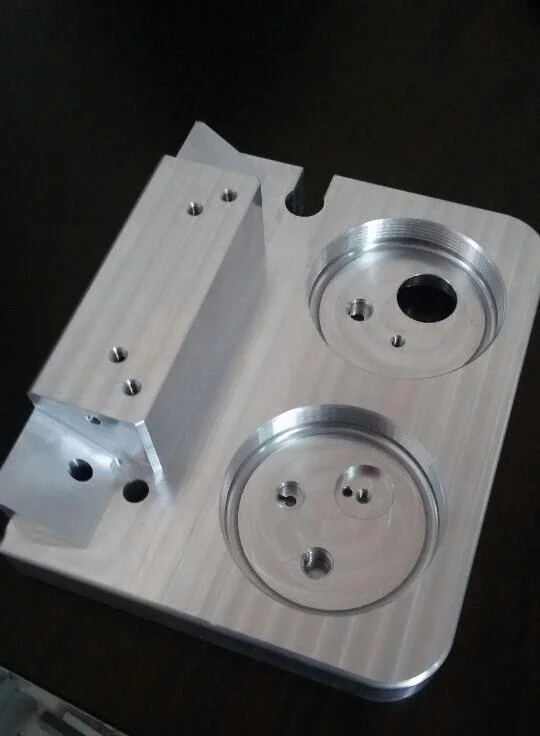
The machined or deburring finish is the standard finish where unwanted attach chips are removed with deburring tools, and sharp edges are chamfered to smooth the surface (3.2 μm).
Bead Blasted
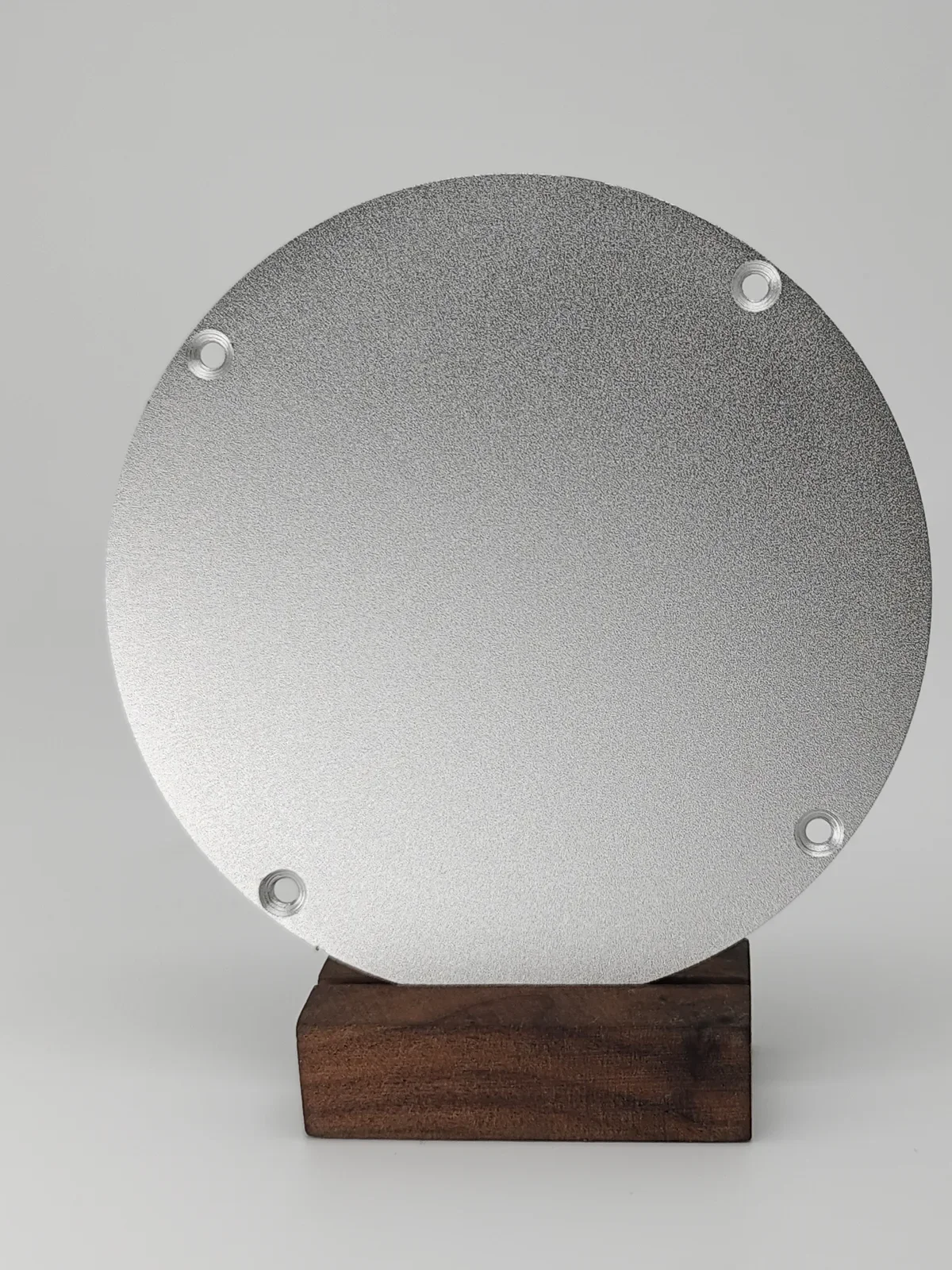
Bead blasting produces a matte texture, removing all the marks of machining tools. It applies to ABS, Aluminum, Brass, Stainless Steel, and Steel parts.
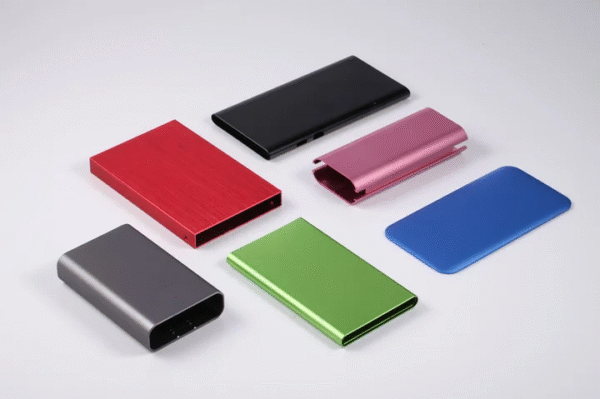
Anodizing
Anodizing involves adding an aluminum oxide coating to aluminum and its alloys. The layers, which come in various colors, increase strength and shield the surface from corrosion.
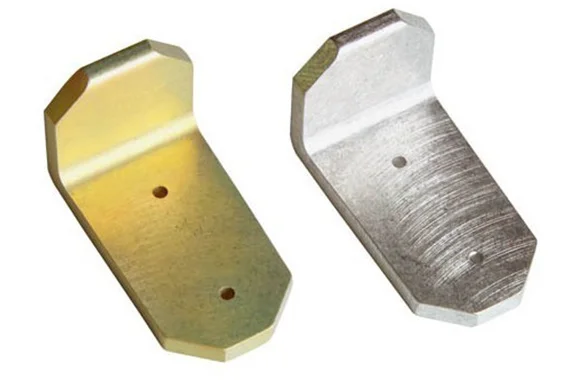
Alodine
Provides excellent corrosion resistance property to the aluminum parts with greenish-gold color. It is the low-cost and quick surface finishing approach.
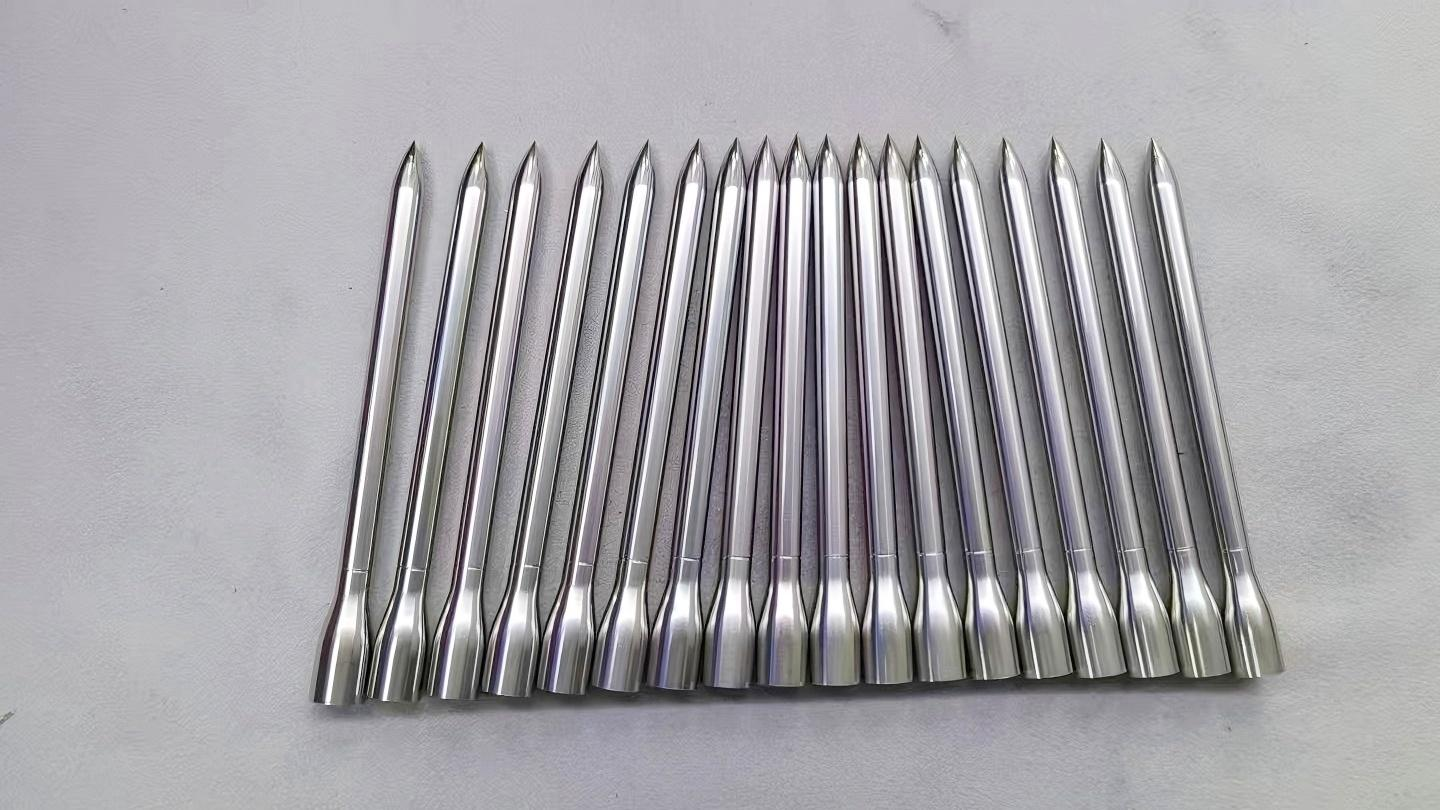
Polishing
Physical rubbing of a metal surface to create a shiny surface is called a polishing surface finish. It increases the reflectivity and does not affect the dimensional stability of parts.
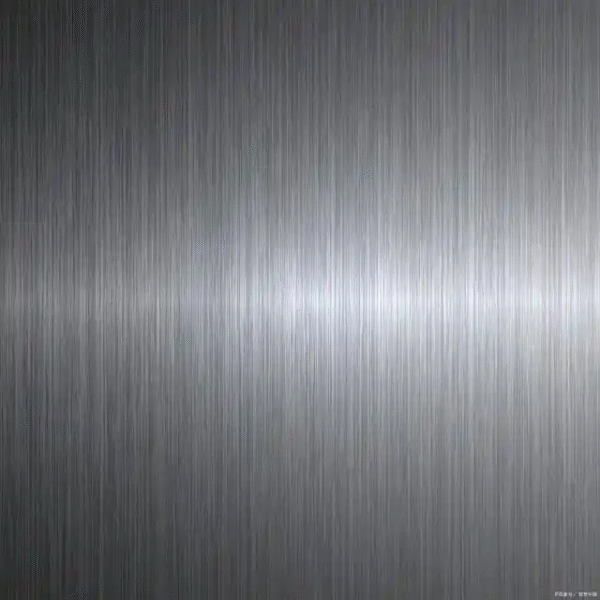
Brushing
Brushing is achieved by applying an abrasive brush to the metal surface, which produces a unidirectional satin finish. And it is not recommended for highly corrosive materials.
Sanding
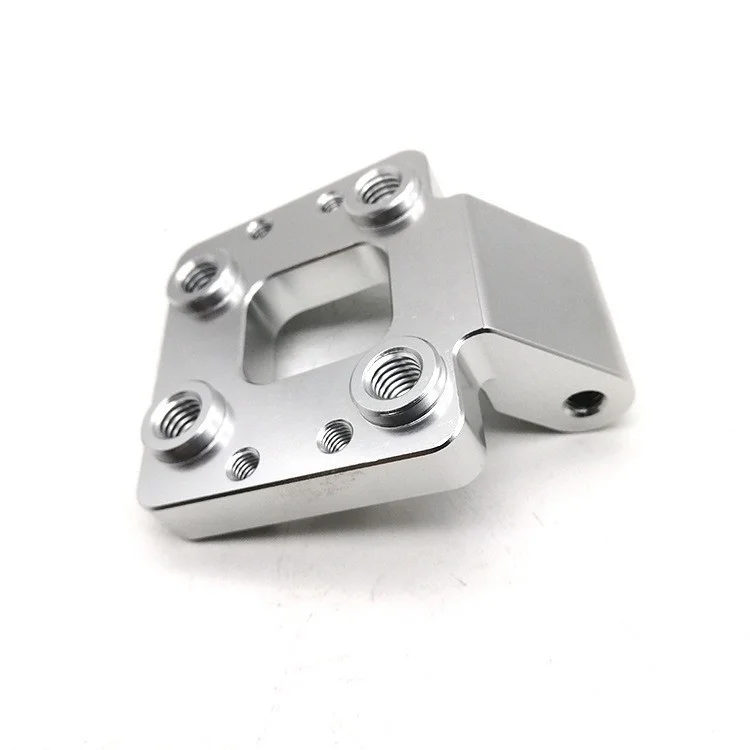
Provides a random, non-linear texture with a shiny, high gloss finish. However, it might be unable to create sharp corners and pockets
Black-Oxide
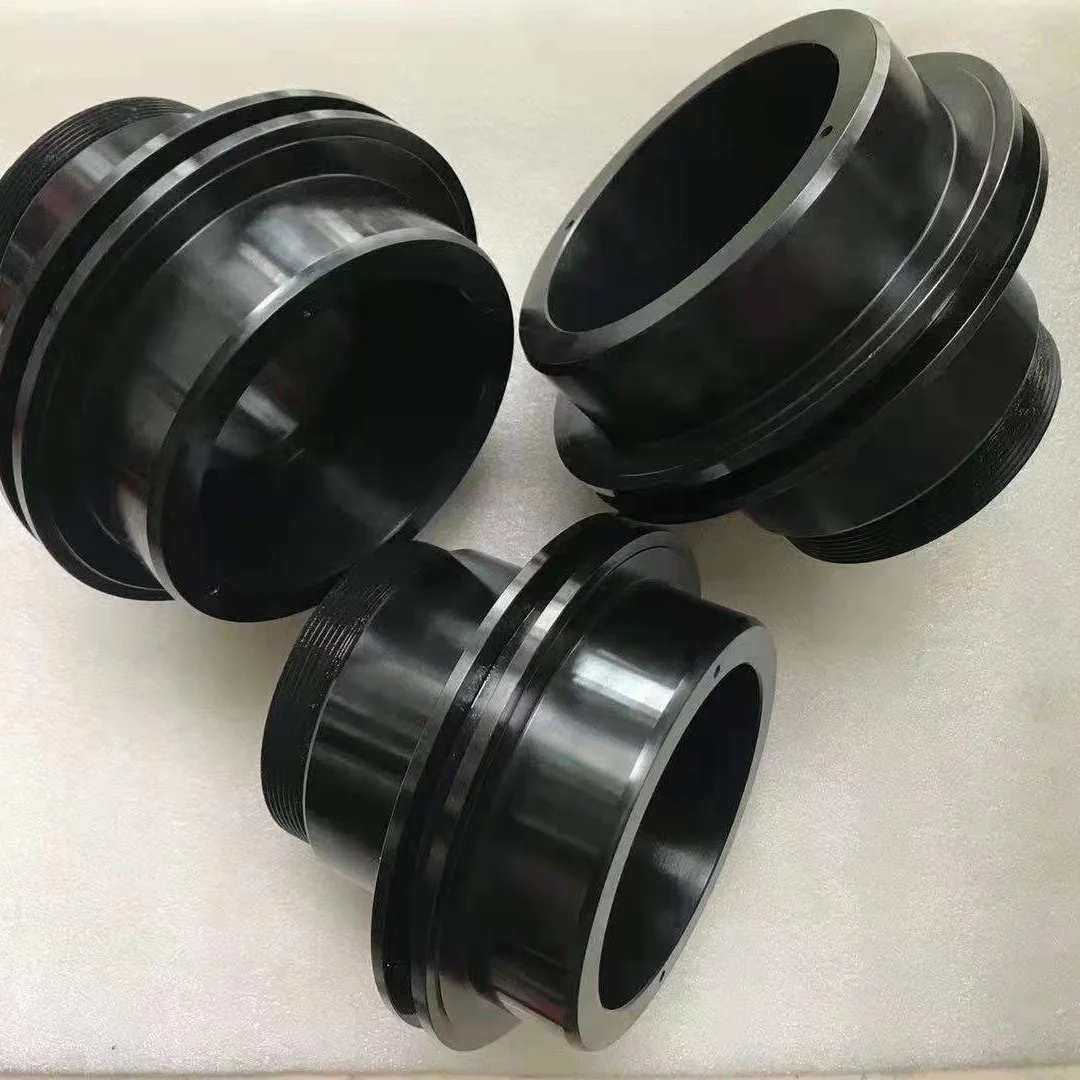
Black oxide finish reduces surface reflectivity and offers mild corrosion protection. It involves adding a thin layer of magnetite to the surface.
Electroplating
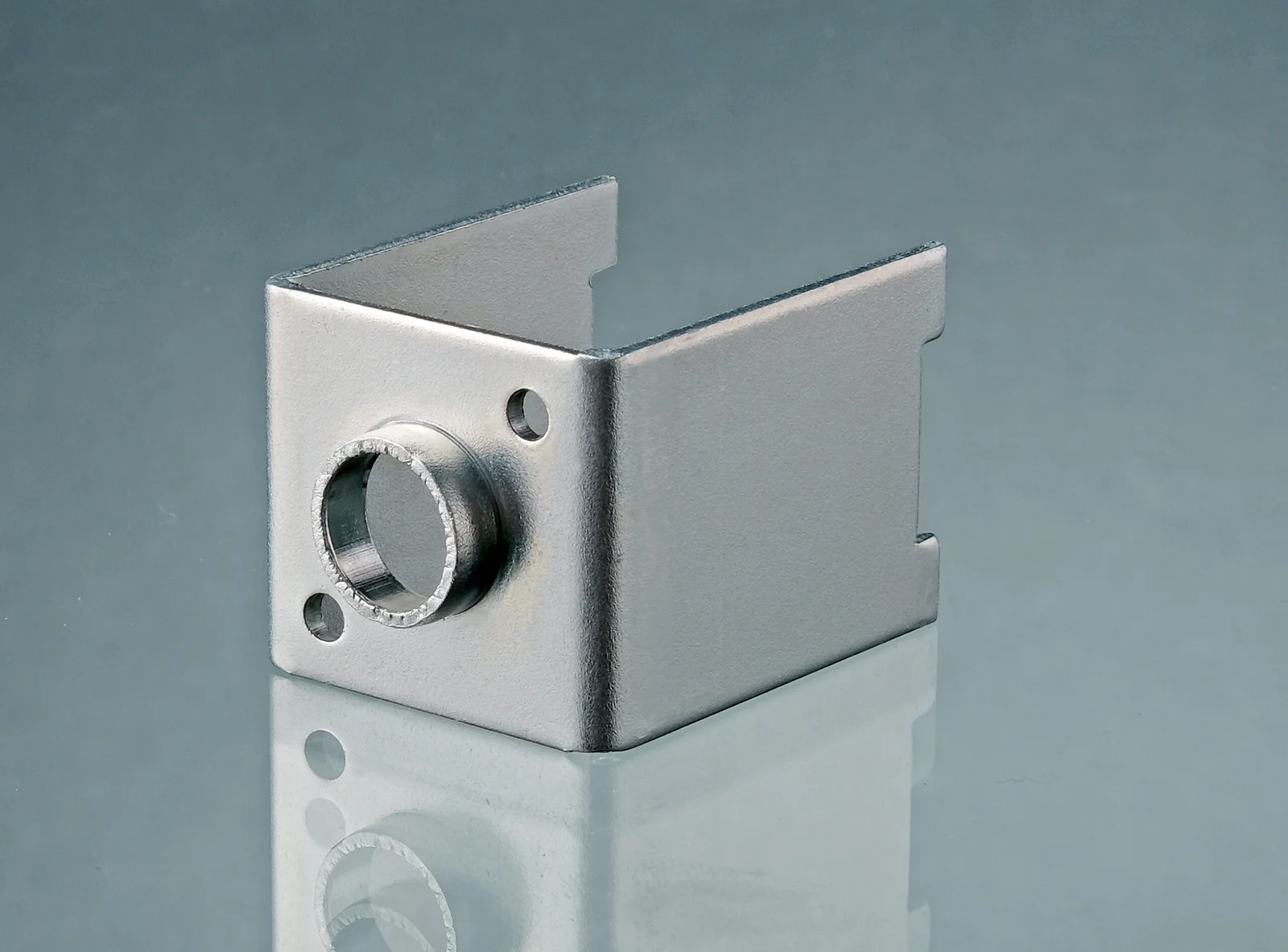
Electroplating increases the hardness of the steel &aluminum parts. It offers excellent corrosion, wears, and abrasion resistance.
Electroless Nickel Plating
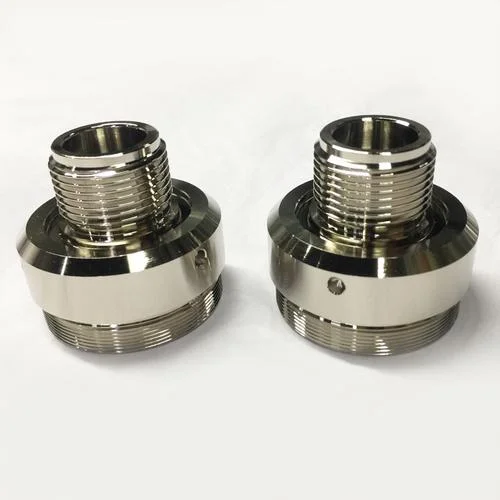
A thin layer of Nickel is created on the surface from a nickel-containing solution without electrolysis. Electro-less nickel plating provides a shiny appearance, excellent hardness, abrasive, wear, and corrosion-resistance to the substrate material.
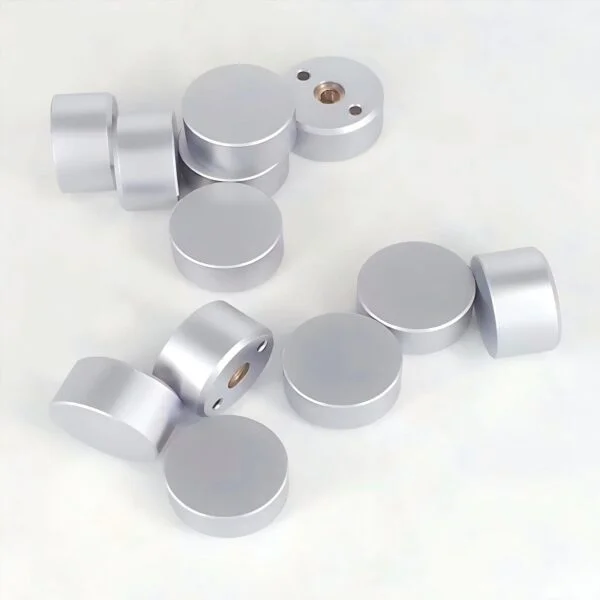
Chrome Plating
Chrome plating is widely used in various industries, which not only enhances the beautiful appearance of the product, but also improves the performance of the product, such as corrosion resistance, oxidation resistance, abrasion resistance, hardness, etc.
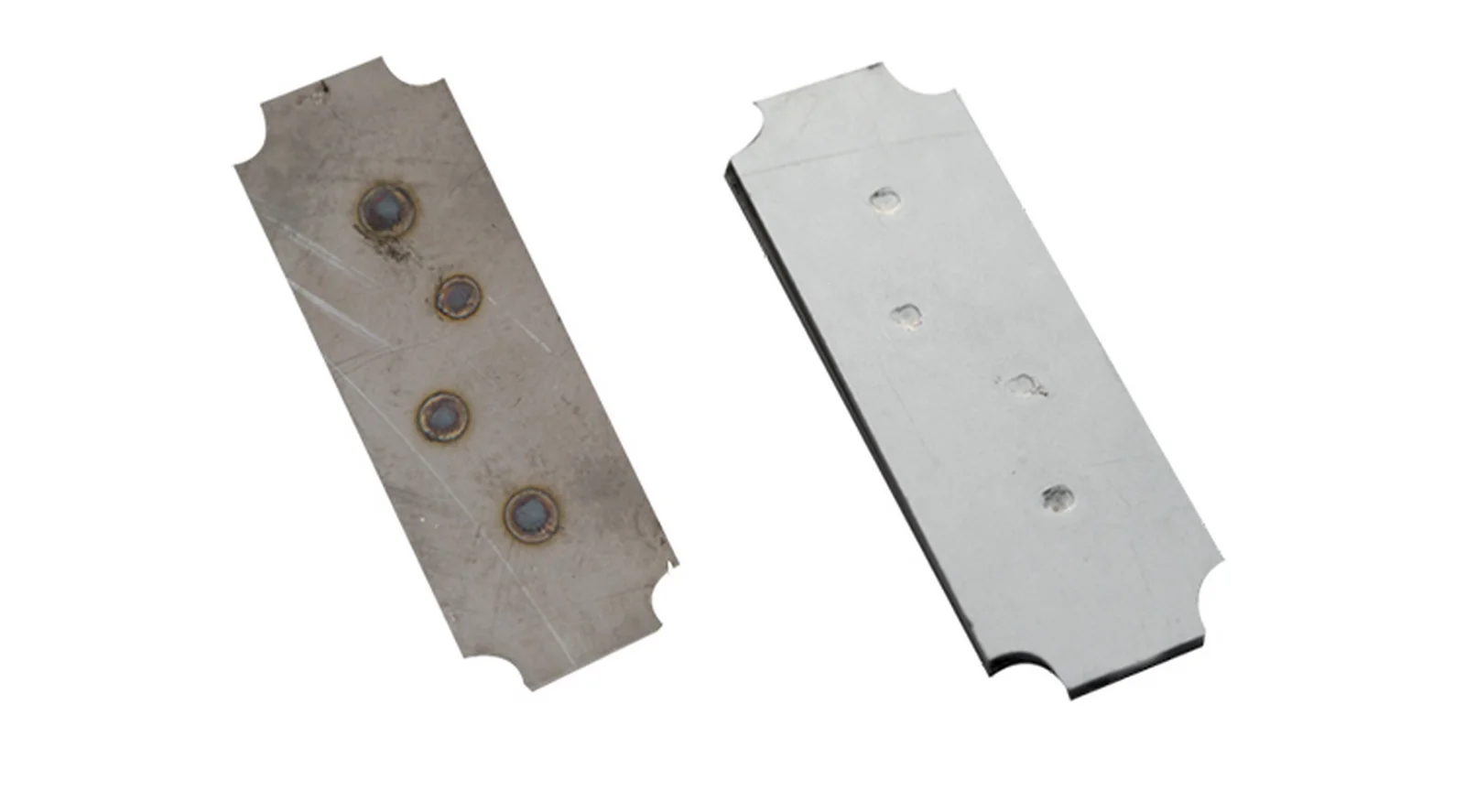
Passivation
Enhance the appearance and functionality of the parts. After Passivation, parts of Steel and its alloys become super resistive from corrosion.