

Thin sheet metal cannot carry a reliable thread on its own, so the assembly needs a fastener that creates the thread or the joint: a self-clinching PEM nut pressed into the sheet, a weld nut fused to the back, or a rivet or rivet nut that holds without threads. The choice among them is driven by the load, the disassembly plan, the sheet thickness, and the production volume — and each family has a clear territory. A PEM nut suits a thin sheet that needs a strong, serviceable thread; a weld nut suits thicker or steel assemblies where welding is already in the process; and a rivet or rivet nut suits blind access or permanent joints. The drawing should name the fastener family, because the hole, the access, and the process all follow it.
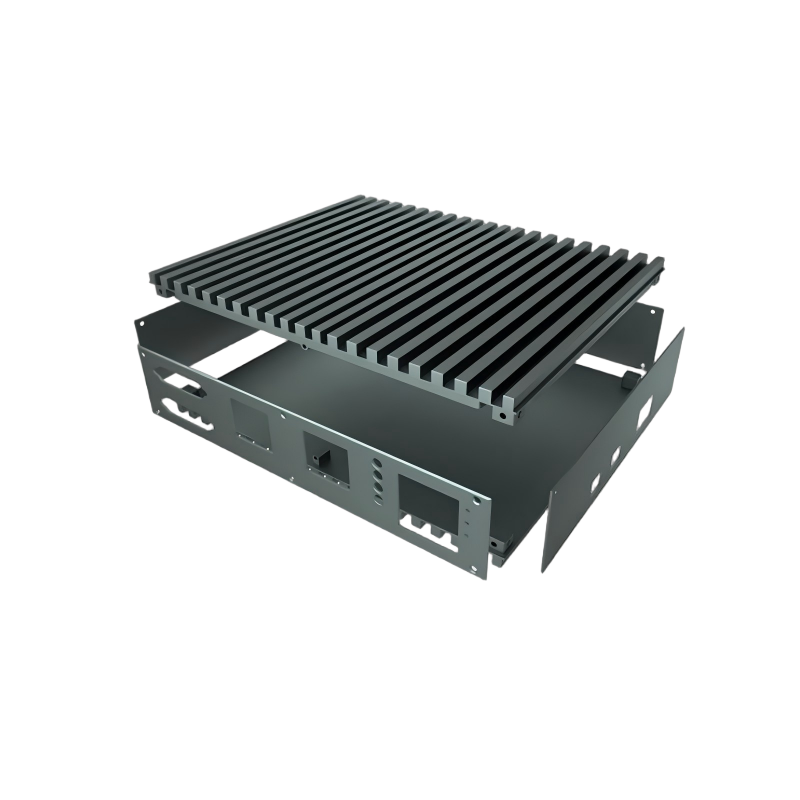
What each fastener family does well in thin sheet
The three families solve different problems. Self-clinching fasteners press into the sheet and create a flush, load-bearing thread or stud without welding; they are the standard for thin sheet that needs a strong thread in a clean assembly. Weld nuts fuse to the sheet and provide a strong thread, but they need welding access to the back and leave a visible weld area. Rivets join two sheets permanently and are fast to install, and rivet nuts add a thread where only one side is accessible. The choice starts with the joint’s requirements: a thread that is assembled and serviced favors PEM or a weld nut; a permanent sheet-to-sheet joint favors a rivet; and a blind thread favors a rivet nut.
The sheet thickness and the material also limit the options: self-clinching fasteners are designed for a thickness range, weld nuts need weldable material, and rivets work across a broad range of sheet combinations.
Self-clinching nuts and studs: installation and load limits
Self-clinching fasteners are pressed into a prepared hole with a punch, and the clinching action embeds the fastener’s head into the sheet, creating a strong, permanent thread. They come in nut, stud, and standoff forms, and their load capacity is specified for the sheet thickness and the fastener size. The installation needs the right hole size, the right punch, and the right sheet thickness; a hole that is too large lets the fastener spin, and a sheet that is too thin does not clinch properly. The fastener is the design answer when the sheet is thin and the joint needs a thread that survives assembly and service, and the drawing should specify the fastener part number and the hole size so the installation is controlled.
Self-clinching fasteners are typically installed in steel, aluminum, and stainless sheet within the manufacturer’s thickness range, and the load data comes from the fastener manufacturer’s tables.
Weld nuts: strength, access, and distortion
Weld nuts provide a strong thread by fusing the nut to the sheet, and they are common in steel assemblies where welding is already part of the process. The weld nut needs access to the back of the sheet for the weld gun, and the welding process leaves a mark and can distort the surrounding material. The strength is excellent for permanent, load-bearing joints, but the weld adds heat, cycle time, and finish considerations. The weld nut should be chosen where the assembly already welds and the joint is permanent; for a thin aluminum sheet or a clean, serviceable joint, the self-clinching route is usually better. The drawing should specify the weld nut and the weld process when the joint is critical.
Weld distortion around the nut can affect the flatness and the fit of the assembly, so the weld sequence and the fixture should be planned with the same care as any welded joint.
Rivets and rivet nuts for disassembly or blind access
Rivets join sheets permanently and are fast and economical in volume, but they do not provide a thread and they cannot be removed without drilling. Rivet nuts — also called threaded inserts or blind rivet nuts — provide a thread when only one side is accessible: the insert is placed through the hole and the tool upsets it on the blind side, creating a threaded boss. The rivet nut suits service access from one side and is common in enclosures and frames where a bolt must be removed for maintenance. The trade is load capacity and installation quality: a rivet nut’s holding strength depends on the sheet and the installation, and an improperly set insert can spin or pull out. The drawing should specify the rivet nut type and the hole, and the installation should be verified on a sample.
The disassembly plan decides the fastener family: a joint that must open for service needs a thread, while a permanent joint can use a rivet at lower cost.
Choosing by load, disassembly, thickness, and production volume
Build the decision from four inputs. Load: how much force the joint carries, and in which direction. Disassembly: whether the joint opens for service. Thickness: the sheet range the fastener can clinch or support. Volume: the production process and its cost structure. A serviceable thread in thin sheet favors a self-clinching fastener; a permanent threaded joint in a welded steel assembly favors a weld nut; a blind or permanent joint favors a rivet or rivet nut. The volume decides the installation economics — self-clinching presses and rivet tools are fast in production, while welding adds cycle time — and the drawing should carry the fastener decision so the fabrication quote includes the right process.
The hardware-insertion guide covers how the fasteners are installed; this page is the selection decision. When the load, the service plan, and the thickness are known, the fastener family is an engineering choice with a clear answer for each joint.
Testing fastener joints and writing the assembly note
The fastener decision should be verified on a sample joint before production. A test panel with the candidate fasteners is assembled to the service load, cycled the number of times the product expects, and checked for the failure modes: a self-clinching nut that spins under torque, a weld nut that cracks at the weld, or a rivet nut that pulls through the sheet. The test results confirm the selection and the hole specification, and they expose the installation issues that the catalog does not show — the punch wear, the weld distortion, or the tool access. The verified fastener and hole specification becomes the drawing standard, and the sample test is the evidence that the joint meets its requirement. A fastener joint that is specified from a catalog without the sample test carries the risk into production, where the failure costs more.
The assembly note should carry the installation details: the fastener part number, the hole size, the installation tool or punch, the torque or the installation force, and the inspection point. A self-clinching fastener installed with the wrong punch, a weld nut welded with the wrong schedule, or a rivet nut set with the wrong tool all fail in service, and the note is what keeps the installation consistent. The note also specifies the access and the sequence, because a fastener that cannot be reached in the assembly is a fastener that is installed incorrectly or skipped. When the fastener selection is verified and the installation is documented, the sheet-metal joint is a controlled feature with a repeatable assembly — and the joint that is reliable in the sample is reliable in production.
The fastener decision should also consider the finish and the environment. A self-clinching steel nut in an aluminum assembly can create galvanic corrosion in a wet environment; a weld nut on a coated part needs the coating planned around the weld; and a rivet or rivet nut’s material should match the service. The fastener material and the coating are part of the selection, and the drawing should state them with the environment. The finish sequence matters too: fasteners installed before finishing are coated with the part, while fasteners installed after finishing show a different appearance and need the corrosion plan. The fastener choice is a system decision — the load, the service, the finish, and the environment together — and the review that covers them produces a joint that survives the product’s life.
The fastener decision should also be reviewed with the maintenance plan. A joint that will be serviced needs the fastener that survives repeated disassembly; a permanent joint can use the lower-cost option; and a field-serviced joint needs the fastener that standard tools can reach. The service plan belongs in the selection, and the drawing should note which joints are serviceable. The fastener that matches the service life is the fastener that does not become a field complaint.
Keep the fastener specification in a library with the hole and the installation data, so the same joint on the next part uses the verified combination. The library prevents the drift that comes from re-selecting fasteners part by part, and it gives the shop a standard to install against. The library is also the reference when a supplier proposes a substitute, because the substitution can be checked against the verified part number and data before it reaches the drawing.
If you are choosing fasteners for a sheet-metal assembly and want the load, access, and volume reviewed, the 6CProto sheet metal team can recommend the fastener family and the hole specification for your joints.