

A welded enclosure frame measures perfectly on the bench before welding and bows 3 mm across its open face the morning after. The welder did not do anything wrong; the heat of welding made the metal expand locally and then contract as it cooled, and the thin sheet did not have enough stiffness to resist the shrinkage force. Weld distortion is not random — it follows predictable rules of heat input, restraint, and section shape — which means it can be designed out, sequenced out, or fixtured out before the first weld. The parts that come off the line straight are not the ones that were straightened the most; they are the ones whose distortion was planned for.
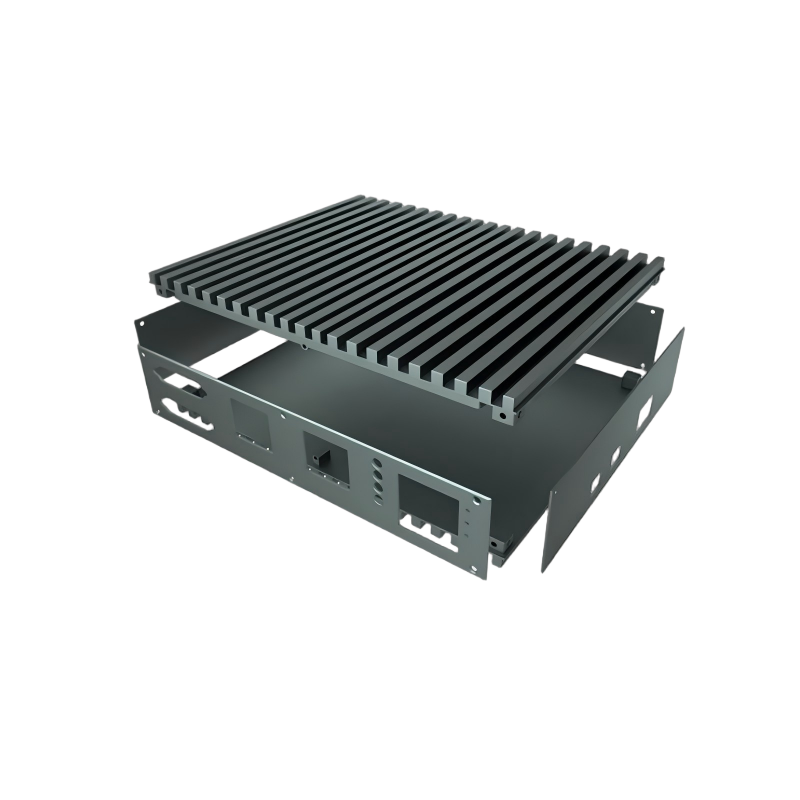
Welding bends thin sheet through heat, restraint, and section shape
Three inputs decide how much a weld pulls a part. Heat input controls how large the molten zone and the surrounding heated area become; restraint controls whether the shrinkage force bends the part or is absorbed by the fixture and surrounding material; section shape controls how much stiffness the part has against that force. A flat sheet with one weld along an edge bows easily, while the same weld on a flanged panel distorts less because the flange adds stiffness.
Thin sheet is especially sensitive because it conducts heat away from the weld zone slowly relative to its mass, so the heated area stays hot longer and the shrinkage gradient is steeper. Material matters too: stainless steel has higher thermal expansion and lower thermal conductivity than mild steel, so stainless sheet typically distorts more for the same weld size. Knowing that before welding turns a surprise into a plan.
Joint design and fit-up control movement before the weld starts
The joint should use the smallest weld that meets the strength requirement, placed so shrinkage acts in the least harmful direction. Intermittent welds, shorter weld lengths, and balanced weld placement all reduce total shrinkage. Fit-up matters even more: gaps invite larger weld deposits, and parts that are sprung together in the fixture will move when released. Consistent gaps and joints that sit naturally produce far less distortion than a weld that has to fill a poor fit.
Weld size is the lever engineers control least and should control most. A fillet weld sized by habit rather than by calculation adds heat, distortion, and cost without adding strength. If the drawing can specify the required weld size and length, the fabricator can use the minimum that satisfies the load case, and the assembly comes out straighter for free.
Tack welding and sequence balance shrinkage cheaply
Sequence is the cheapest distortion control available. Tack the assembly in a pattern that holds the overall geometry before any full weld is run, then weld in short, staggered passes that balance shrinkage from side to side. Symmetric welds should be alternated rather than completed one after another, and long seams should be welded in sections so each pass cools and shrinks before the next. Moving around the assembly instead of welding one side completely is often the single biggest improvement on a distorted weldment.
Tacking is not just holding the parts; it is building the restraint that controls shrinkage. A few large tacks leave the assembly free to move between them; many small, well-placed tacks distribute the restraint evenly. If the part must hold a critical dimension, tack, measure, and adjust before running production welds — a correction at the tack stage costs minutes, while the same correction after full welds costs grinding and rework.
Design stiffness in when straightening cannot hold flatness
Some distortion can be corrected after welding by straightening, but every correction has limits. Localized heating can relieve bow, and mechanical straightening can push a panel back, but both can leave visible marks, work-hardened areas, or a part that moves again when cut or drilled. If the assembly has a tight flatness requirement over a large unsupported panel, design the distortion out with flanges, embosses, stiffeners, or weld placement rather than betting on straightening.
The classic sequence for precision assemblies is weld first, stress-relieve if needed, then machine the critical faces. That separates the welding tolerance from the machining tolerance instead of asking one process to absorb the other. If the design instead requires flatness over a large welded panel with no machining, the panel geometry itself must provide the stiffness — a flat sheet welded on the edge will not stay flat no matter how careful the sequence.
What tolerances can a welded assembly realistically hold?
Welded assemblies do not hold machined tolerances, and the drawing should say so. Call out the dimensions that matter, define how they are measured, and allow realistic flatness and squareness zones over the welded panel. If a precise interface is required, machine it after welding and put the tolerance on the machined feature, not on the raw weldment. The standards and tolerances section explains how to write those zones so the fabricator and inspector agree.
| Control | Where it acts | Cost class |
|---|---|---|
| Weld size and joint design | Reduces heat input at the source | Drawing change |
| Tacking and sequence | Balances shrinkage during welding | Floor practice |
| Fixturing and restraint | Holds geometry against shrinkage force | Fixture build |
| Stiffeners and flanges | Adds section stiffness to the part | Design change before cutting |
| Straightening | Corrects distortion after the fact | Labor + risk of marks |
Match the control to the requirement. A cosmetic frame with a visible open face may need sequence control and a stiffening flange; a precision bracket may need post-weld machining; a high-volume part may justify a dedicated fixture that makes the process repeatable. Share the fixture and sequence assumptions with the sheet metal fabrication team so the quote reflects the process that will actually hold the dimensions.
Distortion control starts before the weld with the cut and form process. Laser-cut edges that are square and consistent produce more predictable welds than edges with variable gaps or dross, and formed parts that spring back differently lot to lot will fight even the best weld sequence. Fit-up variation is the hidden variable in most distortion problems: two assemblies from the same drawing can distort differently because the parts nested differently or the forming varied. The practical response is to control the variables the weld cannot absorb: keep the blank process consistent, check critical gaps before welding, and build the fixture from the same datum scheme as the inspection. When an assembly is welded in high volume, the fixture is the process control — it defines the geometry, and the weld sequence repeats against it. If a new lot of material suddenly distorts more, check the material certificate and the forming settings before changing the weld procedure, because the weld was probably not the variable that moved. Recording material lots, gaps, and sequence with each weld trial is what separates a controlled process from a series of one-off fixes.
Measurement defines the distortion problem before it defines the fix. A bowed panel measured on a granite table reads differently from the same panel measured in its assembly fixture, and the specification should state the measurement condition that matters: free state on a reference surface, or constrained in the assembly. If the requirement is assembly flatness, measure in the assembly condition; if it is free-state flatness for shipping or painting, measure on the bench. Mark the measurement points on the drawing or in the inspection note so the fabricator and the buyer measure the same locations; without fixed points, both sides can honestly report different numbers for the same part. Record the measurement temperature for tight requirements, because large welded panels move with temperature changes. The same discipline applies to straightness and squareness on long weldments: define the reference edge, the measurement length, and the support condition, and the distortion conversation becomes a measurement conversation, which is a conversation people can actually resolve.
Frequently asked questions
Does pre-bending the part against the expected distortion work?
Yes, when the distortion is consistent and predictable. The fabricator offsets the part in the fixture so the weld pulls it back to the target shape, a technique that works best on repeatable parts with stable material. It fails when the material lot or weld process varies, because the compensation is built for one condition. Use pre-bend after the process is stable, not before the first trials.
Why does stainless steel distort more than mild steel?
Stainless has higher thermal expansion and lower thermal conductivity than mild steel, so the heated zone expands more and stays hot longer, producing a steeper shrinkage gradient. The fix is lower heat input — smaller welds, lower amperage, and shorter passes — plus more restraint. Confirm the weld procedure for stainless rather than transferring the mild-steel settings directly.
Should critical faces be machined before or after welding?
After, when the face must be precise. Machining before welding leaves the critical surface unprotected against distortion, and even careful welding moves the part. Weld, stress-relieve if the material and tolerance require it, then machine the critical faces and use them as the inspection datums for the assembly.
Conclusion
Weld distortion follows predictable rules of heat, restraint, and section shape, so it can be controlled before the first weld rather than fought after it. Minimize weld size, balance the sequence, use restraint deliberately, and design stiffening into panels that must stay flat. When precision is required, machine after welding and let each process hold the tolerance it can actually hold.
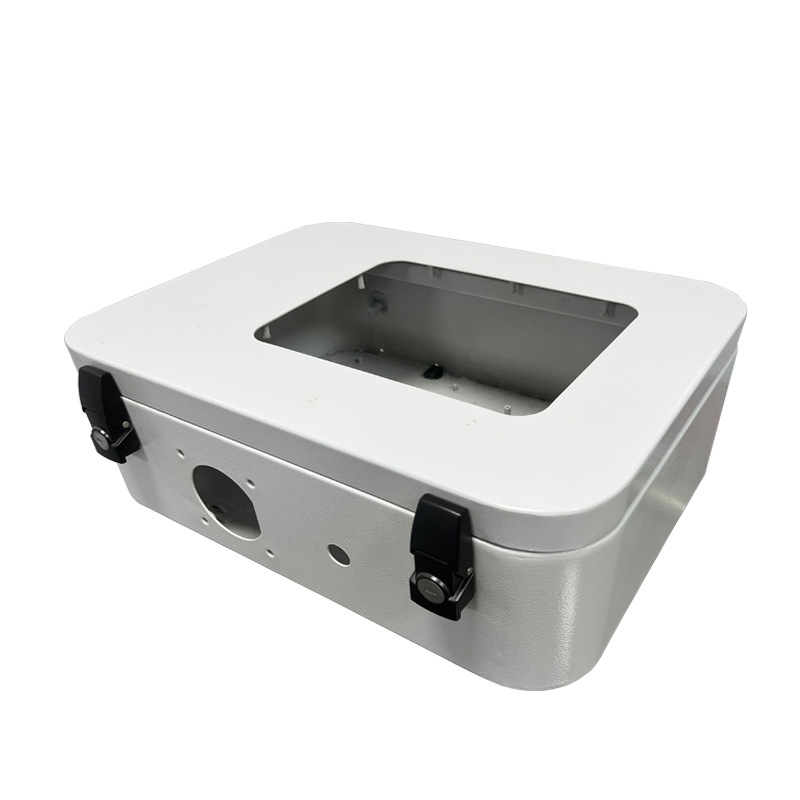
If you are designing a welded sheet-metal assembly with flatness or squareness requirements, send the joint layout and the tolerance zones to the 6CProto fabrication team before cutting steel. The weld procedure and fixture plan that hold your dimensions are cheaper to agree on now than to discover after the first bowed batch.