

Explore Sheet Metal Processes & Supplier Selection
What Precision Laser Cutting Is
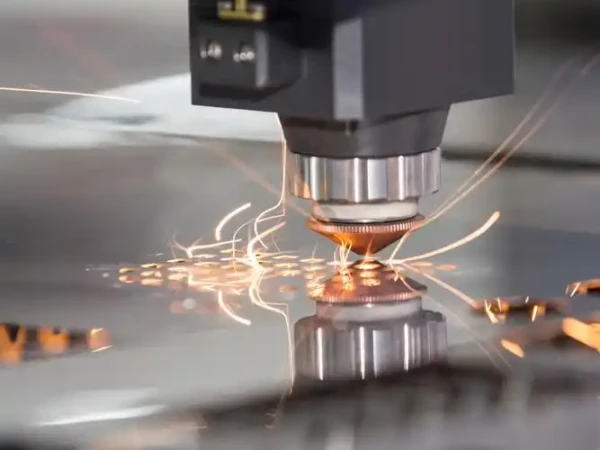
Precision laser cutting is a CNC-driven process that uses a focused beam of light to melt, vaporize, or blow away material along a programmed path. Because the beam is guided by digital instructions, the process produces intricate shapes with excellent repeatability, and it is widely used for sheet metal, functional prototypes, and detailed production components. The signature benefit is the cut edge: when the laser energy is controlled correctly, the cut zone stays narrow, which reduces burrs, minimizes the heat-affected zone, and improves part fit.
The process starts from a CAD file that defines the geometry. The machine converts the file into coordinated motion, directing the beam in the required pattern while assist gases clear molten material and improve cut quality. Thin materials cut with sharp, clean edges; thicker materials trade edge quality for speed, and the parameters, focus, and gas selection follow the material and thickness. This combination of accuracy, speed, and design flexibility is why laser cutting appears in both prototyping and production programs.
The Main Benefits in Practice
| Benefit | What it means | Why it matters |
|---|---|---|
| High precision | Tight dimensional control | Better fit and assembly |
| Clean edges | Less burr formation | Less finishing work |
| Fast turnaround | Digital setup, no hard tooling | Shorter lead times |
| Repeatability | Same result across batches | Stable production quality |
The practical value is fewer secondary operations. Because the cut is precise, there is often less deburring, trimming, or rework, which shortens the total lead time and lowers the total cost. The process is also non-contact, so tool wear is not part of the equation, and the narrow kerf wastes less material than broader mechanical cutting. For parts that must fit together tightly or where the edge condition matters, laser cutting is one of the most direct routes from CAD to a finished blank.
Materials and Accuracy
Laser cutting works best on sheet materials: carbon steel, stainless, aluminum, and copper-based alloys for metal work, and many plastics that cut cleanly without melting into the edge. Each material changes the parameters, with reflective metals like copper and aluminum needing a fiber laser and careful beam management. The accuracy is typically excellent for the part features, though it depends on the material, thickness, and the tolerances around thermal effects; thin sheet holds tight positions, while thick plate requires larger allowances for kerf and heat.
For prototypes, laser cutting is fast because the design change is a file change, not a tooling change, and for production it is repeatable because every part follows the same program. The laser cutting service and the sheet metal fabrication page describe the material range and the surrounding processes, bending and finishing, that turn a cut blank into a completed part.
Can It Reduce Heat Damage?
The heat-affected zone is small when the parameters are matched to the material, and that is the difference between a clean part and a part with discolored, hardened, or distorted edges. Fast, focused cutting on thin sheet produces a narrow zone; slow cutting or the wrong gas widens it. For corrosion-sensitive materials like stainless, the edge condition matters because the cut zone can lose corrosion resistance unless the parameters and any post-cut passivation or edge treatment are planned. The drawing should state the acceptable edge condition so the laser parameters and any secondary treatment are specified rather than left to default.
How It Fits Into Prototyping and Production
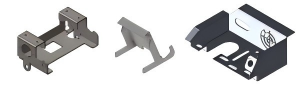
Laser cutting sits at the front of a fabrication workflow: cut the blank, then bend, form, punch, weld, and finish. That makes it ideal for enclosures, brackets, panels, and any part that starts from sheet stock. For prototyping, the speed of file-to-part iteration means the team can test geometry and assembly without committing to tooling; for low-volume production, the same program produces consistent batches, and nesting the parts on the sheet minimizes waste across the run. The edge and the formed features are verified together, using the sheet metal tolerance guide and the inspection framework for the parts that need documented evidence.
Design Preparation and Ordering
Prepare the CAD with the material thickness and the final part geometry, and confirm the features that are cut-in versus formed-later. Small holes and tight corners should respect the laser and material limits, and the part should be reviewed for nesting efficiency when the quantity is high. Before ordering, state the material grade and thickness, the edge condition, the tolerance on the critical features, and any need for deburring or finishing after the cut; the supplier then quotes the process and the secondary operations together. Standards such as NIST measurement practice provide the reference for how the cut dimensions are verified and reported.
Heat-Affected Zone and Edge Condition
The heat-affected zone is small when the parameters match the material, and matching them is the difference between a clean part and one with discolored, hardened, or distorted edges. Fast, focused cutting on thin sheet produces a narrow zone; slow cuts, the wrong assist gas, or excessive power widen it. The consequences depend on the material: a hardened edge on carbon steel can resist later forming, a discolored zone on stainless can compromise corrosion resistance, and a melted edge on a plastic can fail a cosmetic requirement. For cut edges that will be bent, welded, or left visible, the acceptable edge condition should be stated on the drawing, and the supplier should confirm the parameters and any post-cut treatment, such as grinding, thermal deburring, or passivation, that the requirement needs.
Nesting, Material Utilization, and Cost
Nesting, the arrangement of parts on the sheet, is where laser cutting economics are won. Good nesting increases material utilization, reduces waste, and can turn a marginal quote into a competitive one, especially for production quantities. The nest also affects quality: parts too close together risk heat interaction, and sharp corners on adjacent cuts can distort thin material. When ordering, provide the quantity and the part orientation constraints, such as grain direction or formed-feature alignment, so the supplier can nest intelligently. The cut cost and the material cost are separate line items, and reading the quote with the nest in mind shows where the money goes. The same nesting and tolerance logic is covered for the wider fabrication flow in the sheet metal materials page and the flat pattern guide, which connect the cut blank to the formed part.
Secondary Operations After the Cut
Laser cutting produces a blank, not necessarily a finished part. Bending, forming, punching, tapping, welding, and finishing usually follow, and each interaction with the cut edge should be planned. A cut edge that will be bent should sit away from the bend line or be reviewed for local hardening; weld seams on cut edges need clean edges for consistent fusion; and a decorative part may need edge deburring even when the cut is clean. Ordering the cut and the follow-on operations together keeps the responsibility with one supplier and the tolerances consistent. The forming and bending and surface finishing services are the typical next steps in the same program.
When Laser Cutting Is the Right Choice
Laser cutting earns the job when the part starts from flat stock, the geometry is intricate or hole-heavy, and the edge quality matters. It is the right choice for the first prototype of a bracket or enclosure, because the file-to-part loop is short and the design can change. It is also right for production parts that need consistent cut features and clean edges without the burr of a saw or the tooling of a punch. It is the wrong choice when the volume is high enough to justify hard tooling, when the material is impractical to cut cleanly, or when the edge from the cut does not meet the functional requirement, in which case grinding, milling, or another process should be considered.
The decision should be made on the part, not on the technology name. A job that is mostly formed bends and welds may spend more time in bending and finishing than in cutting, and the laser is only the first step; the quote and the plan should include the whole chain. Comparing the cut, formed, and finished cost across punching, laser cutting, and CNC machining on the same part shows which process fits the volume and the tolerances, and the forming and bending service completes the picture for parts that continue past the blank.
How to Read a Laser Cutting Quote
The quote should separate the material cost, the cutting cost, and the secondary operations. Material cost follows the grade, gauge, and the nest utilization; cutting cost follows the part count and the feature complexity, with thin slots and dense hole patterns taking longer; and secondary operations, deburring, bending, welding, and finishing, are separate line items. Reading the quote this way shows where the money goes and where negotiation is real, and it allows a like-for-like comparison between suppliers. The drawing should name the critical dimensions and the edge condition so the quote reflects the actual requirement, and the tolerance plan should follow the sheet metal tolerance guidance to keep the language consistent between the design and the shop floor.
FAQs
How precise is laser cutting?
It holds the part features closely on thin sheet, with the practical limit set by the material, thickness, and thermal effects. The drawing should state the critical dimensions and the edge condition so the parameters can be set to meet them.
Does laser cutting leave burrs?
Properly set parameters produce a clean edge with minimal burr on most materials. Dross can form on thicker material or at the exit side, and a quick deburring or finishing pass is planned where the edge condition matters.
Is laser cutting good for prototypes?
Yes, because a design change is a file change with no tooling, so geometry can be iterated quickly before committing to bending, welding, or molding.