
Engineering decisions, organised
CNC Milling, Turning & EDM
Compare milling, turning, Swiss machining and EDM by tool access, rotational geometry, setup count and the features each process can finish.
Updated October 11, 2026 · 39 focused articles
Turning, milling and EDM are answers to different geometry
A rotational part is a turning job: the workpiece spins, the tool follows a profile, and concentric features come out with a single datum. A prismatic part with pockets and faces is a milling job. A feature that no rotating cutter can reach — a sharp internal corner in hardened steel, a slot narrower than the smallest available tool — is an EDM job, and EDM needs a start hole or an open path that the design has to provide.
Most parts need two of the three. A turned shaft with milled flats is one setup on a mill-turn machine or two on separate machines; the difference is a tolerance stack and a handling cost.
Setup count is the real cost driver
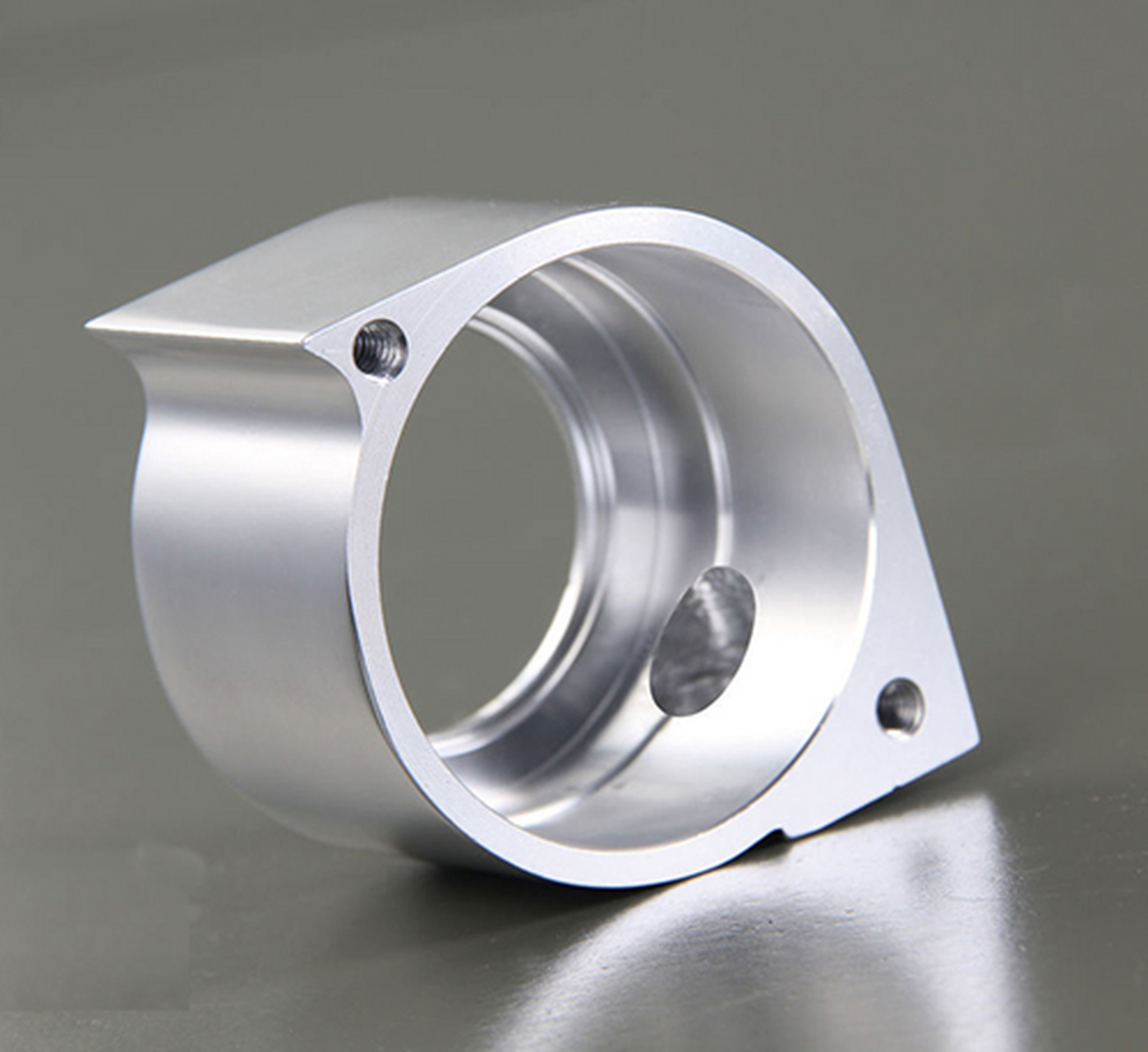
Every setup adds a fixture, a datum and a chance for error. A part that can be made in one setup has no inter-setup tolerance stack at all; the same part in three setups has two stacks and three chances to lose position. Designing features onto faces that are already being machined is the most reliable way to reduce the price of a part.
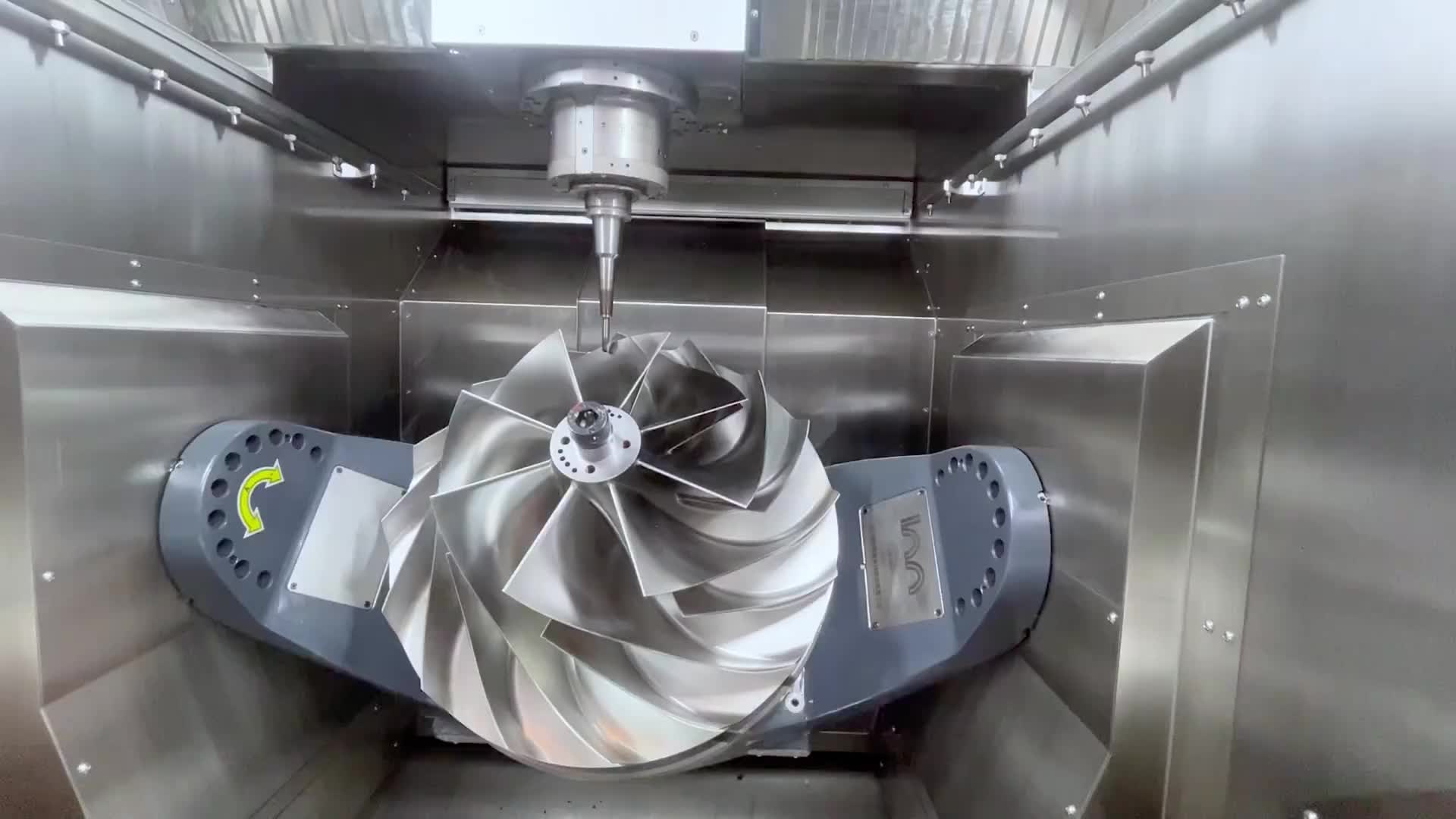
Five-axis machining is often bought for this reason rather than for the shapes it can make. Reaching five faces in one setup removes the stacks, even when the geometry is simple enough for three axes.
Hardened material changes the route
Once a part is heat treated, the cutting options narrow. Hard milling is possible within limits, but grinding and EDM take over for tight tolerances and sharp corners. That is why the heat treatment belongs in the process plan rather than at the end: leaving stock for grinding, or designing a feature so it can be wire-cut after hardening, is a drawing decision.
One diagnostic is worth remembering: when a quote comes back higher than expected, ask which operation dominates it. The answer is usually a setup, a small cutter or a finishing pass, and each of those has a design lever.
Where the answer is a small cutter in a deep pocket, the lever is geometry. Where it is a finishing pass, the lever is tolerance. Knowing which one applies is most of a cost review.
Find the guide for your next decision
Follow the guide that matches the feature, failure mode or project decision you are working on.
What is CNC Machining?A Complete Guide to Processes,Advantages,and Applications
History of CNC Machining: The Origins and Development of Computer Numerical Control
What Are Automated Precision Cells?
How to Replicate Obsolete Machine Parts Without Drawings?
Custom CNC Machining: Fast, Precise, Repeatable Parts for Prototyping and Production
On-Demand Manufacturing: Turning Design Into Real Parts Without Mass Production
EDM Processing: Precision Non-Traditional Machining for Complex Metal Features
Boring & Reaming: Getting Precision Holes Right in CNC Machining Projects
Custom Shafts Pins: From Prototype to Reliable Power Transmission Parts
What Are Bushings and Spacers in Custom Manufacturing?
What Are High-Speed Spindles and When Do They Matter?
What Is a Hard Turning Service and When Should You Use It?
What Is Large Diameter Turning?
What Is Deep Cavity Milling?
What Is 5-Axis CAM Programming and When Should You Use It?
How Does Undercut Machining Work?
How Should You Approach Complex Parts Machining?
CNC Turning or CNC Milling: Which Process Fits Your Part?
Swiss Machining Guide: Small-Diameter Precision and the Guide Bushing
CNC Machining for Oil and Gas: Sour Service, Traceability, and Pressure Parts
Thread Milling vs Tapping: How to Choose for a Specific Internal Thread
CNC Turning Guide: Design, Setup, and Drawing Callouts for Rotational Parts
Types of CNC Machines: A Complete Overview
Large CNC Parts: Machine Travel, Residual Stress, and Split-Design Decisions
CNC Turning for Short-Run Orders: Setup Economics for 1 to 500 Parts
Bar Stock Selection for CNC Turning: Grades, Sizes, and Machinability
Second Operations for Turned Parts: Milling, Grinding, and Threading After the Lathe
3+2 vs. Simultaneous 5-Axis: Setup Strategy and Accuracy Compared
Metal Hardness Comparison for Machined Parts: Rockwell, Brinell, and Vickers
Wire EDM vs Sinker EDM: Picking the Process by Feature Geometry
5-Axis CNC Machining: When Multi-Axis Setup Beats Extra Fixtures
CNC Prototyping Services: What to Compare Before You Release a Batch
Rapid Prototyping CNC Machining: How Setup Count Sets the Lead Time
What Are Secondary Operations In CNC Machining
Best CNC Machining for Prototype Performance Parts: What Actually Limits Accuracy
Bronze vs Brass: Which Non-Ferrous Metal for CNC Parts
304 vs 316 Stainless Steel for Machined Parts
Prototype Machining & CNC Rapid Prototyping: When CNC Beats Print or Soft Tooling
Magnesium Machining Porosity: Distinguishing Stock Defects From Cutting Damage
Before you release the project
- Define the function, environment and the question this batch must answer.
- Specify material grade, geometry, quantity, finish and the dimensions that control fit.
- Agree the inspection method and the evidence required to accept the parts.
- Record the drawing revision and approval before production begins.
Common planning questions
Which CNC process should I consider first?
Start with the geometry. Rotational parts are usually candidates for turning; pockets and planar faces suggest milling. Tool access, setups and hardened features decide whether multi-axis machining or EDM adds value.
Should every dimension have a tight tolerance?
Specify tight limits only where fit or function requires them, and define how those features will be measured. Broad tight-tolerance notes can add cost without improving the part.
What should accompany the CAD model?
Provide a controlled drawing, material grade, quantity, critical dimensions, finish and inspection requirements. Identify cosmetic and sealing surfaces before the quote.
Move from guidance to a reviewed project
Send the CAD model and drawing with material, quantity, finish and inspection requirements. Use the relevant service page to review the available manufacturing route.