

Explore CNC Milling, Turning & EDM
“Bronze vs brass” arguments on chat threads usually skip the only detail that matters: which alloy family and standard you mean. Both are copper-based non ferrous metals, but brass (typically copper-zinc) and bronze (typically copper-tin and related families) behave differently in CNC machining, wear, color, and corrosion. This guide helps engineers pick and specify them for machined fittings, bearings, electrodes, and decorative hardware—without linking to pages that do not exist on your site.
How should buyers define brass and bronze on a print?
Name the standard alloy, not the color.
Brass commonly refers to Cu-Zn alloys such as free-machining C360 for fittings and turnings. Bronze spans bearing bronzes, aluminum bronzes, and other Cu alloys used for wear or strength. Comparison resources from mills and platforms—such as Xometry’s bronze vs brass overview and Sequoia Brass & Copper’s comparison—stress composition and application over casual color names. “Yellow metal” is not a procurement specification.
If you need electrical conductivity more than zinc brass offers, look at copper grades via copper materials rather than forcing a brass callout.
When does brass win for CNC parts?
Brass wins on machinability, cosmetics, and many fluid/air fittings.
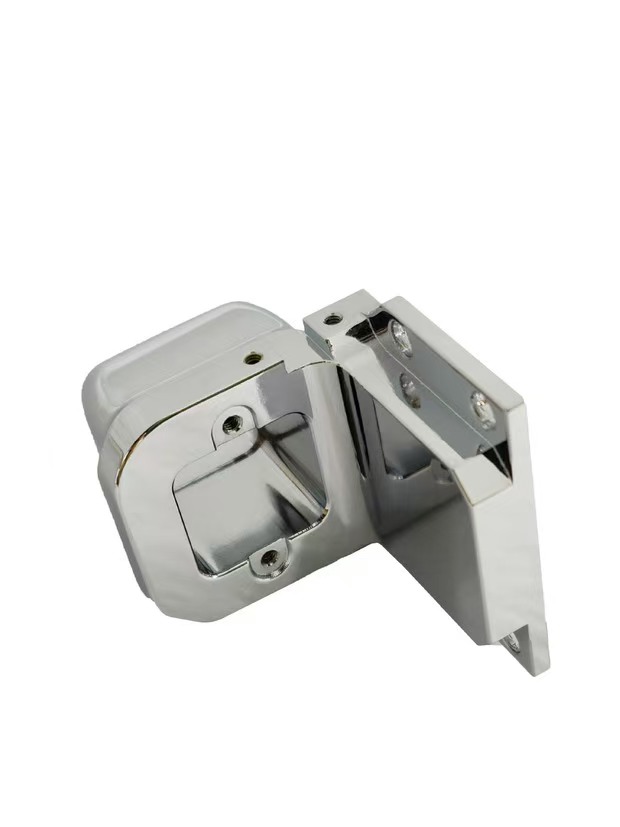
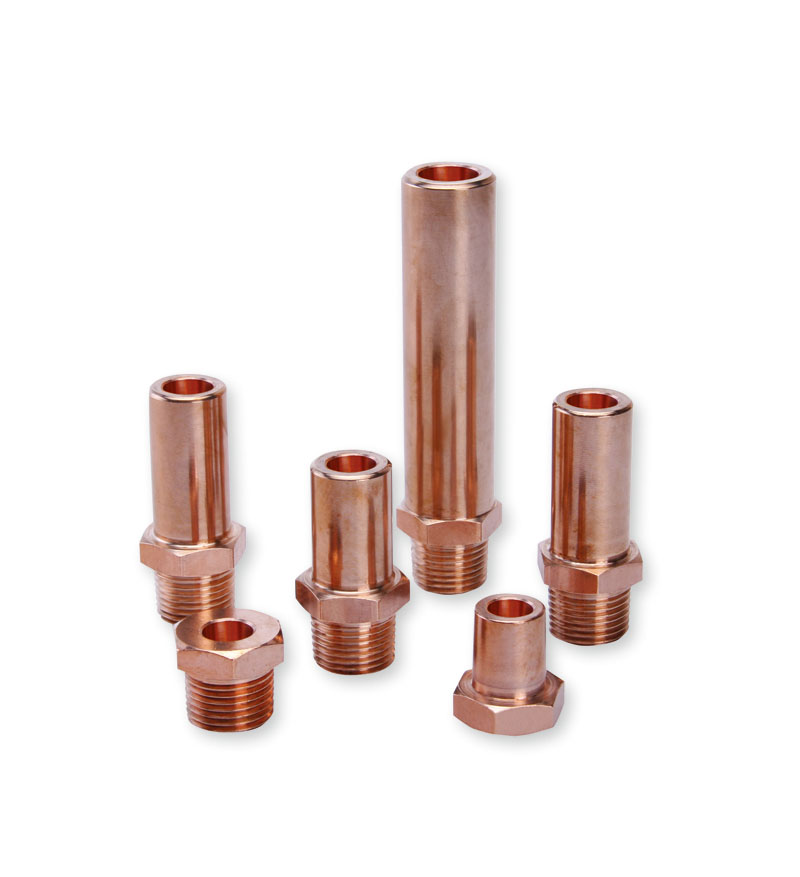
Free-machining brass turns cleanly, holds threads well, and supports decorative finishes including plating. It is a frequent choice for connectors, valves (within chemistry limits), instruments, and prototypes that must look finished without paint. Brass pages and electroplated brass examples show why designers like the combination of chip control and appearance.
Watch dezincification and ammonia stress cracking in certain environments—confirm chemistry suitability rather than assuming “brass is corrosion-proof.”
When does bronze win instead?
Bronze families often win for bearings, bushings, and higher wear duty.
Tin bronzes and related alloys are classic bearing materials; aluminum bronzes appear where strength and certain corrosion resistances matter. If the part sees sliding loads, shaft contact, or marine wear scenarios, start the conversation in bronze territory—then pick a specific alloy with a materials engineer. Belmont and Mead-style educational posts similarly frame bronze as an application-driven choice rather than a cosmetic swap for brass.
For prototypes, confirm bar stock availability; some bronzes are harder to buy overnight than C360 brass.
Machining notes for copper alloys
Control built-up edge and finish expectations.
Brasses like C360 are famously friendly on CNC lathes. Some bronzes and copper grades are gummier and need sharp tooling and tuned speeds. Deep blind holes and fine pitches deserve notes. If plating follows, define which surfaces must remain as-machined for conductivity or sealing. CNC machining RFQs should list alloy temper and any annealing state.
Copper.org (copper.org) hosts broad copper-alloy education useful for orientation; your drawing should still cite a purchasable designation.
Electrical, thermal, and cosmetic trade-offs
Pick the property you are actually buying.
Pure copper leads conductivity charts among common CNC metals; brasses trade some conductivity for strength and machinability; bronzes target mechanical/wear roles. Decorative color differs by alloy and tarnishes differently indoors. If color match across a product family matters, lock alloy and finish early—clear coat vs plate vs polish produce different aging.
RFQ checklist for brass/bronze CNC
Prevent “yellow metal” ambiguity.
Include: alloy designation (e.g., C36000), temper, finish/plating, RoHS/lead constraints if relevant, critical dimensions, and environment notes (potable water, marine, ammonia exposure). Lead-containing free-machining brasses may be restricted in some markets—confirm compliance needs. Upload files via Request a Quote.
Prototyping and low-volume strategy
Use brass for fast CNC learning when chemistry allows.
Many teams prototype in free-machining brass even when production might move to another alloy—only valid if corrosion and strength tests are not the point of the prototype. For bearing trials, prototype in the bronze you will ship. Combine CNC fittings with sheet metal or molded housings under one on-demand PO when assemblies must fit before tooling.
Alloy pick-list patterns for common CNC jobs
Start from the job, then shortlist alloys.
Turned fittings & adapters: free-machining brass (compliance allowing). Decorative knobs/hardware: brass with plate or lacquer. Sleeve bearings: tin bronze family per load/speed. Marine shafts/hardware (selected): aluminum bronze candidates with engineering review. High conductivity terminals: copper grades first. Xometry and mill blogs (bronze vs brass) are useful primers; always finish with a purchasable temper and standard.
Keep a one-page internal cheat sheet so buyers do not reorder “bronze” when the last successful lot was a specific C9xxxx designation.
Plating, polishing, and fingerprinting realities
Copper alloys show handling.
Define polish direction, brush patterns, and whether fingerprints are cosmetic defects. For plated brass, specify base polish and plating thickness classes. Masking threaded or sealing features must appear on the drawing. Electropolish is more common on stainless than brass, but specialty finishes exist—quote them as options.
Packaging soft-wrap is part of the process for polished copper alloys; omit it and you will pay for re-polish.
Wear testing before freezing a bronze bearing
Do not finalize bronze from a catalog photo.
Run a bench test with the actual shaft material, load, lubrication (or lack of it), and duty cycle. Record temperature rise and wear scars. CNC a small coupon set before cutting a family of housings. If polymer bearings or coated steels compete, include them in the same test matrix so the bronze decision is evidence-based.
Compliance: lead, drinking water, and RoHS-style constraints
Free-machining brasses may include lead for chip breaking.
If your market restricts leaded copper alloys, say so in the RFQ and ask for compliant alternatives (which may machine slower and cost more). Potable-water applications may impose additional chemistry rules. Never assume a hobbyist brass bar meets product-compliance needs. Put the regulation or customer blacklist in the quote package.
Color match and aging expectations for brass cosmetics
Brass ages; plan for it.
If a product family must match for years, define whether natural tarnish is acceptable, whether clear coats are required, and how warranty cosmetics are judged. Photograph masters under agreed lighting. Without that, returns become subjective arguments about “too dull” yellow metal.
Vetting copper-alloy CNC shops for fittings and bearings
Ask how the shop will fixture, inspect, and document the first article.
Request a short process traveler outline: incoming material check, machine type assumptions, in-process checks, finishing handoff, and final pack. Vendors who cannot describe that path will struggle when revisions hit. Compare two quotes only after those assumptions are written. For China on-demand partners, also confirm English technical communication channels and who owns DFM replies when the primary engineer is offline.
Locking brass/bronze designations across ECOs
Freeze what you cut; annotate what you are still learning.
Every release should state which features are locked for the current build and which are experimental. Shops can then avoid over-investing in hard fixtures for features you expect to delete. Purchasing should refuse to release POs that lack a revision letter. When an ECO arrives mid-run, decide scrap-versus-rework explicitly rather than leaving parts in limbo on a shelf.
Shipping polished brass without fingerprint claims
The job is not done at the spindle or press.
Define bagging, desiccant, edge protection, and label fields (PO, revision, quantity, material). Receiving teams should know which dimensions to spot-check on arrival. Photos of packaged first articles help remote buyers accept shipments without unpacking every carton immediately. Damaged cosmetics on polished stainless or brass are often packaging failures, not machining failures—write the pack spec once.
Brass fittings coordinated with molded or sheet housings
Mechanical releases should carry connector and PCB keep-out updates.
When electronics change hole patterns after mechanical CAD is quoted, machining and molding both suffer. Hold a brief cross-functional gate before releasing metal or soft tools. Share a single interface control sketch with the manufacturer so bosses, PEM nuts, and keep-outs stay synchronized across processes.
Separating alloy premium, plating, and turn-time in quotes
Ask for a line-split even when you will approve a lump sum.
Seeing setup versus run versus finish versus freight teaches the team where redesign leverage exists. A part that is “expensive” because of hand polish may need a texture change more than a new vendor. Freight mode should be selectable per release—air for demos, consolidated ocean for stable pilots—without rewriting the manufacturing quote.
Chip control and coolant notes for copper alloys
Some copper alloys prefer different coolant strategies than steels. Ask the shop to note if dry machining or mist is assumed for cosmetic turned brass. Chip evacuation in deep holes prevents rubbing that ruins surface finish. For long turned shafts, steady rests or follow rests may be required—geometry that looks simple in CAD can still need special workholding called out in DFM.
Lead-compliance questions for free-machining brass
Document assumptions in the RFQ, confirm material grades in writing, and separate tooling or setup costs from piece price whenever quotes are compared. Ask the manufacturer to restate critical dimensions, finishes, and inspection methods in the quotation so purchasing, engineering, and the shop share one interpretation. Keep revision letters synchronized across CAD, PDF, and email threads. When lead time is critical, identify finishing and hardware as separate critical-path items rather than burying them inside a single optimistic date. Record DFM decisions in a shared folder so later ECOs do not reopen settled questions. These habits matter as much as spindle time or cavity steel for cross-border on-demand work with English-speaking project managers.
Conclusion
Bronze vs brass is a composition and duty-cycle decision. Brass often dominates CNC fittings and decorative turnings; bronze families dominate wear and certain structural copper-alloy roles. Specify alloys, finishes, and compliance needs clearly so non-ferrous CNC quotes stay comparable and fit for the environment.
Next step: Send copper-alloy CAD with designations via Request a Quote, projects@6cproto.com, or WhatsApp +86 180 2219 4001.
FAQ
Is brass stronger than bronze?
It depends on the exact alloys. Some aluminum bronzes outstrength common brasses; some brasses outmachine bearing bronzes. Compare named grades, not dictionary words.
Can I plate bronze the same way as brass?
Process windows differ. Define the plating system and test adhesion on the production alloy.
Why do shops love C360 brass?
Chip control and tool life are typically favorable, which lowers CNC cost on turned features. Confirm lead/compliance constraints for your market.
What should I use for high conductivity CNC electrodes or bus parts?
Evaluate copper grades first. Brass is usually a compromise when machining ease outweighs conductivity.
Do you have a bronze material page to link?
Use alloy callouts on the drawing and copper/brass hubs where relevant; do not link a bronze URL that returns 404.