

Explore CNC Milling, Turning & EDM
Early hardware programs fail schedules when the prototype process cannot answer the question the test needs. Form studies want speed; sealing and torque tests want production-like material. Prototype machining—often discussed as CNC prototyping or CNC rapid prototyping—fills the gap when chips from real stock matter more than a printed lookalike. This article is a decision guide for engineering and sourcing teams, not a pitch for every part to stay on a mill forever.
What problem does prototype machining solve?
It delivers functional parts from production-intent stock without hard tooling.
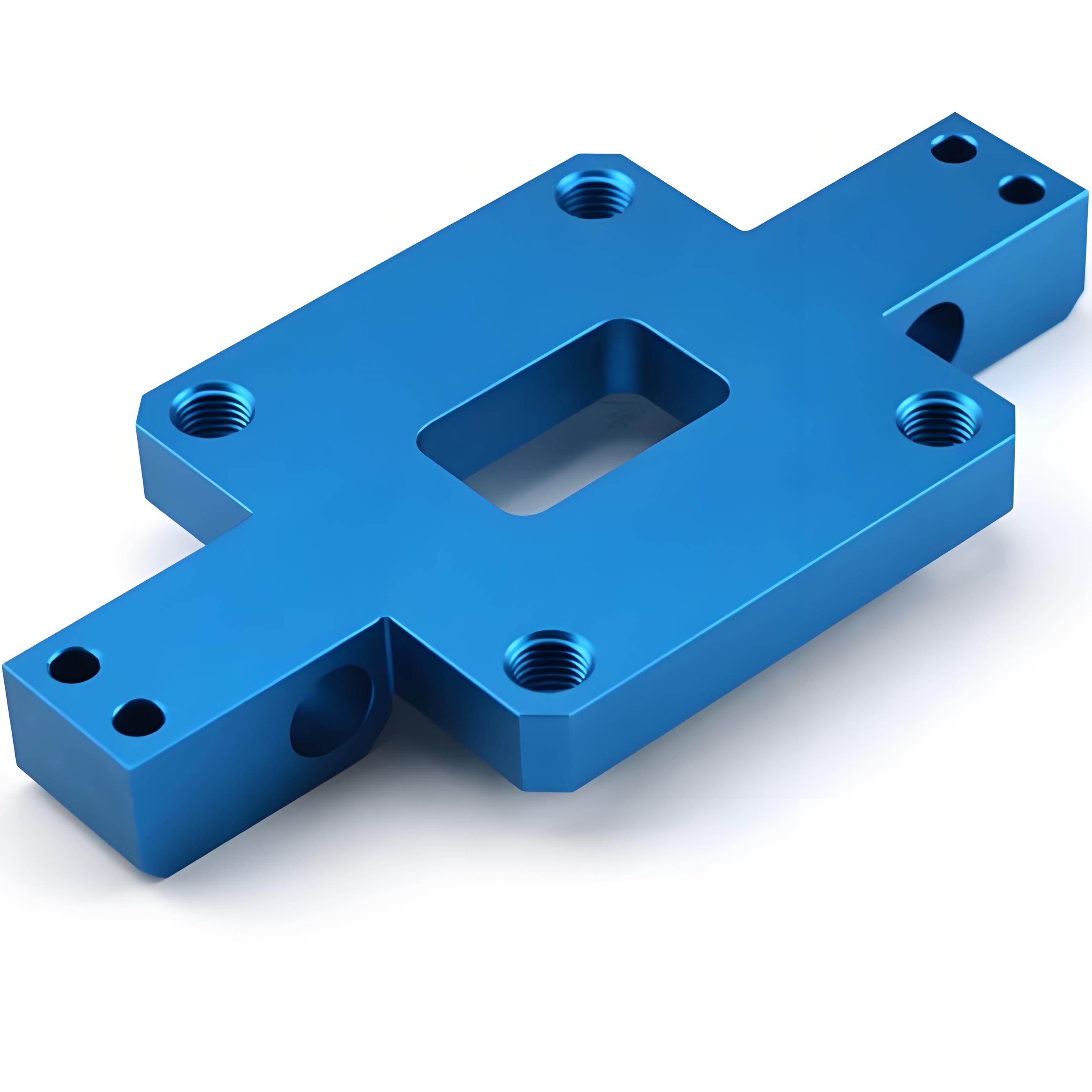
CNC removes material from metal or plastic blanks so mechanical properties, threads, and finishes behave closer to wrought or extruded supply than most additive plastics. Guides aimed at prototyping teams, such as MakerVerse’s CNC prototyping overview (CNC machining for prototyping), emphasize the same buyer logic: use CNC when accuracy, material match, and surface integrity dominate.
If your next test is drop, pressure, or EMI shielding with real alloys, prototype machining is usually the shorter path to a trustworthy answer.
When is CNC rapid prototyping the wrong first move?
Skip CNC when you only need shape feedback overnight.
For ergonomics, packaging fit, or internal briefing models, 3D printing is often cheaper per iteration. Complex lattices and deep internal channels that would require many setups or EDM also favor additive—at least until the geometry freezes. Likewise, if you already know the plastic will be molded and you need 20 cosmetic twins, urethane casting from a printed master can beat milling twenty identical plastics.
CNC becomes expensive when every revision changes the entire setup. Batch your design freezes: print for week one, machine for week three’s sealed test.
How do you compare CNC, additive, urethane, and soft tooling?
Match process to the decision you need this sprint.
| Need this sprint | Prefer | Watch-outs |
|---|---|---|
| Form / packaging | 3D print | Material ≠ production |
| Functional metal | CNC machining | Setup cost on tiny qty |
| 10–50 plastic cosmetics | Urethane casting | Limited heat/chem resistance |
| Bridge to molding | Soft/tooling insert molds | Tool lead time vs CNC |
A China on-demand shop that runs rapid prototyping, CNC, urethane, and low-volume injection molding under one project manager can stage these without re-qualifying a new vendor each time. That staging is the real advantage—not any single buzzword.
What should a CNC prototype RFQ include?
Treat prototypes like production drawings, just with clearer revision notes.
Include material grade, which dimensions are “test critical,” cosmetic faces, and whether you will iterate in one week. Mark features that may change so the shop does not over-invest in hard fixtures. If threads will be cut in metal prototypes but molded later, say so—thread form and insert strategy may differ.
Upload STEP + PDF through Request a Quote. Ask for DFM comments focused on prototype manufacturability: thin walls that chatter, deep pockets that need long tools, or radii that force custom cutters.
How many CNC iterations are economical?
Plan two machined loops, not eight.
Use additive to burn down gross fit issues, then machine a “Rev C functional” set for seals, bearings, and torque. A second CNC loop should be reserved for lessons from test data, not for discovering that a USB connector interferes with a wall. Procurement can negotiate better unit pricing when you release 3–10 pieces of a frozen revision instead of onesies every other day.
For plastics destined for molding, a CNC ABS or PC housing can validate snaps before soft tools. For metals destined to stay machined, optimize for fixture reuse across revisions.
Inspection: what does “good enough” mean for prototypes?
Define the test, then the metrology.
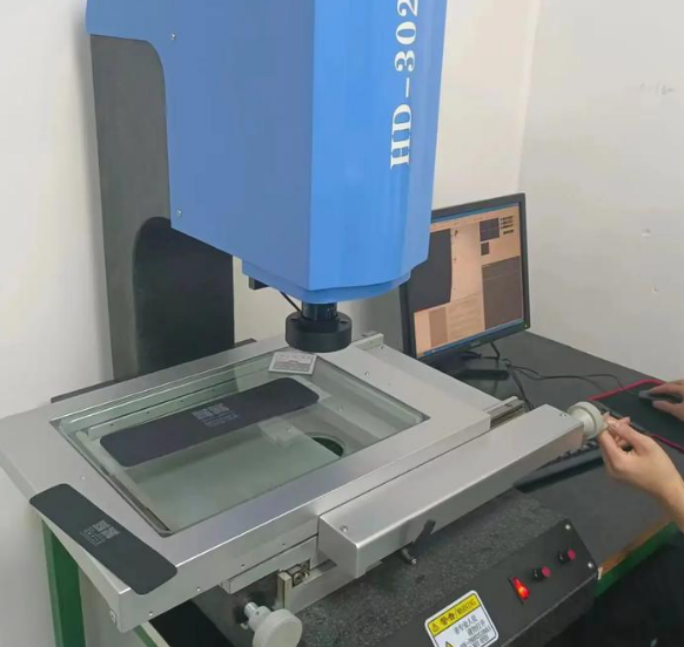
If the prototype only proves assembly sequence, a caliper check on critical interfaces may suffice. If it gates a customer pilot, specify CMM on datums and include a simple FAIR-like sheet. Shops publishing prototype CNC pages (for example industry articles from Prolean and Ptsmake style vendors) repeatedly stress documentation—not just shiny parts. Pair that mindset with your own quality plan rather than assuming “prototype” means “unmeasured.”
Bridging CNC prototypes into low-volume production
Keep the process decision explicit on the roadmap.
Some brackets never leave CNC; they move from prototype qty to low-volume manufacturing with the same CAM strategies. Plastic housings often move CNC → soft tool → multi-cavity. Sheet enclosures may start laser-cut, then graduate to stamped blanks. Write that ladder into the project plan so finance does not treat every CNC invoice as “tooling failure.”
ASME drawing practices (ASME standards) and clear revision control matter more during prototype churn than during steady production—exactly when teams are tempted to skip them.
Practical tips that shorten CNC prototype lead time
Small packaging choices save days.
Consolidate multiple components that share material into one order; allow standard stock sizes; prefer through-holes over odd blind depths when testing only; and accept as-machined finishes unless cosmetics are part of the experiment. If anodize or bead blast is required for a customer demo, call it a separate line item so machining is not blocked on finishing capacity.
Cost anatomy of a CNC prototype order
Setup and programming dominate onesie pricing.
A single complex 5-axis part can cost more than five simpler 3-axis parts of the same volume because fixture design and prove-out dwarf spindle time. Batching like materials and like revisions amortizes that overhead. Ask the shop to show setup versus run time on the quote if you need to explain cost to finance.
Material blanks also matter: designing around standard plate thicknesses and bar diameters reduces waste. Exotic tempers with long mill lead times can erase any “rapid” advantage—confirm stock before promising a demo date.
Communication habits that keep prototype CNC on schedule
One owner, one revision, one decision log.
Prototype programs die in email CC chains. Assign a single engineering owner for RFQ answers, freeze a revision for each machining release, and store DFM replies next to the CAD. WhatsApp is fine for speed if decisions are copied back into the controlled folder. MakerVerse’s prototyping guidance (CNC for prototyping) aligns with this: clarity beats raw machine speed.
If finishing is on the critical path for a customer demo, release the blank machining early and overlap coating—do not hold the mill waiting on a last-minute color choice.
Using urethane casting and soft tools beside CNC
Think of CNC as one lane on a multi-lane roadmap.
Urethane casting covers short plastic runs with production-like cosmetics when molds are not ready. Soft tools cover higher plastic counts. CNC covers metals and engineering plastics that must take real loads. The mistake is forcing every question onto one process. Write the test matrix first, then map each test to a process lane.
Example decision paths for three common hardware teams
Walk the matrix with concrete scenarios.
Metal drone bracket: print for clearance checks day 1–3; CNC aluminum for load and fatigue day 7; keep CNC into low volume unless casting is justified later. Plastic handheld enclosure: print for ergonomics; CNC ABS for snap and screw-boss abuse tests; soft tool for 200 pilot units; steel tool after UI freeze. Sheet metal controller box: laser-cut and bend in production thickness immediately; CNC only the precision heatsink or connector plate.
These paths keep CNC machining where it answers mechanical risk and keep additive where it answers shape risk. Teams that invert that order burn budget milling cosmetics and printing structural guesses.
Supplier questions that reveal prototype maturity
Ask how fixtures, inspection, and revisions are handled.
Good answers name assumed setups, which dimensions are checked, and how ECO revisions are priced. Vague “we are fast” answers without a revision policy usually mean change orders later. Share your test calendar so the shop can propose parallel finishing or partial shipments of critical components first.
Risk register for CNC prototype programs
Capture risks that quotes rarely show.
Stock lead time for odd alloys, cutter availability for tiny internal radii, finishing queue before trade shows, and drawing ambiguity on cosmetic grades all create silent delay. Put them in a one-page risk register with owners. If a radius requires a custom tool, either redesign to a standard cutter diameter or accept the lead time explicitly.
International shipping adds customs variability; buffer demos that cannot slip. Partial air-ship of critical parts with ocean for the rest is a normal pattern for mixed BOMs.
Data package for cross-border prototype CNC
Treat the folder structure as part of manufacturability.
Include a README with quantity, date need, material, finish, and inspection level; a STEP named with revision; a PDF drawing; and a redlines file if only some features changed since last order. Shops lose days reconciling “final_final3.stp” against an unmarked PDF. For multi-part assemblies, provide an exploded PDF and a BOM with material per line. If NDAs limit CAD sharing, provide a defeatured model plus critical interface solids—still better than screenshots.
When finishing is required for a photo shoot, separate “engineering units” from “cosmetic units” on the PO so inspection criteria do not fight marketing needs.
Conclusion
Prototype machining and CNC rapid prototyping earn their place when material behavior, threads, and tolerances must resemble production. Use printing and casting for earlier or cosmetic loops, then machine the revisions that answer mechanical questions. Stage soft tooling only after those questions settle. That sequence protects both schedule and tooling budget.
Next step: Share your prototype package for CNC or mixed-process advice via Request a Quote, projects@6cproto.com, or WhatsApp +86 180 2219 4001.
FAQ
Is prototype machining the same as production CNC?
The machines overlap, but fixtures, inspection depth, and documentation often differ. Prototype jobs prioritize speed and learning; production adds process capability and repeatability evidence. Tell the shop which mode you need.
Can CNC prototypes use the same plastic as molded production parts?
Often yes for ABS, PC, POM, and similar grades available as plate or rod. Some filled production resins are hard to buy as machinable stock—confirm supply before promising a material match.
How fast can CNC prototypes ship internationally?
Lead time depends on complexity, finishing, and queue. Cross-border shipping adds transit after machining. Ask for separate machining and freight estimates rather than one vague “rush” promise.
Should every metal prototype be 5-axis?
Only when geometry demands it. Many prototypes are faster on 3-axis with smart fixtures. Extra axes help when setups would otherwise stack error across a short learning cycle.
When should we move from CNC plastic parts to a mold?
When geometry is stable, demand exceeds what milling can economically deliver, and cosmetic/texture requirements need molding. Soft tooling can bridge before multi-cavity steel.