
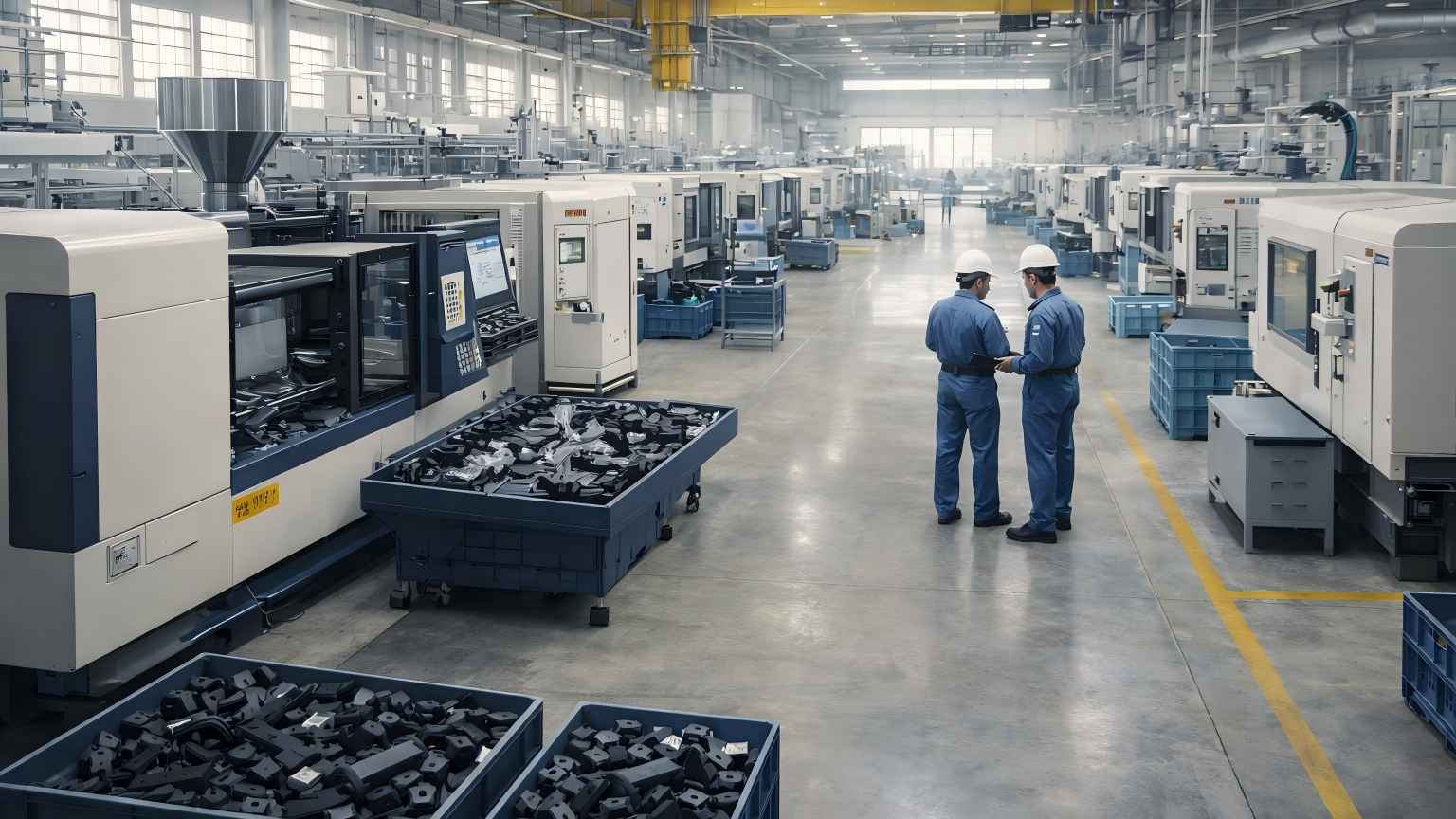





Flexible Production After the Design Is Stable
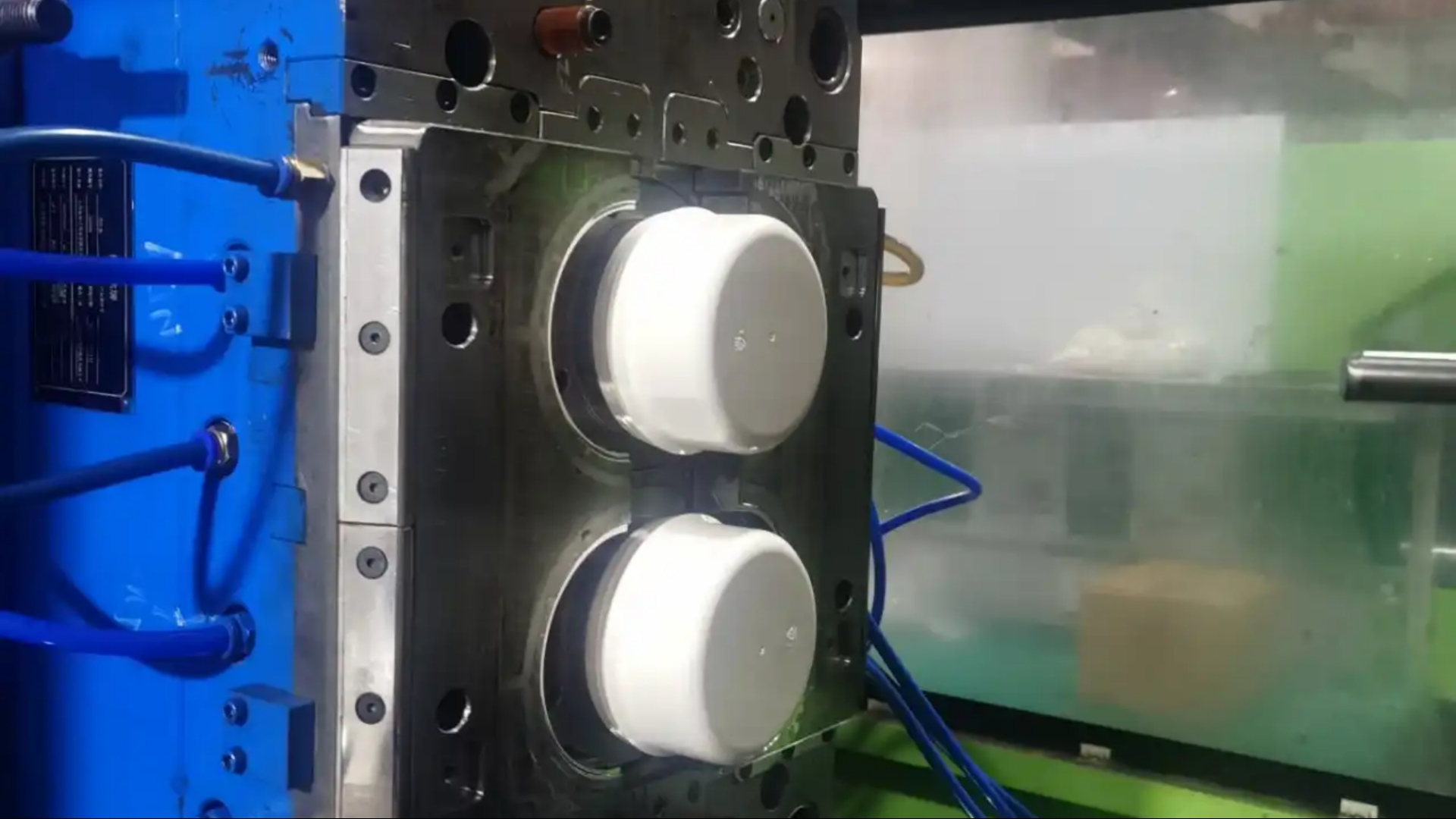
Low-volume injection molding uses an approved tool and controlled process to supply production-intent parts in quantities aligned with actual demand. It is useful for pilot launches, bridge production before a larger program, scheduled replenishment, service parts, and products with uncertain or seasonal volume.
The main outcome is reliable batch supply, not early design learning. If the tool still needs to be designed and qualified, start with Rapid Tooling Services. If you still need molded parts to validate the design, use Prototype Injection Molding.
Explore Low-Volume Molding Resources
Jump to the information most relevant to your mold or molded-part program.
When Low-Volume Injection Molding Fits
Use low-volume molding when the economics and consistency of molded parts matter but demand does not support a large inventory commitment.
Supply Before Scale-Up
Support launch demand while a future high-volume tool, supplier, or full production line is still being prepared.
Match Inventory to Demand
Order approved parts in changing quantities instead of building a large stock before demand is known.
Service and Mature Products
Maintain replacement, service, specialty, or seasonal part supply when annual demand does not justify continuous production.
A Repeat-Order Production Workflow
The workflow is designed to preserve the approved baseline while allowing quantity and delivery schedule to change.
Approve the Production Basis
Lock the part revision, mold status, resin, color, finish, critical dimensions, sample, and order requirements.
Schedule Material and Capacity
Confirm batch quantity, material lot needs, inserts, secondary operations, inspection, packing, and delivery date.
Run the Approved Process
Set the tool and resin, establish the agreed molding window, verify start-up parts, and produce the batch.
Inspect, Finish, and Ship
Complete the specified checks and secondary operations, identify the batch, and package parts for delivery.
Keep Repeat Batches Consistent
Low volume does not mean informal production. A controlled baseline lets the same tool support changing order quantities without losing traceability.
| Control Point | What to Define | Why It Matters |
|---|---|---|
| Approved revision | CAD, drawing, deviations, mold revision, and change history | Prevents obsolete geometry or tool state from entering a repeat order |
| Material identity | Resin producer, exact grade, color, additives, and substitutions policy | Protects function, appearance, shrinkage, and test results across batches |
| Start-up approval | First-off checks, visual standard, critical dimensions, and process confirmation | Finds setup or tool issues before the full batch is completed |
| Lot inspection | Sampling plan, measurement method, records, and release criteria | Creates a consistent basis for accepting each shipment |
| Packaging | Part protection, counting, labels, traceability, and special handling | Preserves cosmetic and functional quality through delivery |
Materials for Low-Volume Molded Parts
6CProto lists a broad injection molding material selection; final availability and processing are confirmed against the exact grade and part design.
General-Purpose Plastics
Polypropylene, polyethylene, ABS-type families, and other commonly molded resins support many consumer, housing, packaging, and industrial applications.
Engineering Plastics
Polycarbonate, PC+ABS, nylon, POM, PET, PMMA, reinforced grades, and higher-performance polymers support demanding mechanical or environmental needs.
Multi-Material Processes
Insert molding, overmolding, TPU, and liquid silicone rubber are reviewed around bonding, inserts, loading, sealing, flash control, and tool compatibility.
Finishing and Secondary Operations
Treat appearance, decoration, inserts, assembly, and packaging as controlled production steps rather than last-minute additions.
Mold Texture
SPI polish or texture is created at the tool surface and should be approved with visible-part requirements and release needs.
Color and Appearance
Define resin color, masterbatch, gloss, visual limit sample, and acceptable variation for repeat orders.
Printing and Decoration
Screen printing, hot stamping, painting, and water-transfer printing can add graphics or decorative finishes where suitable.
Assembly and Inserts
Coordinate molded-in inserts, overmolded areas, assembly steps, and packaging in the production routing.
Common Low-Volume Production Programs
The best candidates combine stable geometry with real recurring demand that does not require continuous high-volume output.
Pilot and Market Launches
Supply salable products while teams monitor demand, field performance, packaging, and channel feedback.
Industrial and Electronic Housings
Produce covers, brackets, bezels, connectors, handles, and enclosure parts with repeat assembly and cosmetic requirements.
Replacement and Specialty Parts
Maintain smaller quantities for service programs, mature equipment, variants, accessories, and seasonal demand.