

A more production-like prototype can be the wrong first purchase when the unresolved question is simply whether a connector fits. Conversely, an excellent printed fit model can be weak evidence for repeated cleaning or a molded clip. Medical device prototyping works better when each build has a defined question, representative features, acceptance criteria, and limits on what its results can establish.
What each process proves in device development
Choose a medical device prototyping process for the evidence required: geometry, assembly, material behavior, manufacturing features, or a defined performance test. Compare CNC, printing, urethane casting, and soft tooling against that objective. Record material and process differences from the intended device, establish acceptance, and avoid treating a successful appearance or fit check as device validation.
For a buyer, the first comparison should be between test objectives, not machine names. A housing used to position a display and check fastener access can tolerate different surrogates from a component selected for a material-dependent test. Identify the intended evaluation and who will approve the results.
CNC can investigate geometry in an available machined stock grade, but machining does not reproduce molding history. Printing can explore complex geometry, while orientation, material, and post-processing affect representativeness. Urethane casting can provide repeated parts from a master, but a cast formulation is not automatically the named production thermoplastic. Soft tooling can investigate molded features in a selected resin, yet the tool and process still need a defined relationship to production.
FDA’s non-clinical bench-testing guidance emphasizes describing test articles, methods, acceptance, and representativeness. Use that evidence discipline when planning a formal test. An exploratory prototype study and submission-supporting performance testing should not be silently treated as the same deliverable.
Documentation caution
Define the record package before quoting. Include the controlled design revision, material identification, manufacturing route, finish and cleaning state, quantity, test purpose, inspection, and any required traceability. Record deviations from the intended production design and their effect on interpretation.
FDA’s QMSR page confirms the regulation became effective on February 2, 2026, and explains its scope. Have the responsible device team determine the requirements applicable to the project. Do not use an obsolete design-control reference as a substitute for reviewing the current framework.
A manufacturing quote or prototype inspection report does not establish device authorization. Confirm any required supplier quality-system evidence separately. This article does not assert ISO 13485 certification, FDA clearance, sterile manufacture, or patient-use suitability for 6CProto or an unspecified prototype.
Table: stage vs process
The stages below are examples of development questions, not a mandatory sequence for every device. One design can require several routes in parallel; another can move directly to a representative process when the test demands it.
| Development question | Route to investigate | Useful evidence | Boundary to record |
|---|---|---|---|
| Do components fit and remain accessible? | Suitable print or CNC model | Selected dimensions and assembly observations | Surrogate material and process effects |
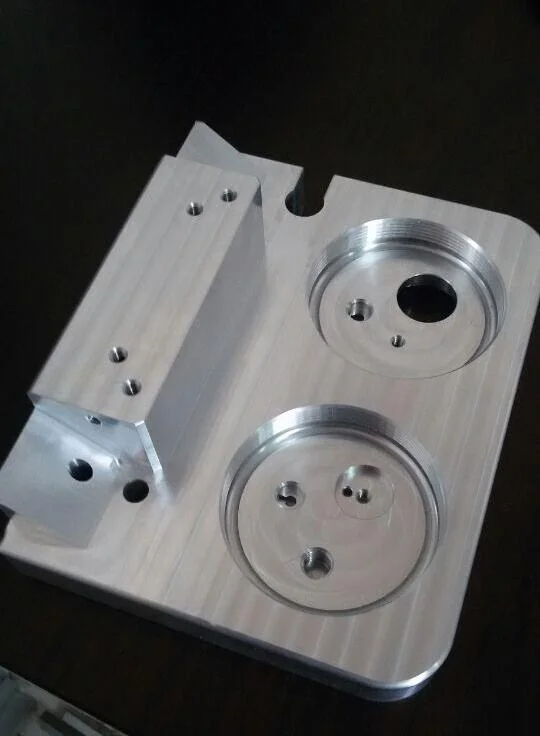
| Does an available stock material meet a defined bench objective? | CNC in the selected grade | Applicable final-part results | Difference from molded or printed production state |
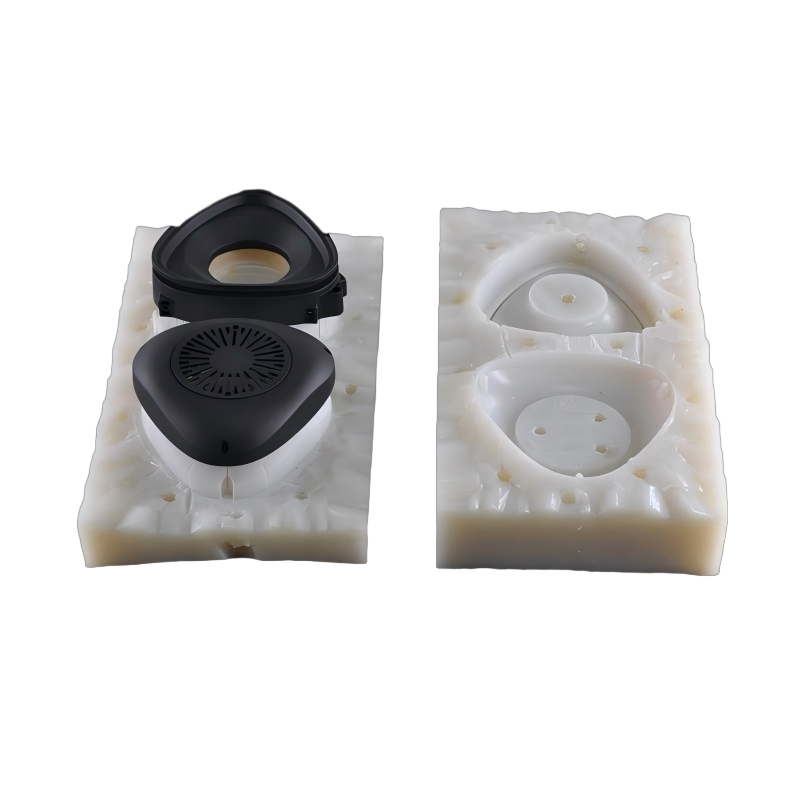
| Are repeated presentation or assembly samples needed? | Urethane casting where appropriate | Defined appearance and interface checks | Cast formulation and master/tool effects |
| How do molded ribs, clips, gates and resin behave? | Representative soft-tool molding | Results for the actual resin, tool and process | Remaining differences from production |
Specify the test condition for each row you select. A passing room-temperature assembly trial does not establish behavior after a cleaning cycle, aging, sterilization where relevant, or loading. Add those conditions only when justified by the actual development requirement.
Material constraints
Ask for the actual product and grade rather than a family name or an “-like” label. Review the properties relevant to the test, the material state, and the effect of fabrication and finishing. Include purchased inserts, pigments, adhesives, coatings, and other constituents where they affect the evaluation.
FDA’s additive-manufacturing guidance addresses material, build, post-processing, and testing considerations. For a printed test article, document the relevant route and final state. A resin data sheet alone cannot describe every finished component produced from it.
FDA’s biocompatibility resource identifies the information needed to assess the device. Where body contact is relevant, determine the required biological evaluation through the responsible team. Consider final processing and residues rather than inferring suitability from a material’s marketing description.
Similarly, do not assume compatibility with a cleaning or sterilization route from the generic polymer name. Evaluate the specific formulation, geometry, process, and exposure where the intended test requires it. A visually intact sample can still leave an important property or requirement untested.
FAQ
These questions address specification details that should be settled before sample approval.
Does the most production-like prototype always make the best first purchase?
No. Select the first build for the question it must answer and the changes still expected. A simpler model can support a geometry decision, while another test requires representative material or processing. State the evidence boundary and avoid paying for fidelity that does not serve the current objective.
Can an ABS-like cast resin validate an injection-molded ABS component?
Not automatically. Compare the actual chemistry, properties, processing, geometry, and test objective. A cast surrogate may support selected appearance or assembly work, but it cannot establish all behavior of the production thermoplastic or molding process.
Related process selection notes
Use an evidence matrix to compare routes and quotes. For each requirement, identify the sample, process, test, acceptance, result, and remaining uncertainty. Mark what is exploratory and what is intended to support formal verification or validation. Avoid carrying an early surrogate result into a later decision without reviewing whether it remains representative.
ISO 14971’s public overview describes a lifecycle risk-management framework for medical devices. It supports relating development evidence to risks and controls; the overview does not establish that a project has implemented the full standard.
Compare complete work: design preparation, material sourcing, manufacturing, finishing, cleaning where specified, inspection, documentation, and test readiness. When a route changes, assess the affected evidence and update the controlled plan. Select the prototype that closes the current question with an appropriate degree of confidence.
Internal links and next steps
Send the model, drawing, quantity, intended evaluation, material requirements, final condition, acceptance criteria, and document needs. Review the application through medical-device development and plan the build through rapid prototyping. Compare CNC, urethane casting, and prototype molding against the same test purpose.
Request a prototype quote with the evidence objective and material limitations defined. Confirm the actual route and supported deliverables before ordering.
FAQ
These questions address specification details that should be settled before sample approval.
Does a material described as biocompatible make the prototype ready for patient use?
No. Biological evaluation depends on the actual device and relevant contact, materials, processing, residues, and final condition. Have the responsible device team establish the appropriate evidence. A raw-material label or a supplier website cannot replace the required evaluation and authorization.
Does soft tooling complete production process validation?
No. A bridge or prototype tool provides evidence about its actual configuration and process. Determine whether that evidence represents the intended production route and which requirements remain open. Control changes and complete the applicable verification and validation before making a broader claim.