

The material a turned part starts from is the material that decides its cost and its machinability. Bar stock selection balances three things: how easily the grade machines, what size and condition the part needs, and how the grade is supplied. A turned part is only as good as the bar it came from, because the diameter, straightness, and free-machining behavior of the raw material carry into every feature. This article covers how to select bar stock for CNC turning: the grade families, the size and condition callouts, the machinability trade-offs, and what to confirm at ordering so the bar becomes the part without a fight.
Machinability Is a Design Decision, Not a Footnote
Machinability is the hidden design variable in turning. A grade engineered to cut easily produces short chips, holds a good surface, and runs at higher speeds with longer tool life; a tough, gummy, or stringy grade fights every pass. The trade is that machinability enhancements change other properties: a free-machining addition can reduce ductility or weldability. The selection is a triangle among machinability, property, and cost, and the point picked inside it depends on what the part must do. Choosing a grade purely on strength and discovering it is miserable to cut is a late, expensive edit.
Free-Machining Steels and Their Limits
Free-machining steels are designed for the lathe. Grades such as 12L14 and 1215 cut cleanly, produce short, broken chips, and run at higher speed with good tool life. They are the default for turned shafts, pins, bushings, and fasteners where the mechanical requirements are moderate. The limits are real: the additions that improve machinability can reduce ductility and weldability, and some free-machining grades are not suitable for structural or welded applications. When the part must be welded or carry high load, the machinability gain has to be weighed against the property loss.
The Common Grade Families for Turning
| Family | Typical parts | Machinability |
|---|---|---|
| Free-machining carbon steel | Shafts, pins, bushings, fasteners | Excellent; some weld/ductility limits |
| General carbon steel | General turned parts | Good; stronger but less free |
| Stainless (304/316) | Corrosion, food, medical | Work-hardens; needs control |
| Aluminum (6061/2011/2024) | Light structural, electronics | Fast; chip management |
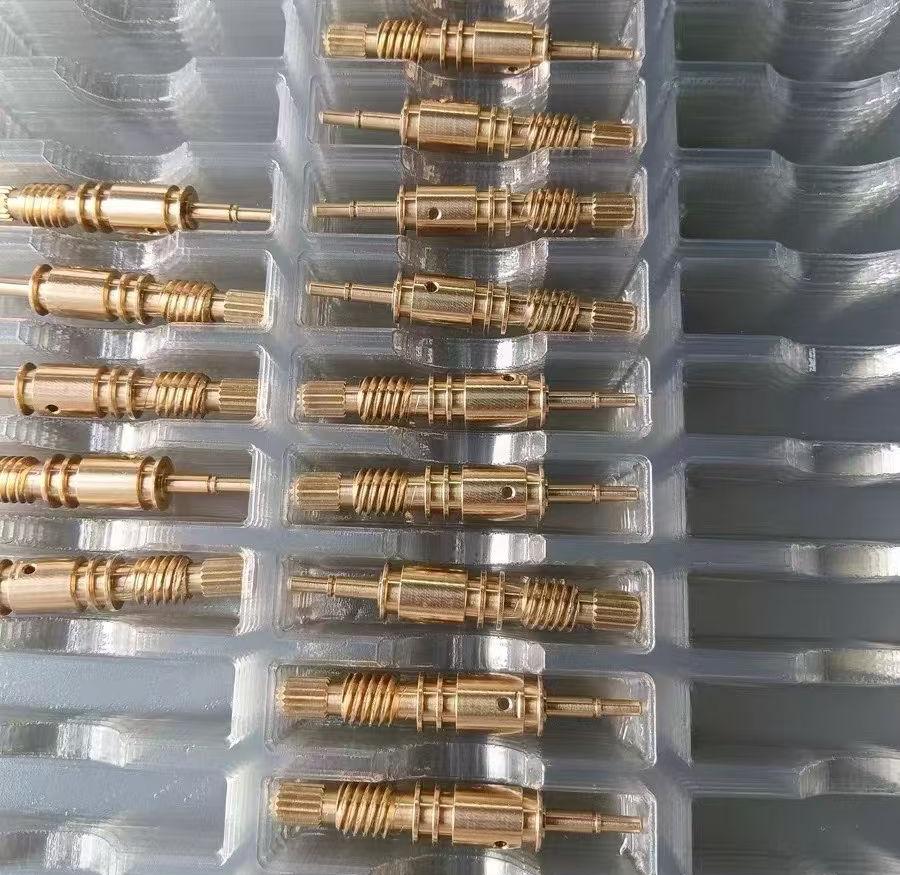
| Brass/copper alloys | Fittings, electrical, details | Free-cutting grades; gummy copper |
| Engineering plastics (acetal/nylon) | Bushings, insulating parts | Clean with sharp tools; heat watch |
Size and Condition Callouts
The bar size and condition are as important as the grade. The bar diameter sets the material envelope and often the reference for the turned OD, so ovality, straightness, and surface condition carry into the part. Confirm the diameter, the length, the straightness tolerance, and the finish or scale condition on the purchase spec. A bar that is oval or bowed puts error into every part cut from it, no matter how precise the lathe. The condition callout is what keeps the raw material from being the weak link.
Feed, Speed, and the Machining Strategy
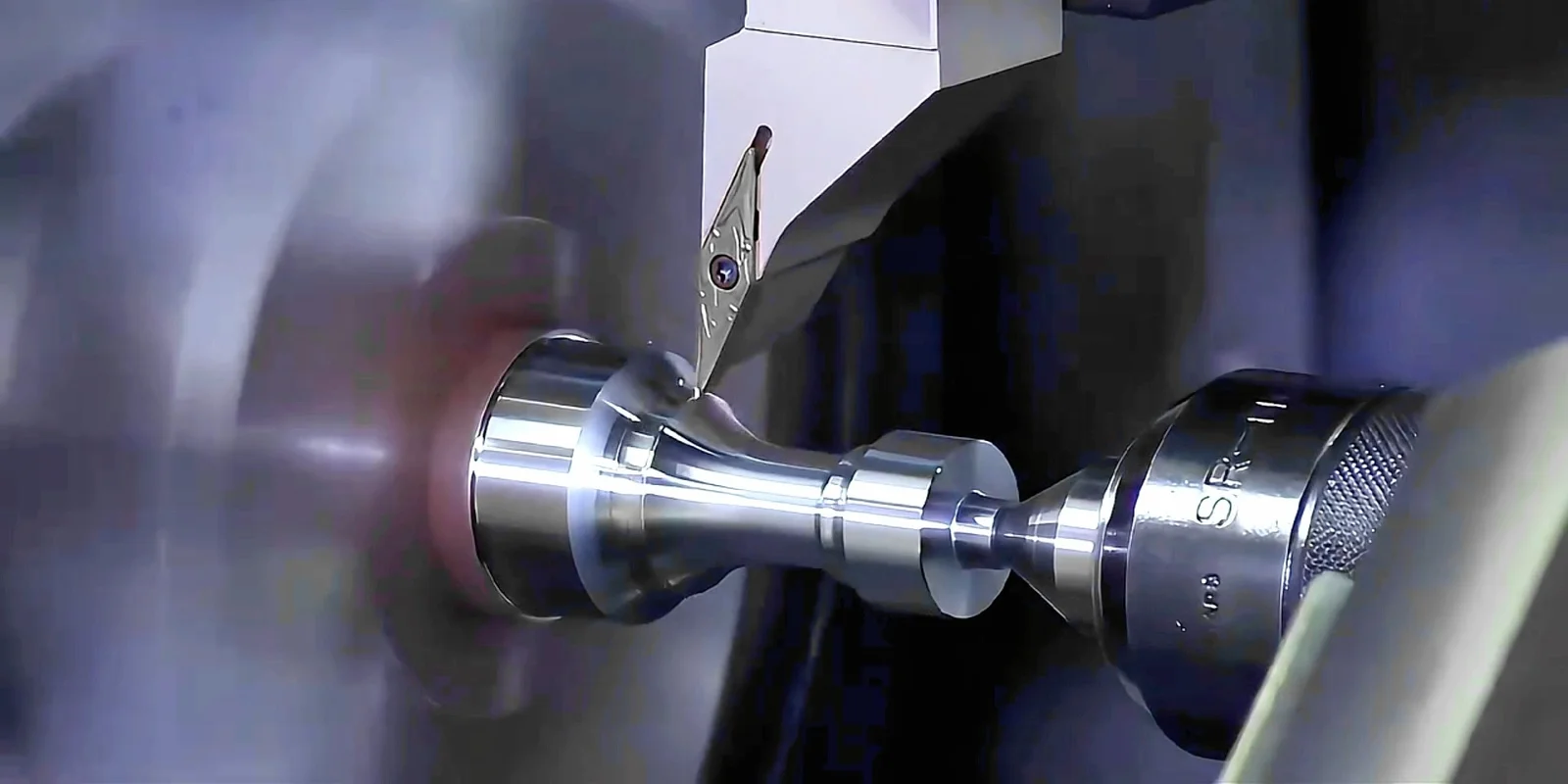
Each material family needs its own turning strategy. Free-machining steels cut at higher speed with positive tooling; stainless and nickel alloys work-harden and need controlled feeds and sharp carbide tooling; aluminum clears chips and manages heat; brass and copper need feeds that break chips; plastics need sharp tools and enough speed to avoid smearing. The strategy is part of the DFM conversation, and the supplier’s experience with the grade is the practical signal. A quote that names the strategy is a quote that understands the bar.
Stock Availability and Lead Time
Bar stock availability affects lead time and cost. A common grade and size is stocked and cuts immediately; a special grade, temper, or size must be ordered and extends the schedule. Confirm the stock position at RFQ, and consider a part redesign or a size change if a scarce size is driving the lead time. For prototypes, matching the test to an available bar size avoids a supply delay; for production, securing the bar is part of securing the schedule.
Bar Condition and the Prototype
In prototyping, the bar condition matters even more, because a short run gives no statistical grace. A stress-relieved or centerless-ground bar machines predictably; a random-condition bar can vary within the first few parts. Confirm the condition for the prototype and the first article, and let the report show the bar’s stability. The prototype that proves the process on a controlled bar is the one whose numbers carry into production.
Bottom Line
Bar stock selection for CNC turning balances machinability, properties, and cost, and the balance is decided by what the part must do. Pick the grade family for the requirement, call out the size and condition so the raw material does not carry error, and confirm the turning strategy and the stock position with the supplier. A free-machining bar that matches the part’s properties turns into a clean, economical part; the wrong bar turns every feature into a fight. The material is the first decision, so it should be the first thing the drawing names.
Turning Stock and the Supply Chain
The bar stock is a supply chain decision, not just a material one. Confirm the stock position, the lead time, and the quantity with the CNC turning partner, because a special grade or size extends the schedule. The CNC machining program covers the turned part and its secondary operations, and the material range guides the grade selection. A part planned against available stock cuts sooner than one that waits on a special bar.
Matching the Stock to the First Article
The first article should be cut from the same stock condition as production, so the report reflects the runs that follow. Confirm the bar condition at the prototype, and let the first article show the stock’s stability. The part that proves the process on a controlled bar is the part whose numbers carry into production, and the buyer who checks the stock condition at quoting avoids the schedule surprise.
What the Quoting Lead-Time Depends On
When a quote arrives with a lead time, it is the answer to a list of variables: the stock position, the machine availability, the complexity of the geometry, and the secondary operations. A common grade and size is stocked and cuts immediately; a special temper or a scarce size is ordered and extends the schedule. The buyer who shares the quantity and the stage lets the supplier quote the honest date, and the supplier who names the stock position is managing the schedule rather than hoping. For a prototype, matching the test to an available bar avoids a supply delay; for production, securing the bar is part of securing the program.
Inspecting the Bar Before It Becomes the Part
The bar should be verified before it is cut, not discovered to be wrong after. A check of the diameter, the straightness, and the surface condition on receiving catches the raw-material problems that no amount of turning can fix, and the certificate ties the lot to the parts. The inspection of the bar is the first link of the part’s quality chain, and skipping it outsources the discovery to the finished part. Confirm the receiving check with the supplier so the bar that enters the machine is the bar the drawing expects.
Conditioning, Stress Relief, and the Long Turned Part
The bar condition interacts with the part length. A long, thin turned part is where a bowed, stressed, or uneven bar shows its hand, because the unsupported length amplifies the bar error. Stress-relieved or centerless-ground bar machines predictably; a random condition carries the risk into the first parts. For long parts, confirm the bar condition and consider a test piece before the run, so the batch does not spend its first few parts learning the bar. The material enters the part, and the part inherits the bar’s history.
The Quote Should Name the Grade Strategy
A turning quote should name the grade strategy as clearly as the price: which grade, why, what the machining does with it, and what the part gives up or gains. A free-machining grade is a story about speed and surface, and a stainless or nickel grade is a story about corrosion and control. A quote that explains the grade is one you can check; one that silently changes the grade is one that surprises you in the part. The grade is the part’s first decision, and the quote should treat it that way.
Matching the Bar to the Part Geometry
The bar size should match the part geometry, not just the raw material cost. A part machined from oversized stock pays for waste and adds machining time; one from scarce or special stock waits in the schedule. The geometry decides the efficient bar: its diameter relative to the turned features, its length relative to the part, and its condition relative to the tolerance. Confirm the bar length and the part quantity so the run plan is set at quoting. The bar is the geometry’s first constraint, and matching it is the first economy.
The Bar Condition That Travels Into the Part
The bar condition carries directly into the part: an oval, bowed, or stressed bar puts its error into every feature cut from it. Confirm the bar diameter, the straightness, the surface, and the condition when you source it, and check it at receiving. A stress-relieved or centerless-ground bar machines predictably; a random-condition bar varies within the first few parts. The bar certificate ties the lot to the part, and the first article shows the stability. The material enters the part, and the part inherits the bar.”,'”‘ + “‘” + “s history, so the bar is verified, not assumed.
Related Capabilities and Guides
For the service scope and the material and tolerance details behind this article, see the CNC turning, the material guides, and the CNC machining. The first article of your order ties the design to the measured result, and the same drawing, datum, and inspection discipline carry across the program.