

An automated precision cell is a self-contained production system that links one or more CNC machines, a robot or pallet handling system, probing and inspection, and control software into a single coordinated loop. The cell loads raw material, machines the part, checks critical features, and unloads finished work with minimal operator interaction. Its purpose is not to remove people from the shop; it is to remove the variability and idle time that manual loading, manual inspection, and shift changes introduce.
The term “cell” is important. Unlike a standalone machine with an occasional robot, a cell is designed as one process unit: the material flow, the tooling, the inspection steps, and the alarm logic are planned together so the system can run through a batch without a human restarting each stage. Cells vary widely in scale, from a single mill with a robot tending a tray of blanks, to a multi-machine line with pallet pools and coordinate measuring. The common thread is that every step is tied into the same control loop, which is what makes higher throughput and consistent quality achievable.
How an Automated Cell Runs as a Closed Loop
The operating logic of a cell is a closed loop rather than a conveyor. Raw material enters at a stock position or pallet pool. A robot arm or pallet changer loads a blank into the machine, the machine runs the program, and probing verifies critical dimensions either in the spindle or on a separate measuring station. Only parts that pass the check advance; the system flags deviations, stops, or corrects itself before bad parts accumulate. Software coordinates tool life management, program selection, and alarms so the cell can keep making parts through unattended hours.
Three feedback mechanisms separate a real cell from a machine with an automatic door:
- Workpiece confirmation. Sensors verify that a blank is present, correctly oriented, and seated before machining starts, so a misloaded part does not become a crashed tool or a damaged fixture.
- Tool monitoring. Tool life counters, torque or spindle-load monitoring, and broken-tool detection stop the cell or switch to a redundant pocket instead of running hundreds of parts with a worn or missing cutter.
- Post-process measurement. Spindle probing or a measuring station closes the loop on critical dimensions, triggering offset updates or alarms so the process drifts are caught in parts, not in batches.
These feedback layers are what make unattended machining viable. A machine can run for hours on its own; a cell can run for hours and still hold tolerance, because it checks what it makes. That difference is why automated precision cells show up first in high-tolerance work rather than in simple high-volume parts.
Why Use Lights-Out Manufacturing?
Lights-out manufacturing is the practice of running production unattended, typically overnight or over weekends, and it is the most common reason to build a cell. The arithmetic is straightforward: a machine that runs sixteen or twenty hours a day produces more than one that runs eight, without adding floor space or a second shift. For a shop quoting tight lead times, that extra capacity is often the difference between accepting a job and turning it away.
The second benefit is consistency. Machines do not get tired, distracted, or rushed at the end of a shift, so the process stays stable across a long run. The same argument applies to inspection: when measurement is automated and logged, every part in a batch carries the same evidence, instead of relying on a sample checked by hand. For buyers, the practical result is a more predictable per-part cost and documentation that supports a quality system, which matters when parts move into medical or aerospace programs. A medical device or aerospace part cut in an unattended cell is still a part that was inspected; the cell simply records how it was verified.
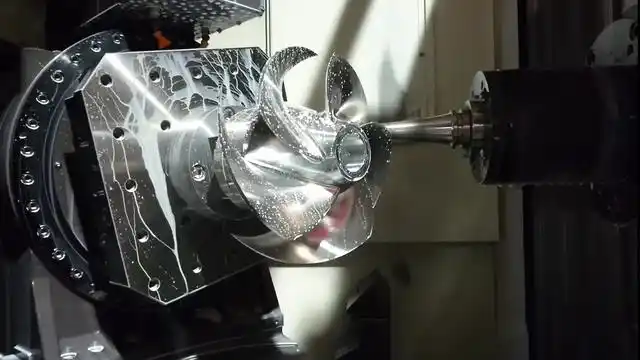
Parts That Fit Automated Cells
Automation pays off when the work is repeatable enough to amortize the cell investment. The best fit combines stable geometry, consistent fixturing, moderate to high volume, and process steps that are already proven. A bracket that is cut from the same blank, on the same fixture, with the same program, thousands of times is an ideal candidate. A one-off prototype with geometry that changes daily is not, no matter how a supplier markets automation.
| Part type | Why it fits | Main requirement |
|---|---|---|
| CNC-machined brackets and housings | Repeatable geometry, consistent fixturing | Stable datum and fixture design |
| Medical device components | Tight tolerances and documented inspection | In-process measurement and traceability |
| Aerospace structural parts | Complex machining with traceability needs | Tool monitoring and first-article evidence |
| Automotive and electronics inserts | Volume-friendly and process-stable | Short cycle, low changeover |
| Prototype-to-production parts | Same process scales from validation to batch | Changeover plan between variants |
The boundary is not volume alone. A family of related parts with common fixtures and tooling can justify a cell at surprisingly low per-variant quantities, because the setup is shared. The opposite also happens: a nominally high-volume part that is redesigned constantly, or whose material behavior is unstable, will burn engineering time in the cell. The honest test is whether the process is stable today, not whether the forecast says large numbers.
The Benefits That Matter Most
The benefits of an automated cell collapse into three that buyers and engineers can measure: throughput, consistency, and cost per part. Throughput comes from running hours, not from faster cutting; consistency comes from closed-loop inspection; cost per part comes from amortizing equipment and reducing touch labor. Each is measurable, and the measurement matters because automation can also hide problems. A cell that produces ten thousand out-of-tolerance parts overnight has produced scrap at full speed, which is why the inspection loop is not an accessory but the core of the design.
For prototyping, the value is different but real. A cell can hold a dimensional standard across a pilot run, produce a small series with the same records that production will use, and make the transition from validation to batch smoother. The precision machining workflow at 6CProto applies the same discipline to prototype and production runs: same fixtures, same inspection logic, same documentation standard. That consistency is what lets a validated prototype become a repeatable part rather than a one-off that happened to pass.
How Quality Is Designed Into the Cell
Quality in an automated cell is designed, not inspected at the end. The fixture is the first control: if every blank seats the same way, every part starts from the same reference. Probing then verifies that the machine is in the expected position before and after critical operations. Post-process measurement catches drift in the part itself. The recorded results give the batch a quality record that a manual process would find hard to reproduce part by part.
That said, automation changes the role of people rather than removing them. Programming, fixture design, offset management, inspection of the first article, and maintenance are still human work, and the quality of the cell is set at those points. A cell run by an operator who understands the process is more valuable than one run by software that nobody checks. The practical question for a buyer is not “does the supplier use robots?” but “what happens when the cell detects an anomaly, and who decides?” The answer shows whether automation is supported by engineering judgment or is a display feature.
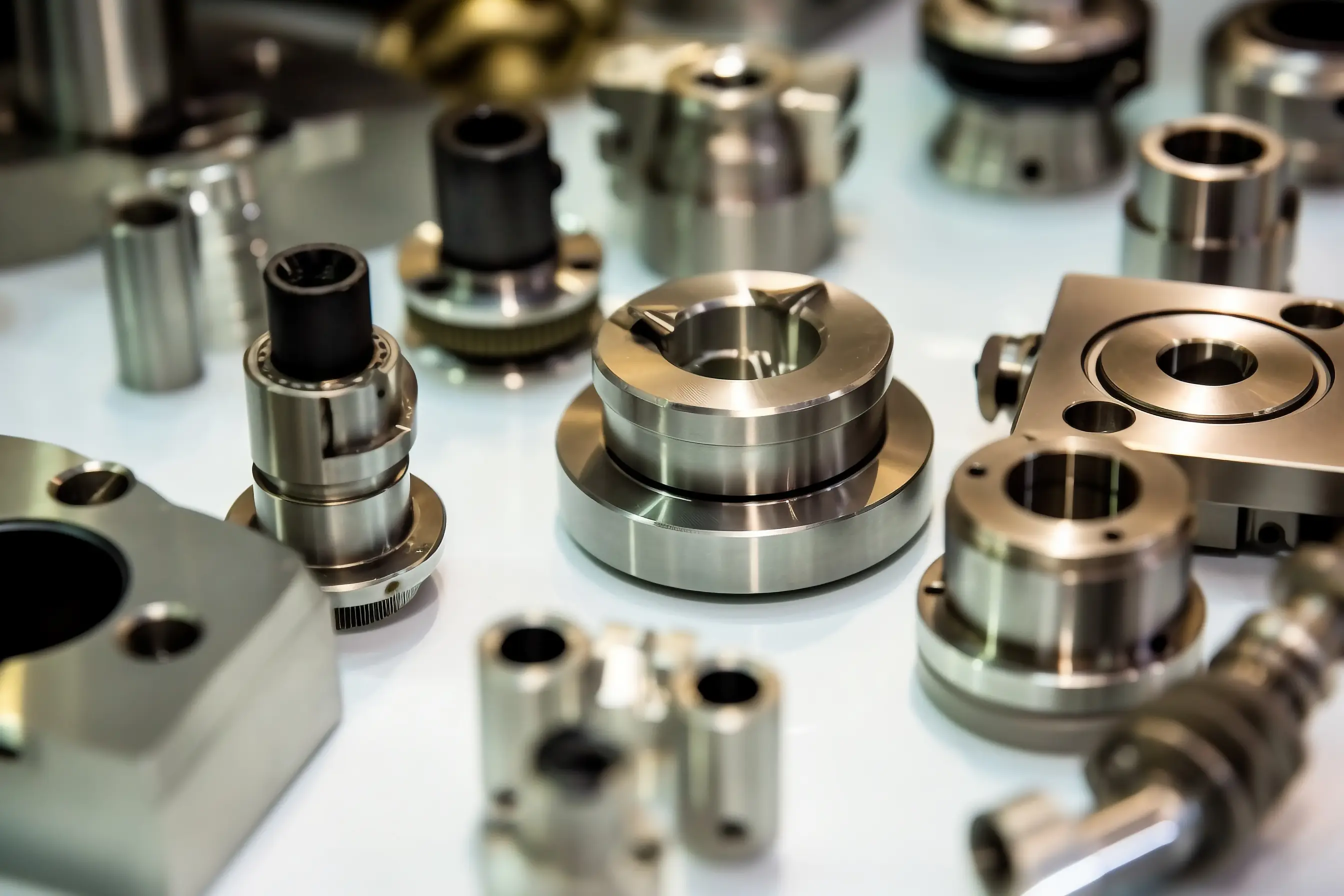
When Is an Automated Cell the Right Investment?
The right time to invest is when three conditions hold: the process is stable, the work volume supports the equipment, and the shop has the engineering capacity to design and maintain the cell. If any of the three is missing, automation will fail differently. Unstable processes fail on quality, thin volume fails on cost, and missing engineering capacity fails on uptime.
Start from the part. If a design is still changing, prototyping in a conventional CNC machining setup is cheaper and faster to iterate. Once the geometry and process are locked, review whether the program volume and changeover frequency justify a cell, and test with a pilot batch before committing to a full lights-out line. The same staged logic applies at 6CProto, where rapid prototyping and production runs share the same material and inspection standards, so a customer can validate the process first and scale it when the evidence supports the investment.
Considerations Before You Commit
- Confirm the process is stable across repeated setups before adding automation.
- Verify the fixture holds every blank to the same datum; automation amplifies fixture error.
- Define what happens on a broken tool, a misload, or an out-of-tolerance reading.
- Plan for chip management, coolant, and part-removal that run without an operator present.
- Keep first-article and changeover documentation as careful as the full-scale records.
For buyers evaluating a supplier’s automated capability, ask how measurement is recorded, what alarms stop the cell, and how a validated prototype transfers to the automated run. A supplier that can show the same fixture and inspection standard across both stages, as described in the CMM inspection framework guide, is describing a process that can be audited rather than a feature list.
Frequently Asked Questions
What is an automated precision cell?
An automated precision cell is a coordinated production unit that combines CNC machines, robotic or pallet handling, probing and inspection, and control software to make high-tolerance parts with minimal manual intervention.
Are automated precision cells only for high volume?
No. They work best for stable, repeatable work, but shared fixtures and tooling across a family of parts can justify a cell at moderate quantities. High volume is not the only path; process stability and changeover planning matter just as much.
What industries use automated precision cells most?
Aerospace, medical, automotive, electronics, and industrial equipment make the most use of them, because those sectors combine tight tolerances with repeatable geometries and strict quality records.
Does automation replace human expertise?
No. It shifts effort to programming, fixture design, first-article inspection, maintenance, and process optimization. The cell is only as good as the engineering decisions behind it, and as skilled as the people who react to its alarms.
How should a buyer evaluate an automated quote?
Ask how measurement is recorded, what alarms stop the cell, what changeover plan exists, and how the first article transfers to the automated run. The same evaluation logic is covered in the CNC machining tolerance expectations guide and the NIST measurement assurance practice, which frames how results are verified rather than assumed.