
← Sheet Metal Fabrication Guides
Engineering decisions, organised
Sheet Metal Design, Materials & Assemblies
Plan bend radii, hole clearances, material grade and joints together to prevent tolerance accumulation in the finished assembly.
Updated October 11, 2026 · 37 focused articles
Bend radius and relief are designed, not discovered
A sheet metal part fails at the bend before it fails anywhere else. The inside radius has to suit the material and temper — about one times thickness for mild steel and 5052 aluminium, two to three times for 6061-T6 — and the flange needs a relief at each end of the bend line so the material has somewhere to go. Without the relief the flange tears or the corner pulls out of square.
The flat pattern follows from the same numbers. The K-factor that converts a bend into a developed length depends on the radius-to-thickness ratio and the forming method, so the blank cut by one shop may not match the blank another shop would cut for the same drawing.
Holes, hardware and the distance to a bend
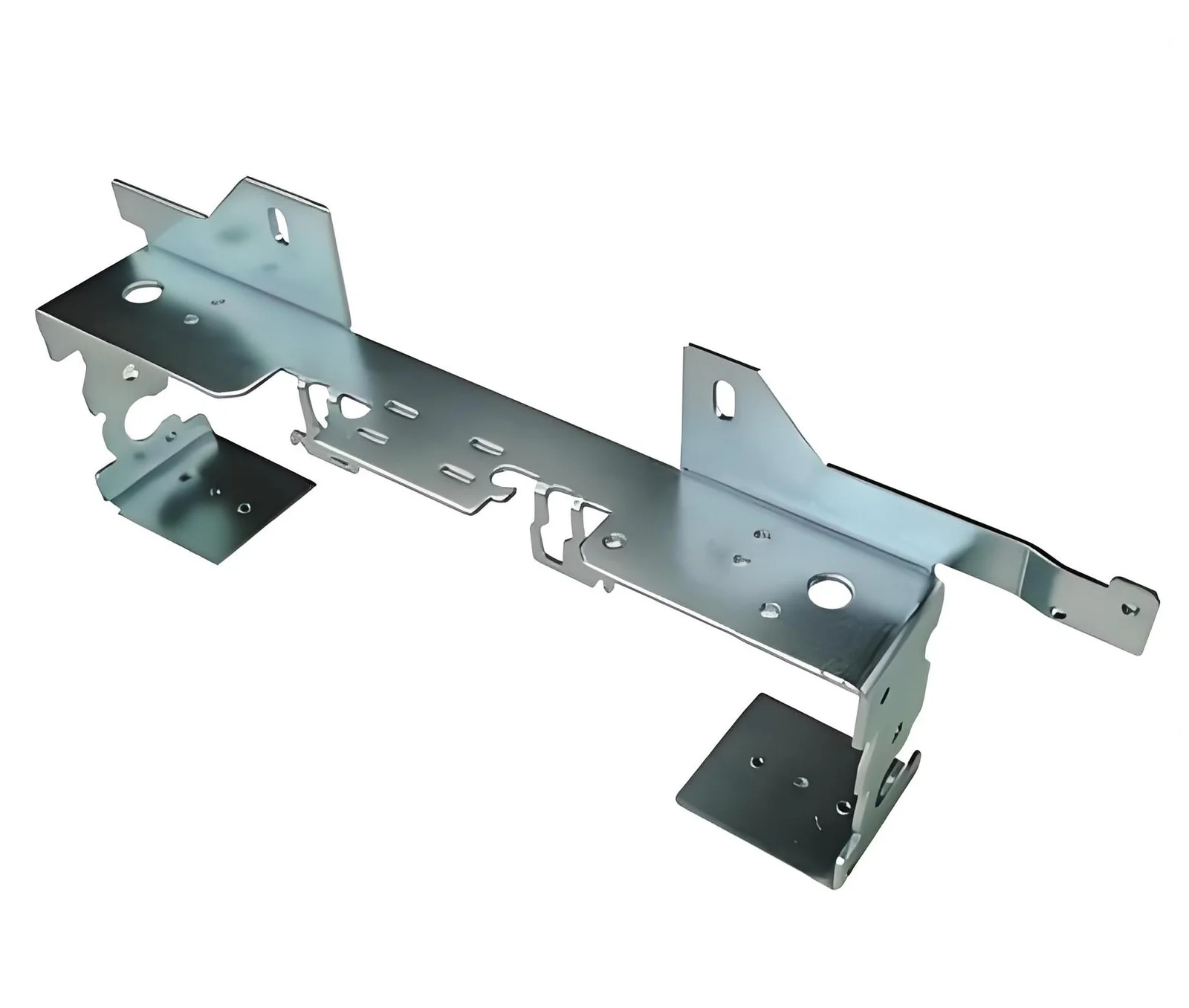
A hole near a bend distorts, because the material around the bend stretches and the hole stretches with it. The usual minimum is 2.5 times thickness plus the bend radius from the bend line to the hole edge. Hardware has its own rules: a clinch nut needs a flat land, a specific hole size and access to both faces, and a tapped hole in thin sheet has too few threads to hold a load, which is why weld nuts and inserts exist.
Those constraints are cheapest to satisfy in the flat pattern, before the part is formed. Moving a hole by 3 mm in CAD costs nothing; reaming it after forming costs an operation on every part.
Tolerance stacks in formed parts
Cut profiles hold about ±0.1 mm, formed dimensions about ±0.2 mm, and bends about ±1 degree. Across three bends those errors add, which is why assemblies should carry adjustment: slotted holes, oversized clearance, or a locating feature that controls position in one axis only. A design that assumes formed dimensions stack perfectly will need a rubber mallet at assembly.
One last check before release: unfold the part in your head and ask whether every feature survives the bend sequence in the order the shop will run it. Features that survive the drawing often fail the sequence.
A formed part that survives its bend sequence, its hole placement and its hardware access will assemble without adjustment. Most sheet metal problems are one of those three, and all three are visible in the flat pattern before a blank is cut.
Find the guide for your next decision
Follow the guide that matches the feature, failure mode or project decision you are working on.
A Complete Guide to Sheet Metal Materials: How to Choose the Right One
How can CNC bending and folding create precise metal forms?
Are fabricated metal assemblies the smartest way to buy ready-to-use sub-assemblies?
How can rapid sheet metal prototyping speed up metal design validation?
How Should You Specify Sheet Metal Tolerances? A Complete DFM & Precision Guide
Copper & Brass Sheet Metal: From Prototype Enclosure to Functional Custom Parts
Custom Metal Enclosures: From Prototype To Controlled Low-Volume Production
Brackets And Chassis: From Prototype Fixtures To Structural Components
Aluminum Sheet Fabrication: From Lightweight Prototypes to Production Enclosures
DFM For Sheet Metal: From CAD to Reliable Custom Manufacturing
What Are Galvanized Steel Parts?
How K-Factor Calculation Impacts Accurate Sheet Metal Bending: The Complete Engineering & Manufacturing Guide
How to Design a Sheet Metal Enclosure: IP, EMI, Thermal, and Assembly
Sheet Metal for Aerospace: Brackets, Shrouds, and Lightweight Structures
Sheet Metal for EV and Battery Enclosures: Safety, Sealing, and Thermal Design
Sheet Metal Thickness and Bend Radius: Design Limits by Material
Sheet Metal for Robotics: Frames, Brackets, and Safety Guards
Sheet Metal for Industrial Equipment: Enclosures, Chassis, and Guards
Sheet Metal for Outdoor Enclosures: Weatherproofing and Corrosion Protection
Sheet Metal Bending Without Springback Surprises: Material Behavior and Compensation
CNC Machining for Audio Equipment: Faceplates, Chassis, and Connectors
Hemming and Seaming in Sheet Metal: Joint Types, Strength, and Design
5052 vs 6061 Aluminum for Sheet Metal Parts
Designing Louvers and Vents in Sheet Metal
Bend Grain Direction and Cracking in Sheet Metal Parts
Machined vs Sheet Metal Enclosures: Choosing by Volume, Sealing and Cost
Sheet Metal Prototype Services: What Changes When the Design Stops Moving
Sheet Metal Bending Service: Bends, Radius and Springback Explained
Sheet Metal Design Guidelines: The Checks That Survive the Brake
Sheet Metal Fabricated Assemblies: Turning Loose Parts Into One Delivery
Laser Cut Prototypes: Flat Part Design and What the Cut Edge Gives You
Custom Metal Fabricated Assemblies: Buying the Finished Item, Not the Parts
K Factor Sheet Metal Bending: Why the Same Model Gives Two Different Blanks
Sheet Metal Enclosure Design: Corners, Sealing and Service Access
Aluminum Sheet Metal Fabrication: Alloy, Springback and Dissimilar Metals
Sheet Metal Prototype Weld Fixtures: Locate the Assembly Without Over Constraining It
Laser Cutting Aluminum Sheet Before Bending: Edges, Film and Nest Orientation
Before you release the project
- Define the function, environment and the question this batch must answer.
- Specify material grade, geometry, quantity, finish and the dimensions that control fit.
- Agree the inspection method and the evidence required to accept the parts.
- Record the drawing revision and approval before production begins.
Common planning questions
What files are useful for a sheet metal quote?
Supply the 3D model and controlled drawing with material, thickness, quantity, bend and joint requirements, finish and critical assembly dimensions.
Can tight tolerances be applied to every bend?
Bend variation and the assembly datum scheme must be considered together. Focus tighter limits on functional interfaces and agree a measurement plan.
Move from guidance to a reviewed project
Send the CAD model and drawing with material, quantity, finish and inspection requirements. Use the relevant service page to review the available manufacturing route.