

A bend looks like the simplest feature in sheet metal and behaves like the least predictable one. The material stretches on the outside of the radius, compresses on the inside and springs back when the punch lifts, so the angle written on the drawing and the angle in the finished part are not automatically the same thing.
What determines the bend radius you get
Two things set the radius: the tooling available and the material. The punch tip defines the inside radius when air bending, so choosing a standard tool means accepting the radius that tool produces. Forming to the bottom of a V-die can produce a smaller radius, at the cost of higher tonnage and a shorter tool life.
| Bend method | How the radius is set | Practical consequence |
|---|---|---|
| Air bending | Punch tip and die opening | Flexible angles with standard tooling; radius set by the tool |
| Bottoming | Punch forced into the die | More consistent angle; higher force and tool wear |
| Coining | Material pressed to the die form | Very consistent, needs dedicated tooling and high tonnage |
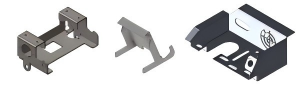
Why springback makes the angle a target, not a setting
Every material springs back a little when the forming force is removed, because the outer fibres that were stretched elastically recover. The amount depends on the material, its thickness and the radius: harder and thicker materials spring back more, and a large radius springs back further than a tight one. A press brake compensates by over-bending slightly, which is why the angle is achieved rather than dialled in.
The practical consequence for a drawing is that bend angles should carry a tolerance rather than an exact value, and the tolerance should be realistic for the material. Specifying an angle to a fraction of a degree on a thick, hard sheet is a request for hand adjustment, which is slower and less repeatable than the forming operation itself.
What the tooling limits, before the design does
Three tooling limits constrain what can be formed. A bend shorter than roughly the die opening cannot be formed cleanly, because the material needs support on either side. A flange that folds back towards the part may collide with the punch body. And a box with four sides requires tooling that can reach the corners without interference, which is why a four-sided enclosure is not simply four bends but a sequence.
These limits are known before quoting, and they are the reason an experienced supplier asks about quantity and sequence rather than only angles. Where a design needs a very short flange, the fix is usually geometric: add a relief, move the bend line, or form the part in a different order.
Where can sheet metal be bent to a drawing?
Any sheet metal fabricator with press brake capacity.
What separates suppliers is not the presence of a brake but the ability to plan a bend sequence and to hold the cumulative tolerances that result. A part with two bends forgives more than one with eight, and the difference shows up in how the first article measures rather than in the quotation.
For a prototype, the useful questions are whether the shop can form the flange lengths the design uses, whether it has the tooling for the inside radius specified, and how it will confirm the angles. For a repeat order, the additional question is whether the sequence stays fixed between batches, because a change of sequence is a change of datum. Drawing conventions for formed parts follow ASME standards, and measurement practice for the resulting geometry is described by the NIST Manufacturing Extension Partnership.
Holes, reliefs and the edges that fail first
Two design details prevent most bend defects. A hole placed too close to a bend distorts, because the material around it stretches on the outside of the radius; keeping clearance of at least the material thickness is the usual rule. A sharp internal corner at the end of a bend concentrates stress and can tear on harder grades, so a small relief or radius at the transition keeps the material intact.
Edge condition matters too. A laser-cut edge is clean enough to form directly, but a sheared edge can carry micro-cracks that open during bending, so the cut method and the bend order belong in the same plan. Related detail is covered under laser cutting, and where several formed parts are joined the assembly discussion sits under fabricated assemblies.
How to specify a bending job so the first article passes
A bending specification is short: the formed model, the material and thickness, the bend lines with their radii, the angles with their tolerances, and the features that must align after forming. Adding the finish and the hardware list completes the picture, because both are affected by when they are applied relative to the forming sequence. Sending a flat pattern instead of a formed model removes the reference the shop needs to check its own development assumption.
It is also worth stating which bends are functional and which are structural. A bend that closes a flange for safety behaves differently from a bend that positions a mounting face, and only the second normally needs an individual angle tolerance. Where two bends interact, naming the sequence avoids a forming order that forces a re-clamp and introduces avoidable variation. The references used for these callouts are published by ASME, corrosion and coating classification by ASTM Committee B08, material grades by ASM International, process measurement by the NIST Manufacturing Extension Partnership, and surface-treatment environmental rules by the US EPA.
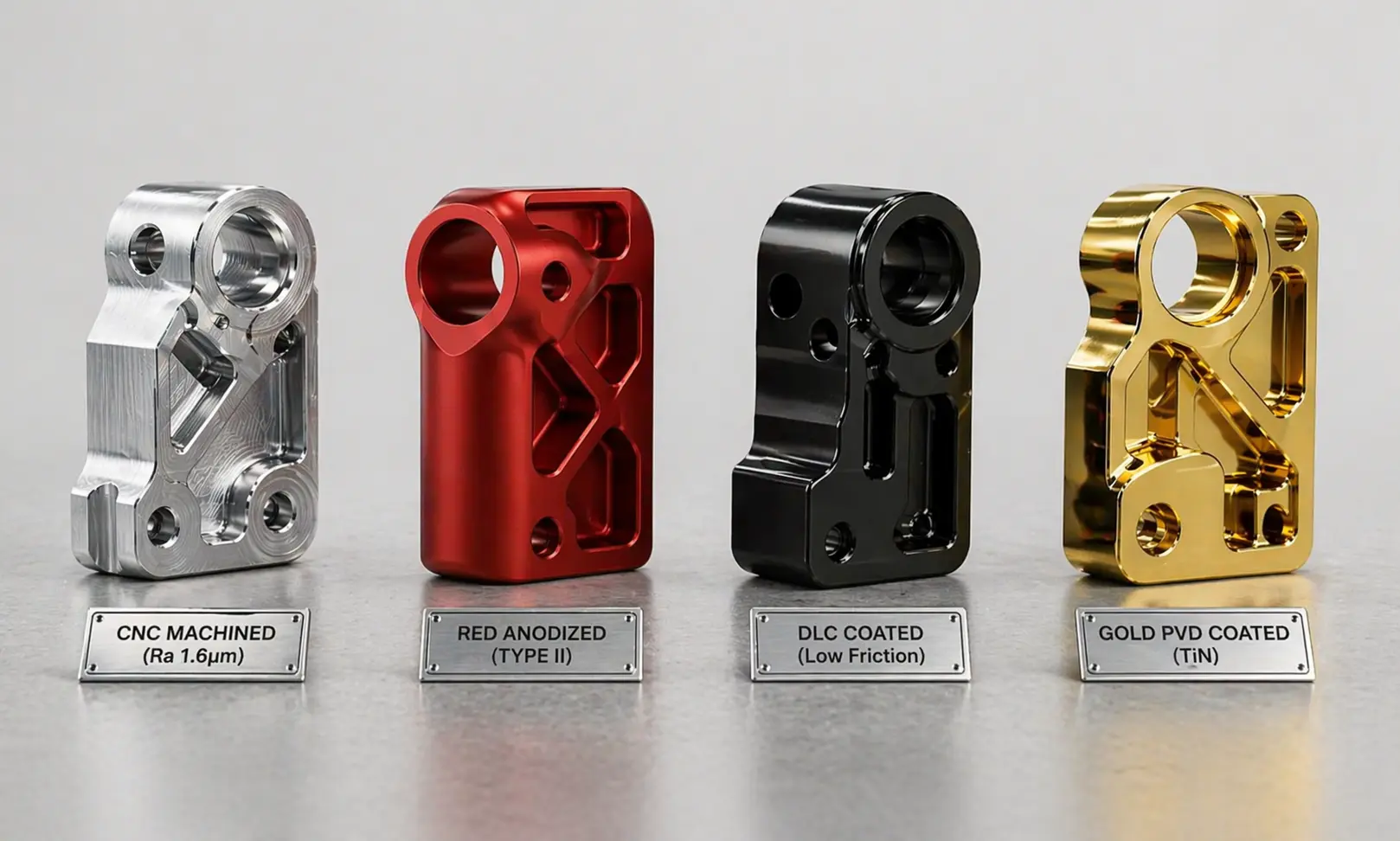
Send the formed model with your material and quantity, and request a quote for bending and forming.
FAQ
Where can I get sheet metal bent to my drawing?
Any fabricator with press brake capacity can bend to a drawing, but the useful comparison is how the shop plans the bend sequence and confirms the angles. Ask how the first article will be measured against the drawing before placing an order.
What is the best way to bend sheet metal?
Air bending suits prototypes and varied angles because standard tooling covers a wide range; bottoming and coining give more consistent angles at the cost of higher force and dedicated tooling. The right choice follows quantity and angle tolerance.
How thick can sheet metal be bent?
It depends on the brake capacity, the die opening and the material, not on a single threshold. Thicker and harder sheet needs more force and springs back further, so the practical limit for a given part comes from the tooling available rather than from the material alone.