

Audio equipment lives and dies by its appearance and its silence: the faceplate is the product’s face, the chassis carries the electronics and the shielding, and the connectors must fit with the precision that makes the product feel engineered. CNC machined audio parts — aluminum faceplates, chassis, and connector panels — are where the aesthetics and the electronics meet, and the machining decisions carry both the cosmetic and the functional requirements. The brushed aluminum faceplate that looks premium in the render can arrive with tool marks and inconsistent grain, and the chassis that shields the circuit can hum if the grounding and the seams are not designed. Audio machining is precision work with an appearance standard.

What audio hardware gets machined: faceplates, chassis, knobs
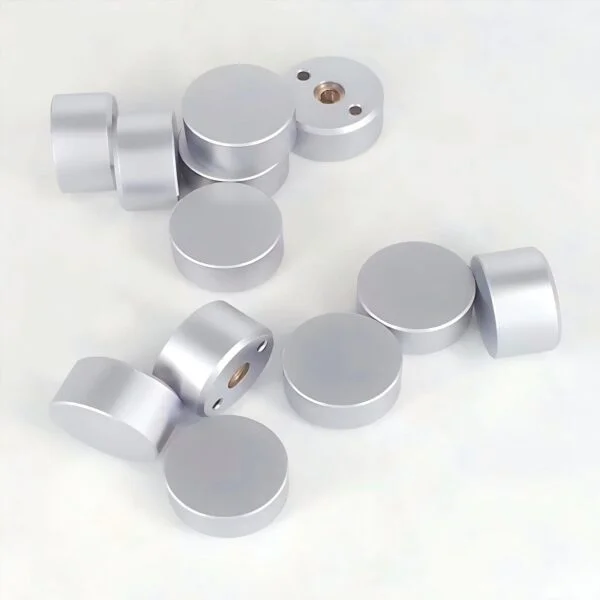
The machined audio parts are the visible and the structural hardware. Faceplates carry the controls, the displays, and the branding, and their appearance is the product’s identity; chassis and enclosures carry the electronics, the shielding, and the cooling; and knobs, feet, and connector panels complete the hardware. Each part has its own requirements: the faceplate needs the cosmetic finish and the precise cutouts, the chassis needs the shielding and the grounding, and the knobs need the feel and the marking. The machining plan should separate the cosmetic surfaces from the functional ones, because the finish that sells the faceplate is not the finish that shields the chassis.
The audio industry page and the consumer-electronics context cover the market; this page is the machining application guide for the hardware.
Appearance finishes for front-panel parts
The front-panel finish is where audio products are won or lost. Brushed aluminum is the classic finish, with the grain direction and the consistency set by the machining and the brushing; anodizing adds the color and the protection; and the edge treatment — the chamfers, the radii, and the bevels — defines the light line that gives the panel its quality. The finish requirements should be specified with the sample: the brush direction, the anodize color, and the acceptable marks are all judged against the approved reference. The machining should produce the geometry that the finish will show, because a tool mark that is invisible on a matte part glares on a brushed or anodized panel. The cosmetic panel is a product in its own right, and its specification is as detailed as the electronics it fronts.
The finish should be approved on the production material and process, because the anodize response and the brush texture vary with the alloy and the batch.
EMI, grounding, and connector cutouts
The chassis has an electrical function beyond holding the parts. It shields the sensitive audio circuits from interference, provides the grounding reference, and carries the connectors that enter and exit the product. The shielding depends on the seams and the grounding: a chassis with gaps at the joints or a floating ground can hum or pick up noise, and the design should specify the seam treatment and the grounding points. The connector cutouts must fit the connectors precisely, with the hole pattern and the panel thickness matched to the connector hardware. The chassis machining should deliver the cutouts, the grounding features, and the seam geometry that the electrical design requires, and the assembly should verify the shielding and the ground.
The grounding is a system: the chassis, the PCB ground, and the connector shells must connect through the designed path, and the machining should provide the clean contact surfaces for the ground.
Machining vs sheet metal for chassis
The chassis can be machined or formed from sheet metal, and the choice follows the volume, the precision, and the appearance. A machined chassis offers precision, rigidity, and a premium feel, with the cost and the material weight that machining brings; a sheet-metal chassis is lighter and cheaper at volume but carries the tolerances and the appearance of the formed part. The high-end and low-volume audio products often choose machined chassis for the rigidity and the feel, while the higher-volume products move to sheet metal with machined details. The comparison should include the shielding and the assembly: the machined chassis provides the continuous metal for the shielding, while the formed chassis needs the seam and the joint treatment. The route follows the product’s position and its volume.
The hybrid route is common: a machined faceplate and a sheet-metal chassis, with the machined part carrying the appearance and the formed part carrying the volume.
Low-volume economics for audio products
Audio products, especially at the high end, run at low volumes where machining is economical without production tooling. A machined faceplate and chassis need no mold or die, so a few hundred units are practical, and the design can change between runs without tooling write-offs. The economics favor machining at the low volumes where the appearance and the rigidity justify the part cost, and the design should use the machining freedom — the precision features, the edge details, and the material choices — that the process offers. The low-volume audio product that is designed for machining is a product whose cost and quality are matched to its position, and the machining route is part of the product’s identity.
The CNC machining and surface finishing teams on this site cover the process; the audio application notes above are what turn the machined parts into the product’s face and shield. When the appearance, the shielding, and the volume are on the drawing, the audio hardware is machined to the standard the product needs.
Qualifying the audio hardware with samples
The audio hardware should be qualified with finish samples and a prototype assembly before the production run. The finish sample approves the brush direction, the anodize color, and the edge treatment on the production material; the prototype assembly verifies the faceplate fit, the connector cutouts, and the chassis shielding; and the electrical check confirms the grounding and the noise performance with the production hardware. The qualification results set the acceptance standard for the production parts — the finish is judged against the sample, and the chassis is verified against the shielding and the grounding requirement. An audio part that is qualified on the sample and the prototype is a part whose appearance and function are confirmed; one that is released from the drawing carries the risk into the first production batch, where the appearance or the noise problem costs more than the qualification would have.
The qualification should also cover the production consistency: the finish is checked on the production parts against the sample, the cutouts are verified for the connector fit, and the chassis seams and the grounding are inspected at the interval that catches the drift. The material lot and the finishing batch can change the appearance, and the process should be monitored with the sample as the reference. When the audio hardware is qualified and controlled, the faceplate and the chassis deliver the product’s appearance and its silence — and the hardware that the customer sees and hears is the hardware that was approved on the sample.
The audio hardware review should also cover the user interaction and the product assembly, because the machined parts serve the user long after they leave the shop. The faceplate’s controls need the legibility, the feel, and the spacing that the user expects; the knobs need the fit and the marking that survive the handling; and the chassis needs the access for the assembly and the service that the product will see. The design should be reviewed from the user’s perspective — the touch, the sight, and the sound — as well as from the manufacturing perspective, and the hardware that fails the user is the hardware that fails the product even when it machines perfectly. The review should also cover the assembly sequence: the faceplate is mounted to the chassis, the connectors are installed, and the grounding is completed, and each step should be possible with the machined hardware and the planned tools. When the audio hardware is designed with the user and the assembly in view, the machined parts deliver the product’s promise — the premium feel, the clean look, and the silent performance — and the hardware that ships is the hardware that the user experiences as designed.
Keep the finish samples and the qualification records with the product, so the faceplate and the chassis are reproducible across the batches and the suppliers. The record is the reference for the production inspection and the product review.
Confirm the finish and the fit on the first production parts before the full batch, because the audio hardware’s quality is judged on the visible details. The first-part approval sets the standard for the run, and it is the gate that keeps the production parts consistent with the samples that sold the design.
If you are developing audio equipment and want the faceplate, the chassis, and the finish plan reviewed before machining, the 6CProto CNC and surface finishing teams can work from your product position and your volume to the hardware specification.