

Explore Sheet Metal Design, Materials & Assemblies
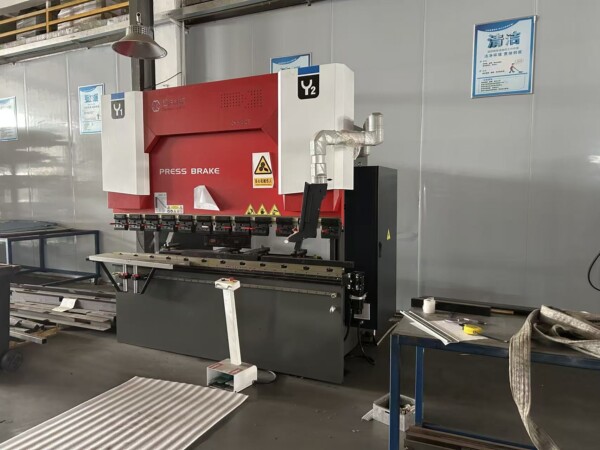
Bending and folding are how flat sheet metal becomes a 3D part: a flange, a corner, a channel, a box. The process looks simple, and the results are easy to get wrong, because the bend radius, the material’s springback, and the die or brake all decide the final angle and dimension. When the operation is controlled and CNC-aided, bending and folding produce precise, repeatable metal forms that assemble without fights. This article explains how CNC bending and folding works, where the precision actually comes from, and what to specify so the folded form matches the drawing.
The Difference Between Bending and Folding
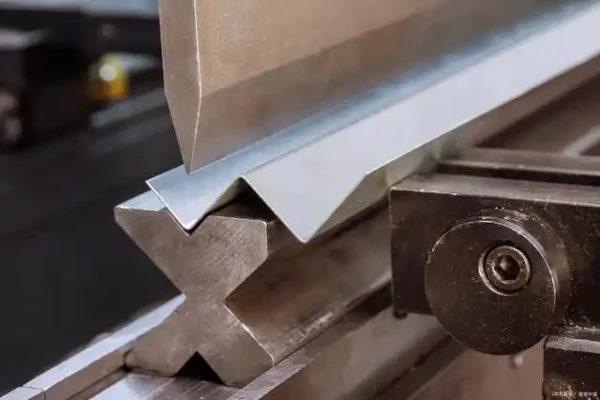
Bending and folding are often used interchangeably, but they describe related operations. Bending forms a radiused curve into the material, often over a die or a press brake; folding creates a sharper, more defined angular form, usually with a brake and a clamp. In both, the material is deformed plastically, meaning it takes the set, and elastic recovery, or springback, returns part of the deformation. The set angle is the bend angle minus the springback, which is why the process control has to account for the material’s return.
What Makes a Fold Precise
A precise fold is the result of controlling the predictable variables: the bend radius, the material thickness, the grain direction, the tooling, and the springback. The bend radius determines how much material is stretched or compressed; thin material and sharp radii can crack, while generous radii and soft material can be hard to hold. Grain direction matters because sheet bends more compliantly along the rolling direction. The tooling, a press brake die or a fold line, sets the position and the angle. Precision comes from setting these deliberately instead of accepting whatever the brake returns.
The Role of CNC and Layout Control
CNC enters the process through the cutting and the layout: the flat pattern is laser- or waterjet-cut to the net shape, and the bend lines are laid out from the same CAD geometry. When the cut profile, the notch, and the bend line all come from one model, the folds land where the flat says they will, and the folded part closes to the intended form. Marks, etching, or locating features on the flat guide the operator to the bend lines, so the precision is set by the layout, not by the guess. That is how CNC makes bending and folding repeatable: it removes the trace-and-guess step.
Accounting for Material Behavior
Each material bends with its own behavior. Aluminum and steel have different springback; stainless is stiffer and harder to hold; soft copper and brass bend easily but need controlled feed to avoid kinking. The gauge changes everything: thin material springs back more per unit of force, and thick material needs more bend force and a larger radius to avoid cracking. The drawing should state the material, the gauge, and the grain direction, and the quoting should account for the die and the press setup. A form quoted without the material behavior is a form quoted blind.
Features That Need Design Care
Notches and relief cuts are the usual trouble spots. A bend across a line that stops at a sharp corner needs a relief or it tears; a notch too short can split the material at the bend. The flat pattern should include reliefs sized for the material and the radius, and the bend line should be positioned clear of stiffening features. Designers who see the flat pattern before bending build forms that fold cleanly; those who draw only the 3D shape discover the limits at the brake.
Checking the Folded Form
Verify the folded form against what the assembly needs: the angle, the overall dimensions, the flatness of the faces, and the fit of any mating features. Springback means the first bend rarely hits the target, so the setup includes trial bends and tooling adjustment to land the angle. Confirm the tolerance on the features that matter, and check that the bend lines did not creep and the reliefs did not weaken corners. A folded form is verified the same way a machined part is: against the drawing and the function.
Working With a Fabrication Partner
Choose a partner who machines the flat pattern and folds it in one controlled process, and who can explain the tooling, the springback, and the material behavior for your geometry. The right partner names the press or die, the grain direction, and the reliefs in the quote, and returns a form that closes square. A supplier who treats bending as a “bend it and see” step is exporting the guesswork to you. Precision bending is planned, not hoped.
Bottom Line
CNC bending and folding create precise metal forms when the flat pattern, the bend lines, the tooling, and the material behavior are all controlled from one model. Cut the profile and lay out the bend lines in CAD, account for springback and the material family, add the reliefs the radius needs, and verify the angle and the dimensions against the drawing. The form closes square because the process was set, not because the brake got lucky. In sheet metal, a precise fold is the result of a precise layout and a controlled operation.
Related Capabilities and Turning the Advice Into an Order
The discipline in this article holds best inside a wider capability set, where the drawing, the datum, and the inspection travel with the part across the program. The sheet metal fabrication forming and bending pages cover the service scope and the tolerances that apply, and the first article ties the design to the measured result. The concrete next step is to send a drawing with the critical features and the datum stated, ask for the DFM review, and request the first-article report with values, so the advice becomes a controlled order instead of a good idea.
Drawing the Bend Line and the Relief
The flat pattern is where the bend is won. Cut the profile and the bend line from the same model, add the reliefs the radius needs, and mark the bend line so the operator lands the fold in the same place every part. A bend line that is traced by hand or guessed from a print introduces variation that no brake can correct, because the variation is in the layout. The reliefs are the detail that prevents tearing: too small and a corner splits, generous enough and the material flows around the bend. The flat pattern, done in CAD, is the precision of the folded form.
Testing the Fold Before the Batch
Springback means the first fold rarely lands on the angle. The setup includes trial bends and a tooling adjustment so the production parts hit the target, and the first article confirms it before the batch runs. The angle tolerance, the flatness of the faces, and the fit of the mating features are all checked on the sample. A folded part that is proven on the first article is one whose batch repeats; one that is trusted to the first guess carries the risk into every part.
Materials and the Fold That Holds
The material decides whether the fold holds. Aluminum folds cleanly and anodizes well, steel and stainless are stiffer with more springback, and soft copper and brass form easily but need careful feed. The radius, the thickness, and the grain direction interact, and the tooling has to match the material family. A fold that holds its angle in one material may spring or crack in another, so the material is named on the drawing and the tooling is set for it. The form is a material story, and the quote should tell it.
Cutting the Flat Pattern That Folds Clean
The flat pattern is where a clean fold starts: the profile is cut to the net shape, the bend line is laid out, and the notches and reliefs are sized for the material and the radius. A pattern cut from CAD with the bend line marked removes the trace-and-guess step and makes the fold repeatable. The cut quality matters too: a ragged edge at the bend line is a weakness the fold inherits. The flat pattern and the bend are one design, and the supplier that machines the pattern with the fold in mind is the one that delivers a form that closes square.
The Tolerance Story of a Bended Form
The tolerance of a folded form has its own logic: the width and the cut features hold to machined tolerance, the bend angle holds to the brake and the springback, and the overall dimensions are the sum. The drawing should separate these, because demanding machined tolerance on a bent angle is a setup for a fight. The angle is set by the die and the material; the cut features are set by the profile; and the assembled dimension is the sum of both. Define each at its real level, and the form is inspectable and achievable.
The Springback That the Trial Bends Read
Springback is read, not avoided: every material returns part of the bend, and the tooling and the trials account for it. The first bends tell the operator how much the material returns, and the tooling and the stops are adjusted to land the angle. A supplier that runs trial bends and adjusts is one that owns the geometry; one that bends once and hopes is exporting the risk. The springback is a material fact, and the process is designed around it.
Related Capabilities and Guides
For the service scope and the material and tolerance details behind this article, see the sheet metal fabrication, the forming and bending, and the CNC machining. The first article of your order ties the design to the measured result, and the same drawing, datum, and inspection discipline carry across the program.