Precision CNC Machining, Rapid prototyping, and Custom parts

About John

This author has not yet filled in any details.
So far John has created 727 blog entries.

What Is LSR Molding and Why Use It?

Explore Injection Molding Materials, Defects & Validation Liquid Silicone Rubber (LSR) molding is a high-precision thermoset injection process that manufactures flexible, durable, and chemically inert components with exceptional geometric repeatability. This clean manufacturing technique yields essential seals, gaskets, medical valves, and consumer interfaces capable of enduring extreme thermal thresholds, maintaining structural elasticity, and satisfying stringent
By |2026-10-29T22:55:33+08:00May 2nd, 2026|

What Is Custom Sheet Metal Fabrication?

Explore Sheet Metal Processes & Supplier Selection Custom sheet metal fabrication is the manufacturing route that turns flat metal stock into brackets, enclosures, chassis, panels, and structural parts through cutting, forming, and joining. It is one of the few processes that scales from a single prototype to production volume while keeping the same drawing and

By |2026-10-11T15:19:01+08:00May 1st, 2026|

How Does Precision Optical Grinding Achieve Flat Surfaces?

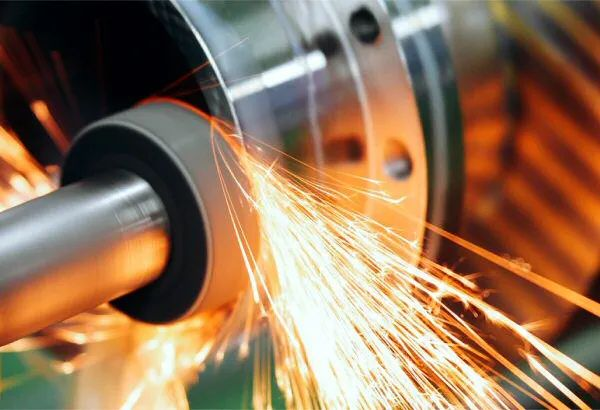
Explore CNC Applications & Precision Components Precision optical grinding achieves sub-micron flatness and tight parallelism by combining rigid CNC machine kinematics, fine diamond abrasives, strict thermal control, and iterative interferometric metrology loops. This controlled material-removal process micro-chips brittle substrates, safely bringing parts within microns of its final geometry. It serves as the vital manufacturing bridge

By |2026-10-29T22:58:14+08:00April 30th, 2026|

How Does Zero-Defect Quality Policy Work?

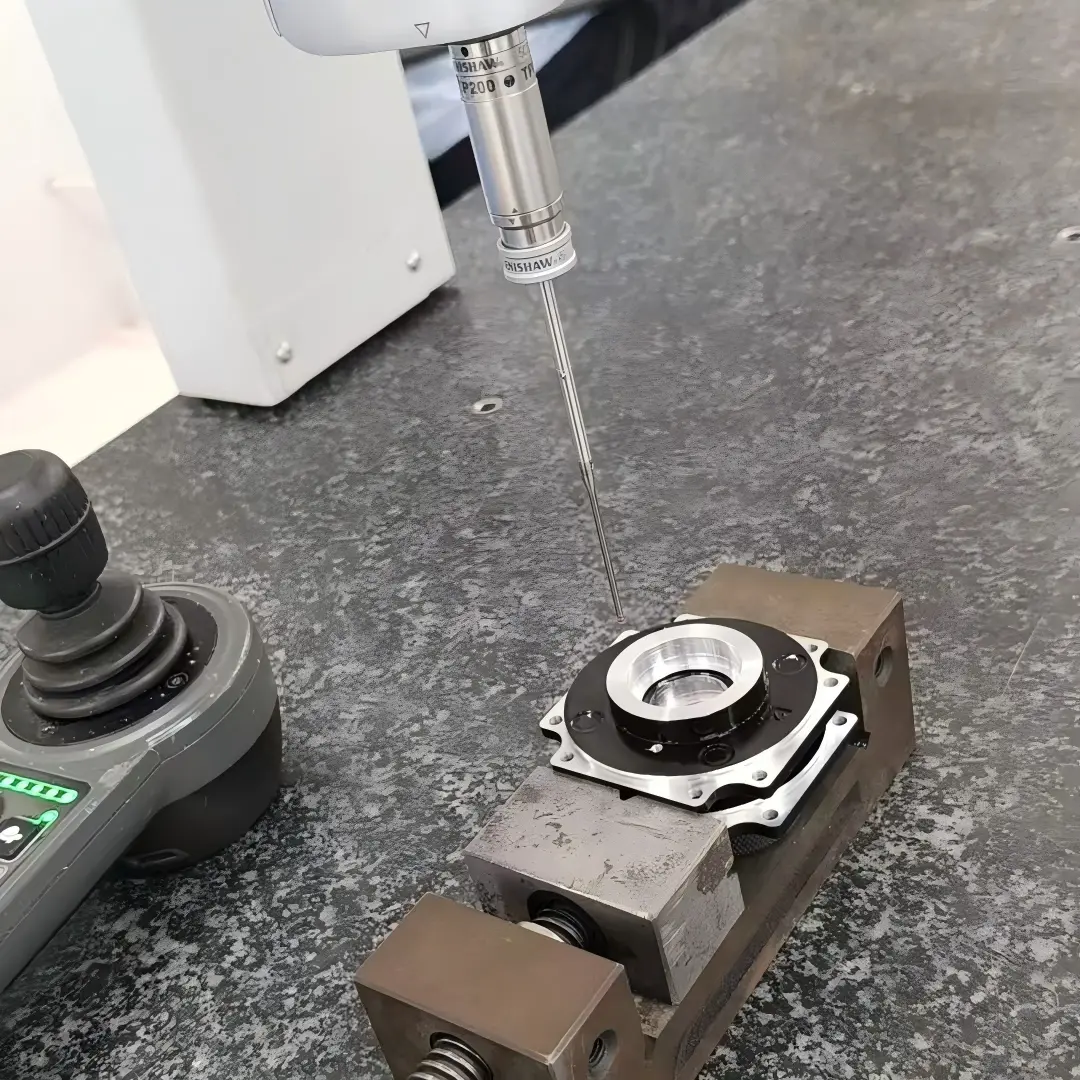
Explore Quality, DFM & Procurement Guides A zero-defect quality policy prevents errors by embedding quality into every stage of design and production. It reduces scrap, avoids assembly failures, and ensures consistent compliance with specifications. By combining process control, inspection, and continuous improvement, manufacturers achieve faster delivery, lower costs, and reliable performance, especially in custom manufacturing

By |2026-10-29T23:06:47+08:00April 29th, 2026|

What Are Beryllium Copper Parts Used For?

Explore Manufacturing Materials Guides What Makes Beryllium Copper Parts Special Beryllium copper parts combine copper's conductivity with alloy strength, giving engineers a material that performs where ordinary copper or brass falls short. The alloy is chosen when parts must carry current, resist wear, hold shape, and avoid sparks in risky environments. Its key properties are

By |2026-10-11T12:53:18+08:00April 28th, 2026|

What Is a Manufacturing RFQ?

Explore Quality, DFM & Procurement Guides A manufacturing RFQ (request for quotation) is a formal request to suppliers for detailed pricing on a defined part or production job, carrying the drawings, CAD files, quantities, materials, tolerances, finishes, lead times, and inspection requirements that make quotes comparable. Its purpose is to remove guesswork: a complete RFQ

By |2026-10-11T15:27:43+08:00April 26th, 2026|

What Is Pressure Die Casting?

Explore Vacuum, Urethane & Metal Casting Guides Pressure die casting is a high-speed metal forming process that injects molten metal into a hardened steel mold under intense pressure. It is widely used to make accurate, smooth, and repeatable parts in aluminum, zinc, and magnesium. The process is ideal for high-volume production, tight tolerances, thin walls,

By |2026-10-29T23:06:48+08:00April 23rd, 2026|
Go to Top