

Explore Manufacturing Materials Guides
What Makes Beryllium Copper Parts Special
Beryllium copper parts combine copper’s conductivity with alloy strength, giving engineers a material that performs where ordinary copper or brass falls short. The alloy is chosen when parts must carry current, resist wear, hold shape, and avoid sparks in risky environments. Its key properties are high electrical and thermal conductivity, high strength and hardness relative to pure copper, fatigue resistance, and dimensional stability. That combination is why small springs, clips, contacts, and sensor elements can keep their shape and their contact pressure over time.
Two families dominate the specification. High-strength tempers deliver spring performance and hardness for contacts, clips, and tools; high-conductivity grades trade some strength for electrical and thermal performance in current-carrying parts. The temper and heat-treatment condition change how the material behaves in service, which is why the grade and condition belong on the drawing, not just the alloy name.
The property balance deserves precision because it drives the application. Beryllium copper reaches tensile strengths well above pure copper or brass while retaining a meaningful fraction of copper’s conductivity, which is the combination that no single material family matches. The alloy also resists stress relaxation, so a spring contact that must hold a force for years does not drift, and it resists galling and wear in sliding contacts better than soft copper. Those four behaviors, strength, conductivity, relaxation resistance, and wear resistance, are what the application table actually maps to the part’s service.
One consequence is that beryllium copper parts are usually specified by function rather than by generic alloy. A relay spring and a bus-bar contact both use the alloy family, but the spring needs the age-hardened condition for elasticity while the contact needs the conductivity-optimized condition, and machining them requires different parameters. The drawing should name the condition and the functional test, such as contact resistance, force, or cycle count, because the condition determines what the fabricated part can honestly claim.
How These Parts Are Used in Industry
Beryllium copper parts serve electronics, aerospace, automotive, oil and gas, medical devices, and industrial systems. Common applications include electrical connectors, relay components, spring contacts, probe tips, and non-sparking tools or fixtures. The conductivity and strength make the alloy useful wherever electrical performance and durability must work together:
Electrical contacts need conductivity and stable contact pressure; springs and clips need fatigue resistance and elasticity; non-sparking tools need safety and wear resistance; sensor housings need precision and dimensional stability. The application table is the specification starting point: name the service and the material priority follows.
Application examples make the pattern concrete. In electrical switching, the alloy appears in relay blades and contact fingers where the spring temper provides the contact force and the conductivity carries the current. In aerospace and defense, it shows up in connectors and instrument hardware where vibration, cycling, and corrosion resistance are simultaneous requirements. In oil and gas, non-sparking wrenches, scrapers, and fixtures take advantage of the alloy’s spark-reduction behavior in potentially explosive atmospheres. In medical devices, small springs and probe tips rely on the fatigue resistance and repeatability. Naming the service first, and the industry second, is how most engineers actually arrive at the material decision.
Why CNC Machining Fits These Parts
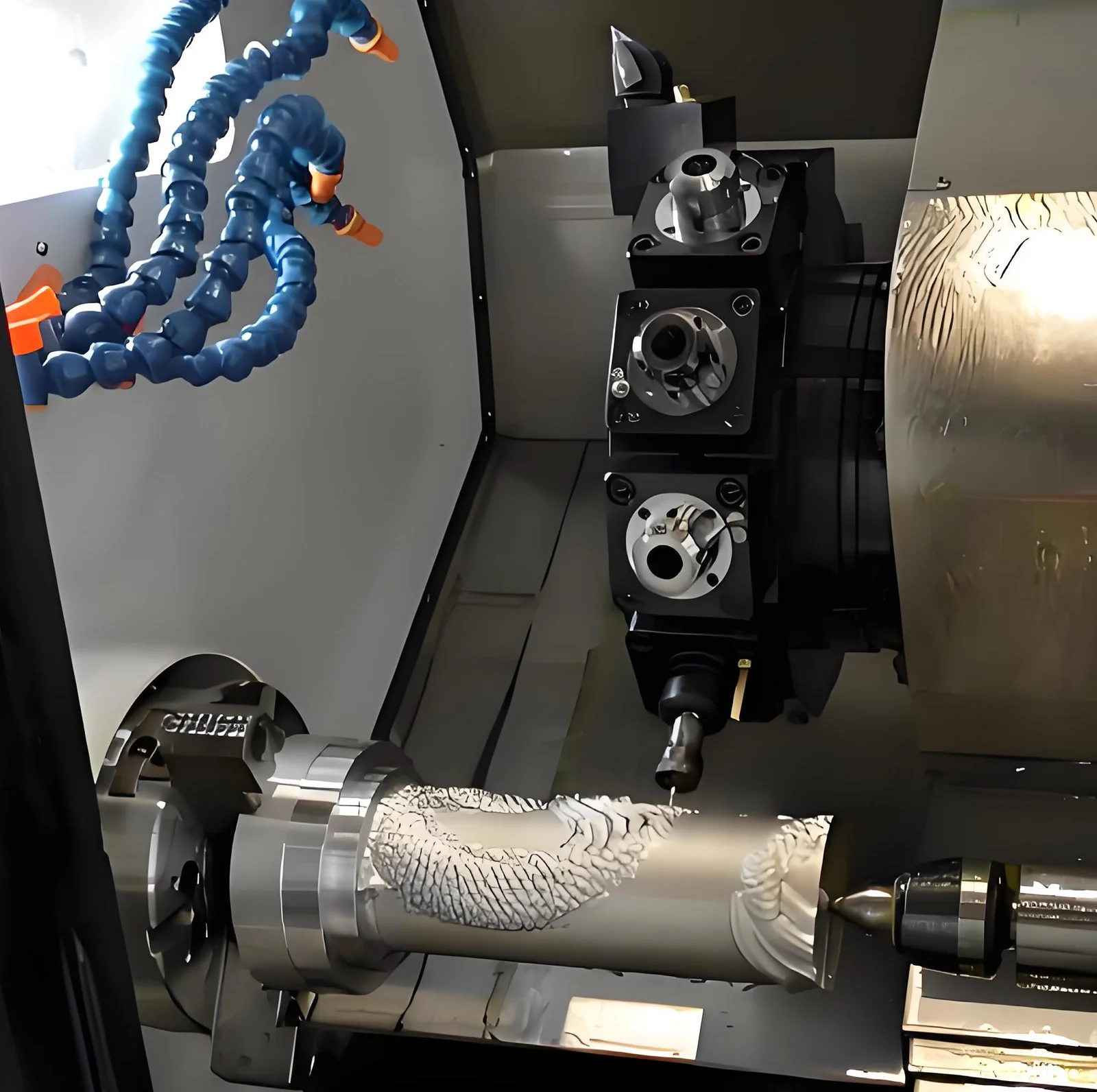
CNC machining is the natural route because beryllium copper parts often require tight tolerances, clean edges, and repeatable geometry. Machining allows accurate holes, slots, contact features, and intricate profiles that simpler processes cannot produce, and it supports prototypes, small batches, and production runs with consistent quality. The tolerances matter because contact pressure, fit, and repeatability depend on the geometry: a contact surface that varies between pieces changes the electrical behavior across the batch.
Non-Sparking Behavior in Hazardous Areas
The machining notes follow the alloy’s behavior. Beryllium copper cuts cleanly when the tools are sharp and the feeds are steady, but it work-hardens at the edge like stainless when parameters drift, so a worn tool or an interrupted cut produces burning and burrs that degrade contact surfaces. Internal chip evacuation matters for small deep features, and the coolant choice affects the surface state more than it does in aluminum. The burr condition on a contact edge is a functional feature, so the deburring step is specified and inspected rather than assumed.
Beryllium copper is widely selected for hazardous environments because the alloy is non-sparking under many use cases, which makes it valuable where flammable gases, dust, or vapors may be present. Safety still depends on the full system, not the alloy alone: part geometry, wear conditions, thermal exposure, and handling requirements all contribute, and the classification of the installation defines what the material must support. The alloy reduces ignition risk in tools, fixtures, and conductive assemblies, but the system design and the operating procedures carry the safety case.
Grade Selection and Specification
The right grade depends on conductivity, hardness, spring performance, and manufacturability. Define the electrical load, mechanical stress, corrosion environment, and expected life before selecting the alloy condition. For best results, the supplier should review the CAD file and the functional goal before machining begins, because the temper choice interacts with the geometry: a thin spring element needs a condition that holds elasticity, while a thick contact block can use a harder, stronger condition.
Manufacturing Challenges and Process Control
Beryllium copper is more demanding than common copper alloys because it requires careful tool selection, chip control, and finishing. Poor machining strategy causes burrs, tool wear, or surface defects that affect fit and electrical performance, and fine details need stable setups to maintain accuracy. The alloy’s strength means higher cutting forces than pure copper, so sharp tooling and controlled parameters matter, and the burr condition on contact edges is a functional feature rather than a cosmetic one.
Health and safety during processing is a separate discipline. Dust, chips, and fine particles must be controlled properly in production, which is why experienced manufacturers are valuable when parts must meet both performance and compliance expectations. The machining process and the safety controls should be part of the supplier qualification, not discovered after the order.
Quality Control and Finishing
Prototype-to-production continuity matters for beryllium copper because the condition and the process interact. A prototype machined from the wrong temper produces contact or spring data that does not transfer to the production condition, so state the temper and the finish at the prototype stage in the same way as the production drawing. The batch consistency check, first article versus each subsequent lot, is what protects the electrical behavior across the run.
Quality control includes dimensional inspection, surface checks, material verification, and functional testing. For beryllium copper parts the most important checks are tolerance, edge quality, contact geometry, and consistency across multiple pieces, because small deviations affect conductivity and spring behavior. A strong workflow includes CAD review, first-article inspection, and final verification before shipment.
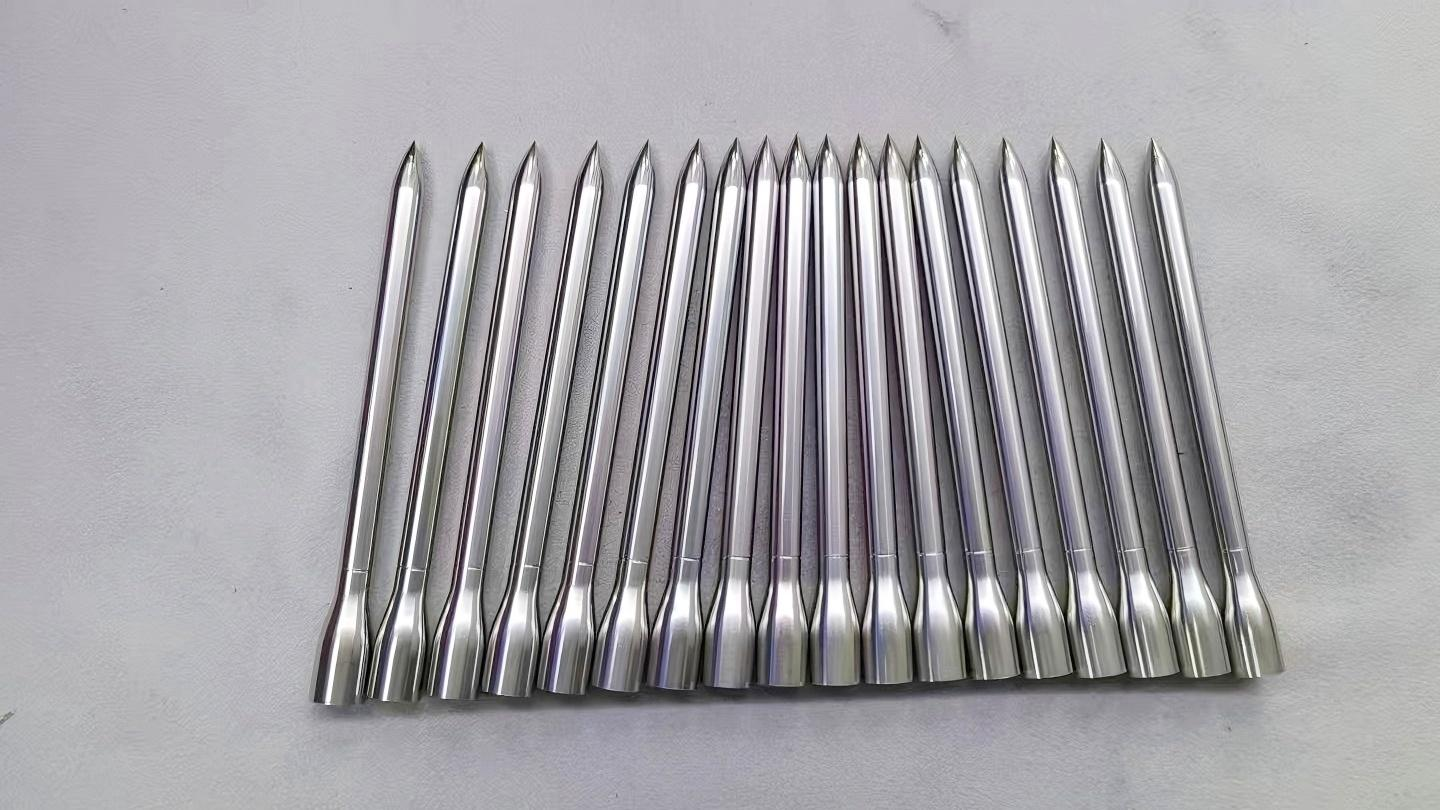
Finishing can improve corrosion resistance, appearance, and electrical function. Common options include deburring, polishing, cleaning, plating, and selective surface treatment. A clean finish matters for conductive parts because surface defects influence contact reliability, and finishing must be controlled carefully on delicate features to avoid changing dimensions.
The alloy is not the right answer everywhere. Where the part only needs conductivity and the loads are light, pure copper or brass is cheaper and easier to machine; where the environment demands very high strength and the electrical function is secondary, a copper-bearing steel or a beryllium-free spring alloy may serve. The decision framework is the overlap: beryllium copper earns the part when two or more of the requirements, conductivity, fatigue resistance, dimensional stability, and non-sparking behavior, must hold on the same feature. When only one matters, a simpler material is usually the better call, which is why the application review belongs before the grade selection rather than after it.
Where These Parts Deliver the Most Value
Beryllium copper parts deliver the most value in components that must do several jobs at once: conduct electricity, resist fatigue, stay precise, and operate safely. They are especially useful in connectors, spring contacts, sensor interfaces, test fixtures, and electrical housings, where failure is often too costly to accept. The alloy also pays off when metal memory and repeatability matter, because a contact pin must press consistently against another surface over thousands of cycles.
Partnering with a shop that runs the full path helps: DFM review of the grade and geometry, prototype runs, and transition to production under a documented process. The CNC machining service and the standards and tolerances framework define the dimensional side, and the material grade guidance on the machining materials page covers the selection side. The precision machining service carries the tight tolerance work these parts need, and the NIST material references provide the alloy property data for the specification.
Conclusion
Beryllium copper parts are the choice when performance, safety, and precision must align: conductive components, spring-loaded assemblies, and hazardous-area applications. Specify the grade and condition, machine with controlled parameters, verify the contact geometry and finish, and work with a partner that covers the path from DFM review to production. The DFM checklist is a practical starting point for the drawing review.
FAQs
What are beryllium copper parts best for?
They are best for electrical contacts, springs, connectors, sensors, and non-sparking components that need strength and conductivity in one material.
Is beryllium copper good for CNC machining?
Yes, it is widely CNC machined for precision parts, though it requires careful process control, sharp tools, chip control, and burr management on contact edges.
Are beryllium copper parts non-sparking?
They are commonly used for non-sparking applications, especially in hazardous environments where spark reduction matters, but the safety case belongs to the full system, not the alloy alone.