

Two hypothetical orders each require 800 plastic housings. One still has an evolving connector layout; the other needs evidence for a molded clip in the selected resin. The shared quantity does not make their next manufacturing decision identical. A buyer comparing CNC and injection molding should inspect the design, material, process, and acceptance questions before committing to either route.
Volume breakpoints are contextual
Compare CNC and injection molding for 200–2000 plastic parts through geometry, material and process representation, revision stability, demand, finish, inspection, and complete program scope. Approve equivalent requirements before comparing economics. No universal quantity selects the route; obtain scoped proposals and validate the actual delivered configuration against the intended use.
Check the demand basis first. Separate committed quantities, forecasts, variants, development builds, and likely reorders. Identify which features may change and what is already approved. Tooling exposure for a stable part differs from an order whose mating interfaces are still being redesigned.
Formlabs’ low-volume guide discusses multiple process options and tradeoffs. Use that overview to build a shortlist rather than importing a generic crossover into the order. Actual tool development, stock, cycle work, finishing, inspection, and changes belong in the proposals.
For the hypothetical changing connector layout, assess whether accessible machining supports the next approved configuration with acceptable material and performance. For the molded-clip order, assess whether the required evidence demands a representative molded route. Neither conclusion follows from the number 800 alone.
Property and cosmetic differences
Check the exact material and the manufacturing state that each route can provide. A stock shape may have a different production history, formulation, or available grade from the molding resin. Compare relevant data and test conditions rather than selecting matching family names from two catalogs.
Mitsubishi Chemical Group’s plastic-machining guide discusses machining behavior, cooling, and stabilization where appropriate. It supports a grade- and geometry-specific route review. Do not assume that an accurately cut surface proves every later dimensional or environmental requirement.
BASF’s Ultradur brochure illustrates material-family processing, coloring, and property considerations for molded PBT. Apply the actual selected resin’s guidance. Molding history and formulation need evaluation when transferring a result from machined stock to a molded component.
Review cosmetic evidence separately. Machining marks, tool access, molded flow effects, gates, parting lines, and ejection can create different acceptance questions. ASTM D1729’s public scope addresses controlled visual color appraisal; assess applicability and define the physical reference, viewing conditions, texture, and defect criteria for each route.
Keep functional features explicit, including threads, inserts, clips, bearing interfaces, sealing lands, and thin sections. Identify which can be made directly and which need secondary operations. An attractive housing sample cannot establish every material-dependent feature.
Table: decision matrix
Use this checklist before selecting a route. The matrix compares questions and evidence, not universal capability or price rankings.
| Decision | CNC review | Injection-molding review | Evidence to close |
|---|---|---|---|
| Design stability | Programs, fixtures and stock affected by revisions | Tool changes and affected sample work | Approved baseline and change scenarios |
| Material | Actual stock grade and condition | Actual resin, additives and process state | Requirement-specific equivalence or permitted differences |
| Geometry | Tool access, holding and fragile features | Draft, walls, parting, gating and ejection | Reviewed route and final-feature acceptance |
| Appearance | Marks and selected finishing | Texture, flow and tool-related marks | Representative approved samples |
| Program economics | Preparation and accepted recurring scope | Tool development and accepted recurring scope | Comparable complete proposals |
Resolve technical equivalence before comparing the totals. If a quote changes material, geometry, finish, or evidence, identify it as an alternative scenario. A lower price for a different deliverable does not answer the original purchase question.
Ask what is included for the first build and what changes on reorder. Confirm ownership, maintenance, storage, and reuse assumptions for dedicated tooling or fixtures where relevant. Include the work needed to restore acceptance after an approved change.
Hybrid strategies
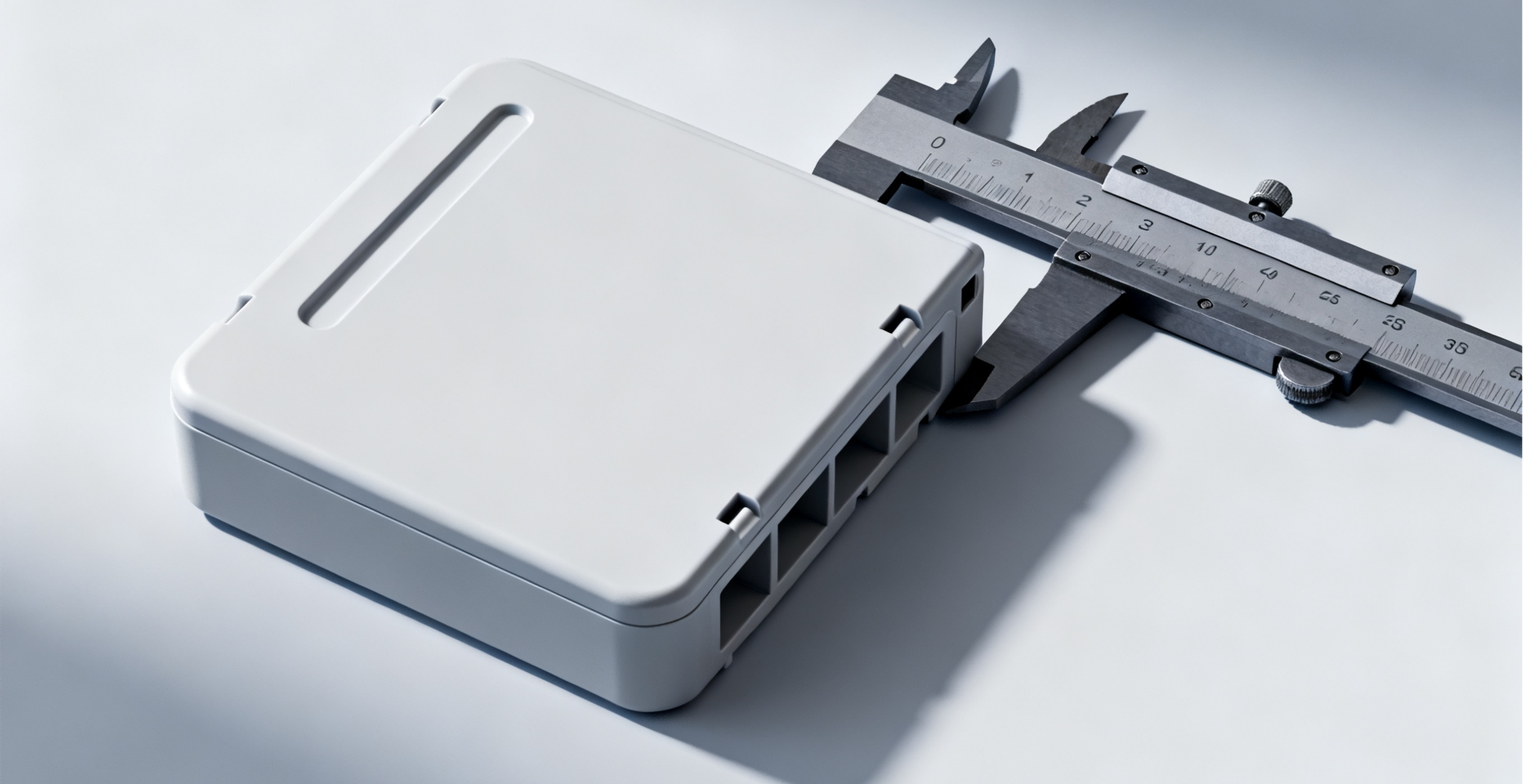
A hybrid can preserve selected benefits when the complete route is practical. Possibilities include machining critical interfaces on a molded blank, using machining for an early approved configuration while developing tooling, or separating a stable body from a changing interface. Define why the combination serves the requirement.
For post-mold machining, specify locating features, stock allowance, material condition, setup, sequence, and final inspection. Review whether restraint or material removal affects geometry. Confirm which dimensions apply before and after the secondary operation.
For parallel development, state what the machined part proves and what must be established on the molded route. Keep the two configurations identified. A successful early assembly trial should not become an undocumented claim that the future molding process is approved.
FAQ
These questions address specification details that should be settled before sample approval.
Does reaching 200 or 2000 parts automatically select a process?
No. Compare the actual design, material, revision outlook, tooling, recurring work, and acceptance scope. Include committed demand and variants. A quantity band is useful context but cannot replace a scoped technical and commercial comparison.
Are machined and molded parts equivalent when both are called the same polymer?
Not automatically. Verify grade, additives, stock or resin condition, manufacturing history, geometry, and relevant properties. Determine which requirements depend on the production route and validate the actual configuration. A common family name is not evidence of complete equivalence.
Related process selection notes
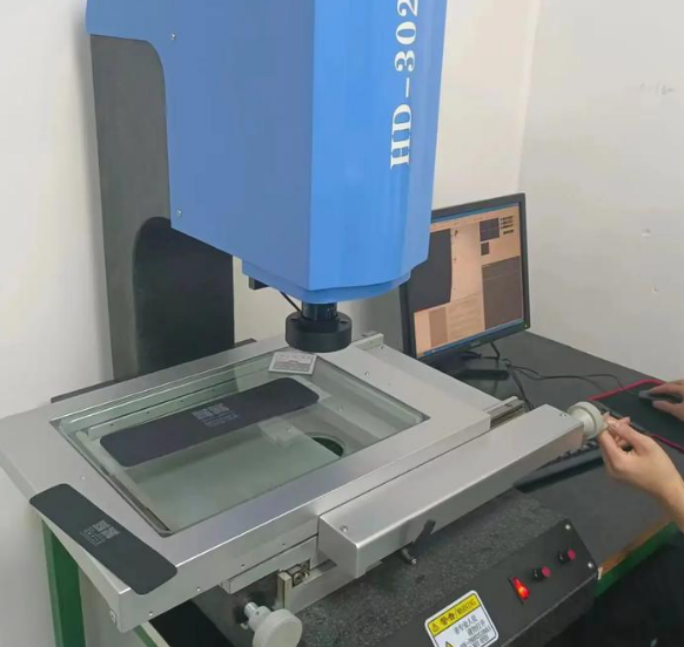
Review the acceptance plan for the selected route and quantity. Identify critical characteristics, material and process records, final inspection state, sampling or coverage, and application tests. Have the responsible engineering authority approve changes and any permitted differences.
ISO 10005’s public scope gives guidance for quality plans. It does not assign a universal inspection count or production qualification to a quantity band. Agree a plan that addresses the actual output and evidence needs.
Before order release, close the checklist with the current drawings, material, process route, cosmetics, quantities, records, and exceptions. Preserve the accepted configuration and the evidence supporting it. Reassess the decision when demand, revision, or a functional requirement changes.
Internal links and next steps
Send the model, drawing, quantities and variants, revision outlook, stock or resin requirements, functional features, cosmetic reference, and acceptance plan. Compare CNC machining with plastic injection molding and the proposed low-volume molding route. Coordinate the program through low-volume manufacturing.
Request a CNC-versus-molding comparison against one controlled accepted-part specification. Confirm material and evidence differences before committing to tooling.
FAQ
These questions address specification details that should be settled before sample approval.
Can a machined prototype approve a molded clip or hinge?
It can support selected geometry or assembly observations, but molding can change the material structure and feature behavior. Identify what the prototype demonstrates and which production-route tests remain necessary. Do not extend an early result beyond its representative conditions.
Can molding and machining be combined?
Yes, where the proposed hybrid meets the requirements. Define molded and machined features, locating, allowances, processing sequence, inspection, and records. Compare the complete accepted route and review the effect of each operation on the final component.