

A hypothetical repeat order arrives with a hole pattern from the previous revision. The buyer approved a new model, but the work order and inspection sheet retained the old baseline. The resulting cost includes more than replacement machining. Revision control for manufacturing RFQs should connect files, purchase orders, programs, tooling, inventory, and acceptance before work is released.
File naming and golden samples
Apply revision control to manufacturing RFQs by identifying approved files, document precedence, order revisions, sample purpose, change authority, effectivity, and supplier acknowledgment. Link the manufacturing and inspection instructions to that baseline. When a change occurs, assess affected stock, work, tooling, records, and deliveries before release; a renamed file or transmitted model does not establish implementation.
Use a consistent identifier containing the part number, document type, and revision where appropriate. Keep approval status distinct from a file’s creation date. Avoid using words such as final or latest as the sole indication of which data the shop is authorized to use.
ASME’s Y14.35 overview concerns identifying and recording revisions to product-definition data and associated documents. Select the applicable convention and revision for the project. The public description does not specify a universal filename scheme for every organization.
Identify what an approved or golden sample controls: appearance, assembly feel, an agreed feature, or another defined requirement. Record its part and revision, material and finish where relevant, approval, and condition. Preserve it appropriately and resolve any conflict with controlled data through the responsible authority.
Quote vs PO revision locks
Reconcile the quotation, purchase order, and release package before manufacturing starts. Record which model and drawing were quoted, which assumptions were accepted, and what changed before order placement. A price accepted against one revision should not be assumed to cover another without review.
ISO 10007’s public description identifies configuration-management guidance. In practical procurement, the task is to establish an approved baseline and control changes to it. The record must show what applies to the actual order, not merely what exists in a shared folder.
NASA’s configuration-management discussion explains the connection between known product configuration and controlled changes. Apply a proportionate process to the commercial program; NASA’s program-specific procedures do not automatically govern a CNC or molding order.
Assess the cost exposure by category. Material already purchased may remain usable or require replacement. Work in progress may need rework, further inspection, or disposition. Programs, fixtures, masters, and molds may need revision. Finished inventory and shipped parts may need separate decisions. Do not combine those consequences into an unexplained setup charge.
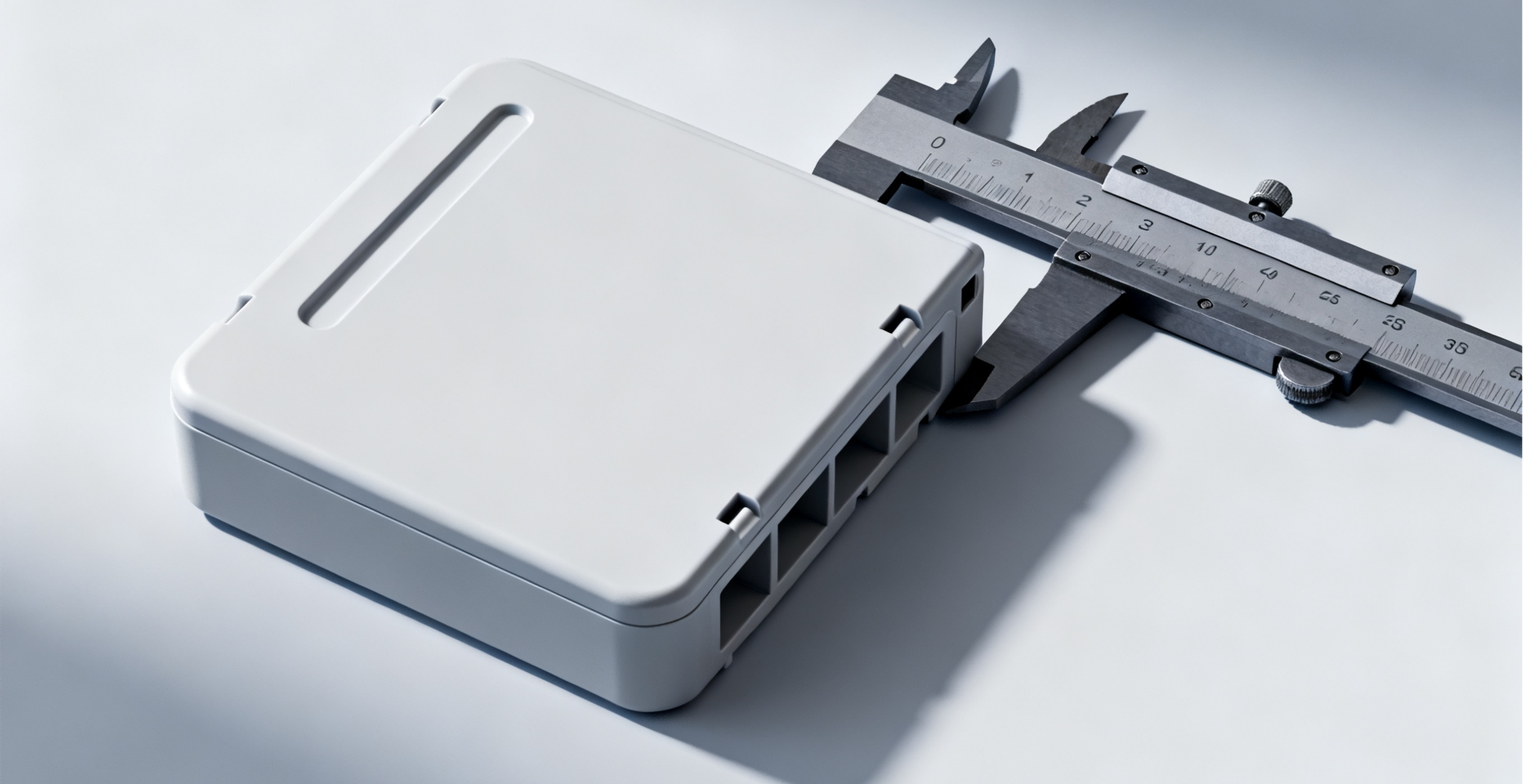
Table: control checklist
The checklist below connects the engineering baseline to production and acceptance. It is a project control aid rather than a claim about an existing 6CProto portal or internal software system.
| Control item | Record to establish | Question before release |
|---|---|---|
| Design package | Part, model, drawing, revisions and precedence | Do file contents match their identifiers? |
| Commercial baseline | Quote and purchase-order configuration | Were changes and exceptions reconciled? |
| Samples | Purpose, identity, approval and condition | What characteristic does each sample control? |
| Manufacturing | Work instruction, program and tooling baseline | Which configuration is active at point of use? |
| Effectivity | Affected order, lot, serials or other defined boundary | Where does the new requirement begin? |
| Acceptance | Inspection and required delivery records | Do records describe the delivered configuration? |
Assign ownership to each control. A shared responsibility without a named decision authority can leave the change transmitted but unimplemented. Keep open dispositions visible until the authorized outcome and its evidence are recorded.
Supplier portals vs email
Choose the communication channel after defining the controls. A portal can organize versions and approvals, while email can carry an identified release package. Both need clear permissions, change notifications, acknowledgment, and a way to retire superseded instructions from active use.
NASA’s technical-data guidance addresses identification, access, distribution, protection, and management of data. The practical lesson is to deliver the right approved information to the people who use it. An upload timestamp does not show which file was loaded into a machine or used by an inspector.
Agree how the supplier confirms receipt and implementation. Identify who updates outside processors and where their acknowledgment is retained. Confirm how late changes, clarifications, and approved deviations become part of the controlled order rather than remaining in an isolated message thread.
NIST’s manufacturing digital-thread work examines links among product-definition and manufacturing data. Use the underlying traceability objective without assuming a particular software product solves the organizational decisions. The design-to-delivery connection must remain understandable when the original participants are unavailable.
FAQ
These questions address specification details that should be settled before sample approval.
Does adding a revision letter to the filename prevent wrong-revision parts?
No. The contents, drawing, model, purchase order, manufacturing instructions, samples, and acceptance records must use the approved baseline. File naming helps identify data but cannot establish approval, effectivity, or correct use at the point of manufacture.
Can an approved sample override a later controlled drawing?
Only through an explicit, authorized requirement or disposition. Identify what the sample controls and its revision, condition, and limits. Resolve conflicts before manufacture or acceptance rather than assuming a physical sample silently replaces the released design.
Related process selection notes
Use a defined response when a suspected wrong-revision condition appears. First identify the affected order and establish what is actually known. Compare released files, manufacturing instructions, process records, and inspection evidence. Keep suspect configurations clearly identified while the responsible authority evaluates them.
Second assess impact across purchased stock, work in progress, tooling, completed parts, and deliveries. Determine whether the difference affects function, fit, appearance, records, or other requirements. Do not assume a minor-looking drawing change is harmless or that every part must receive the same disposition.
Third approve the disposition and revised scope. Identify rework, replacement, additional inspection, accepted deviation, or other authorized action. Include the related verification and record updates in the work estimate. A physically corrected part with an obsolete acceptance record can leave the order unresolved.
Fourth release the reconciled baseline and verify its use. Update the relevant instructions, identify effectivity, obtain acknowledgments, and inspect the output as required. Record what prevented recurrence rather than closing the issue merely because another copy of the model was sent.
Internal links and next steps
For repeat work, retain the approved baseline, prior changes, tool and program status, sample identity, and required acceptance records. State whether the reorder reuses the earlier configuration or introduces a new one. Review changes to materials, finishes, processes, and outside providers where they affect the requirements.
Send the package through the low-volume manufacturing discussion and coordinate the relevant CNC or molding route. Identify the actual approval authority and the evidence needed from each participant.
Request a quote against a named revision with change effectivity and required records attached. Confirm the accepted manufacturing baseline before release.
FAQ
These questions address specification details that should be settled before sample approval.
Is an emailed new model enough to change an active order?
Not by itself. Identify the change authority, affected order and work, required disposition, new baseline, and release conditions. Obtain acknowledgment and control downstream instructions. A transmitted attachment is evidence of communication, not proof that the change has been implemented correctly.
Does a supplier portal automatically provide revision control?
No. The workflow still needs ownership, permissions, approval, effectivity, notification, acknowledgment, and point-of-use verification. Evaluate those controls and the resulting records. A portal and an email process can both fail when the approved manufacturing baseline is unclear.