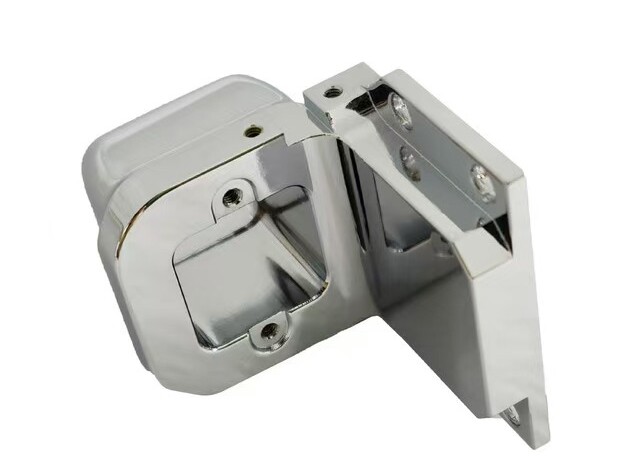
Precision CNC Machining, Rapid prototyping, and Custom parts

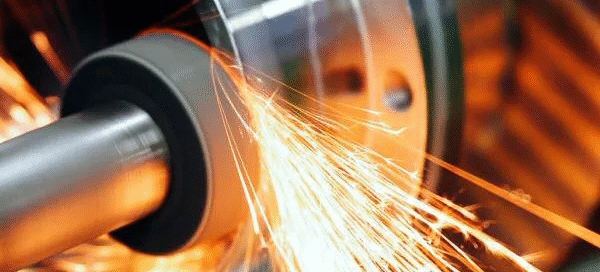
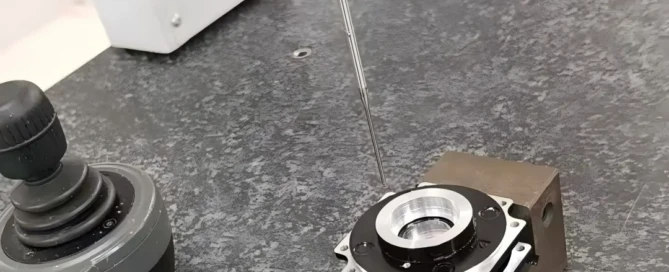
What Are Automated Precision Cells?

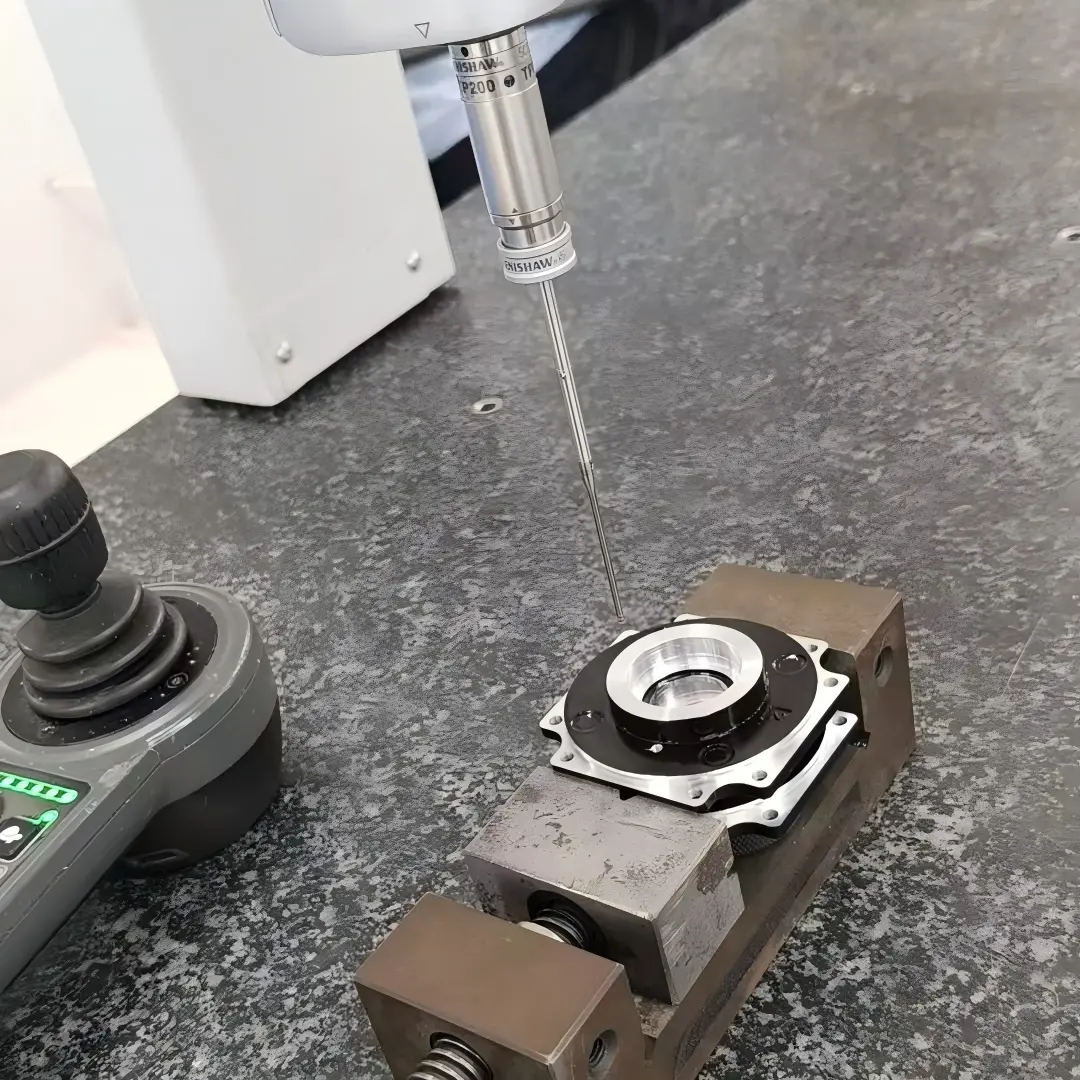
Explore CNC Milling, Turning & EDM An automated precision cell is a self-contained production system that links one or more CNC machines, a robot or pallet handling system, probing and inspection, and control software into a single coordinated loop. The cell loads raw material, machines the part, checks critical features, and unloads finished work with
By |2026-10-11T12:10:32+08:008 5 月, 2026|

How Does Precision Laser Cutting Work?

What Precision Laser Cutting Is Precision laser cutting is a CNC-driven process that uses a focused beam of light to melt, vaporize, or blow away material along a programmed path. Because the beam is guided by digital instructions, the process produces intricate shapes with excellent repeatability, and it is widely used for sheet metal, functional

By |2026-09-13T22:46:29+08:003 5 月, 2026|

What Is LSR Molding and Why Use It?

Explore Injection Molding Materials, Defects & Validation Liquid Silicone Rubber (LSR) molding is a high-precision thermoset injection process that manufactures flexible, durable, and chemically inert components with exceptional geometric repeatability. This clean manufacturing technique yields essential seals, gaskets, medical valves, and consumer interfaces capable of enduring extreme thermal thresholds, maintaining structural elasticity, and satisfying stringent

By |2026-10-11T12:32:08+08:002 5 月, 2026|

What Is Custom Sheet Metal Fabrication?

Custom sheet metal fabrication is the manufacturing route that turns flat metal stock into brackets, enclosures, chassis, panels, and structural parts through cutting, forming, and joining. It is one of the few processes that scales from a single prototype to production volume while keeping the same drawing and the same material. The trade-off is that

By |2026-09-07T20:37:50+08:001 5 月, 2026|

How Does Precision Optical Grinding Achieve Flat Surfaces?

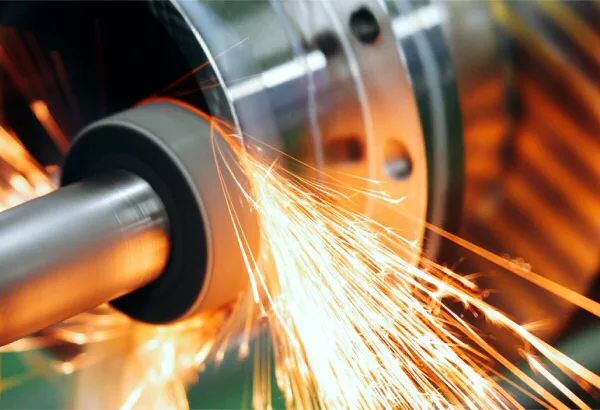
Explore CNC Applications & Precision Components Precision optical grinding achieves sub-micron flatness and tight parallelism by combining rigid CNC machine kinematics, fine diamond abrasives, strict thermal control, and iterative interferometric metrology loops. This controlled material-removal process micro-chips brittle substrates, safely bringing parts within microns of its final geometry. It serves as the vital manufacturing bridge

By |2026-10-11T12:14:30+08:0030 4 月, 2026|

How Does Zero-Defect Quality Policy Work?

A zero-defect quality policy prevents errors by embedding quality into every stage of design and production. It reduces scrap, avoids assembly failures, and ensures consistent compliance with specifications. By combining process control, inspection, and continuous improvement, manufacturers achieve faster delivery, lower costs, and reliable performance, especially in custom manufacturing and rapid prototyping environments.Last updated: October

By |2026-10-04T16:52:22+08:0029 4 月, 2026|

What Are Beryllium Copper Parts Used For?

What Makes Beryllium Copper Parts Special Beryllium copper parts combine copper's conductivity with alloy strength, giving engineers a material that performs where ordinary copper or brass falls short. The alloy is chosen when parts must carry current, resist wear, hold shape, and avoid sparks in risky environments. Its key properties are high electrical and thermal

By |2026-09-13T20:05:59+08:0028 4 月, 2026|

What Is a Manufacturing RFQ?

A manufacturing RFQ (request for quotation) is a formal request to suppliers for detailed pricing on a defined part or production job, carrying the drawings, CAD files, quantities, materials, tolerances, finishes, lead times, and inspection requirements that make quotes comparable. Its purpose is to remove guesswork: a complete RFQ lets suppliers price the job accurately

By |2026-09-13T20:05:54+08:0026 4 月, 2026|

What Is Pressure Die Casting?

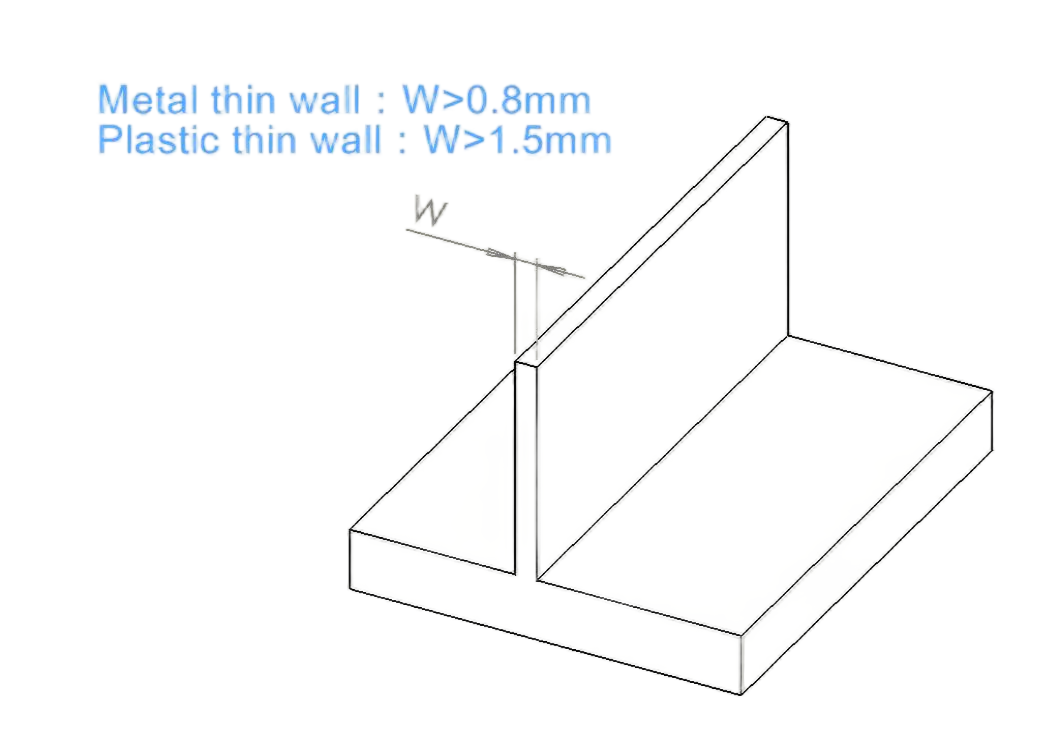
Explore Vacuum, Urethane & Metal Casting Guides Pressure die casting is a high-speed metal forming process that injects molten metal into a hardened steel mold under intense pressure. It is widely used to make accurate, smooth, and repeatable parts in aluminum, zinc, and magnesium. The process is ideal for high-volume production, tight tolerances, thin walls,

By |2026-10-11T12:33:06+08:0023 4 月, 2026|

Solving Electroplating Challenges for Brass Products: A Success Story

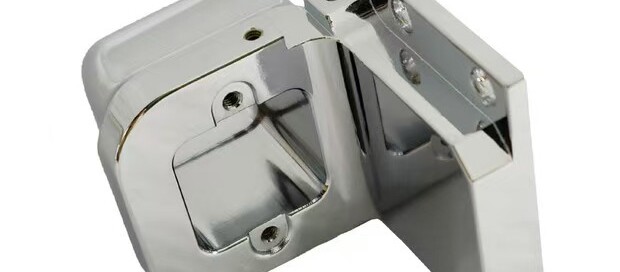
The first parts off the line showed two defects that came from one cause. The blind holes in the brass were barely plated, and the mouths of those same holes had turned a heavy yellow. Both are current-distribution problems, and both were solved by changing where the current came from rather than by changing the

By |2026-10-04T13:49:13+08:0015 10 月, 2025|
Go to Top