

No, They Are Not the Same Thing
Rapid prototyping and 3D printing are not the same thing. Rapid prototyping is a manufacturing strategy: produce a physical part quickly so the design can be seen, felt, and tested, and the process can be 3D printing, CNC machining, urethane casting, or any method that delivers the part faster than production tooling would. 3D printing is a technology family: building a part layer by layer from a digital model, which is fast for geometry and therefore a natural fit for prototyping, but the same technology also produces end-use parts, tooling, and production components. The defining feature of rapid prototyping is the strategy; the defining feature of 3D printing is the process. The two labels describe different categories that happen to overlap in the middle, and the confusion starts when the labels are used as if they were interchangeable definitions of the same thing.
What Each Term Answers
Rapid prototyping answers the question of how to validate a design quickly; 3D printing answers the question of how to build a geometry layer by layer. A machined prototype is rapid prototyping without 3D printing, and a printed production bracket is 3D printing without prototyping. The distinction becomes practical in specifications and procurement: a drawing that asks for “rapid prototyping” without naming the process leaves the supplier to choose the technology, a request for “3D printing” names the technology but not the material or the machine, and neither alone produces a useful quote. The RFQ should state both the strategy and the technology.
Neither label is a quality rating. A 3D-printed part can be an end-use production component with certified material properties, and a machined “prototype” can be a production part that happens to be ordered in a small quantity. What separates a prototype from a production part is the intent and the evidence plan, not the machine that made it. Holding that intent in the RFQ keeps the supplier from guessing whether the part must survive a load test or simply look right on a bench.
Where the Confusion Comes From
The entanglement has a historical reason. 3D printing appeared in the late 1980s as a rapid prototyping tool, and for years almost every 3D-printed part was a prototype. The label “rapid prototyping” attached itself to the technology itself, and the habit survived long after the technology outgrew it. The formal term for the technology family is additive manufacturing, defined by the ISO/ASTM 52900 standard, and 3D printing is its common name. The three terms, rapid prototyping, 3D printing, and additive manufacturing, describe a strategy, a technology, and the technology’s formal name. The practical consequence is that the term used in an RFQ steers the supplier’s response, so matching the term to the need produces a more useful quote.
Choose the Process by Validation Stage
Five common prototypes show the categories in action. A printed concept model is both a rapid prototype and a 3D-printed part, and the label does not matter because the question is geometry. A machined functional test article is a rapid prototype but not 3D printing, because the load data requires the production process. A printed end-use bracket for a production assembly is 3D printing but not prototyping, because the part is the product. A cast cosmetic prototype is rapid prototyping through urethane casting, confirming that the strategy is process-agnostic. A DFM-validated pilot part made by the production process is the transition piece between prototyping and production. Running each part through these five cases builds the habit of naming both the strategy and the technology on every order.
The cost comparison also changes with the label. A printed concept part competes on tooling avoidance and geometry speed, so the cost is a function of build volume, material, and post-processing. A machined functional part competes on material honesty and tolerance, so the cost follows programming, setup, and the material grade. Comparing the two without stating the stage compares the wrong numbers, because a cheap printed part that answers a geometry question is not a substitute for an expensive machined part that answers a load question. State the question first, price against it, and the comparison becomes arithmetic instead of opinion.
The distinction changes how a prototype program is planned. A team that thinks rapid prototyping equals 3D printing prints every prototype, including functional parts that need production materials and real tolerances, and the printed part produces data that does not transfer. A team that treats rapid prototyping as a strategy chooses the process per stage: print for geometry, machine for performance, cast for appearance, and the program answers each question with the right evidence.
The stage map is the decision tool. Form and fit can run printed, because the question is geometry and interfaces. Functional testing needs the production process, typically CNC machining in the production alloy, because the load data must be real. Appearance and stakeholder review can use casting or printed parts with full finishing. Production readiness needs a DFM-validated design built by the actual production process. Each stage names a different process, and the strategy is what keeps the sequence coherent.
When 3D Printing Is the Right Tool
3D printing wins where geometry is the requirement. Internal channels, lattice structures, conformal shapes, and features that machining cannot reach are the territory where layered manufacturing earns its place. For prototyping, that means complex housings, ergonomic grips, and assemblies where a cast or molded look is needed before tooling exists. The 3D printing materials range, from FDM, SLA, and SLS process families to filled and unfilled plastics, sets what a printed prototype can honestly represent, and the process comparison article on FDM vs SLA vs SLS explains how to match the process family to the part.
The terminology also shapes how engineers and buyers talk about outcomes. A prototype program described as “3D printing” attracts process experts who optimize layer height and build orientation; one described as “rapid prototyping” attracts process-agnostic engineers who optimize the evidence per dollar. Both conversations are legitimate, but they are different conversations, and a spec that mixes them produces misaligned expectations. The same distinction applies to search and content: “rapid prototyping” searchers want the service or the strategy, while “3D printing” searchers may want the technology, the materials, or a service, and a site that serves both answers both intents. Naming the category in your head is what keeps the rest of the design and procurement conversation consistent.
When 3D Printing Is the Wrong Prototype Process
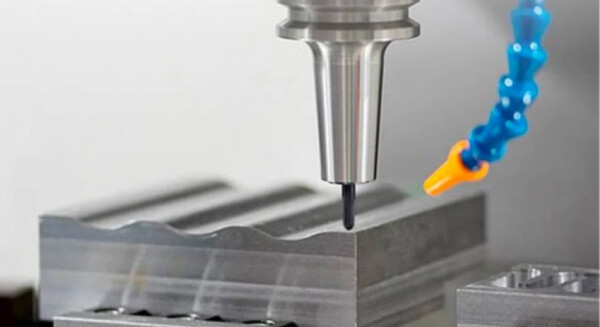
3D printing is the wrong prototyping process when the prototype must produce load, thermal, or tolerance data in the production material and the geometry does not need additive capability. A machined part in the production alloy is the honest test article in that case, and the printed version would produce data that does not transfer. The same judgment applies in reverse: casting suits appearance and cosmetic review, and sheet metal fabrication suits enclosures where formed behavior matters. The deciding question is which evidence the stage needs, not which machine is in the room.
Describe Both in the RFQ
One more distinction matters in practice: tooling. 3D printing builds geometry without tooling, which is why it dominates early prototyping; CNC machining and casting also avoid tooling at prototype scale. When a program moves toward production, the comparison stops being about the prototype label and becomes about the production route, which is where injection molding or urethane casting enters with their own tooling economics. Keeping the labels separate through that transition prevents the mistake of choosing a production process because the prototype was printed.
A complete prototype RFQ names the stage, such as functional prototype, the process, such as CNC milling or SLS, the material grade, and the finished surfaces. The rapid prototyping page explains the strategy side, and the 3D printing service page covers the technology side. When the program mixes both, state which features are printed and which are machined, because a hybrid prototype needs different tolerances, inspection points, and lead times than a single-process one.
Conclusion
Rapid prototyping is the strategy of fast physical validation, and 3D printing is one technology that serves it. Use the strategy to choose the process per stage, use the technology to describe the process, and use the formal term additive manufacturing where the NIST measurement standards apply. A rapid prototyping program that treats the labels separately chooses the right process for each question, and a 3D printing service that explains the technology makes the choice visible.
FAQs
Is 3D printing the same as rapid prototyping?
No. The practical test is the question: rapid prototyping answers how to validate a design quickly, while 3D printing answers how to build geometry layer by layer. A machined prototype is rapid prototyping without 3D printing, and a printed production bracket is 3D printing without prototyping.
What should I write in an RFQ when I need a prototype?
Name the strategy and the technology separately: the stage, such as functional prototype, the process, such as CNC machining or SLS, the material grade, and the finished surfaces. A request that says only “rapid prototyping” or only “3D printing” leaves the supplier to fill in the missing half.
When is 3D printing the wrong prototyping process?
When the prototype must produce load, thermal, or tolerance data in the production material and the geometry does not need additive capability. A machined part in the production alloy is the honest test article in that case.