

A product team needs a soft-touch prototype that feels like the production grip, and the process options split three ways: overmold the soft material onto a substrate, cast it with a flexible urethane, or print it in TPU. Each route delivers a different combination of feel, durability, appearance, and lead time, and the right choice depends on the question the prototype must answer. If the goal is the production feel and the material behavior, overmolding is the closest; if the goal is a cosmetic appearance sample, urethane casting serves; and if the goal is a quick functional check of the geometry, TPU printing is the fastest. The soft-touch route is chosen by the decision the prototype supports.
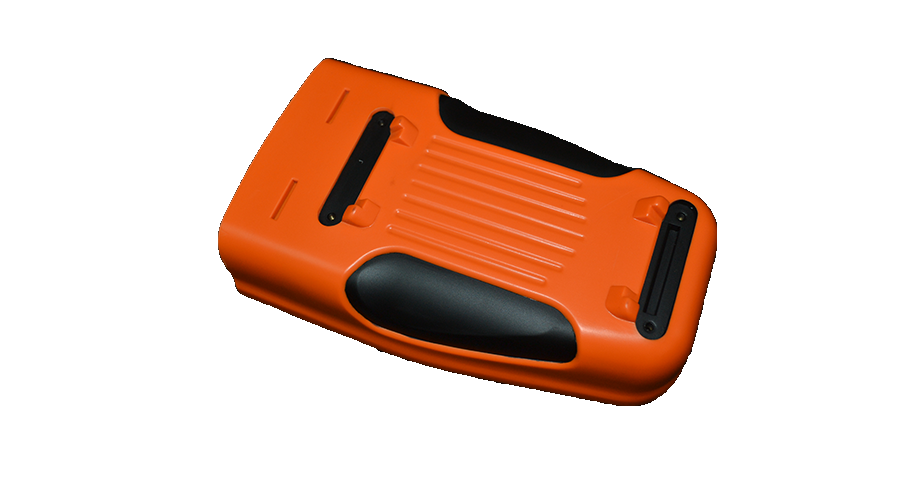
Defining the soft-touch requirement: durometer, feel, and durability
The route cannot be chosen until the soft-touch requirement is defined. Durometer — the material’s hardness on the Shore scale — sets the initial feel; the thickness and the texture set the perceived softness; and the durability sets the material and the construction. A grip that feels soft at first touch but tears in testing fails the requirement, and a firm material that survives the test may not deliver the soft feel the product needs. The requirement should name the durometer range, the texture, and the service test, because each route delivers a different combination. The definition is the first step, and it is what makes the route comparison meaningful.
The feel should also be defined by the user: the grip pressure, the touch duration, and the environment all affect what “soft” means, and the prototype should be evaluated by the target users.
Overmolding: real production process at prototype quantities
Overmolding is the production process for soft-touch parts: a rigid substrate is molded, and a soft TPE is molded over it to create the grip. At prototype quantities, overmolding requires tooling — the substrate tool and the overmold tool — which makes it the slowest and most expensive route for a few parts, but it is the only route that validates the production material pair, the bond, and the process. When the prototype must prove the production feel and the bond, overmolding is the right choice, and the tooling investment is justified by the program. The overmolding design guide covers the material and the geometry; this page compares the route with the alternatives at the prototype stage.
The overmolded prototype also validates the assembly: the grip thickness, the texture, and the edge coverage are checked on the production-like part, and the bond is tested for the service cycles.
Urethane casting with flexible resins: appearance and lead time
Urethane casting produces soft-touch parts from a silicone mold and a flexible resin, delivering a good appearance and a moderate durometer range without production tooling. The route suits appearance prototypes and short runs where the part must look and feel close to production, and the lead time is shorter than tooling for overmolding. The limits are the material behavior and the volume: cast urethanes do not exactly match a production TPE’s properties, and the mold life limits the quantity. Urethane casting is the middle route — closer to production than printing, faster than overmolding tooling — and it is the choice when the prototype must bridge appearance and function at a moderate quantity.
The cast part’s feel should be compared against the production target on a sample, because the flexible resin’s behavior differs from the molded TPE.
TPU printing for functional soft-touch checks
TPU 3D printing produces soft, flexible parts quickly and without tooling, making it the fastest route for a functional check of the soft-touch geometry. The printed part validates the shape, the thickness, and the flexibility of the grip, and it lets the team test the feel before committing to tooling or casting. The limits are the material behavior and the surface: printed TPU does not match a molded TPE’s properties, the layer structure affects the surface and the durability, and the printed part is a geometry check rather than a material validation. TPU printing is the first step of the soft-touch development, answering the shape and the feel questions before the production route is chosen.
The printed grip should be compared with the production material on the final samples, because the feel difference between printed TPU and molded TPE can be significant.
Matching the route to quantity and the decision you need to make
The route comparison follows the quantity and the decision. A single grip to check the feel favors TPU printing; twenty appearance parts favor urethane casting; and a production validation favors overmolding with its tooling. The decision should also name the question: if the question is the geometry, print it; if it is the appearance, cast it; if it is the production feel and the bond, overmold it. The routes can also sequence — print to refine the shape, cast to check the appearance, and overmold to validate the production — and the sequence spends the least money at each stage. The soft-touch prototype plan is a series of route decisions, each matched to the question the product still needs to answer.
Building the soft-touch prototype plan
The prototype plan sequences the routes to the questions the product must answer. Stage one prints the grip in TPU to validate the geometry and the initial feel, with the thickness and the shape refined cheaply; stage two casts the appearance parts in a flexible urethane to check the texture, the color, and the perceived quality; and stage three overmolds the production-like samples to validate the material pair, the bond, and the durability. Each stage answers its question with the least expensive route, and the plan spends the tooling money only when the earlier stages have answered the questions that the tooling cannot. The prototype plan should be written with the quantity and the decision in view, because the sequence changes with the program: a product that needs the production feel early may move to overmolding sooner, while a product that is still exploring the shape stays in printing longer.
The plan should also carry the acceptance criteria for each stage: the durometer and the feel target, the texture and the color sample, and the durability test that the production grip must pass. The samples from each stage are compared against the criteria, and the results feed the next stage and the production specification. When the prototype plan is written with the criteria and the sequence, the soft-touch development is a controlled path — and the production grip is validated by the samples that led to it, not by hope. The route comparison is not a one-time choice; it is a series of decisions that move the product toward production with evidence at every step.
The soft-touch route comparison should also include the cost and the schedule at the production quantity, because the prototype route and the production route may differ. A product that prototypes in TPU printing and cast urethane may move to overmolding for production, and the production cost — the tooling, the cycle, and the material — should be part of the route decision from the start. The prototype plan should estimate the production cost of each route so the program knows where the soft-touch design is heading: a grip that will be overmolded in production should be designed with the overmold geometry from the beginning, even while the prototypes are printed or cast. The route comparison that includes the production economics prevents the late discovery that the prototype design cannot be overmolded economically, or that the production TPE cannot deliver the feel the cast sample suggested. When the prototype plan and the production route are aligned, the soft-touch development moves through the stages with the destination in view — and the product reaches production with the grip designed for the route that will make it.
Keep the prototype samples and the criteria with the product record, so the feel that was approved on the sample is the feel that the production parts must match. The record is the reference for the production validation and the supplier review.
The final step is the production validation: the overmolded parts are tested for the durometer, the bond, and the durability at the service condition, and the results are compared against the prototype samples and the criteria. The production validation is what confirms that the route chosen in the prototype plan delivers the grip the product promised — and it is the gate between the developed prototype and the shipped product.
Name the feel and the durability targets on the plan, and keep the approved samples with the product so the production grip matches what the prototypes promised.
Name the durometer, the texture, and the durability test on the plan, and approve the production samples against them before the tooling commitment.
If you are developing a soft-touch part and want the overmolding, casting, and printing routes compared for your quantity and your decision, the 6CProto prototyping and injection molding teams can work from your durometer and service requirement to the prototype plan.