

Stainless steel is not stainless because it is inert; it is stainless because a thin oxide layer forms on its surface and protects it. Machining, welding and handling can interrupt that layer or leave free iron behind, and passivation is the process that removes the contamination and lets the oxide form again.
What the process actually does
The part is cleaned to remove oils and debris, then exposed to a chemical bath that dissolves free iron and other surface contamination without attacking the underlying stainless. Once the surface is clean, the naturally forming oxide layer re-establishes itself, and the part behaves as the alloy is supposed to behave. The chemistry is chosen to suit the alloy, and the exposure is controlled so the metal is cleaned rather than etched.
| Stage | Purpose | What goes wrong if it is skipped |
|---|---|---|
| Pre-cleaning | Remove oils and machining residue | Bath cannot reach the surface; patchy result |
| Passivation bath | Dissolve free iron and contamination | Rust appears on the part in service |
| Rinsing | Remove residual chemistry | Staining and corrosion at the residue |
| Drying | Prevent water marks | Cosmetic rejects on visible parts |
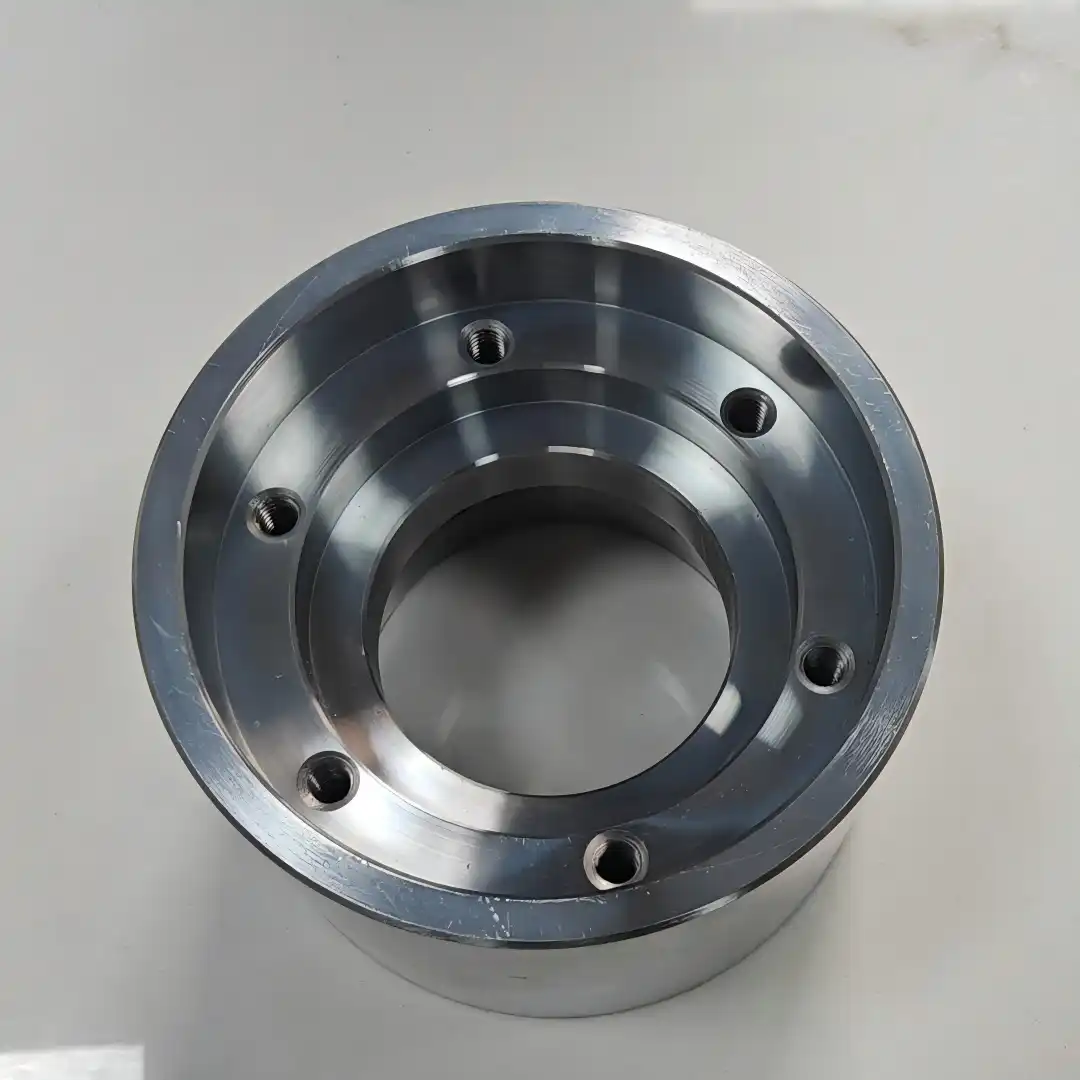
What is a passivation procedure, step by step
Clean, expose to the chosen chemistry, rinse and dry.
The procedure begins with removing contamination that would block the chemistry, typically oils, coolant residue and loose debris. The part is then immersed in a bath selected for its alloy family — citric and nitric chemistries being the two common routes — for a controlled time and temperature. It is then rinsed thoroughly, because residual chemistry continues to act and can stain or corrode the surface, and dried in a way that avoids water marking.
Two variables decide whether the result is correct: how clean the part was before it entered the bath, and whether the bath was matched to the alloy. Parts that are welded need particular attention, because welding alters the surface and can leave scale and free iron in the heat-affected zone, which is where corrosion usually shows first if it is not removed.
Is passivation a cleaning process?
Partly, but its purpose is corrosion resistance.
Passivation does remove surface contamination, so the line between cleaning and treating is genuinely blurred. What distinguishes it is intent and chemistry: the bath is selected to dissolve free iron from the surface rather than merely to remove dirt, and the acceptance criterion is typically a corrosion test rather than visual cleanliness. A part can look perfectly clean and still fail a passivation test if iron contamination remains.
That distinction matters when specifying the process. If the requirement is appearance, a cleaning operation may be sufficient and cheaper. If the requirement is that the part resists corrosion in service, the specification should state the test rather than only the process, because the test is what demonstrates the surface is actually passive.
How long does passivation last?
It is a surface state, not a coating with a lifespan.
Passivation is not a coating, so it does not wear off in the way a plated layer does, and the oxide layer that forms after treatment is the same one the alloy forms naturally. Its protection lasts as long as the surface stays clean and undisturbed. What shortens it is mechanical damage, abrasive cleaning, contamination with iron from other tools or surfaces, and environments that overwhelm the alloy’s corrosion resistance regardless of treatment.
The practical consequence is that passivation is a state rather than a lifespan. Re-treatment is needed when the surface has been damaged or contaminated — after welding, after aggressive polishing, or after exposure to conditions that deposited foreign metal. For parts in service, the more useful specification is the corrosion test that demonstrates the surface is passive rather than a claim about duration. Corrosion terminology and test methods are published by ASTM Committee B08.
Specifying and inspecting passivation
A usable specification names the alloy, the process route, whether the requirement applies after welding or polishing, and the acceptance test. Where appearance matters, it also defines the visual standard: water spotting, staining and colour variation are all reasons for rejection on a visible face even when the surface is functionally passive.
Inspection then divides into two parts. The functional check demonstrates that free iron has been removed, using a recognised test method rather than a visual assessment. The visual check covers the surfaces the customer sees. Agreeing both before the batch runs prevents a part being accepted on function and rejected on appearance, which is a common and avoidable dispute. Related finishing routes are described under electroplating and bead blasting, material behaviour references are published by ASM International, inspection practice is described by the NIST Manufacturing Extension Partnership, drawing conventions follow ASME standards, and bath and waste obligations are set out by the US EPA.
Where passivation fits in a production sequence
Placement in the sequence affects both the result and the cost. Passivation is usually performed after all machining and welding are complete, because those operations contaminate the surface and would undo the treatment. Where parts must also be polished or blasted, the order matters: blasting media can embed particles that later cause corrosion, and polishing compounds leave residues that must be removed before the bath.
Two practical points follow. Machining operations that use the same equipment for carbon steel and stainless can deposit free iron, which is a common cause of rust appearing on parts that were correctly passivated. And handling after treatment should avoid contact with unprotected carbon steel benches or tooling, because contamination transfer is easy and invisible. Drawing and process notes for these sequences are covered under surface finishing.
Send the part with the alloy, the welding or polishing steps and the corrosion test you require, and request a passivation quote with the acceptance criteria stated.
FAQ
What is a passivation procedure?
Cleaning the part to remove oils and debris, exposing it to a chemistry selected for the alloy, then rinsing and drying. The bath dissolves free iron and surface contamination so the natural protective oxide layer can re-form.
Is passivation a cleaning process?
It has a cleaning effect, but its purpose is corrosion resistance. The chemistry is chosen to remove free iron from the surface rather than only dirt, and acceptance is usually demonstrated by a corrosion test rather than by appearance.
How long does passivation last?
It is a surface state rather than a coating, so it does not wear away in service. It is undone by mechanical damage, abrasive cleaning or contamination with foreign metal, which is why re-treatment follows welding, aggressive polishing or contamination.