
Passivation Services
Improve the surface condition of compatible stainless steel parts by removing manufacturing contamination and supporting formation of the natural passive layer. 6CProto coordinates machining or fabrication, cleaning, specified passivation chemistry, rinsing, testing, documentation, and clean packaging.
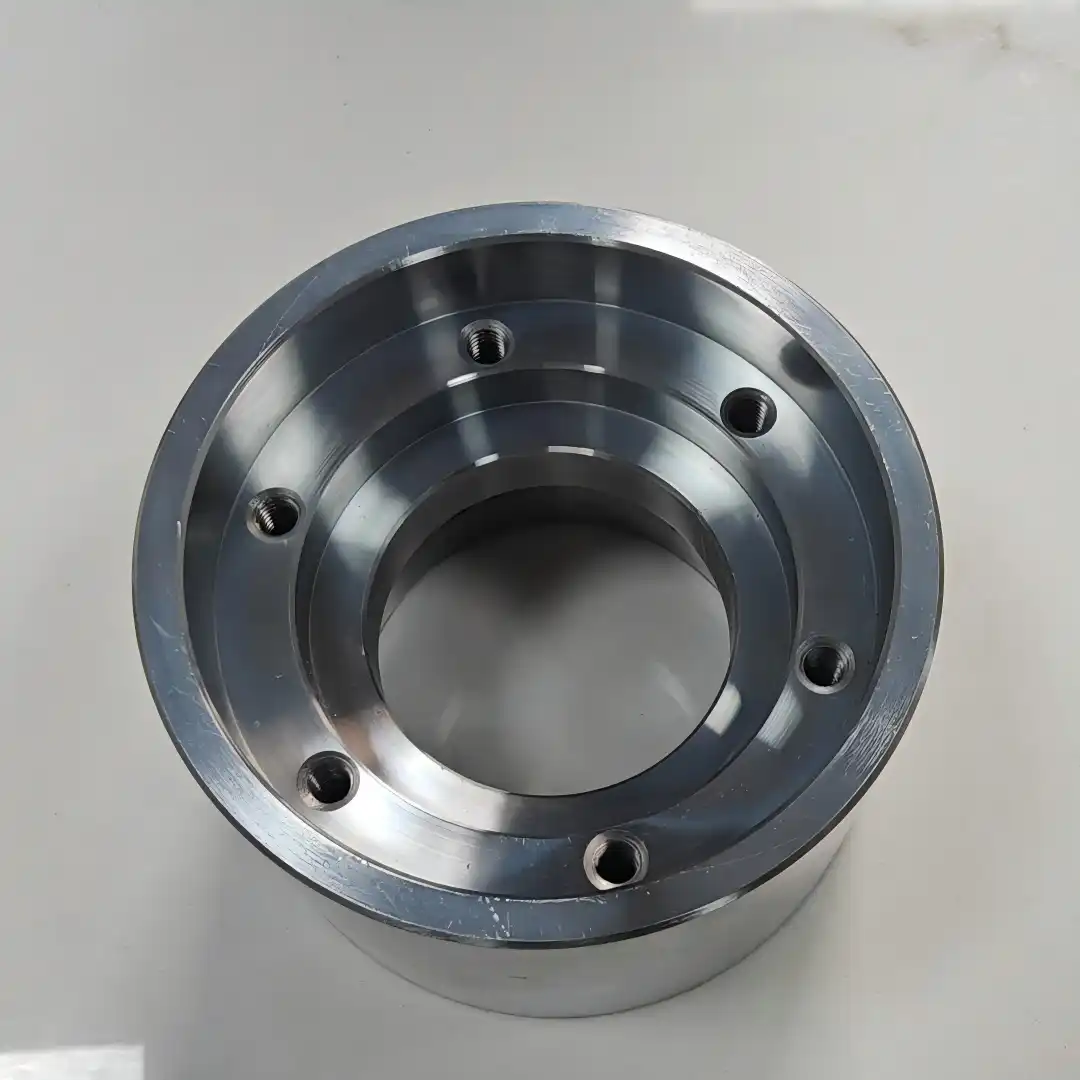





What Stainless Steel Passivation Is Purchased to Do
This service is about controlled cleaning and surface chemistry, not decorative coating buildup.
Remove Free-Iron Contamination
Address iron or manufacturing contamination introduced during machining, handling, blasting, or contact with unsuitable tooling.
Support the Passive Surface
Use a specified chemical treatment and controlled rinsing to restore a clean stainless surface capable of maintaining its natural passive layer.
Preserve Part Geometry
Passivation is not intended to add a thick coating, but cleaning, etching, staining, and surface appearance still require specification and control.
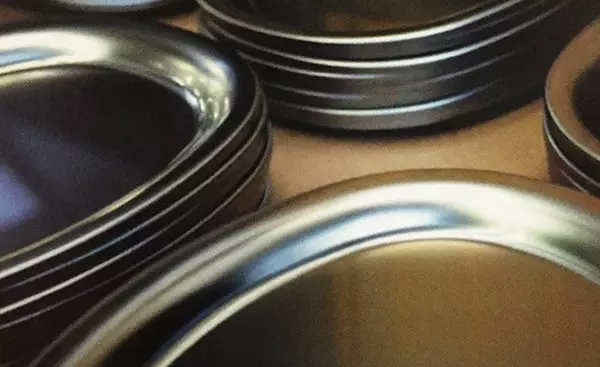
Passivation Starts with Alloy and Cleanliness
Stainless steel relies on chromium at the surface to form a thin passive oxide. Machining residues, shop contamination, heat tint, scale, welding condition, or mixed-metal handling can interfere with the desired surface. A passivation order therefore begins with cleaning and an exact alloy and process requirement.
Use this page to request production parts with passivation. Use the Surface Finish Guides for general explanations. If the purchasing need is a black appearance on ferrous parts, see Black Oxide Coating Services.
What to Include in a Passivation RFQ
The exact process and evidence should come from the drawing or governing specification.
| Input | What to State | Why It Is Required |
|---|---|---|
| Alloy and condition | Exact stainless grade, heat treatment, and product form | Determines chemistry compatibility and process selection |
| Starting surface | Machined, welded, heat tinted, blasted, polished, or previously coated | Passivation alone may not remove scale, tint, or heavy contamination |
| Process | Governing standard, method, nitric or citric requirement | Prevents substitution of an unapproved chemistry |
| Testing | Required test method, sampling, acceptance, and records | Defines evidence of process acceptance |
| Handling | Cleanliness, traceability, packaging, and contamination controls | Protects the surface after processing |
Our Stainless Steel Passivation Workflow
Cleaning, chemistry, rinsing, testing, and post-process handling are treated as one controlled route.
Verify Alloy and Surface
Review grade, heat treatment, prior operations, weld condition, scale, contamination, and specification.
Remove Manufacturing Residues
Use suitable cleaning and preparation to remove oil, soil, and contamination before passivation.
Treat and Rinse
Apply the specified compatible chemistry, then rinse and handle the parts using the agreed process controls.
Test and Package
Complete specified acceptance checks and documentation, then package parts to avoid recontamination.
Passivation Testing and Documentation
Testing is not assumed from the word passivation. State the required standard, method, sampling, acceptance criteria, certificates, lot traceability, and packaging. Where medical, food-contact, aerospace, or other regulated use is involved, provide the exact applicable requirements for feasibility review.
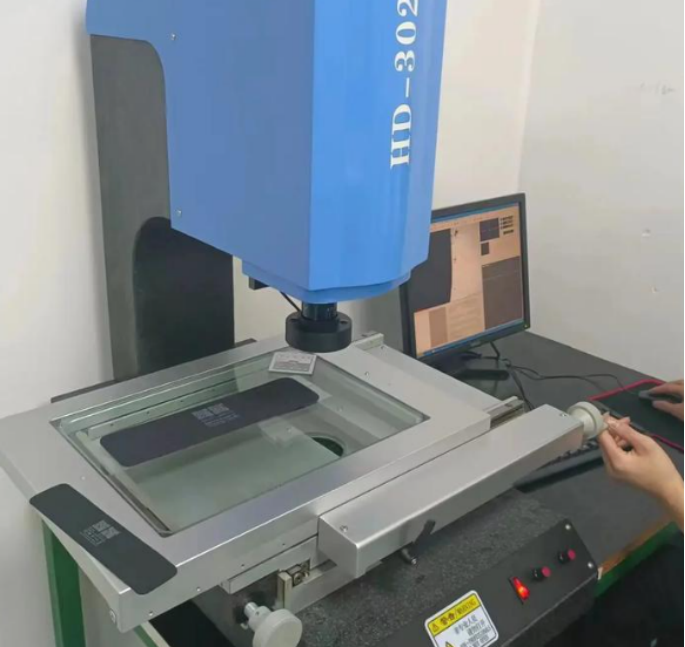
Service Page vs. Surface Finish Guide
Choose the destination that matches whether you are buying finished parts or researching a process.
Request a Production Quote
This page is the commercial destination for stainless steel passivation. Send part files, substrate, quantity, finish specification, masking, appearance, inspection, and packaging requirements.
Research the Process
For process principles, finish comparisons, and general design education, visit the Surface Finish Guides and read the passivation principles and stainless-steel design guidance. The Guide is informational and should retain its own self-referencing canonical.