
Electroplating Services
Specify and source electroplated custom parts for corrosion behavior, wear, conductivity, solderability, reflectivity, or decorative appearance. Every order is reviewed around the base material, plating metal, undercoat, thickness location, masking, geometry, post-treatment, and acceptance method.
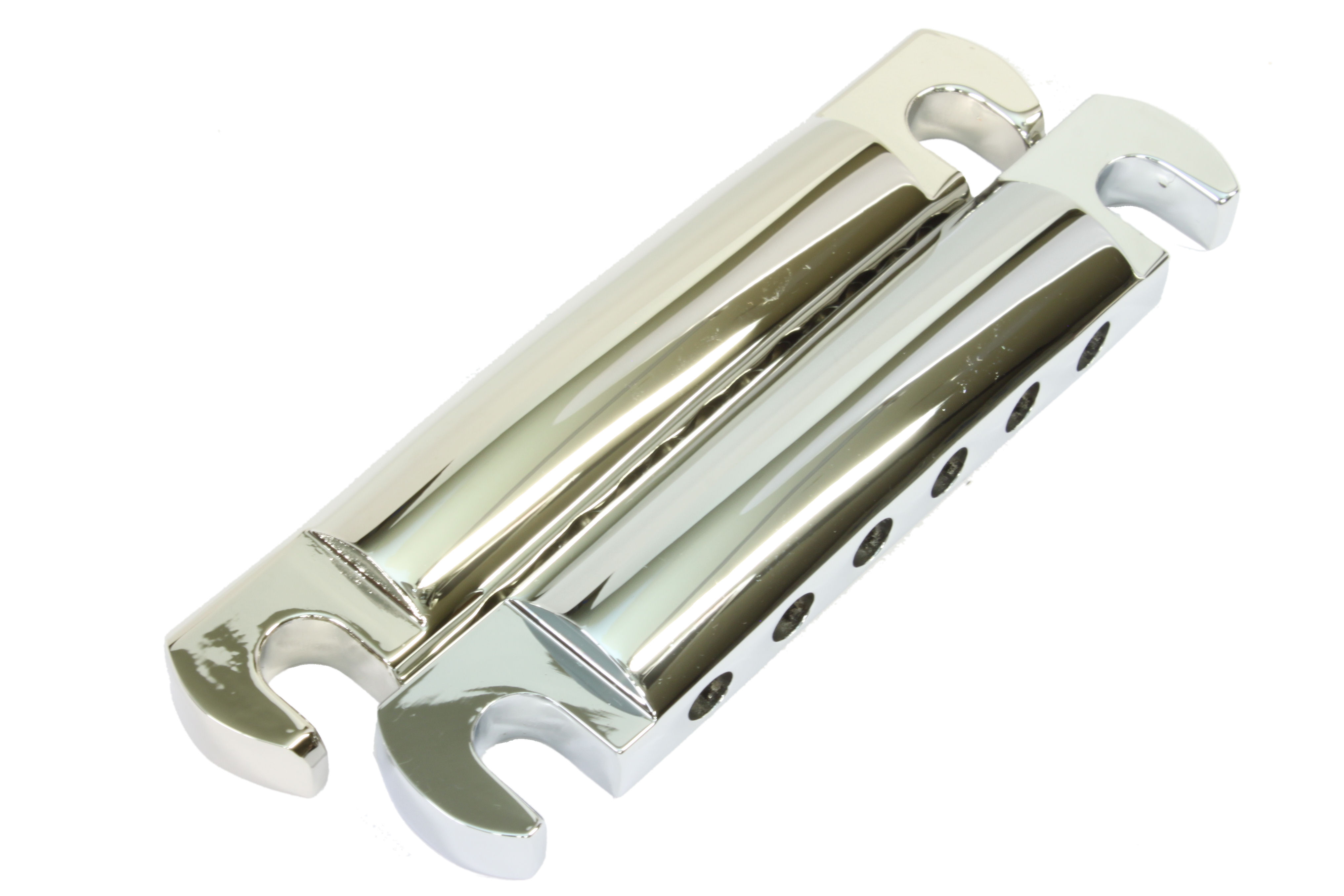





Electroplating Defined by the Coating System
Electroplating deposits a metal layer onto a conductive surface using an electrochemical process. The result is controlled not by the word plating alone, but by the substrate, preparation, strike or underplate, deposited metal, local thickness, post-treatment, geometry, rack contact, and required performance.
This commercial page covers project-specific electroplating orders. Future dedicated nickel, zinc, or chrome pages should target those exact chemistries and link back here without duplicating this general purchasing content. For general learning, use the Surface Finish Guides.
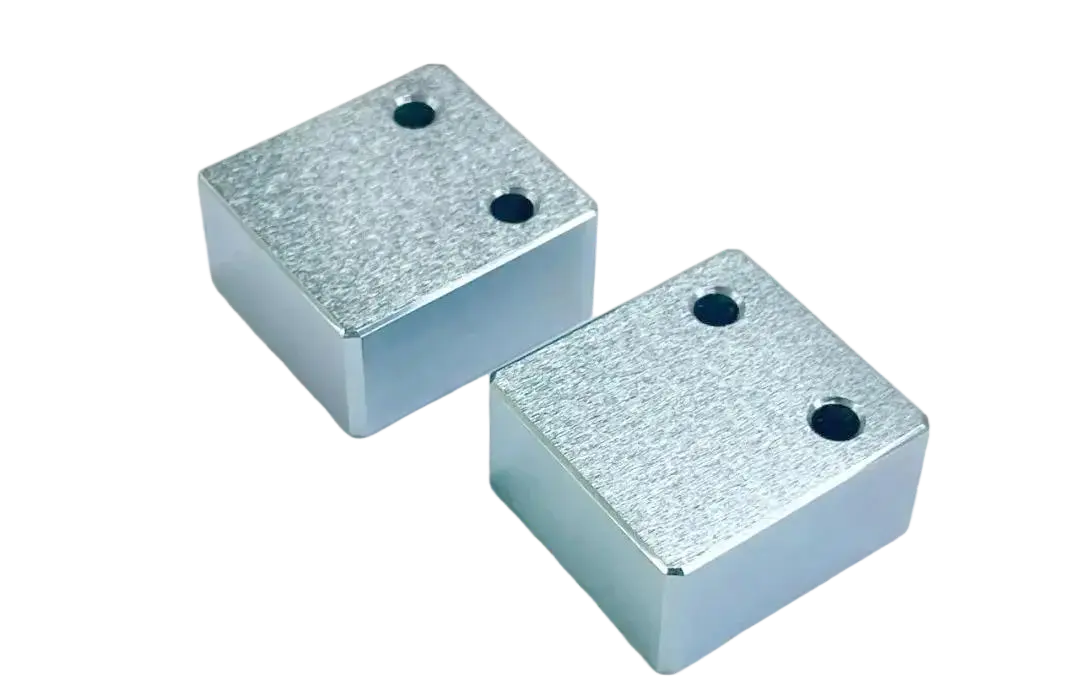
Electroplating Systems Reviewed by Requirement
The specified deposited metal and layer stack must match the part function and substrate.
Nickel Plating
Consider for wear, corrosion behavior, appearance, diffusion barriers, or an underlayer. State whether the need is electrolytic or electroless.
Zinc Plating
Commonly considered for sacrificial corrosion protection on compatible ferrous components with a specified passivate or post-treatment.
Chrome Plating
Decorative and engineering chrome are different systems. Define appearance, underlayers, wear surfaces, dimensions, and governing specification.
Project-Specific Plating
Copper, tin, precious-metal, or other requirements need exact chemistry, substrate, performance, compliance, and quantity review.
Electroplating RFQ Requirements
A controlled electroplating order identifies the entire layer system and where it must be present.
| Requirement | Specify | Purchasing Risk Controlled |
|---|---|---|
| Base material | Exact alloy, hardness, heat treatment, and prior coating | Adhesion, preparation, embrittlement risk, and chemistry compatibility |
| Layer system | Strike, underplate, top metal, post-treatment, applicable standard | Prevents an incomplete or functionally wrong finish callout |
| Thickness | Minimum, range, or local requirement with measurement location | Controls function, cost, and dimensional buildup |
| Selective plating | Masking, rack contact, threads, bores, grounds, and no-plate zones | Protects interfaces and appearance |
| Acceptance | Appearance, adhesion, performance tests, certificates, sampling | Creates a clear release standard |
Our Electroplating Workflow
Engineering review is especially important for complex geometry because current distribution affects edges, recesses, holes, and local buildup.
Review the Layer System
Confirm substrate, specification, coating stack, thickness, masking, contacts, quantity, and acceptance tests.
Clean and Activate
Prepare and activate the conductive surface using a route compatible with the alloy and required adhesion.
Plate and Post-Treat
Rack or fixture the parts, deposit the specified layers, and complete required rinsing or post-treatment.
Inspect and Protect
Verify agreed coating and dimensional requirements, then package parts to protect the plated surfaces.
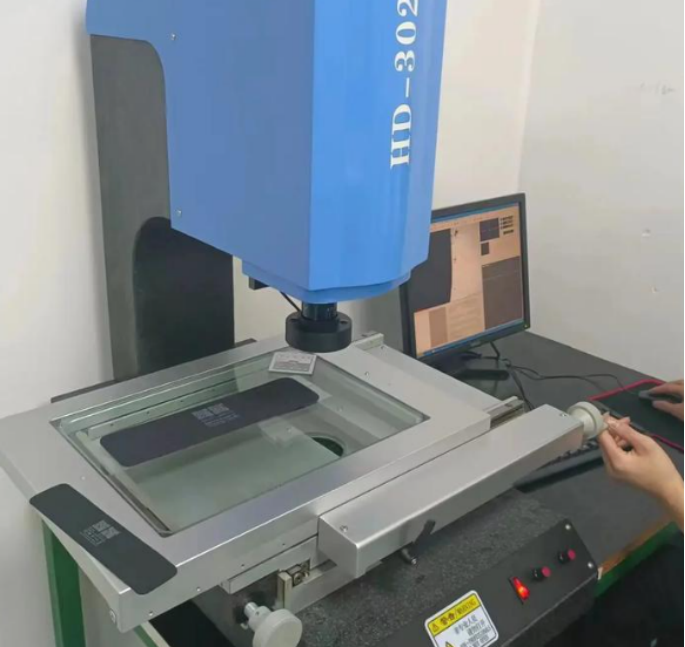
Inspection for Electroplated Parts
Possible acceptance controls include appearance, coating thickness at defined locations, adhesion, critical dimensions after plating, masking boundaries, corrosion or functional tests, and documentation. State the governing specification and required evidence; no universal test or certification is assumed.
Service Page vs. Surface Finish Guide
Choose the destination that matches whether you are buying finished parts or researching a process.
Request a Production Quote
This page is the commercial destination for custom electroplating. Send part files, substrate, quantity, finish specification, masking, appearance, inspection, and packaging requirements.
Research the Process
For process principles, finish comparisons, and general design education, visit the Surface Finish Guides and read the electroplating systems and design guidance. The Guide is informational and should retain its own self-referencing canonical.