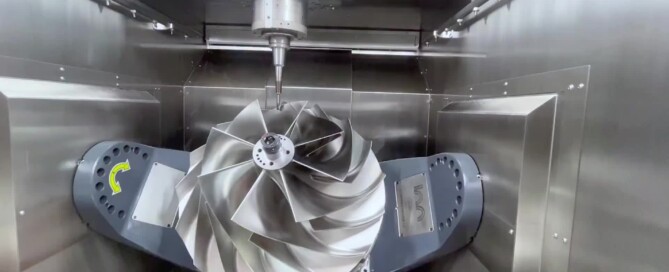
Precision CNC Machining, Rapid prototyping, and Custom parts

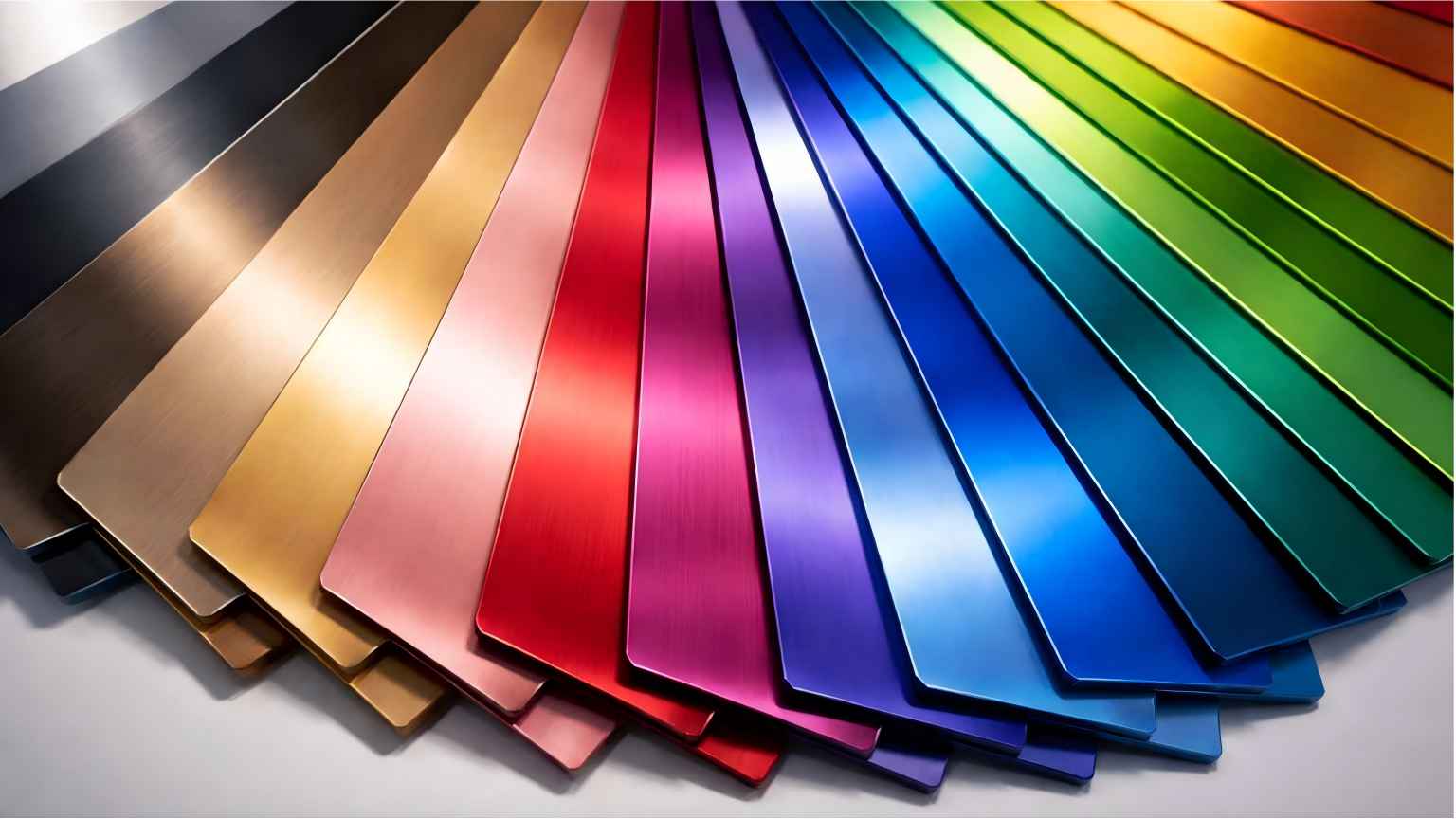
A Comprehensive Guide to Aluminum Anodizing: Everything You Need to Know

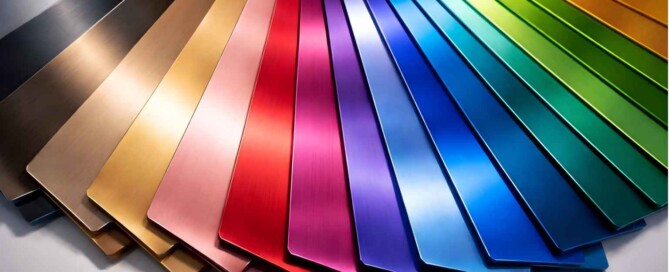
Aluminum is widely used in industries such as mechanical manufacturing, electronic products, and architectural structures due to its low density, moderate strength, and excellent machinability. However, untreated aluminum surfaces still have certain limitations in terms of wear resistance and corrosion resistance, making surface treatment processes particularly important in practical applications. Among the various surface treatment
By |2026-04-25T20:52:26+08:00December 16th, 2025|

Why Rapid Manufacturing Outperforms Conventional Manufacturing?

In modern manufacturing systems, companies no longer pursue merely large-scale production; instead, they seek faster iteration, more flexible process options, and more reliable development workflows. While traditional manufacturing methods still dominate high-volume production, rapid manufacturing and prototyping​ have become a key bridge for turning products from concept into finished goods. Rapid manufacturing primarily

By |2026-04-27T12:11:16+08:00December 12th, 2025|

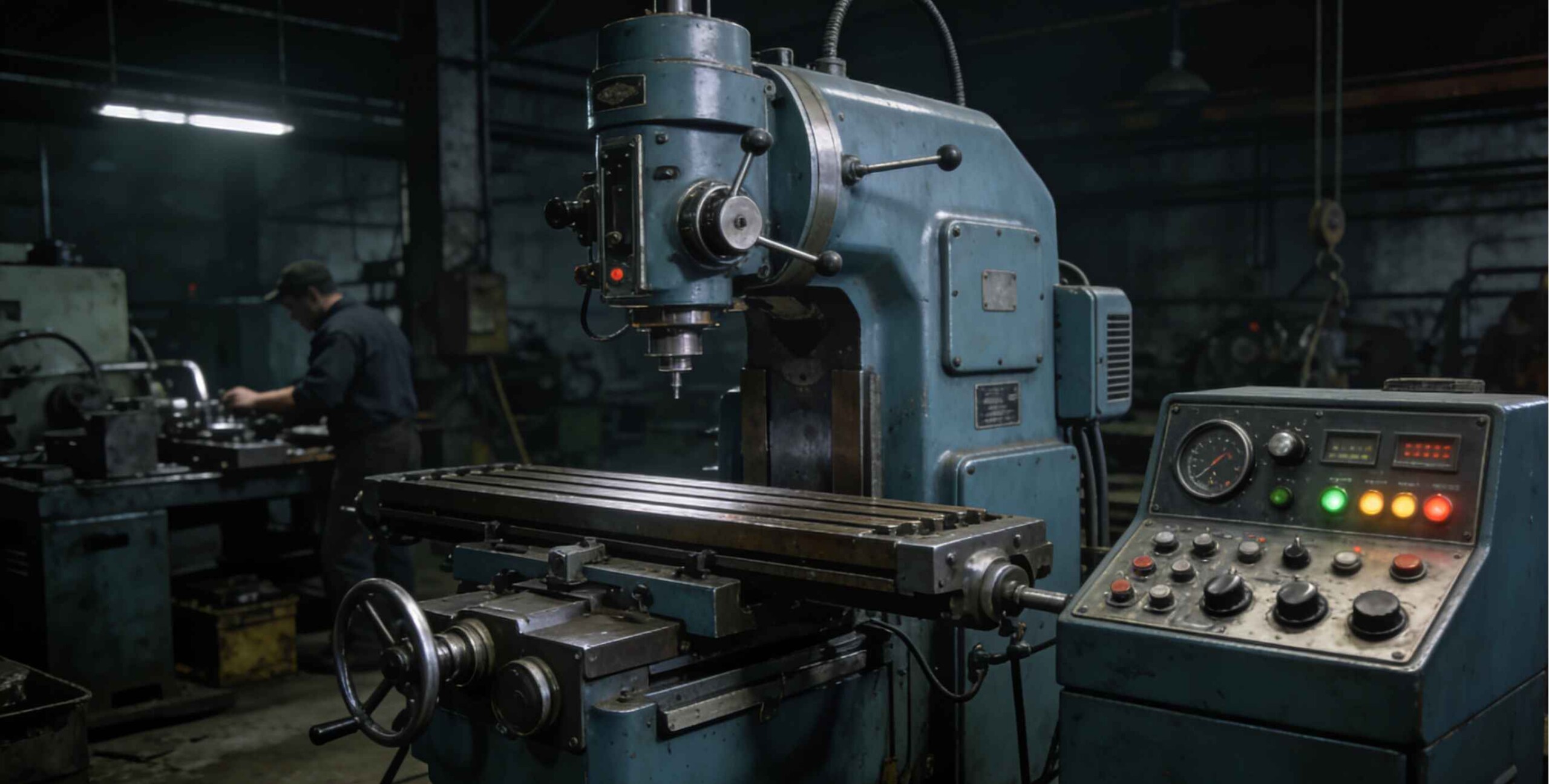
History of CNC Machining: The Origins and Development of Computer Numerical Control

Today, CNC machining is naturally associated with high precision and automated manufacturing. But if we turn back the clock to the era when machining was dominated by manual operations, the existence of modern CNC machines would be almost unimaginable: a workpiece clamped onto the table, a program initiated, and the tool following a preset

By |2026-04-27T12:11:04+08:00December 11th, 2025|

Sheet Metal Laser Cutting: Principles, Applications, Industry Standards, and CNC Machining Integration

In modern manufacturing, sheet metal laser cutting is no longer considered an “advanced technology” but a fundamental capability across multiple industries. From experimental equipment in the 1960s to today’s high-precision, high-power, and intelligent industrial systems, laser cutting has become an essential mainstream process in aerospace, consumer electronics, robotics, medical devices, and automotive manufacturing—thanks to

By |2026-04-25T20:53:12+08:00December 4th, 2025|

Why Surface Treatment Is Essential for Metal Manufacturing

Metal products are everywhere—from automotive components and electronic devices to everyday items like metal railings, hardware decorations, and colorful hairpins. You might not be familiar with the term “surface treatment,” but when you see someone painting a metal railing at home, you’re actually witnessing one of the most common forms of metal surface treatment.

By |2026-04-25T20:53:19+08:00December 3rd, 2025|

How to correctly select CNC machining materials?

There are many types of materials suitable for CNC machining, and choosing the right one often determines product performance, cost, and manufacturing efficiency. However, different materials vary significantly in mechanical strength, corrosion resistance, machinability, and appearance. An improper material choice can increase machining difficulty, affect quality, and raise production costs. This article explains how

By |2026-04-25T20:53:28+08:00November 26th, 2025|

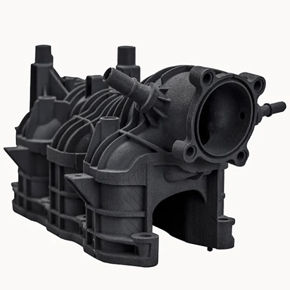
why choose 3D printing?

In recent years, 3D printing (Additive Manufacturing) has gradually moved from a niche maker community into the public eye: from product design and medical technology to classroom education and even home DIY, its presence can be seen everywhere. Not only are there multiple additive technologies, but a wide range of materials is also available.

By |2026-04-25T20:55:41+08:00November 19th, 2025|

Choose the appropriate surface finishing?

There are hundreds of surface treatment options for metal parts. Which one is most suitable for your product? Many factors affect surface treatment, such as material, usage environment, function, appearance, etc. In the following text, we will teach you how to choose the appropriate surface treatment according to different application scenarios. What is

By |2026-04-25T20:55:52+08:00November 18th, 2025|

Design Guidelines For CNC Milled Parts

Our CNC machines can efficiently complete the milling or turning of parts within 24 hours. Although advanced technology enables this high production capacity, human factors remain the key to success or failure. Based on practical experience, design-related oversights are often the core cause of issues during part processing. Avoiding the following common design errors

By |2026-04-25T20:56:41+08:00October 20th, 2025|

Design Considerations For Injection Molding

Injection molding, as an efficient and precise manufacturing process, holds a crucial position in modern industrial production. Whether it is automotive components, electronic housings, medical devices, or packaging products, injection molding enables the mass production of complex-shaped parts while ensuring dimensional accuracy and surface quality. As market demands for product performance and appearance continue

By |2026-04-25T20:56:54+08:00October 15th, 2025|
Go to Top