

Blackening stainless steel is possible, common on fasteners and instrument hardware, and frequently misunderstood. The alloy that makes stainless resistant to corrosion is also the reason it resists the blackening reaction, so the process needs an activation step and the result is not the same deep black that a carbon steel part produces. This guide covers how the process is adapted for stainless, what the colour actually looks like across alloys, what the finish does and does not do for corrosion, and when a different finish is the better answer.
Can stainless steel be blackened?
Yes, with an activation step before processing.
Stainless can be blackened, and the colour develops reliably once the surface has been activated, though the result is usually a softer black than on carbon steel.
The reason for the extra step is the alloy’s own surface. Chromium forms a stable passive layer that resists the chemistry used for blackening, so a stainless part placed directly into a bath comes out pale, patchy or unchanged. Activation removes or modifies that layer so the blackening reaction can proceed, and the sequence is a recognised industrial process rather than an improvisation. The coating framework that defines it is published by ASTM committee B08.
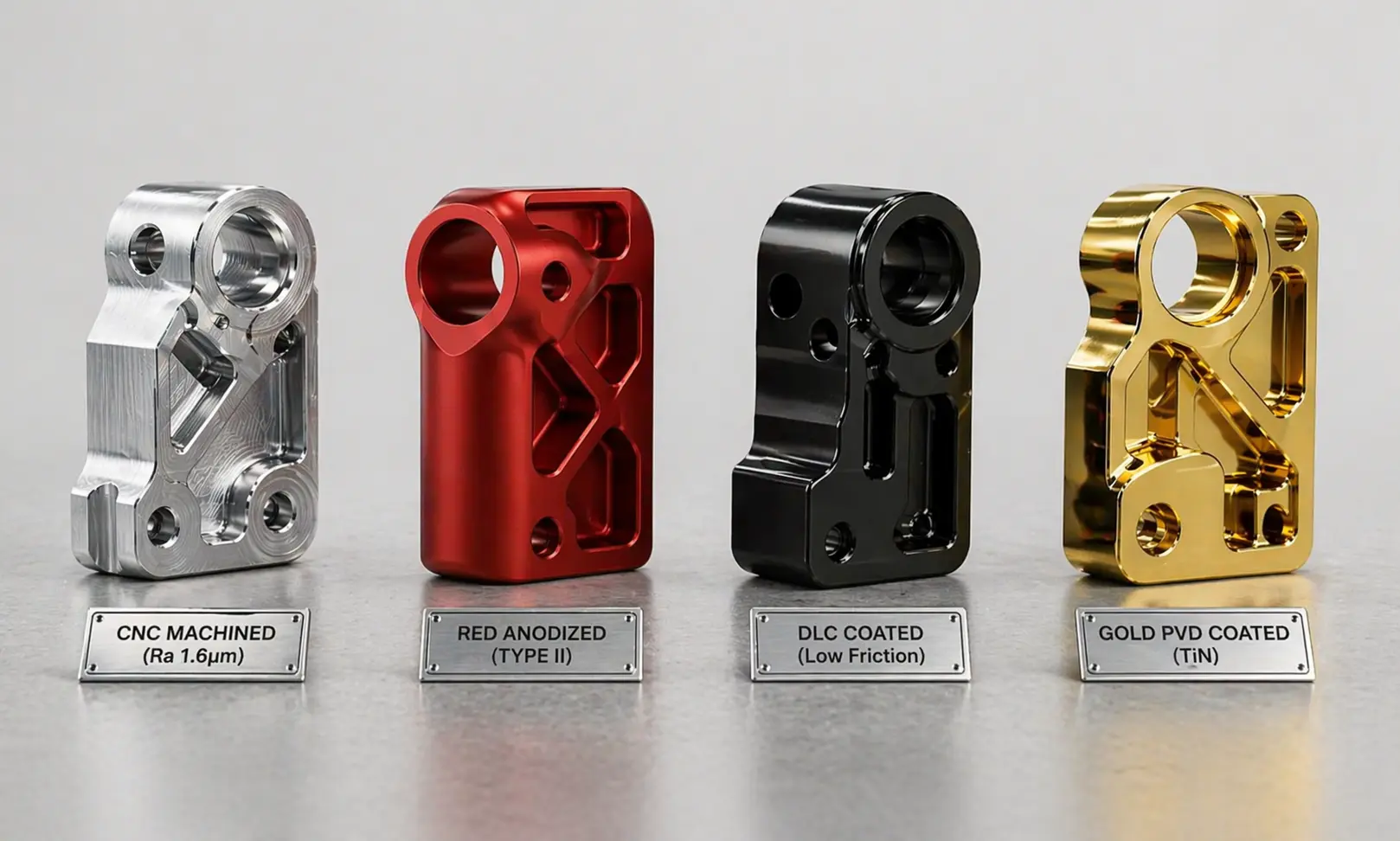
What results is a black conversion layer on a stainless substrate. It is thinner and often darker-brown rather than jet black compared with the finish on carbon steel, and its appearance varies more between alloys. Parts can be produced to a consistent standard within one alloy, but a batch of 303 fasteners will not match a batch of 316 components, and expecting them to is the most common source of disappointment.
The dimensional effect is negligible, as with any conversion coating, which is why the process is used on fasteners and small hardware where coating thickness would interfere with thread engagement. The fixtures and parts that must remain functional are the reason black oxide is chosen over a coating in the first place.
Why does stainless need activation?
Because its passive layer blocks the reaction.
The chromium oxide layer that gives stainless its corrosion resistance also prevents the blackening chemistry from reaching the iron in the alloy.
Activation is therefore a preparation step that makes the surface receptive. Depending on the process, it may be an acid treatment that removes the passive layer, a mechanical preparation that exposes fresh alloy, or a chemistry that conditions the surface so the blackening bath can react. The specific approach depends on the alloy, which is why a supplier working across grades will have more than one route available.
The activation step also explains why a part must be clean before it is processed. Oil, machining residue, polishing compound and handling contamination all interfere with the activation and produce uneven colour, in the same way they interfere with any finishing process. A polished stainless part that has been handled without gloves will show the fingerprints after blackening, because the affected areas respond differently.
The process therefore runs: clean, activate, blacken, rinse and post-treat. The post-treatment matters as much here as it does on carbon steel, since the black layer is thin and relies on a subsequent oil, wax or sealer to provide barrier protection. The coating and test framework for these processes is published by ASTM committee B08.
How does colour vary across alloys?
More than most buyers expect.
Different stainless grades respond differently to the blackening chemistry, so the shade varies between 303, 304, 316 and the martensitic grades.
The variation comes from alloy composition. Free-machining grades such as 303 contain sulfur, which improves machinability but creates a heterogeneous surface that may blacken less uniformly in colour. The 300-series grades generally produce a consistent dark tone, with 316 behaving slightly differently from 304 because of its molybdenum content. The martensitic grades, including 416, blacken more readily because they contain less chromium, and often produce a deeper colour than the austenitic grades.
The practical consequence is that a program using more than one alloy in the same product should either accept that the parts will not match exactly, or specify a different finish for the group. Mixing 303 and 316 fasteners on the same assembly, both blackened, produces a visible difference in tone that cannot be resolved by adjusting the process.
Within a single alloy, consistency is achievable and is controlled by the process. That is why the specification should name the alloy and an appearance reference rather than describing the colour in words: the reference part is what allows a supplier to demonstrate that the batch matches what was approved. The materials context behind those differences is documented by ASM International.
What does blackening do for corrosion performance?
It changes it, and not always for the better.
The black layer replaces the passive surface, so the part’s own corrosion resistance is altered and the finish depends on the post-treatment for protection.
This is the point most often misunderstood. Stainless steel resists corrosion because of the passive layer that the blackening process has deliberately modified. The resulting surface is not the same material with a cosmetic tint on top; it is a different surface condition, and its corrosion behaviour is correspondingly different from unblackened stainless.
What that means in service depends on the environment. For an indoor assembly in a dry environment, a blackened stainless part with an appropriate post-treatment performs well. For a part exposed to moisture, chlorides or a marine atmosphere, blackened stainless is generally not the right choice, and neither the coating nor the post-treatment will deliver the corrosion resistance of the unblackened alloy.
The practical response is to state the service environment in the request. A supplier who knows the parts will be used indoors will apply a different post-treatment from one who expects them to see humidity, and the answer may be that a different finish is more suitable. Where corrosion resistance is the primary requirement, the alternative finishes are worth discussing before the process is chosen.
| Factor | Behaviour | Implication |
|---|---|---|
| Activation step | Required before blackening | Adds a process stage and a cost item |
| Colour depth | Usually softer than on carbon steel | Set expectations with a reference part |
| Variation between alloys | Visible between 303, 304, 316 and 416 | Do not expect a match across grades |
| Dimensional effect | Negligible | Suitable for threads and close fits |
| Corrosion performance | Depends on the post-treatment and the environment | State the service conditions in the request |
| Handling sensitivity | Fingerprints and marks show before processing | Control handling and packing |
How are fasteners and small parts handled?
In bulk, with the handling consequences that brings.
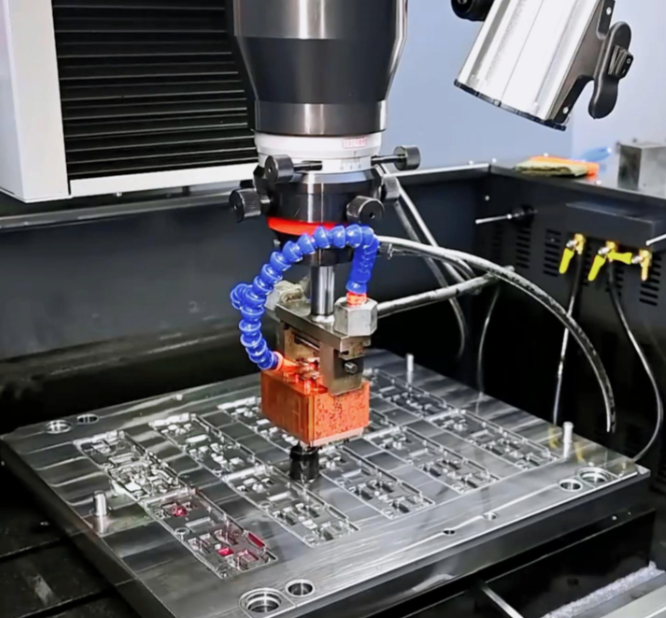
Small parts are usually processed in baskets or barrels, which is efficient but limits how carefully each piece can be held and inspected.
Barrel processing tumbles many parts together, which gives even exposure to the chemistry and is the economical route for fasteners, washers and small hardware. The consequence is contact between parts, which can leave light marks on the finished surface, and a small number of parts in each batch that do not meet the appearance standard.
Where appearance matters on small parts, they can be racked individually, which costs more but allows each part to be positioned and inspected. For a program where the parts are visible in the finished product, that additional cost is worth considering; for parts that will be concealed inside an assembly, it is not.
Thread engagement deserves a specific check. Because blackening does not add measurable thickness, a blackened thread should accept its fastener without the clearance issues that a coating would create. That is one of the practical advantages of the process on hardware, and it is worth confirming on a first article by running the intended fastener rather than a gauge alone.
When is a different finish a better fit?
When the requirement is corrosion, wear or a true black.
Where the part must resist a corrosive environment, need a wear surface or present a deep uniform black, another finish usually serves the requirement better.
For corrosion resistance on stainless, leaving the part unblackened and passivated is usually the strongest option, since the passive layer remains intact. Where a black appearance is essential and corrosion resistance matters, a coating such as a black powder coat or a specialised black coating provides a thicker barrier at the cost of dimensional change and of the metallic conversion appearance.
For wear, a plated or anodized surface is more appropriate. Hard chrome and electroless nickel both provide a hard surface that black oxide cannot, and anodizing is available for aluminium parts. The comparison between black oxide and phosphate coating, which is another conversion treatment used for similar purposes, is covered in the existing 6CProto article on black oxide and phosphate coating for steel parts.
Where the requirement is simply a black appearance on stainless with no corrosion or wear demand, blackening is a good fit: it is inexpensive, it does not change dimensions, and it produces a finish that looks appropriate on instrument and fastener hardware. Matching the finish to the requirement, rather than to the colour, is what keeps the specification sound. Where a plated or coated alternative is chosen, the process waste it generates is handled under the framework published by the US Environmental Protection Agency.
Specifying blackened stainless
The specification should name the alloy, the activation requirement, the post-treatment and an appearance reference. Those four items resolve the colour variation question and the corrosion question at the same time, because a reference part settles what the finish should look like and the post-treatment settles what it will resist.
Two habits make it work in practice. Say what environment the part will see, since that determines whether blackening is appropriate at all. And expect the colour to be softer than on carbon steel, because the process is different and the result reflects that. The stainless grades available for machined and blackened parts are listed on the stainless steel material page, the finishing routes in the surface finish guides, and the quality practices behind the process control by NIST MEP.
FAQ
Will black oxide work on stainless steel?
It works with an activation step that prepares the passive surface for the blackening chemistry. Without that step the result is pale or patchy. The colour achieved is usually softer than on carbon steel, and it varies between alloys, so the specification should name the grade and include an approved reference part rather than describing the shade in words.
What are the downsides of black oxide on stainless?
The main one is that it changes the corrosion behaviour of the surface. The passive layer is modified during processing, so a blackened stainless part depends on its post-treatment for protection and is generally not suitable for humid, chloride or marine exposure. Colour variation between alloys is the second consideration, and handling marks before processing show through as uneven areas in the finished part.
Which stainless grades blacken best?
The grades with lower chromium content, such as the martensitic 400-series materials, respond most readily and often produce the deepest colour. The austenitic 300-series grades blacken reliably with appropriate activation, and 303 can show slight unevenness because of its sulfur content. Because the results differ, parts made from different grades and blackened to the same specification will not match each other exactly.
Is black oxide hazardous?
The hot process uses a strongly alkaline bath at elevated temperature, which requires proper controls for handling and for the waste stream, and cold processes may use chemistries that carry their own hazards. Those are the supplier’s responsibilities, managed through process documentation, protective equipment and regulated waste treatment. From the buyer’s perspective, the practical implication is that the finish carries an environmental cost which appears in the price rather than being optional. The test methods referenced in this article are published by ASTM D3359.
If stainless parts need a black finish, send the model with the alloy and the environment the parts will see. 6CProto reviews the part together with the finishing route and returns a DFM report with the quote, so the process and its limitations are clear before the batch runs. Upload the file at the 6CProto quote page or send it to projects@6cproto.com.