

A shipment of steel fasteners arrives with a matte black finish and a note on the certificate: “black oxide, oiled.” Three months later, in a humid warehouse, the same fasteners show rust bloom, and the buyer blames the coater. The coating did what conversion coatings do: it converted the surface, held oil, and offered almost no barrier protection once the oil film was disturbed. Black oxide and phosphate are both conversion coatings — thin chemical layers that change the surface rather than building a protective film — and choosing between them is really choosing how the part will be oiled, painted, or run dry after coating.
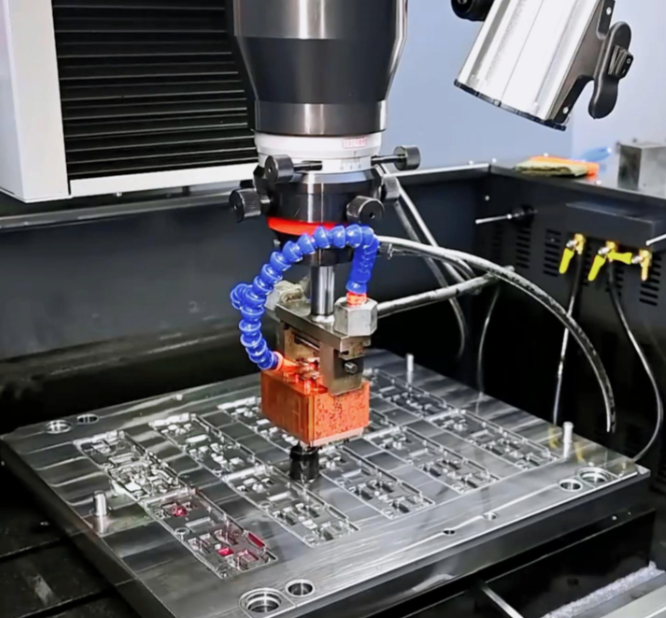
Conversion coatings protect through oil and paint, not as barriers
Neither black oxide nor phosphate is a barrier like paint or plating. Black oxide converts the steel surface into a black iron oxide layer that holds oil well; its corrosion protection comes mostly from the oil or wax applied afterward. Phosphate converts the surface into a crystalline phosphate layer that provides a base for paint or oil and gives some scuff resistance on its own. The useful question is not which finish “stops rust” in a vacuum; it is which finish works with the post-treatment and service condition of the actual part.
Both finishes are thin, so they preserve dimensions better than plating. That is why they appear on threaded parts, gages, and close-tolerance components that cannot absorb a plating thickness — but it also means the corrosion performance depends on the environment and the post-treatment, not on the coating alone.
Black oxide wins on appearance and dimensional neutrality
Choose black oxide for a matte black appearance, dimensional neutrality, and low cost on steel parts that will be oiled or waxed. The coating adds almost nothing to the part size, which suits threads and press-fit surfaces. With oil, black-oxide parts pass modest humidity and salt-spray expectations; without oil, protection is minimal. If the part is decorative, needs to look black, and must stay dimensionally accurate, black oxide is often the right answer.
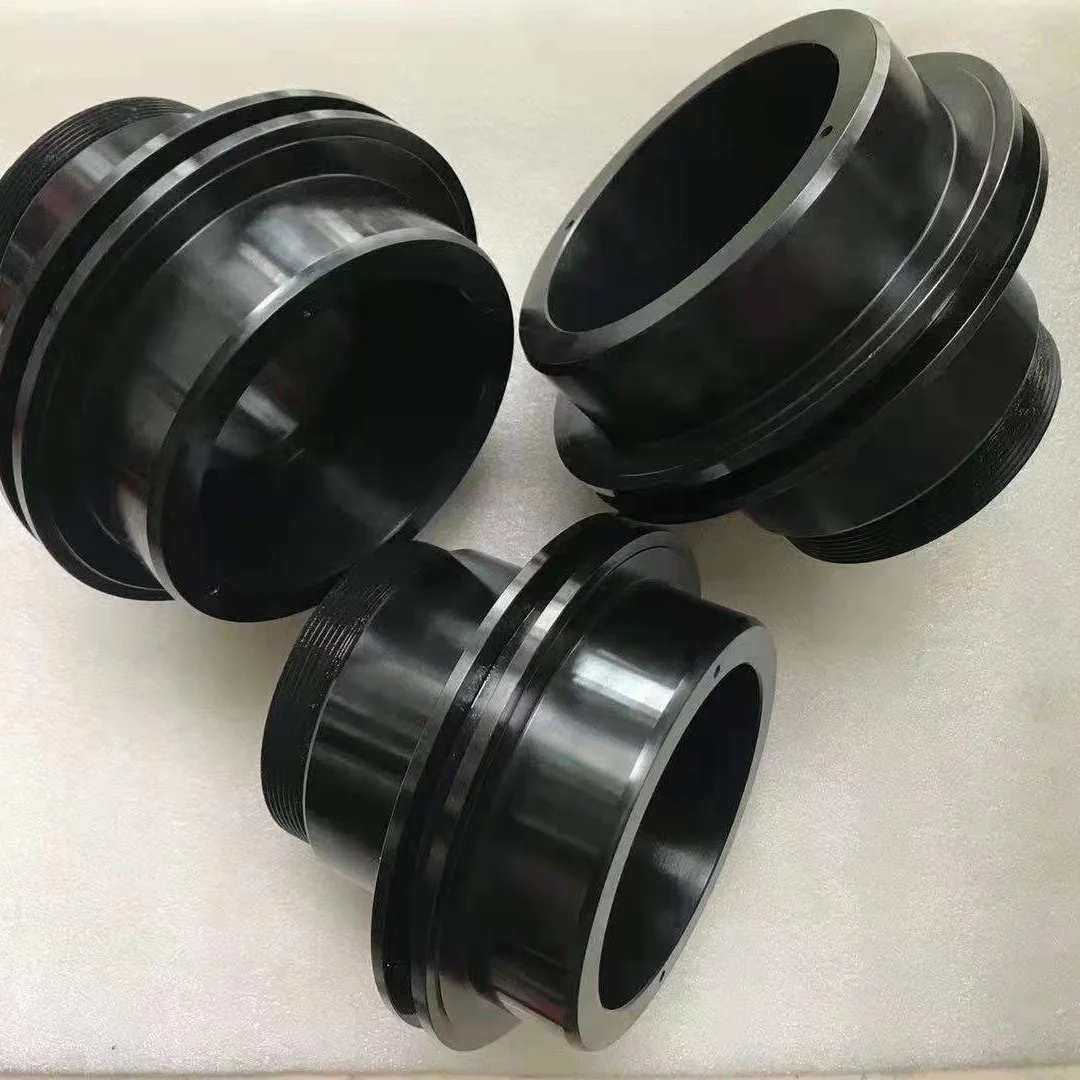
Black oxide also changes the surface friction slightly and can improve the seating of parts that need a dry-lubricant look, but it should not be specified as a corrosion barrier. If the part must survive outdoor exposure or wet service, pair black oxide with a rust-preventive oil rated for the condition, or choose a different finish class.
Phosphate varieties serve paint, friction, and corrosion roles
Choose phosphate when the part will be painted, needs a heavier oil-retaining base, or requires the wear-in behavior of manganese phosphate. Zinc phosphate is a standard paint base and provides corrosion resistance under paint or oil; manganese phosphate retains oil well and supports break-in on gears and sliding parts; iron phosphate is thinner and mostly a prep for painting. Each variety suits a different role, and “phosphate” alone is not a complete specification.
Phosphate also changes friction, which can help or hurt assembly: a phosphate-coated fastener may seat with a different torque than a bare one, and a manganese-phosphate gear may run in faster. If the part is assembled with a torque spec or runs against another surface, confirm the coating’s friction effect during validation rather than after field complaints.
Fasteners and moving parts favor different coating routes
On fasteners, black oxide with oil is common for indoor hardware and general assembly, while zinc phosphate with oil is used where a heavier, more corrosion-resistant base is needed and where paint may follow. On moving parts, manganese phosphate is the classic choice because its oil-retaining structure supports break-in and reduces galling. The coating thickness matters on threads: phosphate builds more than black oxide, so thread classes and allowances need checking before treatment, and the parts may need post-coating chasing to restore the fit.
| Application | Black oxide | Phosphate |
|---|---|---|
| Decorative matte black, close tolerance | Preferred — minimal dimensional change | Possible, but darker finish and more buildup |
| Paint base | Not a standard paint base | Zinc or iron phosphate preferred |
| Wear-in and oil retention | Limited | Manganese phosphate preferred |
| Corrosion with oil | Modest, oil-dependent | Heavier base, oil or paint needed |
The table answers the first specification question: what happens to the part after coating? If the answer is “oiled and stored indoors,” black oxide may be enough; if it is “painted,” “run against another surface,” or “stored wet,” phosphate earns its extra step.
The specification turns coating choice into a measurable result
Write the coating type, the post-treatment (oil, wax, or sealer), and the acceptance test together. Corrosion expectations should be stated as a salt-spray hour target or a humidity test condition, not as a vague promise, because hours in salt spray depend on the oil, the geometry, and the standard. If the part is a hardened fastener subject to hydrogen embrittlement risk, state the baking requirement and the applicable spec before processing, because the process choice must consider it.
Also state which surfaces are coated: threads may need to be excluded or chased afterward, and press-fit diameters must stay within tolerance. The black oxide coating service page lists the process options, and the finishing team can confirm the oil and test method that fit your environment before the drawing is released.
The process sequence matters as much as the coating name. Before either conversion coating, the part must be cleaned and derusted; residual oil, scale, or bluing from heat treatment blocks the conversion reaction and leaves patchy, non-adherent finishes. Black oxide is typically followed by a hot oil or wax dip, and the oil choice is part of the specification — a light rust-preventive oil for indoor parts behaves differently from a heavy, waxy film for long-term storage. Phosphate baths are followed by a rinse and, where required, a passivating rinse or sealer before oil or paint. If the part is hardened steel, the process order must also account for hydrogen embrittlement relief: baking is scheduled after plating-type processes that introduce hydrogen, and the sequence should be confirmed with the finisher before the drawing is released. Racking and masking leave their own marks: contact points where parts hang in the bath may show light or uncoated areas, and the drawing should state which surfaces are functional and which may carry rack marks. Confirm the masking plan with the finisher, because a small rack mark on a cosmetic face can reject a batch.
Salt-spray expectations are where conversion coatings create the most confusion, because the test result depends on variables outside the coating: the oil film, the part geometry, the cleaning history, and the test method itself. A black-oxide part with a heavy wax film can outperform a phosphate part with a light oil on the same test, and neither result predicts the other’s field behavior. Write the acceptance as a specific test condition — standard, hours, and post-test assessment — and confirm the oil type with the finisher, because “oiled” covers everything from a thin rust preventive to a waxy film that changes assembly and handling. Crevices and threaded areas fail first in salt spray, so a fastener with threads will not match a flat coupon result; test representative parts rather than coupons when threads or crevices dominate the corrosion risk. Also remember that salt spray is an accelerated comparative test, not a field-life prediction; use it to compare processes and batches, and validate the actual environment separately if the part faces real salt exposure.
Frequently asked questions
Can black oxide parts be painted?
Black oxide is not a standard paint base; the surface is too smooth and passive for good paint adhesion. If the part must be painted, use zinc or iron phosphate as the base coat instead. Painting over black oxide usually fails adhesion testing and is not a recommended shortcut.
How long will a black oxide finish last in salt spray?
The result depends on the oil, the part geometry, the test standard, and the pre-treatment, so there is no single number. With a good rust-preventive oil, black oxide parts commonly meet modest salt-spray targets in industry test methods; without oil, they fail quickly. State the required hours and the test standard in the spec, and confirm the oil with the coater.
Does phosphate affect the dimensions of threaded parts?
Phosphate builds more than black oxide, so external threads can grow and internal threads can close in. Plan the allowance before coating, mask threads that must stay clean, or chase threads after coating. Confirm the coating thickness range with the finisher and measure the fit with the actual mating part.
Conclusion
Black oxide and phosphate are conversion coatings whose protection depends on the post-treatment and the service condition. Black oxide wins on appearance and dimensional neutrality for oiled indoor parts; phosphate wins on paint adhesion, heavier corrosion bases, and wear-in behavior on moving parts. Specify the coating, the oil or paint step, and the test together, and the finish will behave predictably instead of surprising you in the warehouse.
If you are choosing a finish for steel fasteners, tooling, or moving parts, send the part, the environment, and the post-treatment plan to the 6CProto surface finishing team. The coating recommendation should follow how the part is used, not how it looks in the sample box.