
← Manufacturing Materials Guides
Engineering decisions, organised
CNC Machining Materials
Compare metals and engineering plastics for cutting, stability, wear, corrosion resistance and critical fit.
Updated October 11, 2026 · 31 material resources
Start from the service condition, not the grade
A material list is not a selection method. The grade follows from what the part has to survive: the load and its direction, the operating temperature, moisture or chemical exposure, contact with other metals, electrical or thermal conductivity, and any food, medical or cleanroom requirement. Two parts in the same assembly often justify different grades for exactly that reason.
Written as a sentence, the requirement is easy to check. A bracket that carries a static load indoors and needs to be anodised is a 6061 part. The same bracket carrying the load through a fatigue cycle, or machined thin, may justify 7075 and a different finish. A housing that only has to look right is ABS; the same housing dropped on a corner in service is polycarbonate, and a bushing that runs dry is brass or POM rather than steel.
Where the grade changes the quote
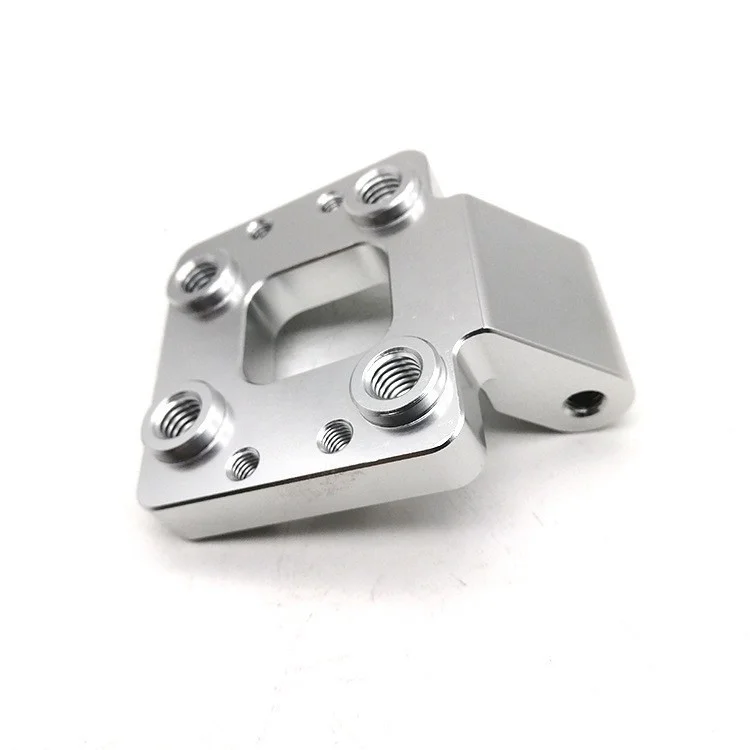
Machinability moves the price more than the stock cost does. Aluminium 6061 cuts at high speed with long tool life; 304 stainless work-hardens under the cutter and needs lower feeds; titanium and Inconel conduct heat poorly, so the edge runs hot and the tool wears. The same pocket that takes minutes in aluminium can take an hour in titanium, and the drawing does not show that.
Finishing compatibility is the second cost. Anodising applies to aluminium, and 7075 takes a darker, less uniform colour than 6061 because of its alloying elements. Stainless steels are passivated rather than coated; steels need plating or paint; plastics may need nothing at all. Specifying a finish the grade cannot take is a common way to add a week to a schedule.
Availability is the quiet third. A grade held in rod and plate in the sizes the part needs ships faster than one that has to be mill-run, and that difference is often worth more than the price per kilogram.
Plastics are a separate decision
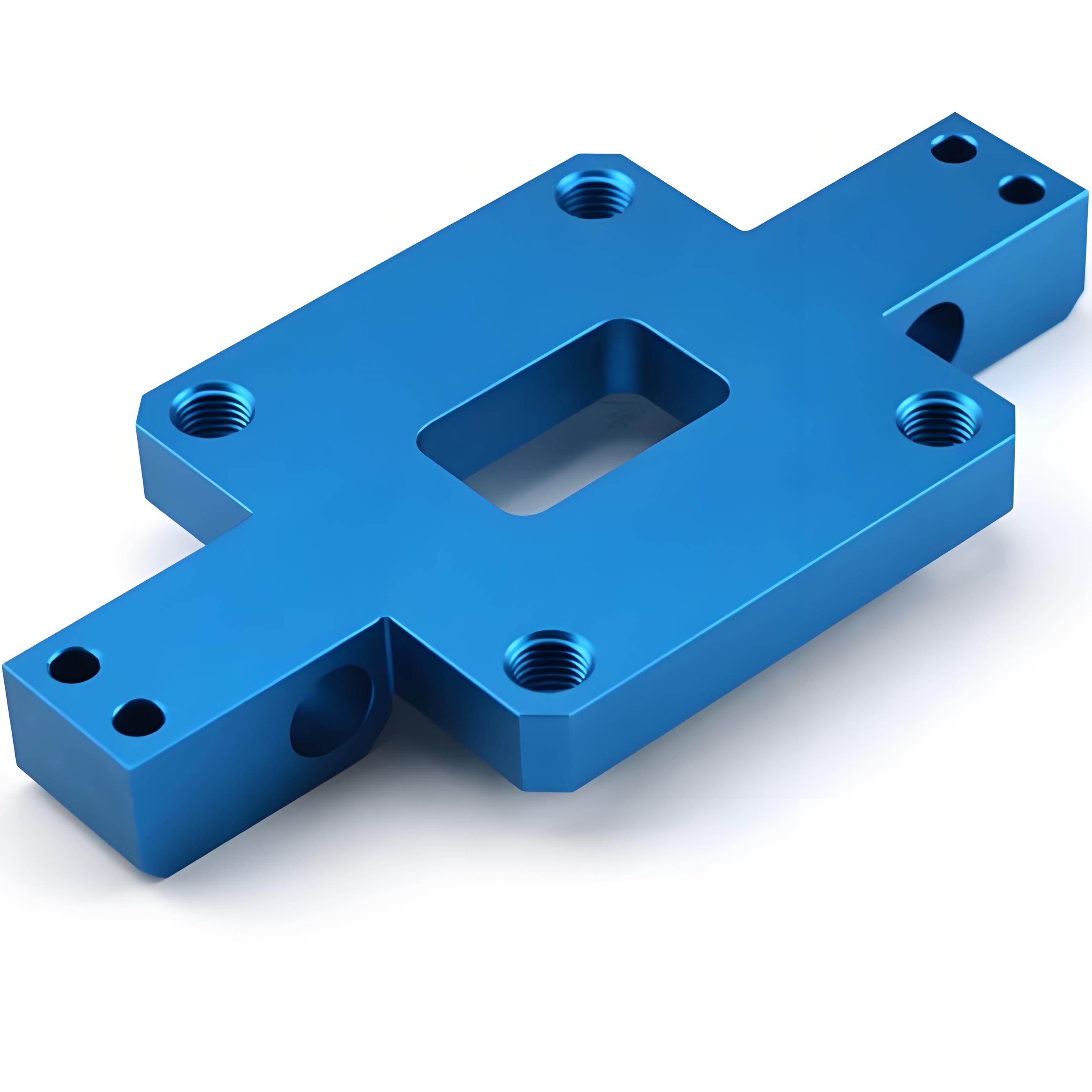
Engineering plastics do not follow metal logic. They absorb moisture (PA and POM move measurably), creep under sustained load, stress-crack around machined edges and solvent contact (PC is the usual casualty), and lose stiffness quickly as temperature rises. Machining them needs sharp, polished tooling, low clamping force and a fixture that does not crush the part.
The practical method is the same: state the condition, shortlist two grades, and test the cheaper one. A material that passes the test at half the price is a better answer than the most capable grade on the list.
Find the guide for your next decision
Follow the guide that matches the feature, failure mode or project decision you are working on.
AL6061
The default machined aluminium: 6061-T6 cuts cleanly, welds, and anodises to a consistent finish.
PA (Nylon)
Tough, low-friction plastic for wear parts; it absorbs moisture, so dimensions move unless dried and annealed.
AL7075
High-strength aluminium for stressed parts; harder to weld, and thin sections anodise darker than 6061.
Brass
Free-machining and conductive; the usual choice for fittings, terminals and decorative hardware.
Copper
The best electrical and thermal conductivity of the common metals, but gummy to cut and quick to work-harden.
Stainless Steel 316
Marine-grade corrosion resistance from its molybdenum content; tougher and slower to machine than 304.
Copper C101
Oxygen-free electrolytic copper for busbars and RF parts, where conductivity outranks machinability.
Brass C260
Cartridge brass: ductile, easy to turn and form, common in connectors and small hardware.
Low Carbon Steel
Cheap, weldable and magnetic; needs plating or paint because it rusts in almost any environment.
Stainless Steel 304
General-purpose stainless with good corrosion resistance and weldability at lower cost than 316.
Stainless Steel 316
Chloride-bearing service – washdown, marine, medical – is where 316 earns its cost over 304.
Steel Alloy 4140
Chromoly for shafts and stressed parts; machines well annealed and hardens after heat treatment.
Stainless Steel(17-4 PH)
Precipitation-hardening stainless that reaches high strength after ageing; medical and aerospace hardware.
Titanium
High strength-to-weight and biologically inert, but slow to cut and poor at carrying heat away from the edge.
PMMA (Acrylic)
Optically clear plastic for light guides and windows; brittle, and it crazes on contact with solvents.
ABS
Cheap, tough and easy to machine, with limited chemical and UV resistance compared with engineering grades.
PEEK
High-temperature, chemically resistant engineering plastic; expensive, abrasive to tooling and needs drying.
Nylon
Wear-resistant and impact tolerant, with the same moisture sensitivity as PA; available in rod and plate.
PMMA (Acrylic)
Cast acrylic machines cleaner than extruded sheet and takes a polish, which matters for light guides.
PC
Polycarbonate is transparent and very tough, but stress-cracks around machined edges and solvent contact.
PVC
Rigid, chemically resistant and cheap; not for high temperature, and not food safe in most grades.
PET
Dimensionally stable and machinable, with better chemical resistance than acrylic at similar clarity.
PP
Light, chemically inert and fatigue resistant; soft enough that holding and finishing it cleanly is the challenge.
HDPE
Cheap, food safe and chemical resistant; low stiffness and a waxy surface that resists adhesives.
LDPE
Softer and more flexible than HDPE, used for seals and low-load parts rather than structural ones.
PEI
Amber, high-temperature plastic with good electrical insulation; needs drying and sharp, well-cooled tooling.
HIPS
Cheap and easy to machine and paint; used for models and housings rather than load-bearing parts.
PC+GF
Glass-filled polycarbonate: stiffer and more stable, at the cost of tool wear and impact strength.
CPVC
Chlorinated PVC for hot water and chemical service; machines like PVC and holds properties at higher temperature.
PC+ABS
A blend that machines more easily than PC alone and takes impact better than ABS; common in enclosures.
Before you release the project
- Define the function, environment and the question this batch must answer.
- Specify material grade, geometry, quantity, finish and the dimensions that control fit.
- Agree the inspection method and the evidence required to accept the parts.
- Record the drawing revision and approval before production begins.
Common planning questions
Can I choose a material by name alone?
Specify the grade, condition, process and required properties. A shared polymer or alloy family name does not establish identical performance.
Which material records should I request?
Request the records relevant to the project, such as grade identification, material certificates, property data or compliance declarations, and confirm how each relates to the supplied parts.
Move from guidance to a reviewed project
Send the CAD model and drawing with material, quantity, finish and inspection requirements. Use the relevant service page to review the available manufacturing route.