
CNC machining materials · 6CProto
Brass CNC Machining Services
Custom brass prototypes and production parts, from turned fittings and threaded connectors to milled housings and cosmetic hardware.
6CProto machines brass to your CAD model and drawing, then coordinates deburring, polishing, plating, and inspection where the part requires them. Our engineers review alloy, lead restrictions, stock form, critical dimensions, and finish before confirming the quote.
Send a STEP file and 2D drawing when available. You can also state your application, quantity, finish, and inspection requirements in the RFQ.
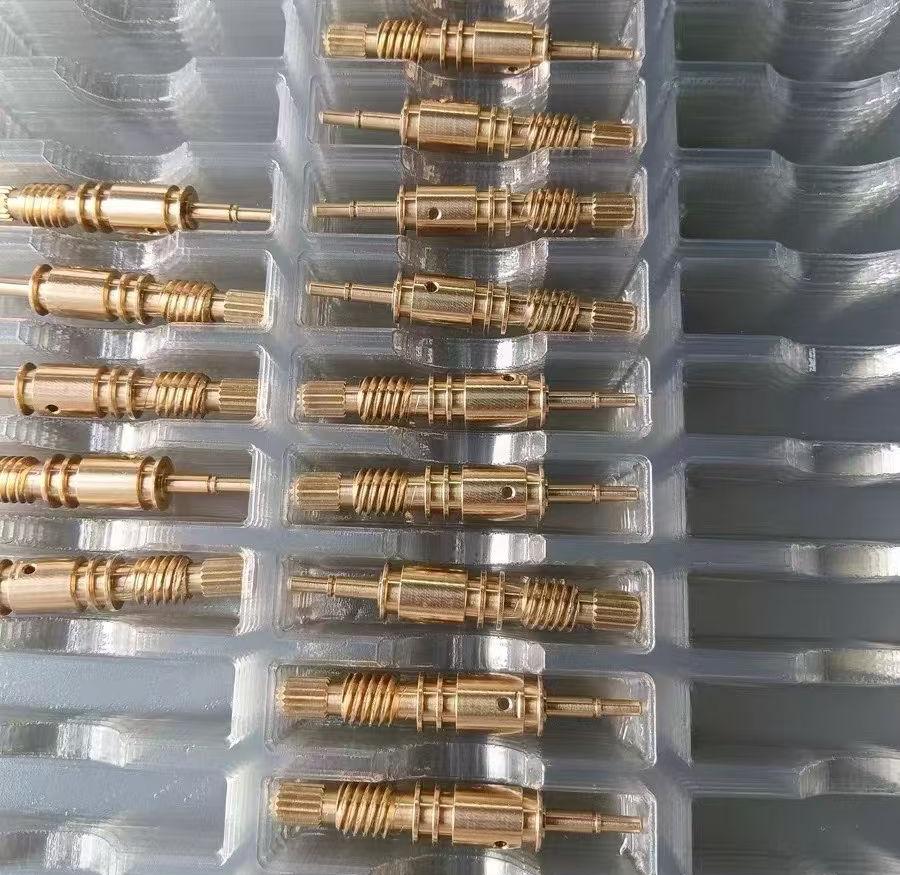
*Selected features may reach ±0.01 mm after drawing review. Feasibility depends on geometry, alloy, stock form, finish, and inspection method.
Material selection
Brass Alloys for Your CNC Machining RFQ
The alloy name alone is not a complete material callout. Specify its UNS designation, product form, temper or hardness where applicable, governing standard, and any restrictions on lead. 6CProto currently lists C36000 and C26000 in its CNC material range; specialized grades can be reviewed against the drawing and available certified stock.
| Alloy | Good starting point for | Stock and decision to confirm |
|---|---|---|
| C36000 free-cutting brass | Turned fittings, bushings, inserts, fasteners, and detailed machined hardware. | Usually rod or bar; contains intentional lead, so check end-use rules before selection. |
| C26000 cartridge brass | Formed sheet or strip components with local holes, slots, and machined features. | Confirm sheet temper and thickness; choose it for forming requirements, not as a direct C360 turning substitute. |
| C46400 naval brass | Marine-related hardware where the design calls for a tin-bearing brass. | Confirm product form, exact environment, and certification; marine suitability depends on service conditions. |
| C69300 ECO Brass | Projects that need a low-lead copper alloy and a qualified substitute for leaded free-cutting brass. | Check approved specification, stock, machining route, and the applicable product or water-contact requirement. |
Need help choosing? Send the drawing and tell us whether the part is turned, formed, exposed to water or seawater, electrically functional, or cosmetic. We can review the material callout and process before quoting.
These comparisons support early selection; they are not certified design values. Final material properties depend on the specified standard, stock form, temper, and mill certificate. Material changes require approval from your design team.
Make the right material callout
Brass vs. Copper vs. Bronze: What Should You Specify?
“Copper” is a family description, not an interchangeable purchase specification. Start with the function of the part, then select an exact alloy and stock form.
| Part priority | Starting material | Why | Confirm before RFQ |
|---|---|---|---|
| Fast, detailed CNC turning | C36000 brass | Good chip control and an established rod-machining route. | Lead restrictions, thread quality, and finish. |
| Cold-formed sheet geometry | C26000 brass | High formability in the appropriate sheet temper. | Thickness, temper, bend radius, and formed tolerances. |
| High electrical conductivity | Pure copper, such as C11000 | Conductivity may take priority over ease of machining. | Electrical requirement, burr control, and joining method. |
| Wear surface or bearing duty | An application-specific bronze | Bronze families are selected around load, wear, and lubrication. | Mating material, service load, and approved alloy. |
For copper or bronze parts, send a separate exact alloy callout rather than replacing a brass grade with a generic “copper” note. 6CProto lists copper and brass separately in its CNC material range.
From CAD to machined hardware
Brass CNC Machining Capabilities
Choose the route around the geometry. We review tool access, workholding, burr control, threading, surface finish, and the dimensions that actually affect assembly.
What we review before quoting
Stock availability, lead restrictions, feature access, minimum wall sections, blind holes, critical threads, required cosmetic faces, and inspection method can each change the best route.
Typical part families
- Fittings, couplings, and valve hardware
- Electrical and instrument hardware
- Fasteners, bushings, inserts, and knobs
- Decorative metal components and enclosures
Appearance and function
Finishing Options for Brass Parts
The best finish depends on appearance, environment, contact surfaces, and whether dimensions are measured before or after finishing.
Finish suitability and appearance should be confirmed on a sample when color or surface uniformity is critical. Do not assume every coating reaches deep blind holes uniformly.
Drawing-led inspection
Quality Checks Built Around Your Brass Part
6CProto is ISO 9001:2015 certified. We use the drawing to define which dimensions, threads, surface requirements, and certificates matter to the order.
Before production, we confirm the requested alloy and stock form against the RFQ. During machining and finishing, we review the dimensions and features that affect fit, including bores, threads, sealing faces, and coated areas. First article or dimensional reports can be requested as part of the quote.
For tight tolerance requests, specify the inspection condition and whether the limit applies before or after plating. The ±0.02 mm figure above is a typical CNC capability statement, not a blanket tolerance for every feature.
A 6CProto brass project
Nickel and Chrome Plating Around Blind Holes
This published project shows why brass finishing should be considered during design and process planning, especially around holes and recessed features.
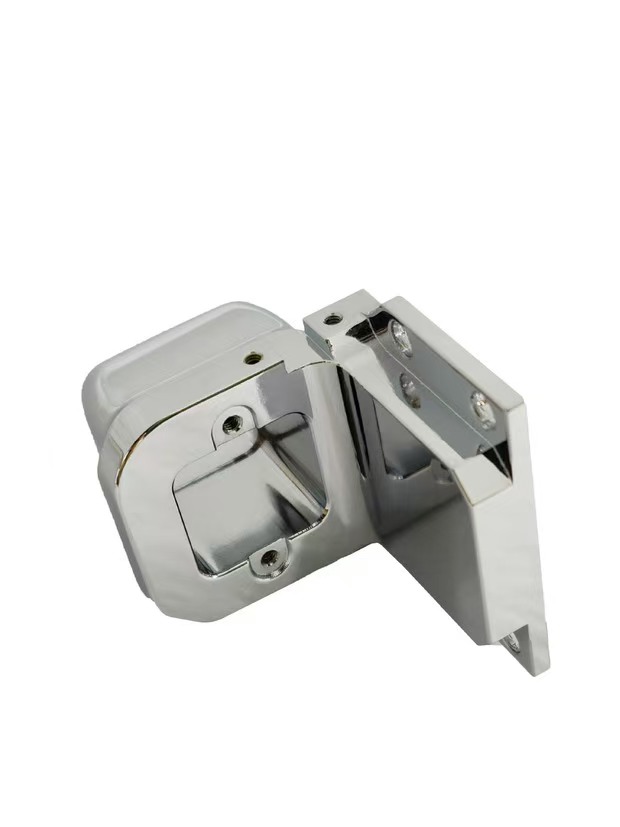
Challenge: A client requested nickel followed by chrome plating. The first process trials showed inconsistent coverage inside blind holes and discoloration near hole entrances.
Process response: The 6CProto team used auxiliary electrodes and adjusted plating parameters to improve coverage and appearance around those features.
RFQ lesson: Mark holes that must receive coating, state the layer sequence and thickness, and define where finished dimensions are measured.
Useful before you send the drawing
Design Tips for Brass CNC Parts
Brass CNC Machining FAQs
Ready to make the part?
Send Your Brass Drawing for an Engineering Review
Tell us what the part must do and where it will be used. We will review the requested alloy, machining route, finish, lead restrictions, and inspection needs before quoting.
Need to protect a design? 6CProto states it can sign an NDA for project files.
Brass C260 — Material overview
Brass is an alloy primarily composed of copper and zinc. This golden-hued material not only exhibits excellent weather resistance and corrosion resistance, but its tensile strength also rivals that of low-carbon steel, demonstrating outstanding mechanical properties. Brass boasts exceptional machinability, enabling it to support higher feed rates during processing operations such as cutting and stamping, while requiring minimal cutting fluid. This combination significantly reduces both processing costs and process complexity.