Precision CNC Machining, Rapid prototyping, and Custom parts

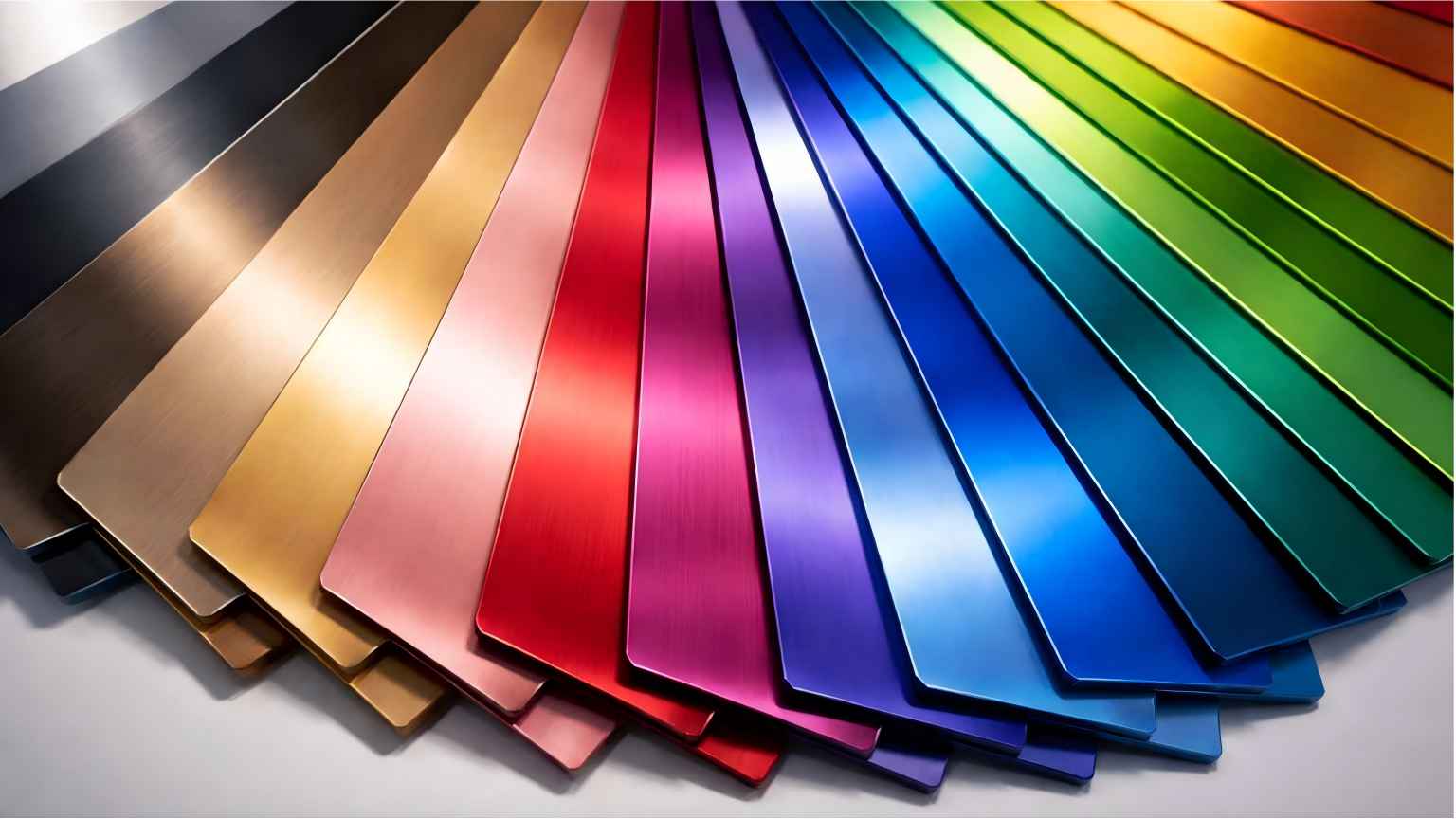
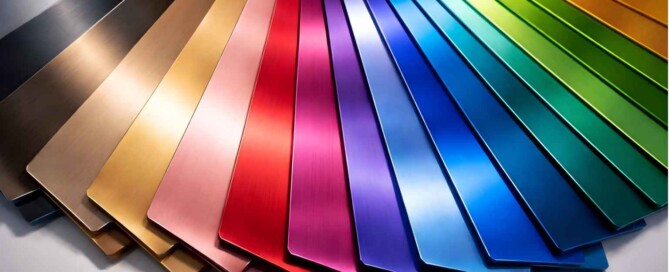
A Comprehensive Guide to Aluminum Anodizing: Everything You Need to Know

Aluminum is widely used in industries such as mechanical manufacturing, electronic products, and architectural structures due to its low density, moderate strength, and excellent machinability. However, untreated aluminum surfaces still have certain limitations in terms of wear resistance and corrosion resistance, making surface treatment processes particularly important in practical applications. Among the various surface treatment
By |2026-04-25T20:52:26+08:00December 16th, 2025|

Why Rapid Manufacturing Outperforms Conventional Manufacturing?

In modern manufacturing systems, companies no longer pursue merely large-scale production; instead, they seek faster iteration, more flexible process options, and more reliable development workflows. While traditional manufacturing methods still dominate high-volume production, rapid manufacturing and prototyping​ have become a key bridge for turning products from concept into finished goods. Rapid manufacturing primarily

By |2026-04-27T12:11:16+08:00December 12th, 2025|

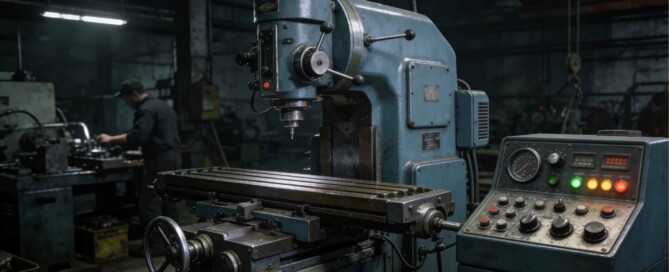
History of CNC Machining: The Origins and Development of Computer Numerical Control

Today, CNC machining is naturally associated with high precision and automated manufacturing. But if we turn back the clock to the era when machining was dominated by manual operations, the existence of modern CNC machines would be almost unimaginable: a workpiece clamped onto the table, a program initiated, and the tool following a preset

By |2026-04-27T12:11:04+08:00December 11th, 2025|

Sheet Metal Laser Cutting: Principles, Applications, Industry Standards, and CNC Machining Integration

In modern manufacturing, sheet metal laser cutting is no longer considered an “advanced technology” but a fundamental capability across multiple industries. From experimental equipment in the 1960s to today’s high-precision, high-power, and intelligent industrial systems, laser cutting has become an essential mainstream process in aerospace, consumer electronics, robotics, medical devices, and automotive manufacturing—thanks to

By |2026-04-25T20:53:12+08:00December 4th, 2025|

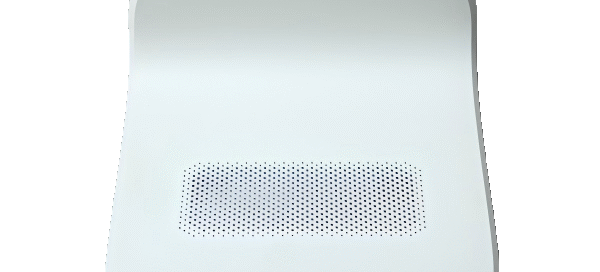
PC+ABS

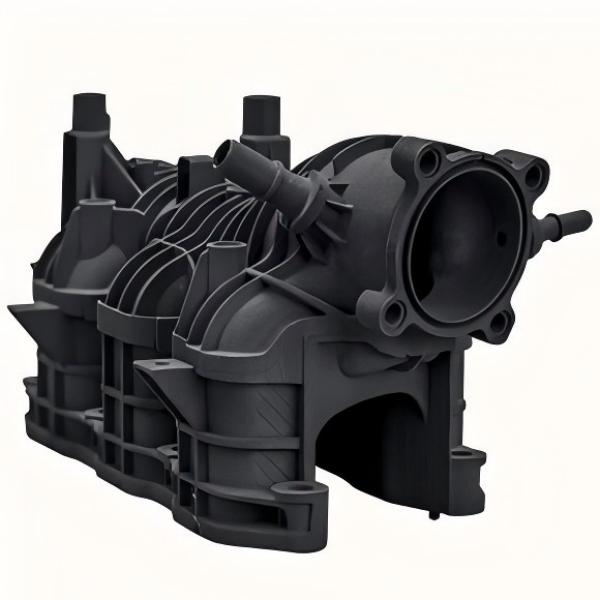
PC+ABS is a blend-modified material that combines the advantages of both materials. It not only inherits the high impact resistance of PC but also the material strength of ABS, while improving its heat resistance. It is often used in electronic product casings, automotive interiors, consumer products, and more.

By |2026-01-25T22:07:58+08:00October 28th, 2025|

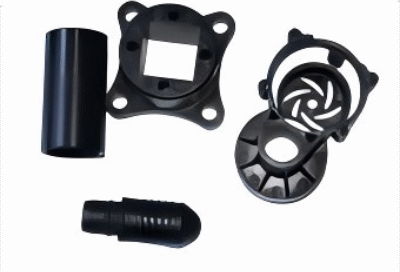
PC+GF

PC+GF (polycarbonate + glass fiber reinforced composite material) is a reinforced engineering plastic made by adding glass fiber (abbreviated as GF) to a polycarbonate (PC) matrix. The addition of glass fiber can significantly improve the mechanical properties and stability of pure PC while retaining some of PC's excellent inherent properties, making it suitable for scenarios

By |2026-01-25T21:51:36+08:00October 28th, 2025|

PP

Polypropylene (PP) is a well-balanced thermoplastic characterized by lightweight material, excellent chemical resistance, and good flexibility. Owing to these properties, it finds wide application in fields such as packaging, household appliances, automotive, daily necessities, and medical devices.

By |2025-10-28T10:51:08+08:00October 28th, 2025|

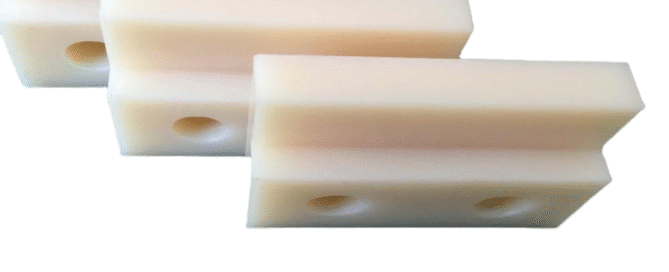
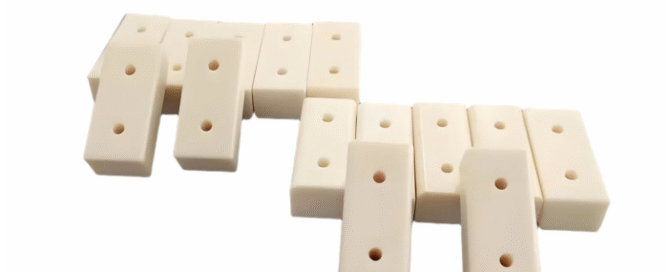
Nylon

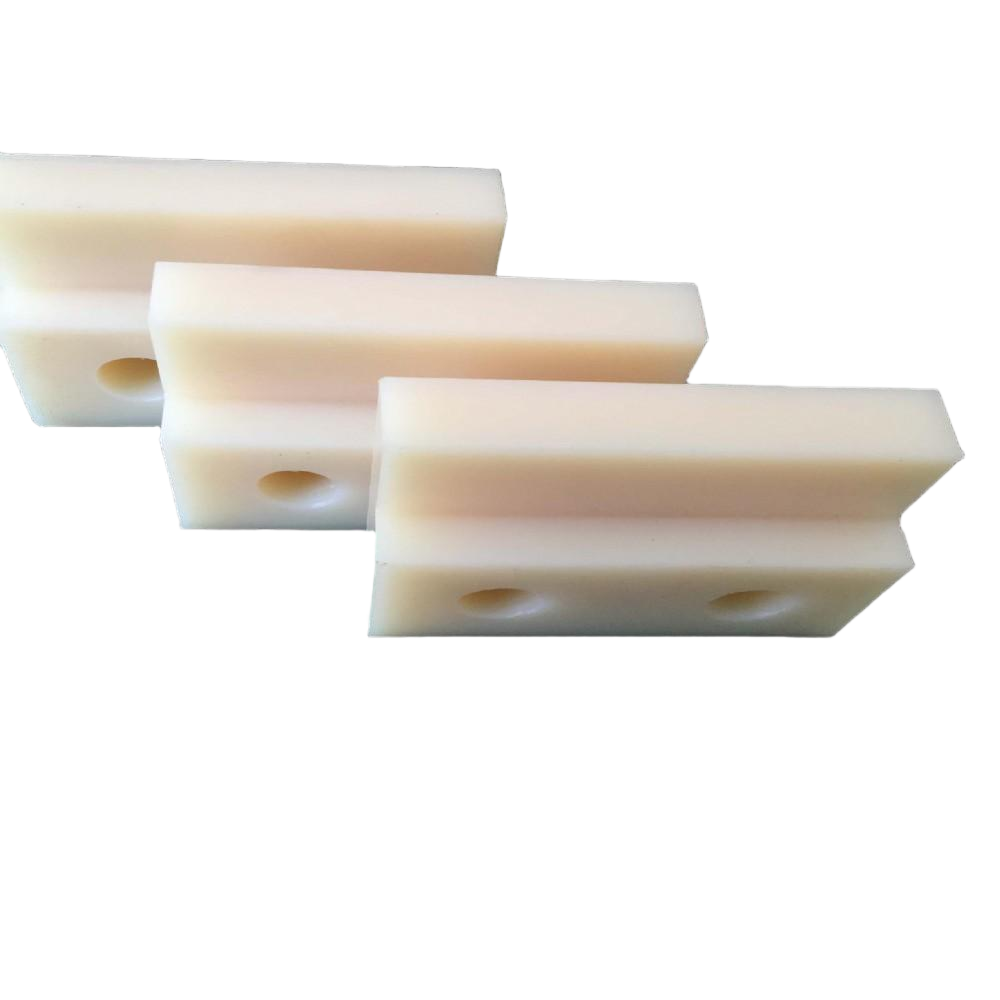
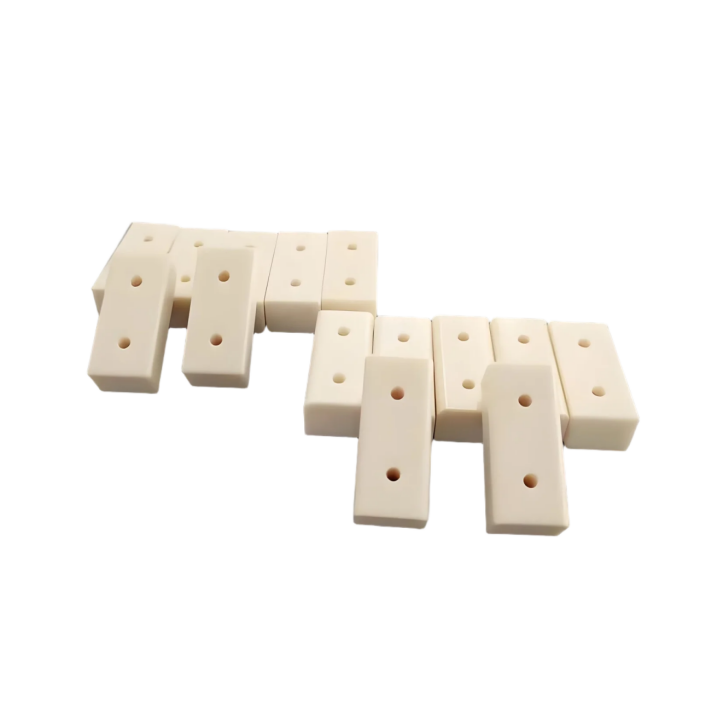
Nylon is a versatile and widely used material in CNC machining due to its exceptional properties. Its high tensile strength, low coefficient of friction, and resistance to wear and abrasion make it an excellent choice for applications requiring durability and reliability, such as gears, bushings, and bearings. Additionally, nylon's low moisture absorption and good dimensional

By |2025-11-03T20:23:55+08:00October 28th, 2025|

ABS

ABS (Acrylonitrile-Butadiene-Styrene Copolymer) is a well-balanced engineering plastic with good mechanical properties, excellent impact resistance, and easy processability. These characteristics have led to its widespread application in fields such as consumer electronics, household appliances, automotive industry, and daily necessities.

By |2025-10-28T10:16:01+08:00October 27th, 2025|

PEEK

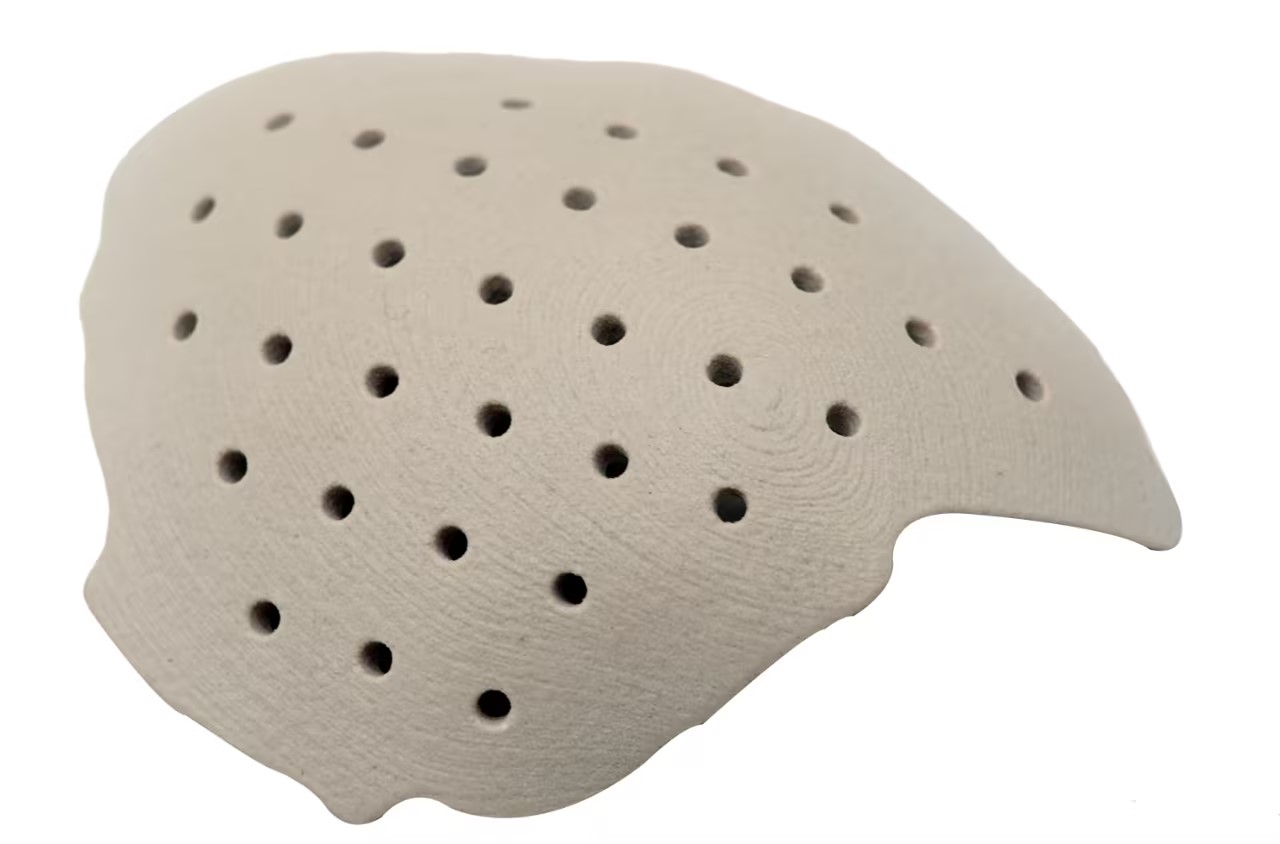
PEEK (Polyether Ether Ketone) is a high-performance engineering plastic widely used in aerospace, automotive, medical, and electronics industries. As a material that is resistant to high temperatures, chemical corrosion, and wear, PEEK offers exceptional strength and rigidity in 3D printing, making it suitable for demanding functional parts. It can withstand temperatures exceeding 250°C and maintain

By |2025-10-21T16:03:06+08:00October 17th, 2025|
Go to Top