

Magnesium is the lightest structural metal, and its machining reputation is built on one word: fire. Chips of magnesium can ignite if they are fine, hot, and dry, which is why shops without controlled machining practices refuse the material and why shops with the right process machine it safely every day. The engineering decision is not “can magnesium be machined” but “does the part need magnesium’s weight saving, and does the supplier run the safety process that the material requires?” The answer requires understanding the alloys, the fire-safety controls, and the corrosion protection that makes magnesium parts survive service.
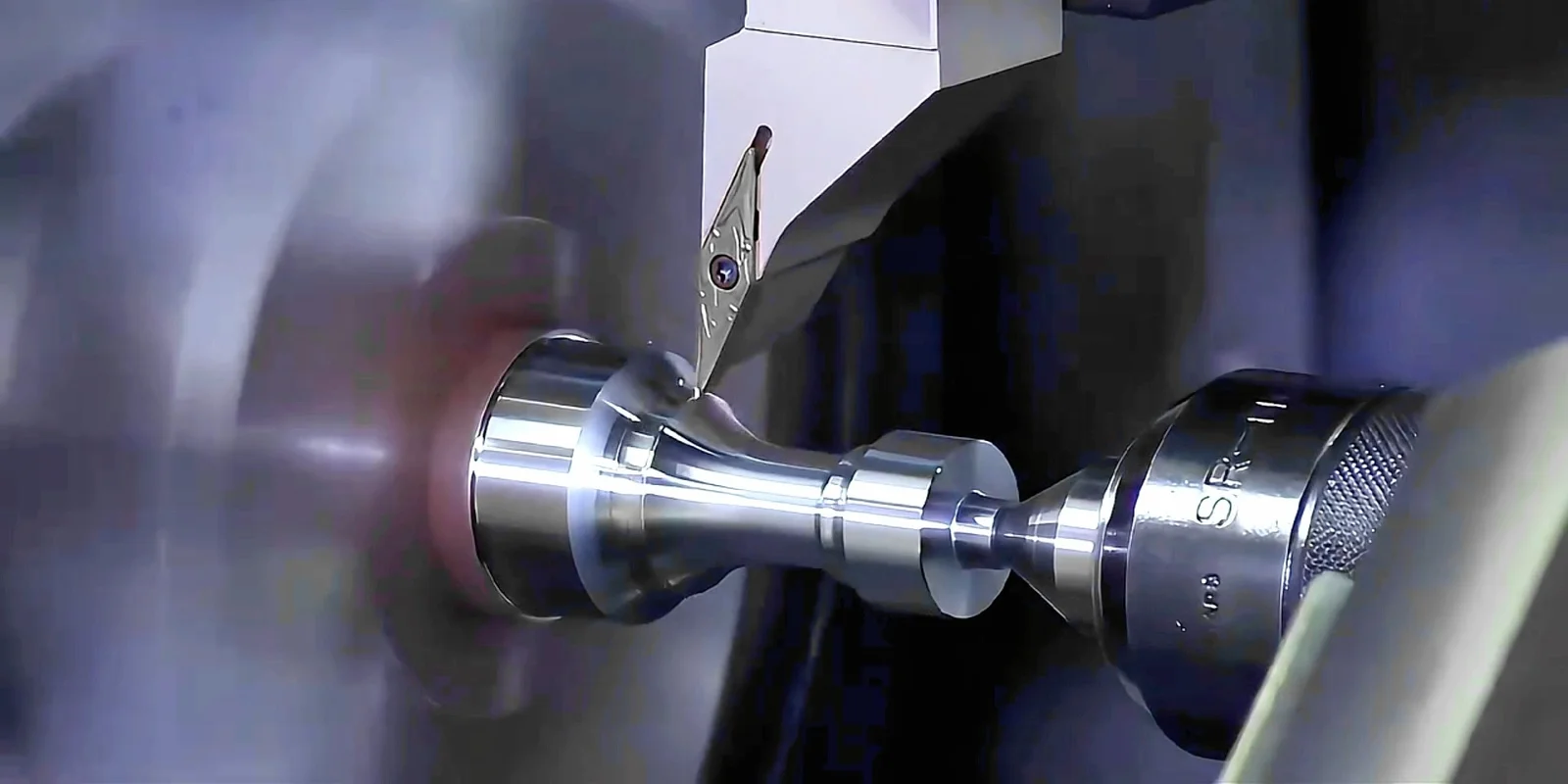
Where magnesium earns its place in machined parts
Magnesium earns its place where weight drives the design: aerospace brackets, drone and robotics frames, portable equipment housings, and any moving part where mass costs performance. Its density is roughly two-thirds that of aluminum, so a stiffness- or weight-driven part can lose significant mass by switching, provided the corrosion and processing constraints are managed. The trade-offs are real: magnesium is less corrosion-resistant than aluminum in most environments, costs more to protect, and requires controlled machining. The part that justifies magnesium is the one where the weight saving matters more than the coating and process burden — and the decision is made with the full system cost, not the material price alone.
Alloy options and their machining differences
Magnesium alloys are grouped by their alloying system, with AZ31 and AZ91 among the most common. AZ31 is a wrought alloy with good formability and moderate strength, often machined from bar or plate; AZ91 is a high-pressure die-casting alloy with good castability and strength. Machining behavior varies with the alloy and the condition: magnesium machines easily with sharp tools and high speeds when the process is controlled, producing fine chips that must be managed for fire risk. The alloy choice should follow the part’s production route — machined from stock versus cast — and the mechanical and corrosion requirements, not the machinability alone.
Fire-safety controls in machining and chip handling
Fire safety is the process requirement that separates qualified magnesium shops from everyone else. The controls include sharp tooling and controlled feeds to avoid generating hot, fine chips; a chip-handling system that removes swarf continuously and keeps it away from the cutting zone; the right coolant or mist strategy so the cut stays cool; and fire-suppression planning for the machine and the chip bin. Dry machining of magnesium is done only with the correct process and controls; the shop should be able to describe its chip management and its emergency response before it quotes the material. A buyer who hears “sure, we can machine magnesium” without a safety discussion should ask how the chips are handled and how a fire would be controlled.
The safety requirements are not optional details; they are the difference between a routine job and a shop incident. The drawing and the RFQ should confirm the supplier’s magnesium process controls, and the safety claims should be supported by the shop’s procedures rather than by assurance alone.
Corrosion protection and finishing routes
Magnesium corrodes readily in many environments, so the finish is part of the design. The protection route usually includes a conversion or anodizing treatment followed by a paint or powder system where appearance and long-term protection matter; the coating must be chosen for the magnesium alloy and the environment. Bare magnesium is acceptable only in dry, controlled conditions, and even then the surface should be understood as a maintenance item. The finish specification should name the treatment, the coating thickness or class, and the environmental test, because the corrosion performance lives in the coating system, not in the material alone.
Galvanic corrosion is the second environmental risk: magnesium is very anodic, so contact with aluminum, steel, or copper alloys in a wet environment drives rapid attack on the magnesium. Dissimilar-metal joints need isolation, and the assembly design should treat every contact as a corrosion decision. The material page on this site covers magnesium properties; the machining and finishing guidance here is what makes the part practical.
Questions to ask a supplier before quoting magnesium
Before sending a magnesium RFQ, ask the supplier about its process controls: how chips are handled and stored, what coolant or mist strategy is used, what fire suppression is in place, and whether the shop has machined the specific alloy. Ask how thin features and tight tolerances are held in a material that is soft and thermally sensitive, and confirm the finishing route for the environment. The supplier’s answers separate a shop that treats magnesium as a routine material from one that understands the process — and the difference shows up in the safety record and the part quality, not in the price.
How to evaluate a magnesium supplier and a magnesium part
A supplier evaluation shows what the safety discussion should look like. A buyer sends a magnesium bracket RFQ to two shops. The first replies with a price and a lead time and says magnesium is “no problem.” The second replies with a price, a lead time, and a process summary: the alloy it plans to machine, the chip-handling method, the coolant strategy, the fire-suppression plan, and the finishing route for the environment. The first quote is lower; the second quote is the one the buyer can evaluate, because it shows the shop understands the material’s process requirements. The RFQ should ask for that process summary explicitly, because a magnesium part is only as safe and durable as the shop’s controls and the coating system. The buyer should also review the part’s environment: if the bracket will see moisture or dissimilar-metal contact, the finishing and isolation requirements belong on the drawing, and the coating cost belongs in the comparison.
The part evaluation follows the same logic. A magnesium bracket that is stiffness-limited may need more material than the density saving suggests, and the weight advantage should be calculated on the actual part, not on the material table. A bracket that will be coated and isolated from dissimilar metals can be a sound engineering choice; the same bracket bare in a wet assembly is a corrosion failure waiting for a season. The drawing should state the environment, the coating, and the galvanic isolation, and the certificate should confirm the alloy. When the process controls, the finishing route, and the environment are all on the table, magnesium is a legitimate lightweighting material rather than a risky experiment.
The magnesium RFQ worksheet has six lines: the alloy and condition, the machining process controls, the chip handling and fire safety, the finishing route for the environment, the galvanic isolation in the assembly, and the certificate and inspection documents. A supplier that answers all six is treating magnesium as a process material; one that answers only the price and the lead time is quoting metal. The worksheet also guides the buyer’s design review: if the part’s environment needs a coating that the budget does not include, the cost is added before the material decision, and if the assembly couples magnesium to stainless, the isolation hardware is designed before the drawing is released. The worksheet turns the magnesium decision from a material debate into a specification review, and the part that emerges is one where the weight saving, the protection, and the process controls are all accounted for. That is the standard a magnesium program should meet before the first chip is cut.
A worked example of the total-cost view: a magnesium bracket for a portable instrument saves 120 grams versus aluminum, which the product team values highly, but the coating, the galvanic isolation, and the controlled machining add cost and lead time. The comparison is not the material price; it is the value of the 120 grams against the added cost and the supplier constraint. When the weight saving is worth the full process burden, magnesium is the right answer; when the product can carry the extra grams, aluminum is the engineering choice and magnesium is a specification mistake. The same calculation applies to titanium on the other side of the table: the material and machining premium is justified only when the strength or corrosion gain delivers value the lighter default cannot. Putting the weight value in the comparison, rather than treating every gram as sacred, is what makes the lightweighting decision rational. The program that asks “what is the gram worth” before choosing the material avoids both the overweight part and the overpriced one.
Put the decision in writing with the assumptions stated — the weight saved, the coating cost, the process controls, and the program volume — and the review is fast when the assumptions change. The written record also gives the next engineer the reasoning behind the material, so the choice is not remade from scratch when the project changes hands.
If you are evaluating a magnesium machined part, the 6CProto CNC team can review the alloy, the process controls, and the finishing route together before quoting, so the material decision is made with the full process picture.