

A machinability rating of 70 percent sounds like a simple comparison — the material machines at 70 percent of the speed of the baseline — but the number hides the variables: the tool, the operation, the finish, and the machine all change the real result. Machinability ratings are a practical guide for comparing materials and estimating the machining cost, and they are useful when they are understood as relative indicators rather than absolute guarantees. The engineer who reads the rating correctly uses it to select the material and to estimate the quote; the one who treats it as a law is surprised by every part that behaves differently.
What machinability rating means in practice
A machinability rating compares a material’s ease of machining to a reference, expressed as a percentage. The rating reflects the cutting speed, the tool life, and the surface finish that the material supports relative to the baseline, and a higher rating generally means faster cutting and longer tool life at the same conditions. The rating is a relative indicator for the material family and the typical operation, not a fixed property: the same material can machine well in one operation and poorly in another, and the tooling and the machine change the result. The rating is the starting point for the process estimate, and the shop’s experience with the specific grade is the refinement.
The rating also varies with the material condition: the same alloy in a soft or a hard temper machines differently, and the rating should be read with the condition in view.
A reference scale: why 1212 steel is the 100-percent baseline
The machinability scale is anchored to a reference material, commonly 1212 free-machining steel at 100 percent. Materials are rated against that baseline, so a material rated at 70 percent is expected to machine at about 70 percent of the reference’s speed or tool-life capability. The baseline gives the scale a common reference, and it explains why the free-machining steels sit near or above 100 percent while the tougher alloys sit lower. The reference is a convention, and the ratings should be compared within the same scale and the same source, because different references would shift the numbers. The baseline is the anchor that makes the relative comparison meaningful.
The baseline also explains the trade: the free-machining additions that raise the rating — such as sulfur in steel — often reduce other properties, and the material selection balances machinability against the service requirements.
How ratings affect speeds, tool life, and quoted cost
The rating connects to the machining cost through the speed and the tool life. A material with a high rating can be cut faster with longer tool life, lowering the cycle time and the tooling cost; a low-rated material cuts slower and wears tools faster, raising the cost. The quoted part price follows the material’s machinability as much as its material price, and the quote comparison between materials should include the machining cost, not just the stock cost. The rating also sets the process planning: the speeds, the feeds, and the tooling are chosen for the material’s machinability, and a shop that ignores the rating either risks the tool or pads the cycle. The machinability rating is a cost input that belongs in the material decision.
The rating is an estimate, and the actual cycle should be confirmed on the part geometry, because the features and the finish affect the machining time more than the rating alone predicts.
Ratings for common aluminum, steel, stainless, and plastics
The rating tables for the common families show the practical spread. Aluminum alloys machine quickly and rate high; free-machining steels rate at or above the baseline; the common low-carbon and alloy steels rate below it; the stainless families rate lower still, with the free-machining grades above the general grades; and plastics span a wide range with their own behavior. The table is a relative map for the selection, and the engineer should read it with the application: a high-rated material that fails the corrosion or the strength requirement is not saved by its machinability. The rating informs the material choice, and the other requirements decide it.
The ratings within a family should be confirmed with the supplier, because the specific grade and condition can differ from the general table.
Using ratings in material decisions without over-indexing
The machinability rating should inform the decision without dominating it. A material chosen for its corrosion resistance or its strength may rate lower, and the machining cost is the price of the property the part needs; a material chosen for machinability alone may fail in service. The decision should compare the total cost — the material, the machining, and the service — and the rating is one input to that comparison. When the rating is over-weighted, the part is cheap to make and expensive to own; when it is ignored, the quote surprises the program. The balanced decision uses the rating to estimate the machining cost and chooses the material for the full requirement set.
The cost article on this site explains the machining price drivers; this page is the material-reference explanation of the rating as one of them. When the rating is read as a relative indicator and balanced against the service requirements, the material decision serves the part and the program.
Using the rating in the quoting process
The machinability rating belongs in the quoting process as a planning input. When the shop quotes a part in a low-rated material, the cycle time and the tooling cost reflect the material’s machinability; when the buyer compares two materials, the quote difference shows the machining cost that the rating predicts. The buyer should ask the shop how the material affects the cycle and the tooling, because the rating is the explanation behind the price difference. The quote should also state the finish and the feature assumptions, because the rating alone does not capture the part’s geometry: a simple shaft in a low-rated material may quote close to a high-rated one, while a complex part amplifies the difference. The quoting process that uses the rating as an input produces a comparison the buyer can understand.
The quoting process should also verify the rating with a trial where the material is new to the shop. A first article in the material confirms the speeds, the feeds, and the finish that the shop can hold, and the trial data updates the quote and the process plan. The rating is the starting estimate, and the trial is the confirmation. When the rating, the quote, and the trial are connected, the material decision is based on the real machining cost — and the buyer chooses the material with the total cost in view, not just the stock price.
The machinability rating should also be read against the part’s geometry and its tolerance, because the rating is a material property and the part is a specific challenge. A deep pocket, a thin wall, or a tight tolerance can dominate the machining cost regardless of the material’s rating, and a material that rates high on a simple shaft may not help on a complex part. The review should consider the features that drive the machining time — the depth, the reach, the finish, and the tolerance — and the material comparison should be run on the actual part geometry rather than on the rating table alone. The rating is the material input to the process estimate, and the geometry is the other half; the quote that combines them is the estimate that the buyer can trust. When the rating and the geometry are reviewed together, the material decision reflects the real machining challenge, and the material that wins the quote is the material that wins on the part, not just on the table.
Keep the machinability comparison and the quote records with the material decision, so the choice is reviewable when the volume or the process changes. The record is the evidence that the material was selected on the total cost, not on the rating alone.
Confirm the machining trial with the supplier when the material is new to the shop, because the trial data — the speeds, the feeds, the tool life, and the finish — is the evidence behind the rating and the quote. The trial turns the material decision from a table comparison into a verified process, and it protects the program from the quote that assumed a machinability the shop cannot deliver.
The rating is the starting estimate; the quote and the trial are the confirmation. Use all three, and the material decision rests on evidence.
Confirm the rating with the supplier’s experience and a trial where the material is new, so the quote and the process reflect the shop’s real capability rather than the table.
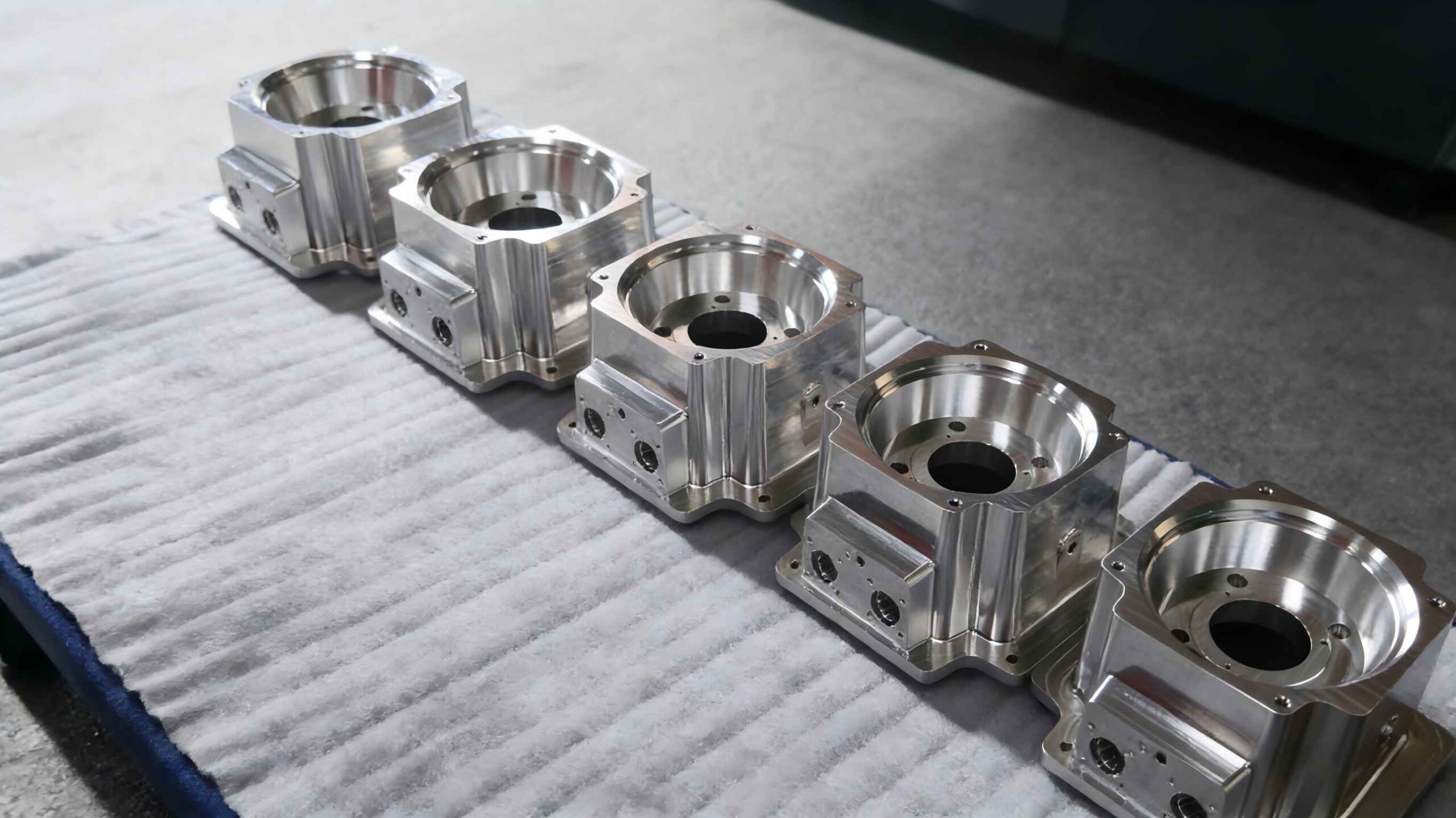
If you are comparing materials for a machined part and want the machinability and the total cost reviewed, the 6CProto CNC team can quote the part in the candidate materials with the machining and the service in view.