
Home › Applications › CNC Machined Enclosures and Housings
CNC Machined Enclosures and Housings
Source custom metal and engineering-plastic enclosures with pockets, bosses, connector openings, mounting patterns, gasket lands, cosmetic surfaces, and assembly interfaces machined to your CAD and drawing. 6CProto supports prototype and repeat orders with DFM, finishing, and dimensional inspection.
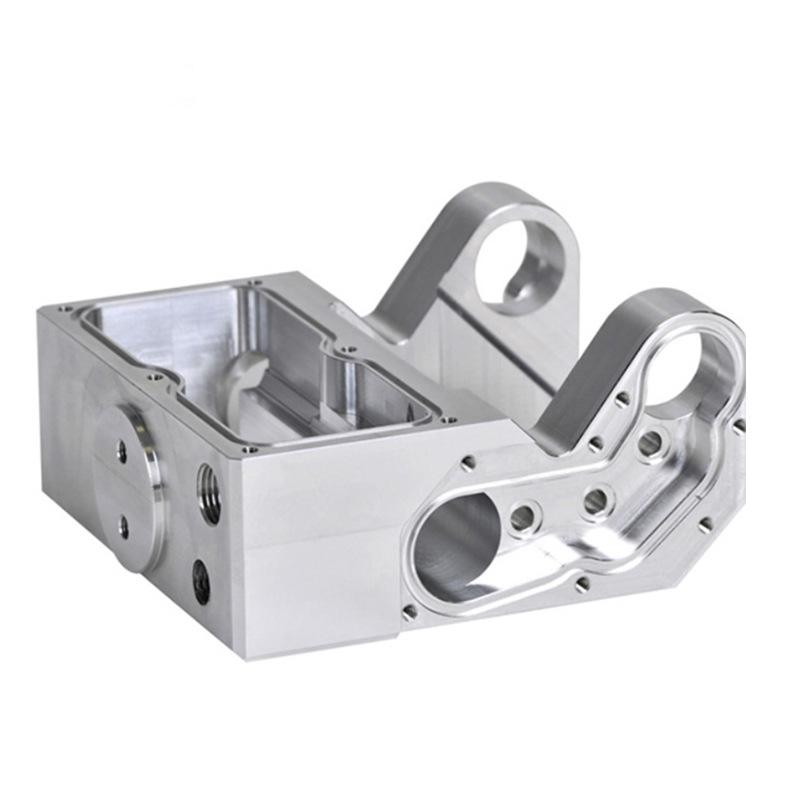





An Enclosure Is an Assembly System
A machined enclosure is not only a hollow box. It locates boards, sensors, optics, connectors, seals, lids, fasteners, and external mounts while controlling appearance and access. Datum selection and tolerance chains therefore matter more than applying a tight tolerance to every dimension.
This page targets buyers of completed CNC housings. For the underlying process, visit CNC Milling Services. For bent and welded cabinets, use Sheet Metal Fabrication; for molded plastic housings, use Injection Molding.
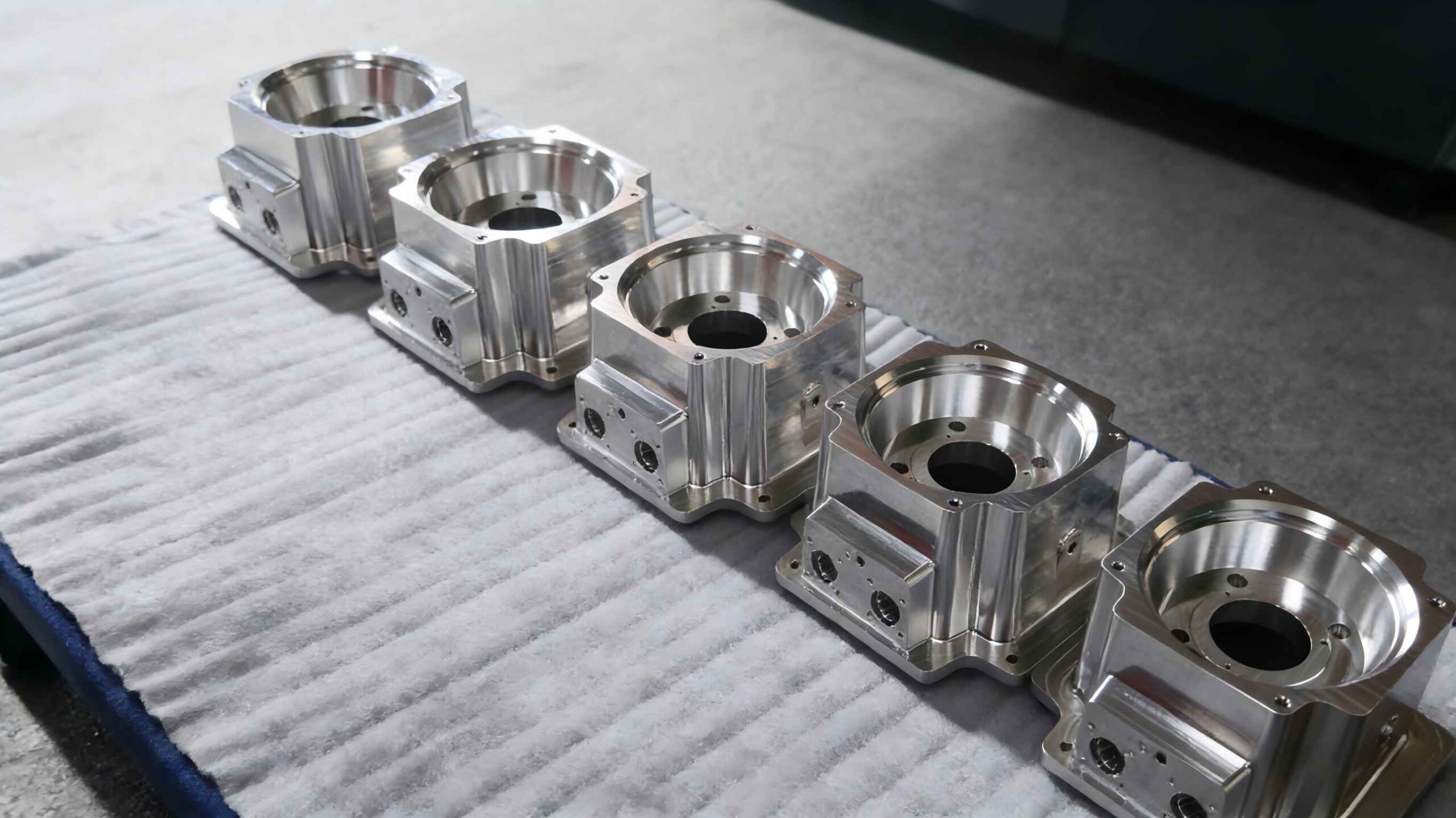
Critical Enclosure Interfaces
The most important dimensions are the relationships that determine assembly, sealing, alignment, and appearance.
Internal Architecture
Pockets, shelves, ribs, standoffs, board supports, cable routes, and tool access determine the machining strategy and wall stability.
External Interfaces
Connector cutouts, display windows, switches, antennas, cable glands, feet, brackets, and mounting holes must relate to clear datums.
Closure and Sealing
Lid flatness, screw spacing, gasket grooves, O-ring corners, compression stops, mating finishes, and acceptable leak testing must be defined.
What to Include in an Enclosure RFQ
A complete enclosure quote needs assembly context in addition to a standalone 3D model.
| Design Area | Define on the CAD or Drawing | Manufacturing Consideration |
|---|---|---|
| Datums and fits | Primary mounting plane, locating holes, board or component fits | Controls how features are related across setups |
| Walls and pockets | Wall thickness, depth, internal radii, draft if any | Thin walls and deep cavities require stable workholding and practical tool reach |
| Sealing | Gasket type, groove geometry, surface requirement, compression | Seal performance cannot be inferred from a generic enclosure model |
| Fasteners | Thread standard, depth, inserts, counterbores, torque assumptions | Blind depth and edge distance affect reliability and tool access |
| Cosmetics | Class-A faces, grain direction, color reference, acceptable contact marks | Finish preparation and handling must be planned before machining |
| Inspection | Critical dimensions, GD&T, mating parts, report or sample plan | Prevents unnecessary cost from inspecting every noncritical feature |
CNC Enclosure Design Guidelines
Good enclosure DFM balances wall stability, cutter access, assembly tolerance, sealing, finish buildup, and serviceability.
Design for Stable Machining
- Use realistic internal corner radii instead of sharp milled corners.
- Keep deep pockets and thin walls proportionate to available tool access.
- Add robust clamping or datum areas where possible.
- Avoid making every surface cosmetic or tightly toleranced.
- Identify post-finish dimensions and protected interfaces.
Design for Reliable Assembly
- Dimension connectors and boards from functional datums.
- Provide adequate thread engagement and edge distance.
- Control gasket compression without over-constraining the lid.
- Allow access for screws, tools, cables, and inspection probes.
- Share mating components when fit cannot be defined by dimensions alone.
Materials and Finishes for Machined Housings
Material and finish must be chosen together because coating buildup, color, conductivity, corrosion behavior, and thermal performance affect interfaces.
Aluminum
A common choice for lightweight housings, thermal paths, EMI-sensitive structures, and anodized cosmetic surfaces. State the exact alloy and temper.
Stainless and Carbon Steel
Used where stiffness, wear, corrosion behavior, mass, or shielding requirements justify more demanding machining and finishing.
Engineering Plastics
Suitable for insulating, lightweight, chemically resistant, or RF-transparent housings, with material-specific control of heat, clamping, and flatness.
Anodizing and Bead Blasting
Common aluminum finish combinations. Mark grounding points, threads, fits, gasket faces, and cosmetic zones.
Passivation, Plating, and Black Oxide
Select according to the exact metal, environment, electrical function, appearance, and governing specification.
Painting and Powder Coating
Applied coatings add film thickness; mask connector interfaces, threads, sealing lands, and electrical contact areas as required.
From CAD Housing to Finished Enclosure
Machining, finishing, inspection, and assembly-critical interfaces are planned as one route.
Map Interfaces
Review the housing, lid, installed components, seals, datums, critical dimensions, and cosmetic zones.
Plan Workholding
Select stock, machines, setup sequence, tool reach, wall-support strategy, and inspection datums.
Create the Housing
Rough and finish pockets, interfaces, holes, threads, grooves, and external surfaces using suitable CNC equipment.
Finish and Inspect
Deburr, clean, apply the specified finish, inspect critical features, and protect cosmetic surfaces for shipment.
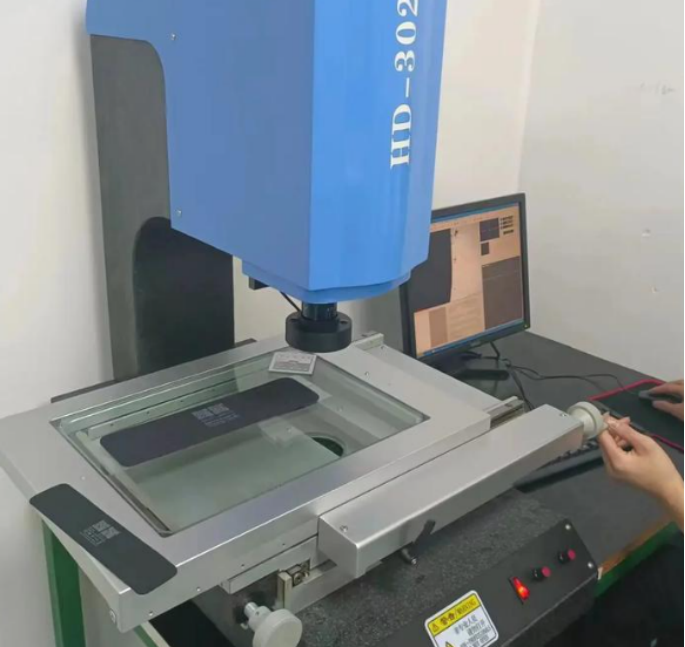
Inspection Focus for CNC Housings
Inspection should follow the functional tolerance chain: mounting datums, lid and gasket interfaces, connector locations, board or component fits, thread quality, and specified cosmetic zones. ISO 2768 may be used only where the drawing or agreed quotation defines it; tighter feature requirements need explicit dimensions and GD&T.
Choosing the Correct Enclosure Manufacturing Page
This separation keeps the application page focused and prevents it from competing with generic process pages.
This Page
Use for CNC-machined enclosures and housings with assembly, sealing, interface, and cosmetic requirements.
CNC Milling Service
Use for general milled plates, brackets, fixtures, and parts where enclosure-specific system content is not the main need.
Other Application Parts
Use CNC Heat Sinks for standalone thermal hardware and CNC Manifolds for fluid-routing blocks.