

A bearing bushing that wore out in a month was replaced with “a stronger bronze,” and the new part wore even faster — because the replacement was the wrong bronze family for the bearing surface. Bronze is not one material: the bearing bronzes, the aluminum bronzes, and the manganese bronzes each serve a different role, and choosing among them is matching the alloy’s wear, strength, and corrosion behavior to the part’s function. C932, C954, and C863 are three of the most common machined bronzes, and each has a clear territory in the hardware it serves.
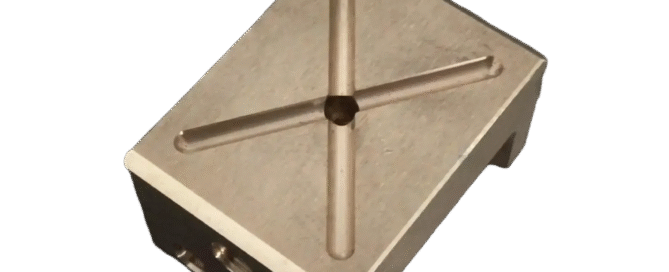
Bronze families and their typical hardware roles
Bronze families are named by their main alloying element. Tin bronzes (copper-tin) are the classic bearing alloys, with good wear and corrosion behavior. Aluminum bronzes (copper-aluminum) add strength and corrosion resistance, serving heavy-duty and marine hardware. Manganese bronzes (copper-zinc with manganese) are high-strength alloys for heavy load-bearing parts. The family determines the role: a bushing that runs against a shaft needs a bearing bronze, a high-load structural part needs an aluminum or manganese bronze, and a marine fitting needs the corrosion behavior of the right family. The drawing should name the alloy family and the specific grade, because “bronze” covers parts that behave completely differently.
The material page for bronze on this site and the brass-versus-bronze comparison cover the family choices; this page distinguishes the machined bronze alloys themselves.
C932 bearing bronze: conformability and lubrication
C932 is the standard bearing bronze — a tin bronze with lead — and it is the workhorse for bushings, wear plates, and sliding parts. Its value is conformability: the alloy accommodates minor misalignment and embeds small particles without scoring the shaft, and it runs well against steel with lubrication. C932 machines readily and is economical, which makes it the default where a bearing or a wear surface needs the classic bronze behavior. Its strength is moderate, so the load and the speed should be within the alloy’s bearing limits. For a shaft bushing or a wear pad that needs the traditional bearing bronze performance, C932 is the reference the other alloys are compared against.
The bearing design — the clearance, the lubrication, and the load — should be confirmed with the alloy’s bearing data, because the alloy is only half of the bearing system.
C954 aluminum bronze: strength and wear
C954 is an aluminum bronze with high strength, good wear resistance, and excellent corrosion resistance, serving heavy-duty bushings, gears, wear plates, and marine hardware. It carries higher loads than C932 and resists corrosion in seawater and many chemicals, which is why it appears where the bearing or the structural part must survive both load and environment. C954 machines less easily than C932 and costs more, but the strength and the corrosion behavior justify the difference where the service demands it. The alloy is also used where the part must resist wear in abrasive or high-load service, and the design should match the alloy to the load and the environment rather than defaulting to the cheaper bearing bronze.
The aluminum bronze family has several grades, and C954 should be confirmed against the application’s strength and corrosion requirement.
C863 manganese bronze: heavy-duty bushings
C863 is a manganese bronze with very high strength, serving the heaviest bearing and structural duties — large bushings, gears, and wear parts that carry high loads and shock. Its strength approaches steel in some conditions, and it resists wear in heavy service. The trade is in the running characteristics: C863 is stronger but less conformable than C932, so it suits heavily loaded, well-aligned bearings rather than the forgiving, lubricated runs where C932 excels. The alloy is also heavier and harder to machine, and its cost reflects the strength. C863 is the choice where the load and the shock exceed what the bearing bronzes can carry, and the bushing design should account for its higher stiffness and lower conformability.
The heavy-duty bearing application should be reviewed with the alloy’s load data, and the mating shaft material and the lubrication should be part of the design.
Machinability, corrosion, and sourcing notes
The three alloys differ in machining and sourcing. C932 machines readily and is widely stocked in bar and tube forms; C954 machines with more effort and is available in the common forms; and C863 machines with the most difficulty and may have longer sourcing lead times. The corrosion behavior also differs: C954 leads in corrosion resistance, C932 is good for general service, and C863 is strong but less corrosion-resistant than the aluminum bronze. The selection should include the machining cost and the material availability, because a part that is ideal on paper but unavailable in the required form delays the program. The drawing should name the alloy, the form, and the condition, and the supplier should confirm the stock and the machinability before quoting.
The brass-or-bronze comparison guide covers the family choice; this page is the bronze-alloy decision for machined parts. When the load, the wear, and the environment are known, the C932, C954, or C863 choice is an engineering decision with a clear answer.
Verifying the bronze selection in service
The bronze selection should be verified on the part or a representative sample before the design is locked. A bearing test runs the alloy against the actual shaft material with the service lubrication and load, measuring the wear and the temperature over the expected life; a structural test loads the part to the service condition and checks the strength and the deflection. The test results confirm the alloy choice and expose the mismatch that the data sheet hides — a bearing alloy that runs hot with the service lubricant, an aluminum bronze that gall against the shaft, or a manganese bronze that is too stiff for the misalignment the joint sees. The verified alloy becomes the drawing standard, and the test record is the evidence that the part will serve. A bronze part that is selected from a table without the service test carries the risk into the field, where the wear or the failure costs more.
The verification should also cover the production lot: the bronze’s behavior can vary with the cast or extruded lot, so the material certificate and the incoming test confirm the alloy and the condition for the production run. The machining process is verified on the first article, because the bronze’s machinability affects the finish and the tolerance on the bearing and wear surfaces. When the alloy, the material, and the process are verified together, the bronze part is specified with evidence — and the wear and the strength that the design assumed are the properties the part delivers in service.
The bronze selection should also consider the mating surface and the lubrication, because the bearing system is a pair. A C932 bushing running against a hardened steel shaft behaves differently from one running against a soft shaft, and the lubricant, the clearance, and the surface finish of the shaft are part of the bearing design. The alloy data should be checked against the actual mating pair and the service condition, and the sample test should run the pair together. The drawing should state the shaft material, the clearance, and the lubrication, so the bearing is specified as a system rather than as a bushing alone. The bronze part that is selected and verified with its mating surface is the part that wears predictably; the one selected from a table in isolation is the one that fails in the field with a “but the alloy was correct” argument.
The bronze review should also cover the cost and the availability at the required quantity. C932 is the economical default and is widely stocked; C954 and C863 cost more and may need sourcing for the specific form and size. The comparison should include the material and the machining, because the harder alloys machine slower and wear tools. The quote exercise across the candidate alloys shows where the cost sits, and the availability check shows whether the alloy can meet the schedule. When the performance, the cost, and the supply are all in the decision, the bronze is chosen for the program rather than for the data sheet.
Keep the bronze selection and the bearing test record with the part, so the alloy choice is traceable to the service data. The record shows the alloy, the mating surface, the clearance, and the test result, and it is the reference when the part is reordered or the service changes. A bronze part that carries its bearing record is a part whose wear claim is documented — and the documentation is what keeps the bearing system consistent across the product’s life.
Confirm the alloy and the form with the supplier before the drawing is locked, and request the certificate with the shipment so the bearing system is built on a verified material.
If you are selecting a bronze alloy for a machined part and want the wear, strength, and corrosion trade reviewed, the 6CProto CNC team can work from your bearing or structural requirement to the alloy and the specification.