

Magnesium is the lightest commonly machined structural metal, and it machines faster than aluminium. It also produces chips and dust that burn, which is why the process is governed by handling rules rather than by a difficult cut.
Why magnesium is chosen over aluminium
Weight, and the machining speed that comes with it.
Magnesium is roughly two-thirds the density of aluminium, so a part designed to the same stiffness in a comparable alloy is significantly lighter. That matters in handheld devices, robotics, motorsport and aerospace, where every gram of moving mass costs something elsewhere in the system. As a bonus, magnesium machines faster and more easily than aluminium: it cuts with lower forces, produces a good surface finish, and has a long tool life.
The material also has useful secondary properties. It has good specific stiffness, absorbs vibration well, and is straightforward to cast and to machine, which is why it appears in housings and structural frames. What it does not have is corrosion resistance comparable to aluminium, and that shapes both the finishing requirement and the design.
| Property | Why it matters |
|---|---|
| Low density | The main reason the material is chosen at all |
| Good machinability | Faster cutting, lower forces, longer tool life than aluminium |
| Vibration damping | Useful in frames, housings and equipment where resonance matters |
| Corrosion behaviour | Requires coating or surface treatment for most environments |
| Chip flammability | Fine chips and dust ignite readily; handling is the main risk |
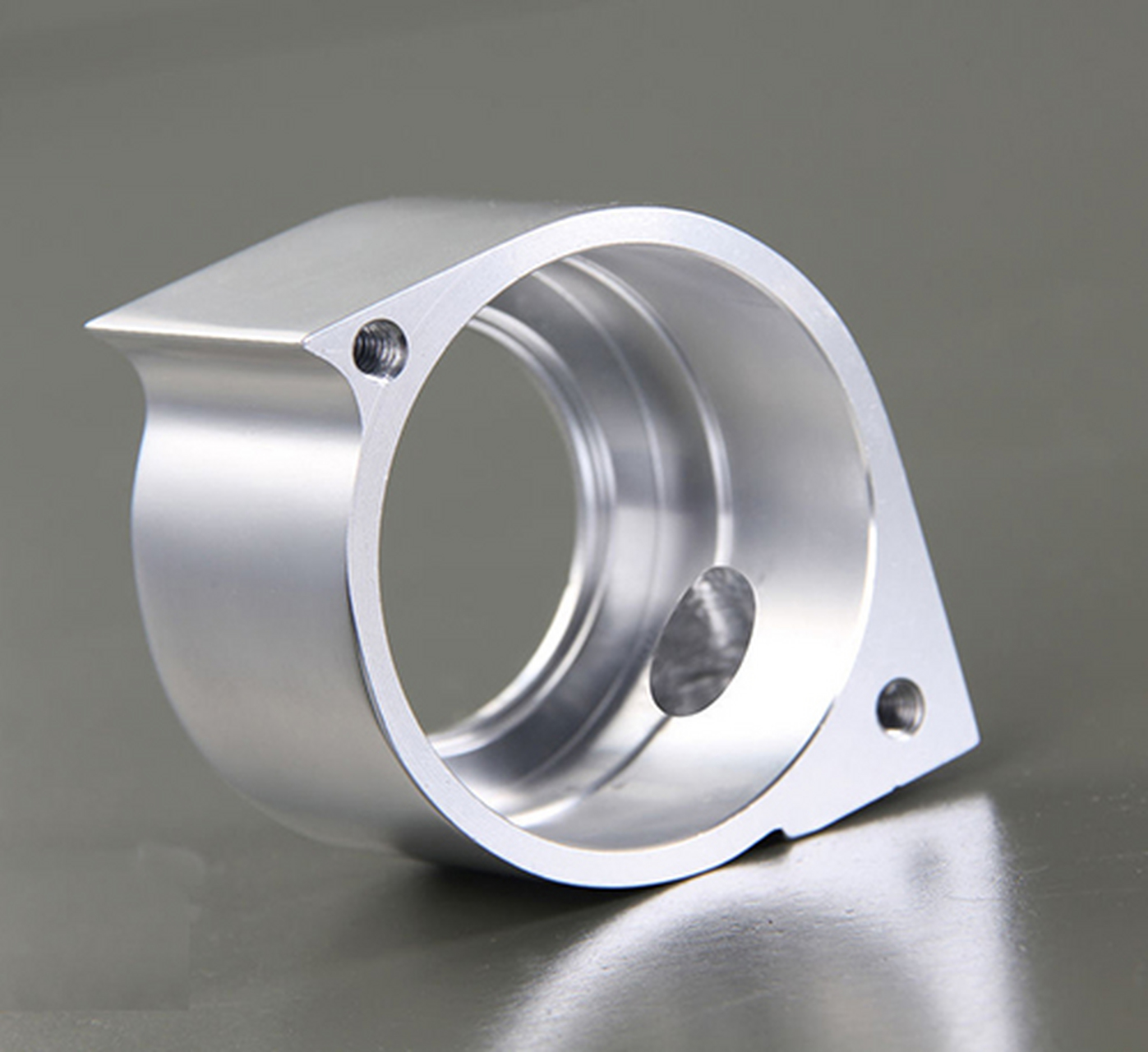
What the downsides of magnesium are
Four limitations matter. Corrosion resistance is poor compared with aluminium, so parts need a protective finish and assemblies need attention to galvanic contact with other metals, particularly steel and copper alloys. The material is flammable in fine chip and dust form, which places real requirements on chip handling, coolant use and housekeeping. Magnesium has limited availability in some forms and grades compared with aluminium. And its lower stiffness in absolute terms means a part often needs more section to reach the same rigidity, which erodes some of the weight advantage.
A fifth issue is specific to assemblies. Magnesium sits low in the galvanic series, so when it is bolted to steel or to copper-bearing metals and moisture is present, magnesium corrodes preferentially at the joint. Fastener selection, isolation washers and a coating strategy are therefore part of the design rather than an afterthought.
What precautions machining magnesium requires
Five practices define safe machining. Keep chips and dust from accumulating, since the hazard comes from fine material and from piles that can trap heat. Never use water-based coolant on the swarf after machining, because some chemistries react with magnesium to generate hydrogen. Use a cutting fluid intended for magnesium and keep the operation attended. Handle and store chips in covered metal containers away from ignition sources. And control the cutting parameters so that fine dust production is minimised, since the finer the particles, the greater the risk.
Two further points complete the picture. Grinding and abrasive operations produce the finest particles and carry the greatest risk, so they are usually avoided on magnesium or performed under specially controlled conditions. And fire suppression for magnesium is specific: water is not appropriate, and the correct extinguishing media should be identified before machining begins. The environmental and waste obligations that apply to the chips and fluids are set out by the US EPA.
Machining practice and tooling
Because magnesium cuts easily, the process rewards practices that avoid over-cutting rather than techniques for forcing the material. Sharp tooling with high rake angles, generous speeds and feeds, and adequate clearance for chip evacuation keep the operation clean and the finish good. The material’s low stiffness means thin sections can deflect, so support and minimal overhang matter as much as they do in aluminium.
One practical detail is specific to the material. Magnesium chips are light and tend to fly rather than fall, so chip capture at the machine is part of the safety plan rather than a housekeeping preference. And because the cut is easy, the main process control is preventing the accumulation of fine material rather than managing tool wear. Measurement practice for the finished part is described by the NIST Manufacturing Extension Partnership.
Designing a magnesium part
Four design decisions improve the outcome. Specify a protective finish, since bare magnesium is not suitable for most service environments. Allow generous section thickness, because the material’s lower stiffness means more section is often needed to match an aluminium part. Provide radii at internal corners, since notch sensitivity reduces fatigue performance. And design the assembly with galvanic isolation in mind, so a magnesium housing bolted to steel does not rely on paint alone for protection.
Two specification notes prevent confusion. State the alloy and temper, because magnesium alloys vary in corrosion behaviour and machine differently. And state the joint materials, since a supplier cannot advise on isolation without knowing what the magnesium will be fastened to. Material data is published by ASM International, coating and surface terminology follows ASTM Committee B08, and drawing conventions follow ASME standards. Process options and finishing routes are described under CNC machining and materials.
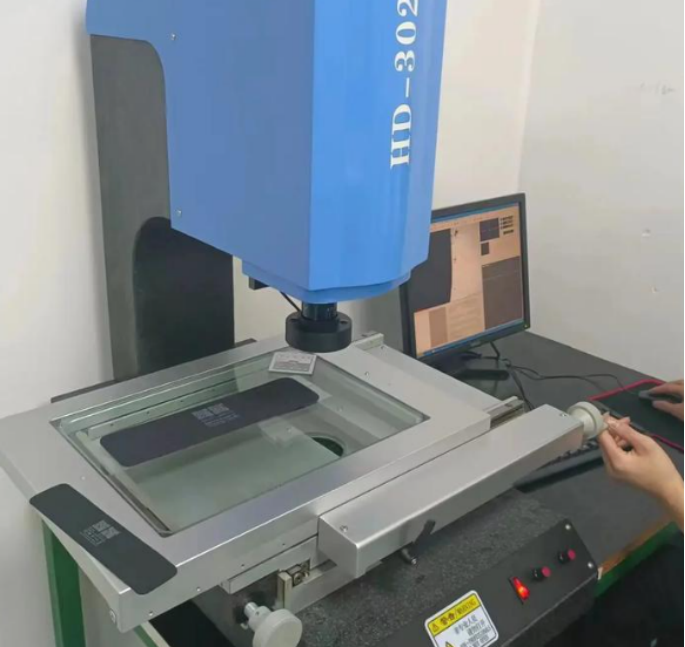
Send the part with the alloy and the joint materials, and request a magnesium machining quote with the finishing route stated.
FAQ
Why use magnesium instead of aluminum?
Weight, primarily: magnesium is roughly two-thirds the density of aluminium, which matters in handheld, moving or aerospace applications. It also machines faster with lower cutting forces and good vibration damping, though it needs a protective finish for most environments.
What are the downsides of magnesium?
Poor corrosion resistance compared with aluminium, flammability in fine chip and dust form, more limited availability of some grades, and lower absolute stiffness so more section may be needed. It also corrodes preferentially when fastened to steel or copper alloys.
What precautions does machining magnesium require?
Prevent chip and dust accumulation, avoid water-based coolant on swarf because of hydrogen generation, use a fluid intended for magnesium, store chips in covered metal containers away from ignition sources, minimise fine dust production, and know the correct extinguishing media in advance.