

A hypothetical 300 N tensile load distributed uniformly over a 30 mm² section gives 10 MPa of average stress. That arithmetic is only a starting point for an SLS vs MJF nylon comparison. Printed material, direction, notches, conditioning, surface, and load history determine whether a functional prototype can answer the actual design question.
Mechanical property expectations
Compare SLS vs MJF nylon prototypes by the exact material, process conditions, orientation, conditioning, finished surface, critical dimensions, and intended test. Use applicable data and representative components rather than a universal strength ranking. Separate a successful prototype experiment from proof of long-term performance or repeatable production capability under all operating and manufacturing conditions.
Start with the failure mode: yielding, fracture at a notch, fatigue, creep, impact, wear, or loss of fit. A room-temperature tensile result cannot settle all of these. Match the material data and specimen conditions to the question before choosing a manufacturing route.
EOS’s PA 2200 Top Quality process sheet identifies a specific process and orientation-dependent test entries. HP’s materials portfolio distinguishes MJF material options. Neither source is a blanket specification for any nylon print supplied under its process name.
Surface and dye options
Define whether the delivered part is cleaned and untreated, media-finished, dyed, coated, or otherwise processed. Texture, color, edge condition, and treatment coverage can influence both appearance and a functional interface. A black finish does not identify the underlying powder or printing process.
HP’s MJF handbook separates material, design, accuracy, mechanical, and post-processing topics. Review the relevant route for the chosen material and component. Do not assume an aesthetic improvement leaves every dimension or test condition unchanged.
For a sliding or sealing region, specify the actual surface requirement and method of acceptance. A generic smooth finish request can hide very different processes. If dye or smoothing is proposed after a successful trial, identify which dimensional and functional checks must be repeated on the final treated sample.
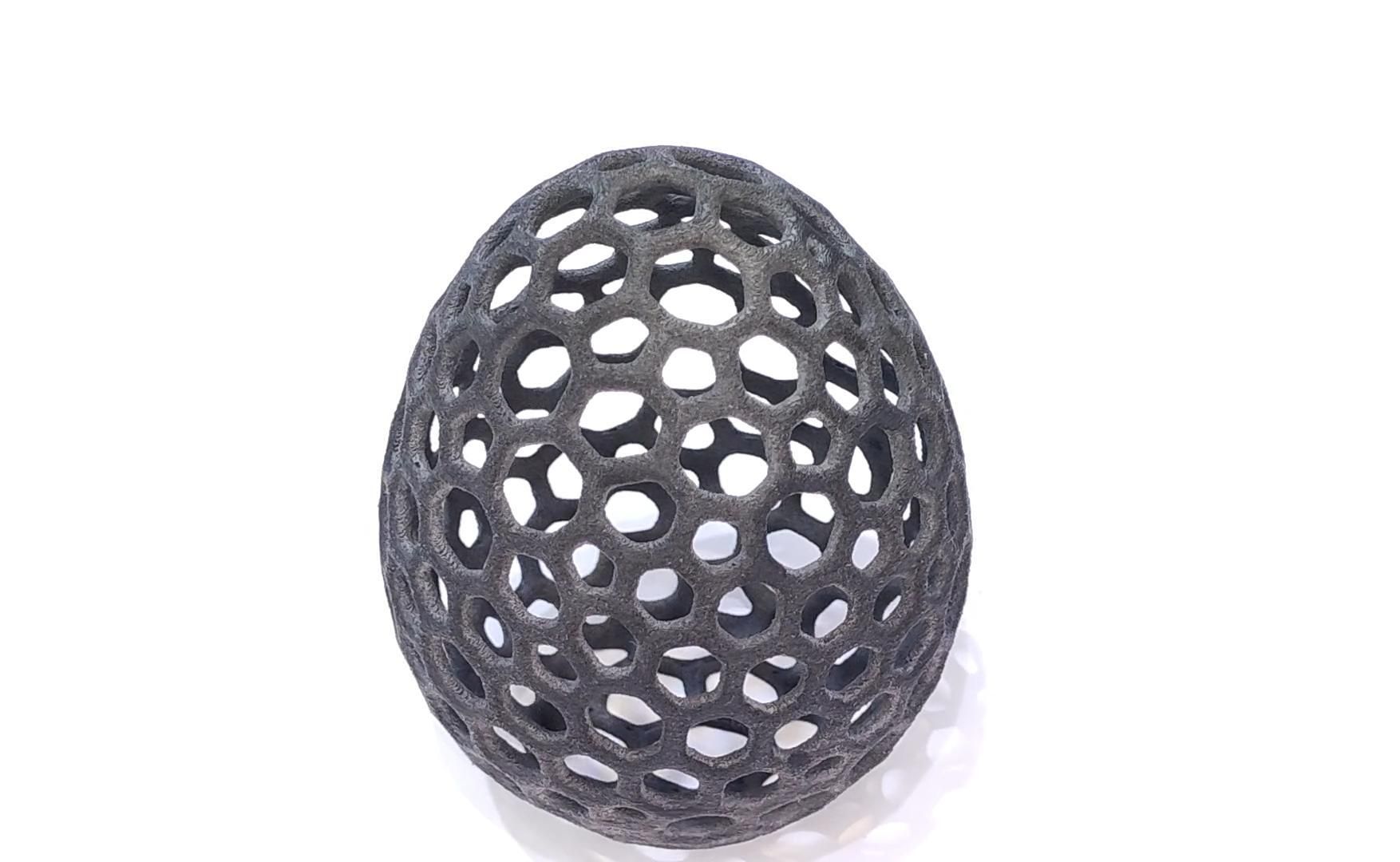
Table: selection by test type
Choose the route around the test, then define the controlled sample state. A useful comparison may require two representative parts with matching geometry and test conditions. It does not require assuming every characteristic of the routes will be equivalent.
| Test purpose | Material and route questions | Controls to preserve | Result does not alone prove |
|---|---|---|---|
| Assembly fit | Can critical dimensions be delivered and inspected? | Condition, finish, orientation and mating part | Mechanical durability |
| Static load | Are grade data and build directions relevant? | Geometry, support, loading and conditioning | Fatigue or creep life |
| Impact or snap operation | Does the material and surface represent the trial? | Feature detail, direction and loading event | Every environmental or repeated-cycle condition |
| Wear | What surface and counterface are used? | Load, speed, lubrication, temperature and finish | Other wear-pair performance |
| Repeat production | What part and build variation is controlled? | Material, process, sampling and inspection | Capability from a single passing sample |
In the opening example, average tensile stress is force divided by area: 300/30 = 10 N/mm² = 10 MPa. This hypothetical uniform-section calculation excludes stress concentrations, bending, direction-dependent behavior, and time effects. It is not an allowable load or a qualification result.
Dimensional notes
Review long spans, thin walls, holes, mating features, and the measurement condition separately. A process can reproduce a dimension consistently while its mean differs from the required nominal. Precision, accuracy, and acceptance are different questions.
Formlabs’ SLS accuracy study evaluates identified printer and Nylon 12 conditions across parts and builds. Use that scope when interpreting the results. It does not establish an identical tolerance for another machine, powder, build, or supplier.
Ensinger’s polymer guidance discusses moisture-related dimensional behavior in polyamides. Review applicable conditioning for the actual printed grade rather than copying stock-shape values into a powder-bed part allowance. Agree the state used for dimensional acceptance and for the functional trial.
FAQ
These questions address specification details that should be settled before sample approval.
Is MJF always stronger than SLS?
No. Compare the exact materials, printer and process conditions, build orientation, conditioning, test method, and finished geometry. Neither process label establishes a universal strength ranking or the performance of every printed component.
Does the same PA12 label make two prototypes equivalent?
No. Powder formulation, processing, orientation, conditioning, and post-processing can differ. Identify the complete supplied material and route, then decide which evidence must be repeated. A shared polymer-family name is not a complete material specification.
Related process selection notes
Ask the supplier to identify the proposed material, printer family where relevant to the evidence, orientation assumptions, cleaning, finish, and inspection. Include any restrictions on powder or process substitutions required by the project. A quote for nylon PA12 alone leaves the comparison incomplete.
Use the SLS review and MJF review to request matched scopes. Confirm offered capabilities and material availability instead of inferring them from a manufacturer handbook.
If a critical hole or surface needs secondary machining, include that work and inspect afterward. Preserve traceability between the delivered sample, material, finish, and test record. A successful result from one configuration should not silently qualify another route or treatment.
Internal links and next steps
Provide CAD, the controlled drawing, quantity, test purpose, material candidates, loading and exposure conditions, critical dimensions, mating parts, and desired surface. State what evidence is needed for sample acceptance and what remains with the product engineering team.
Coordinate the options through the 3D-printing review. Ask for limitations and proposed changes before ordering. Compare the complete delivered sample and relevant evidence rather than using a single data-sheet value to choose the process.
Request a 6CProto SLS-versus-MJF prototype review with the functional test and sample state defined. Approve the representative result and record the material and process assumptions that make the test meaningful.
FAQ
These questions address specification details that should be settled before sample approval.
Can a dyed nylon part use the same acceptance as an untreated sample?
Review the change. Dyeing or another finish can affect appearance, surface condition, dimensions, or the state in which the part is tested. Specify the final treatment and inspect or validate the representative delivered component rather than extending an untreated sample result automatically.
Can one passing prototype establish production repeatability?
No. It supports conclusions about that sample and its recorded condition. Repeatability requires evidence across the relevant parts, builds, or other sources of variation. Agree the required sampling and inspection scope rather than inferring process capability from one successful fit.