
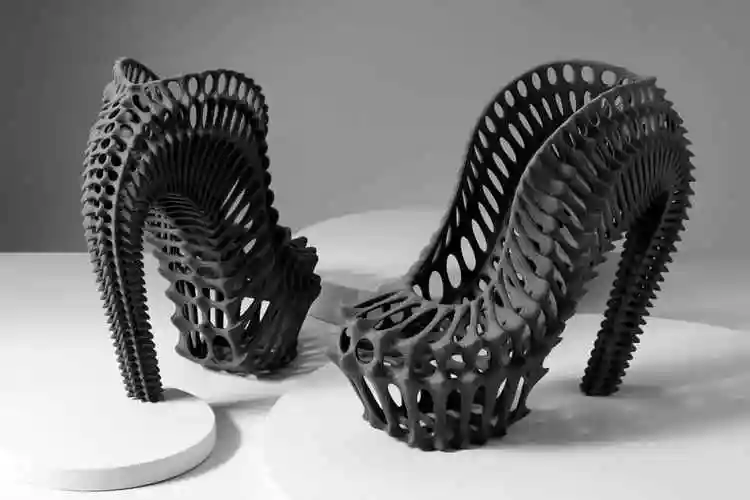





What Is SLS 3D Printing?
SLS (selective laser sintering) is a powder bed fusion process that uses a laser to fuse polymer powder layer by layer. Because the surrounding powder supports each layer during printing, SLS can produce complex geometries, internal channels, interlocking features, and nested parts without dedicated support structures.
Compared with SLA and FDM, SLS is typically selected when functional strength, geometric freedom, and consistent performance are more important than a naturally smooth cosmetic surface. After printing and controlled cooling, parts are excavated from the powder cake, depowdered, inspected, and optionally bead blasted, dyed, painted, polished, plated, or otherwise finished.
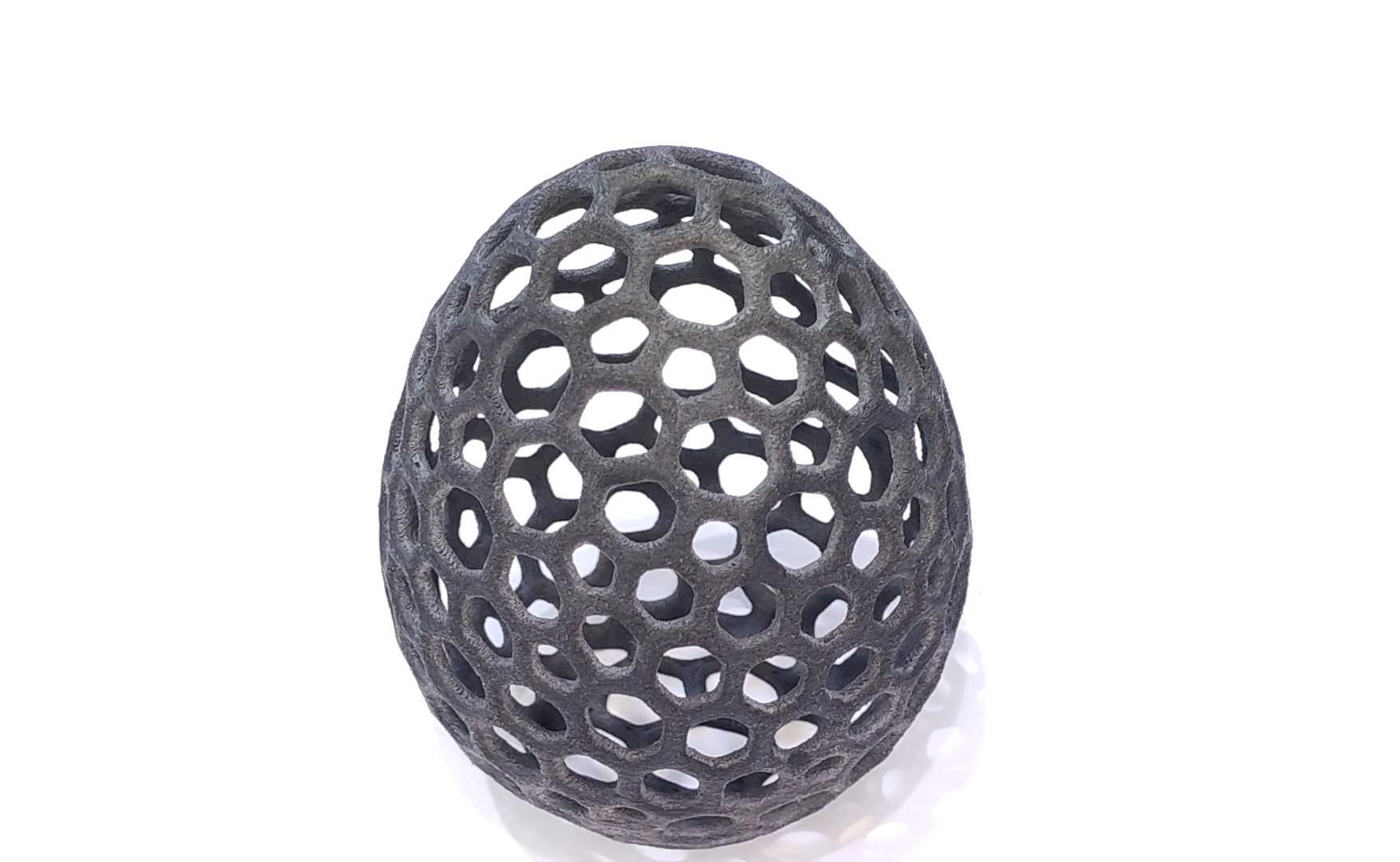
Explore SLS 3D Printing Services and Resources
Review SLS materials, dimensional capabilities, finishing options, design guidelines, applications, quality controls, and frequently asked questions to plan durable powder-bed printed parts with confidence.
How Our SLS 3D Printing Process Works
How Our SLS 3D Printing Process Works
From file upload to finished SLS polymer parts in four clear steps.
Why Choose 6CProto for SLS 3D Printing?
From durable functional prototypes to complex low-volume polymer parts, 6CProto combines industrial SLS printing, engineering support, flexible finishing options, and quality inspection to help move designs into real-world testing and production.
Quality Assurance for SLS 3D Printed Parts
Every SLS project is reviewed from file preparation through final inspection to help ensure dimensional accuracy, powder removal, surface quality, and consistent results.
Engineering Review Before Printing
Our engineers review part geometry, minimum wall thickness, powder escape paths, clearances, print orientation, dimensional tolerances, material selection, and finishing requirements before production begins.
In-Process and Final Inspection
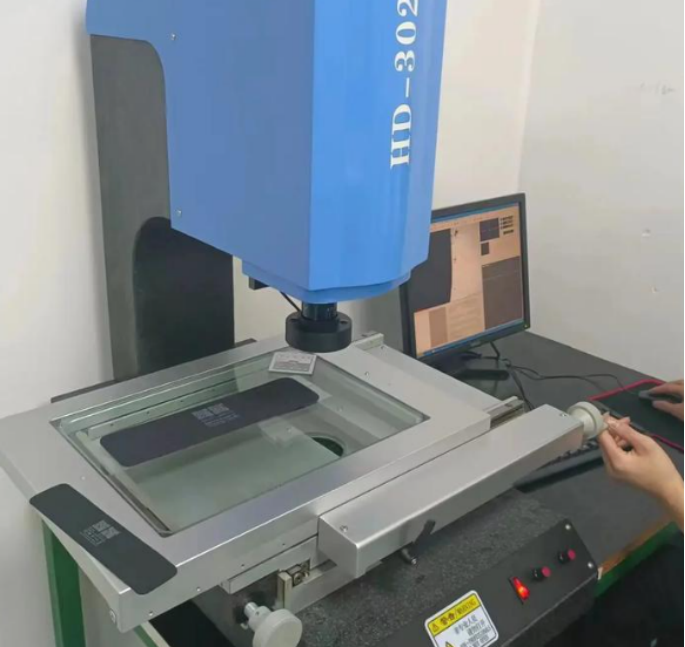
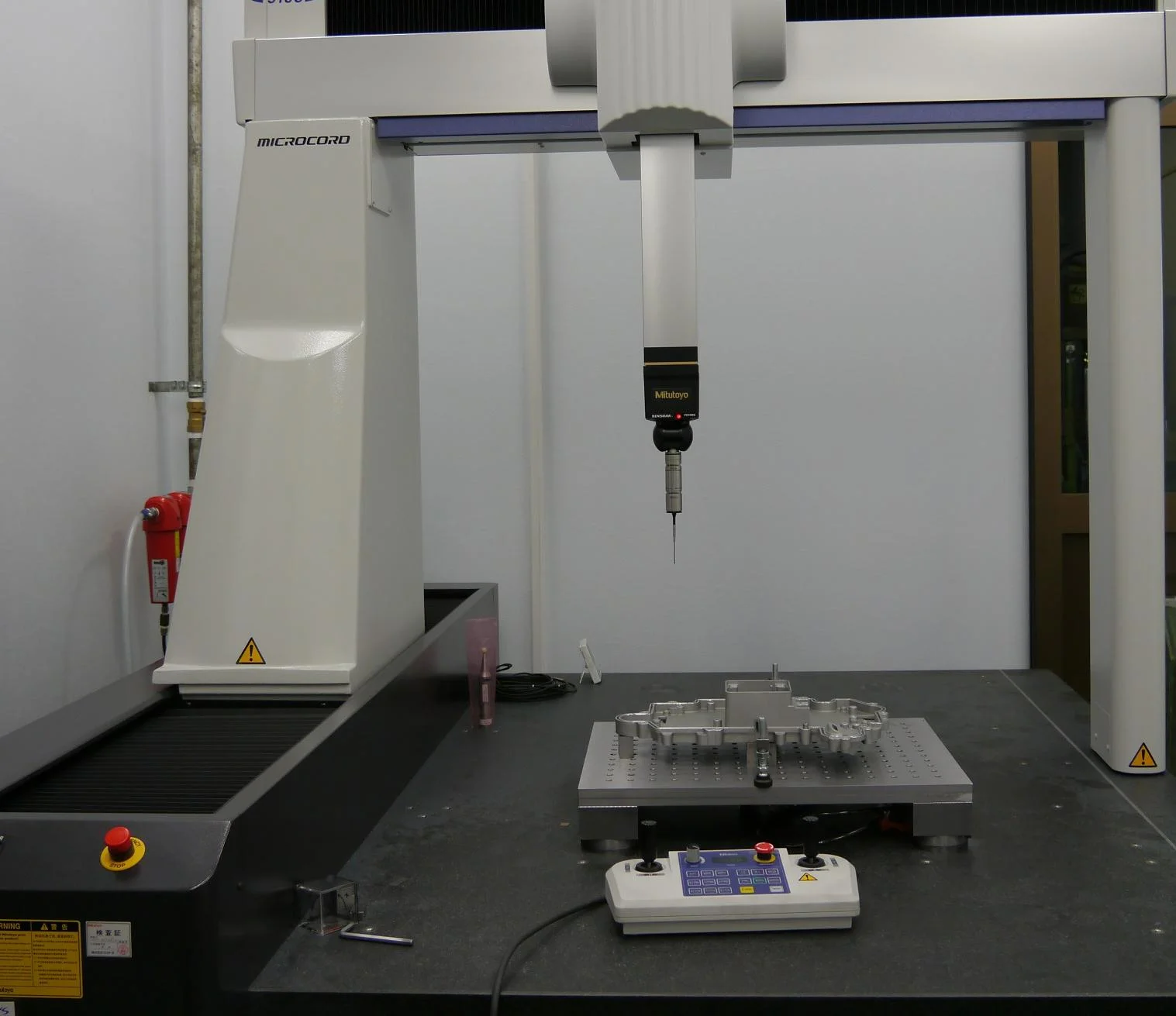
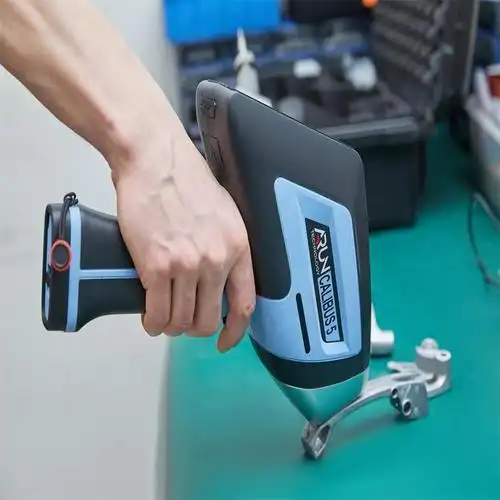
SLS parts receive visual inspection after controlled cooling, excavation, depowdering, and finishing. Critical dimensions can also be checked against approved drawings or specified project requirements.
Documented Quality Controls
- File and manufacturability review before production
- First-article inspection when required
- Visual and dimensional quality checks
- Final inspection before packaging and shipment
- ISO 9001:2015 quality management controls
SLS 3D Printing Materials
Choose from nylon and flexible or fiber-reinforced polymer powders for functional prototypes, lightweight structures, jigs, housings, and low-volume end-use parts. Material availability depends on the required strength, stiffness, flexibility, temperature performance, surface finish, and application.
SLS 3D Printing Capabilities
Review our standard SLS printing specifications for build size, wall thickness, layer resolution, tolerances, materials, lead time, and finishing. Final achievable specifications depend on part geometry, powder material, print orientation, dimensions, and surface requirements.
| Parameter | SLS Capability |
|---|---|
| Printing Process | SLS –Selective Laser Sintering |
| Available Materials | Nylon (PA), TPU, glass-filled nylon (PA-GF), and carbon-fiber-filled nylon (PA-CF) |
| Maximum Build Size | 550 × 550 × 850 mm |
| Minimum Wall Thickness | 0.7–.0 mm |
| Layer Thickness | 0.1–.12 mm |
| Design Tolerance | ±0.2 to ±0.3 mm |
| Standard Lead Time | Approximately 6 business days, depending on quantity, complexity, cooling, and finishing |
| Recommended File Formats | STEP, STP, STL, SLDPRT, IGES, IGS, and other common 3D CAD formats |
| Available Finishing | Depowdering, bead blasting, dyeing, polishing, painting, plating, and custom cosmetic finishes |
Note: Final tolerance, wall thickness, lead time, and finish depend on part size, geometry, material, quantity, and project requirements. Upload your CAD files for an engineering review.
SLS Surface Finishes and Post-Processing
Improve the appearance, color, and functionality of SLS printed parts with professional depowdering, bead blasting, dyeing, polishing, painting, plating, and custom cosmetic finishing.
Depowdering & Cleaning
After controlled cooling, parts are excavated from the powder cake and thoroughly cleaned to remove loose powder from surfaces, channels, holes, and cavities.
Bead Blasting
Bead blasting removes residual powder and evens the naturally grainy SLS surface to create a consistent matte appearance.
Dyeing
Dye penetrates the outer surface of suitable polymer parts to provide durable, uniform color with less dimensional buildup than paint.
Polishing
Mechanical polishing can reduce surface roughness and improve the feel and appearance of suitable SLS nylon parts.
Painting & Color Matching
Prepared parts can be painted to a specified color or Pantone reference when a branded or higher-cosmetic finish is required.
Plating & Custom Graphics
Plating, decals, logos, and other custom graphics may be applied when compatible with the selected material and project requirements.
Finish availability depends on the selected powder material, part geometry, surface condition, and project requirements.
Common Applications of SLS 3D Printing
SLS 3D printing is commonly selected for durable functional parts, complex support-free geometries, low-volume production, and engineering applications that need stronger polymer performance than appearance-focused resin printing.
Functional Prototypes
Produce durable housings, brackets, clips, covers, and assemblies for handling, fit, motion, and functional testing before committing to tooling.
Low-Volume End-Use Parts
Manufacture customized or bridge-production polymer parts without injection mold tooling, especially when geometry or demand changes frequently.
Internal Channels & Ducts
Create manifolds, airflow paths, ducts, and complex enclosed routes that are difficult to machine, provided loose powder can be fully removed.
Lightweight Structures
Build lattices, topology-optimized shapes, thin ribs, and consolidated assemblies to reduce weight while preserving required stiffness.
Jigs & Fixtures
Produce lightweight assembly aids, drill guides, inspection fixtures, grippers, and shop-floor tools quickly without machining complex stock.
Customized Housings
Create protective covers, electronics enclosures, cable guides, wearable components, and individualized products in small quantities.
Material, tolerance, finishing, and inspection requirements should be selected according to the intended application.
SLS Design Guidelines for Better Parts
Good SLS results begin with a powder-ready design. Use these guidelines to manage wall thickness, heat-related distortion, trapped powder, assembly clearances, and unnecessary post-processing.
Recommended Design Practices
- Maintain printable walls: Use a minimum wall thickness of approximately 0.7–.0 mm, depending on material, geometry, and part size.
- Add powder escape openings: Hollow parts and internal channels need accessible holes so loose powder can be removed after printing.
- Allow assembly clearance: Start with approximately 0.5 mm between mating or moving features, then adjust for size, material, and fit requirements.
- Use ribs and gradual transitions: Reinforce broad thin sections and avoid abrupt thickness changes that can promote heat-related distortion.
- Identify critical surfaces: Tell us which faces, holes, and interfaces are functional or cosmetic so orientation and finishing can be planned appropriately.
- Provide critical dimensions: Upload a 2D drawing when specific tolerances, fits, threads, or inspection points are required.
Common Design Issues to Avoid
- Fully enclosed cavities: Closed internal spaces trap unsintered powder and prevent complete cleaning.
- Extremely thin features: Delicate walls, pins, and edges may warp, chip, or break during depowdering and handling.
- Large flat areas: Broad, thin surfaces can curl or distort during thermal cycling and may need ribs, curvature, or added thickness.
- Zero-clearance assemblies: Interlocking and moving parts designed with no allowance may fuse together or bind after printing.
- Deep inaccessible channels: Long, narrow passages can retain powder when cleaning access and escape paths are insufficient.
- Unspecified cosmetic requirements: Clearly communicate required color, texture, visible surfaces, and acceptable natural SLS grain.
Need more guidance? Read our
common 3D printing design mistakes and solutions guide →
What Customers Say About 6CProto
SLS 3D Printing FAQs