

A steel part that needs strength is quoted in 4140 prehardened, while a neighbor part that must weld is made from 1018, and a third that needs deep hardness is 4340 — three steels, three heat treatments, and three different cost and performance profiles. Choosing a steel for a machined part is choosing the balance of strength, toughness, machinability, and heat treatment, and the alloy family is only half the story: the condition — as-rolled, prehardened, or heat-treated after machining — decides what the part actually delivers. The selection starts with what the part must do, not with a steel name.
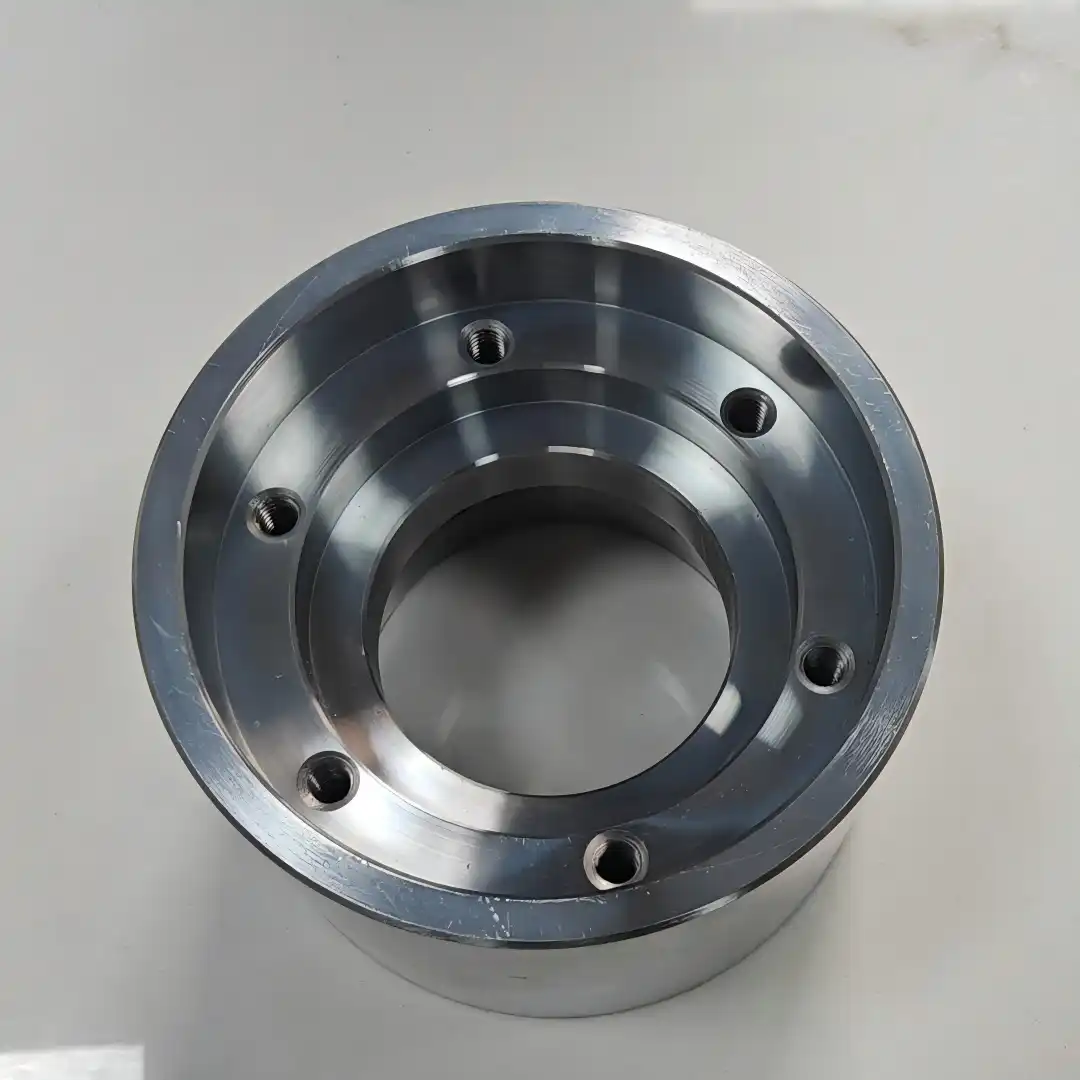
What the design really needs: strength, toughness, or machinability
The steel decision starts with the requirement. If the part carries a static load, the yield strength and the section decide the size; if it sees impact or shock, toughness matters more than peak strength; if it is a high-volume machined part with light loads, machinability and cost dominate; and if it wears, the surface hardness and the heat treatment are the drivers. The same nominal part can justify different steels under different requirements, and the specification should name the requirement before the alloy. The steel selection is a trade among strength, toughness, machinability, weldability, and cost, and the balance is set by the part’s real service.
The requirement also sets the condition: a prehardened steel delivers its strength without heat treatment, while an annealed steel is machined and then hardened to the final property.
1018 for weldable, low-cost parts
1018 is a low-carbon steel that machines well, welds readily, and costs little, which makes it the common choice for shafts, pins, brackets, and structural parts that do not need high strength. Its limitation is strength: 1018 in the as-rolled or cold-drawn condition carries moderate loads, and it cannot be hardened to the levels of the alloy steels. The steel earns its place where weldability, machinability, and cost matter more than strength — and where the part can be sized larger because the material is cheap. A 1018 part that needs more strength can be case-hardened or carburized for surface wear, but the core strength stays moderate. For the majority of light-to-moderate machined parts, 1018 is the economical default.
The cold-drawn condition improves the machinability and the surface, and the drawing should state the condition when the part’s tolerance or finish depends on it.
4140 prehardened for strength without heat treat
4140 is a chromium-molybdenum alloy steel that balances strength, toughness, and machinability, and it is commonly supplied prehardened for parts that need strength without a separate heat-treatment step. Prehardened 4140 machines well at its supply hardness, delivers useful strength directly, and is the practical choice for shafts, gears, tooling, and structural parts that need more than 1018 can offer. When the part needs its final hardness, 4140 is machined in the annealed condition and heat-treated afterward, with the distortion and the post-treatment machining planned. The prehardened route saves the heat-treatment cycle and its lead time; the annealed-plus-hardened route delivers higher hardness at the cost of the extra process. The choice follows the strength and the schedule.
4140’s weldability is limited compared with 1018, and welded joints need preheat and post-weld treatment to avoid cracking; the drawing should reflect the process when welding is involved.
4340 when through-hardening and toughness matter
4340 is a nickel-chromium-molybdenum steel with higher hardenability and toughness than 4140, allowing through-hardening in larger sections and better impact performance. It is the choice for highly loaded parts — crankshafts, landing-gear components, and heavy-duty shafts — where the strength and the toughness must survive deep in the section. 4340 is more expensive and harder to machine than 4140, and it is almost always machined in the annealed condition and heat-treated to the final hardness, with the post-treatment machining and inspection planned. The steel earns its cost where the load and the toughness demand it; for a moderate part that 4140 can serve, 4340 is an over-specification.
The heat treatment is the heart of the 4340 specification: the hardness, the temper, and the mechanical properties should be stated and verified by the certificate, because the steel’s value is delivered in the heat-treated condition.
Choosing, sourcing, and specifying heat treatment
The specification should name the alloy, the condition, and the heat treatment together: “4140 prehardened” or “4340 annealed, then harden and temper to a stated hardness range.” The sourcing follows the condition: prehardened bar is stocked in the common hardness ranges, while annealed material is machined and sent for heat treatment. The heat-treatment specification should state the hardness, the temper, and any mechanical requirement, and the certificate should confirm the result. The distortion from heat treatment should be planned: the critical features are often machined after hardening or allowed for before it, and the drawing should state which features are final after the treatment. The steel decision is complete when the alloy, the condition, and the heat treatment are all specified and verifiable.
The steel material page covers the family; this page is the machinability and alloy-selection decision. When the strength, the toughness, and the process are known, the steel choice is an engineering decision with a testable result.
Verifying the steel and its heat treatment
The steel specification is verified by the certificate and the test records. The material certificate confirms the alloy and the lot; the hardness or mechanical test confirms the condition; and the heat-treatment certificate confirms the final hardness and the temper when the part is treated after machining. The verification should match the drawing: a part specified as 4140 prehardened is confirmed by the supply hardness, and a 4340 part specified for hardening is confirmed by the post-treatment test. The inspection should also verify the machined result — the features that the heat treatment could move are measured after the treatment, and the drawing states which features are final after it. A steel part whose material and heat treatment are verified is a part whose performance is evidence-based; one that ships on the alloy name alone carries the risk into service.
The verification also covers the process stability across the lot. A batch of bar that varies in hardness machines differently and can fail the tolerance or the heat-treatment result, so the supplier should confirm the material consistency and the shop should monitor the machining behavior. The heat-treatment process should be qualified on the part geometry, because the distortion and the hardness distribution depend on the section and the quench. When the material, the condition, and the heat treatment are verified and controlled, the steel part is specified with evidence — and the strength that the design assumed is the strength the part delivers.
The steel selection should also be reviewed against the part’s environment and its failure risk. A part that sees corrosion needs the coating or the alloy consideration that the strength selection alone misses; a part that sees fatigue needs the surface and the notch behavior that the yield strength does not capture; and a part that welds needs the weldable grade or the process plan. The material decision is part of the system design, and the drawing should state the environment and the critical failure mode with the alloy. The supplier review should confirm the material’s availability in the required form and condition, because a steel that is ideal on paper but unavailable in the bar size delays the program. When the load, the environment, and the supply are all in the decision, the steel choice is the one the part can live with.
The steel review should also cover the machining cost, because the alloy and its condition set the tool life and the cycle. 1018 machines quickly; prehardened 4140 machines slower and wears tools more; and annealed 4340 that will be hardened adds the heat-treatment step and the post-treatment machining. The comparison should include the machining and the heat treatment, not just the material price, because a steel that is cheaper per kilogram can be more expensive per part. The quote exercise that compares the same part in the candidate steels and conditions is the evidence for the selection. When the part cost and the lead time are part of the decision, the steel is chosen for the program, not for the material table.
Keep the steel decision and the certificates with the part, so the material story is traceable from the design to the delivery. The record shows why the alloy was chosen, what condition was specified, and what the heat treatment delivered, and it is the reference for the next revision and the supplier review. A steel part that carries its material record is a part whose performance claim is documented — and the documentation is what makes the engineering decision defensible when the part is reviewed or audited.
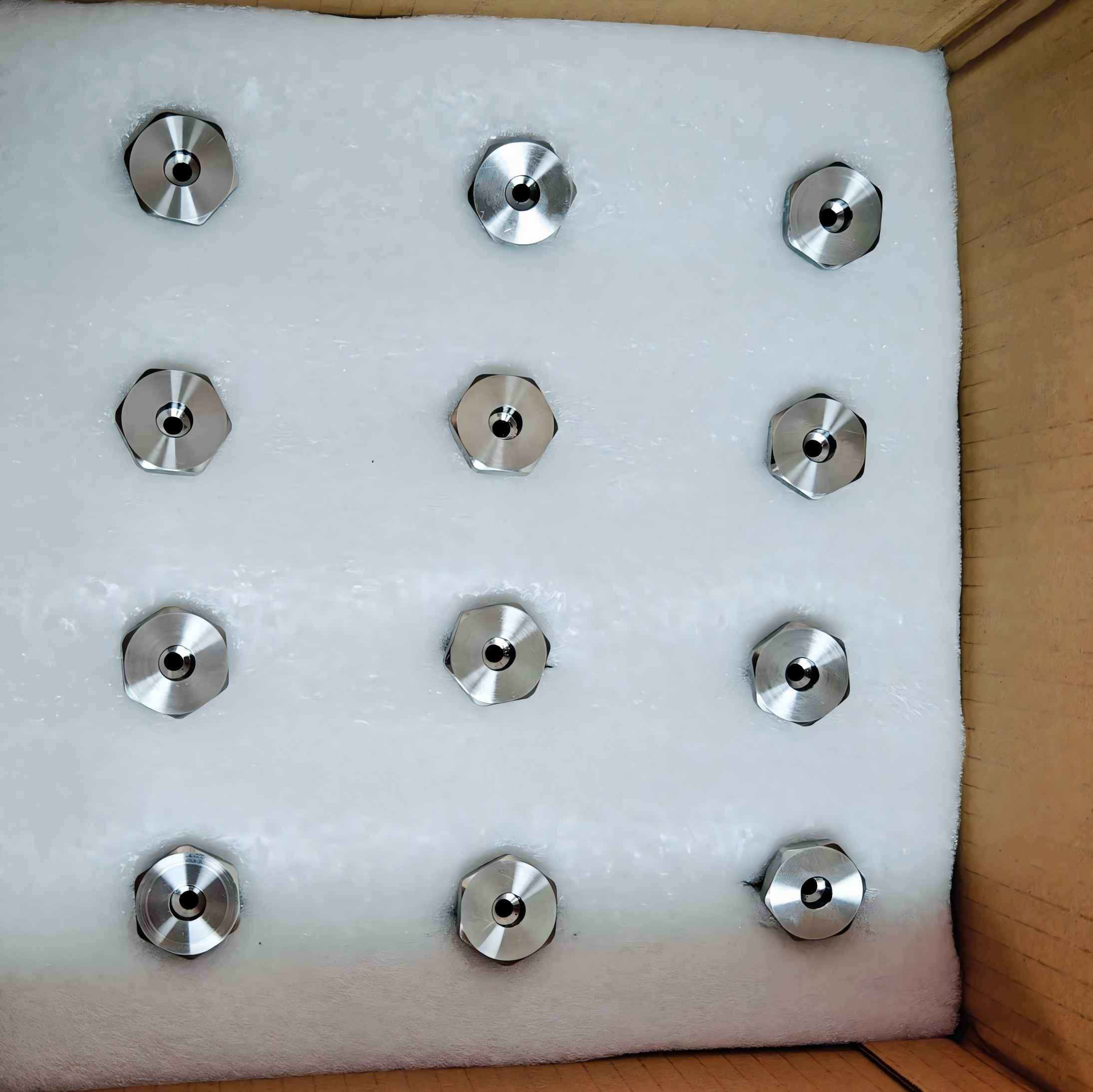
If you are selecting a steel for a machined part and want the alloy, condition, and heat-treatment plan reviewed, the 6CProto CNC team can work from your load and process to the material and the specification.