Precision CNC Machining, Rapid prototyping, and Custom parts

Brass 1

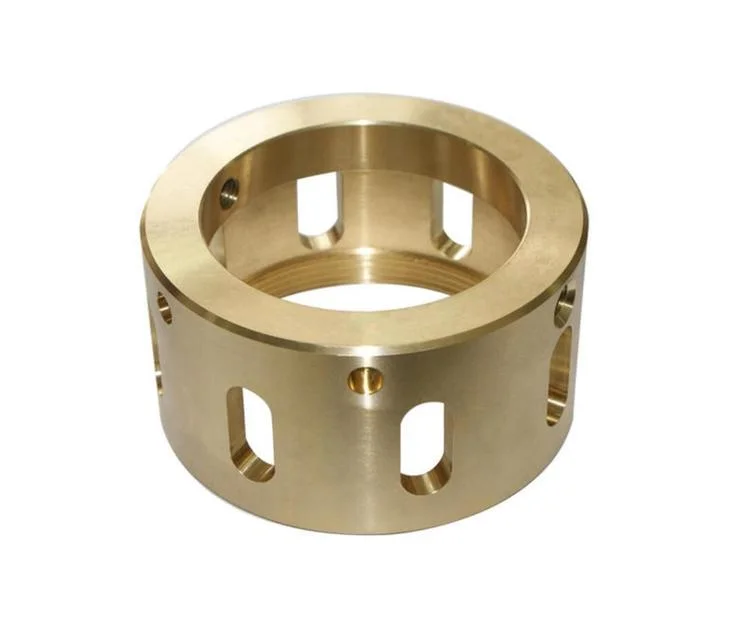
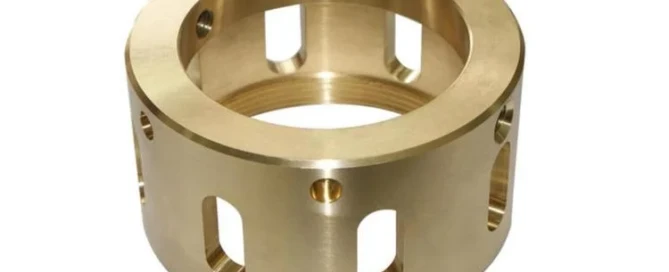
Brass Material & Brass Alloys Explore 6CProto’s brass materials—offering excellent machinability, corrosion resistance, and attractive appearance. Ideal for hardware, plumbing, decorative, electrical, and industrial applications. Brass is an alloy composed of copper and zinc, with a golden color and excellent weather and corrosion resistance. Its tensile strength is comparable to that of mild steel.
By |2026-06-10T22:58:50+08:00June 10th, 2026|

Bronze

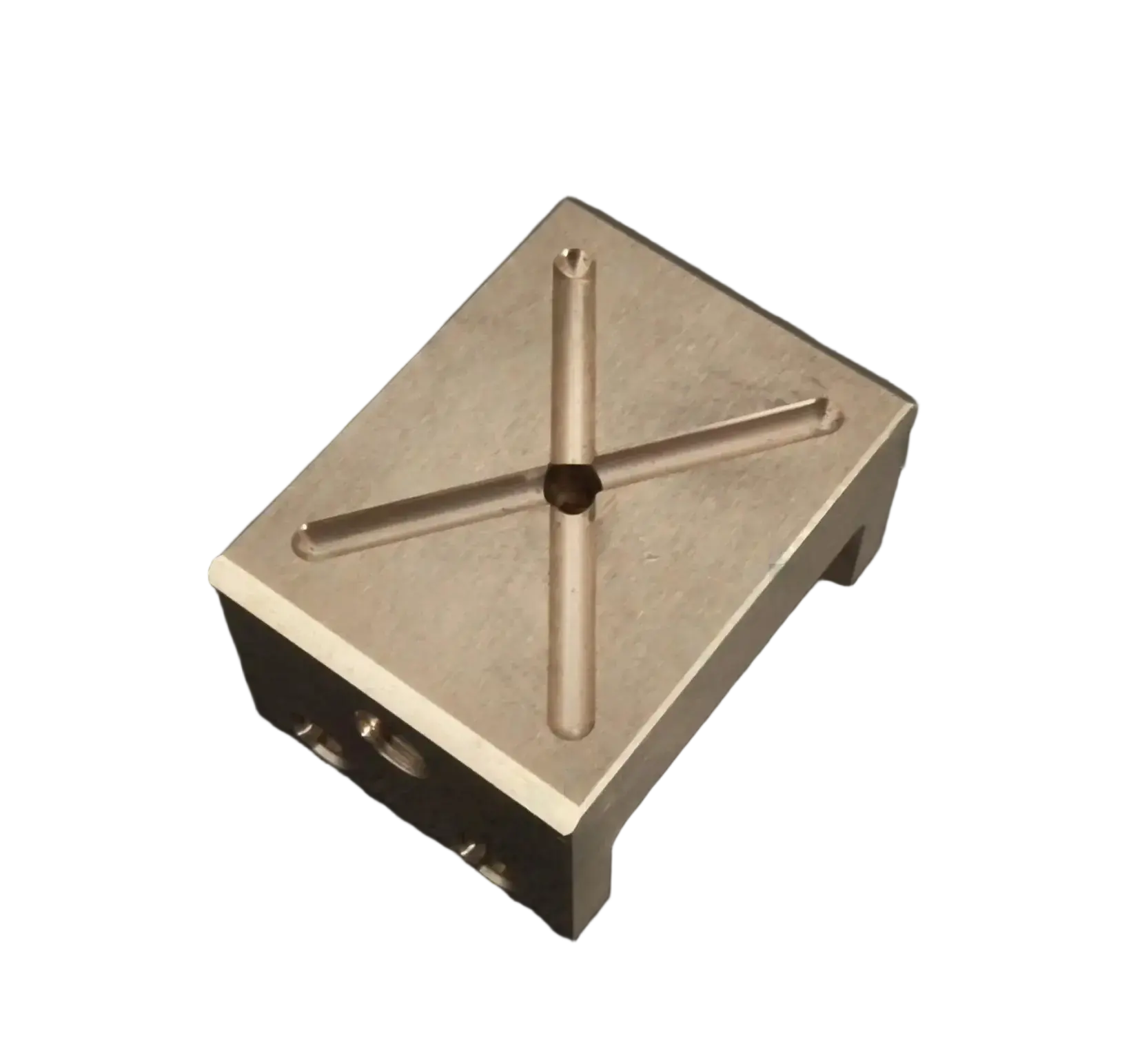
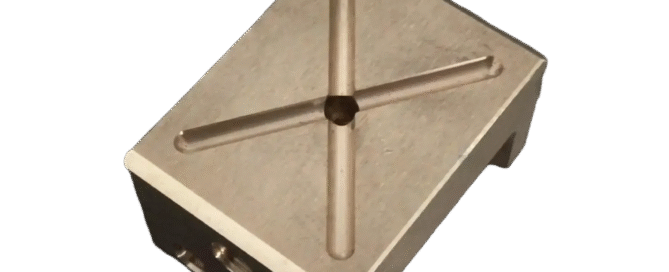
Bronze Material & Copper-tin Alloy Bronze, a carefully crafted alloy of copper and tin, is renowned for its exceptional durability and outstanding resistance to corrosion. Its unique combination of hardness and malleability makes it particularly well-suited for manufacturing intricate and heavy-duty components, ranging from machinery parts to artistic sculptures. Beyond its structural strength, bronze exhibits

By |2025-12-22T10:18:22+08:00November 11th, 2025|

PC+ABS

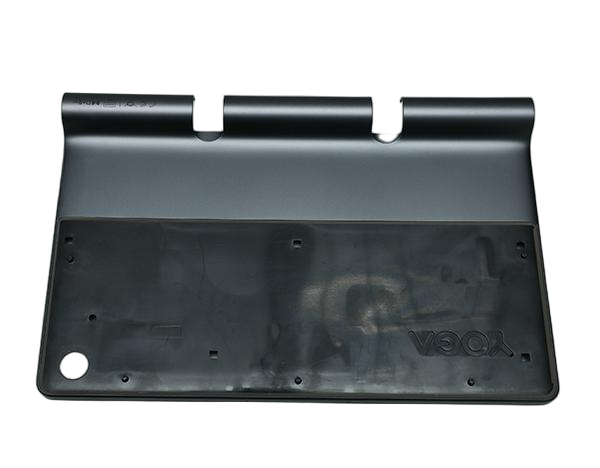
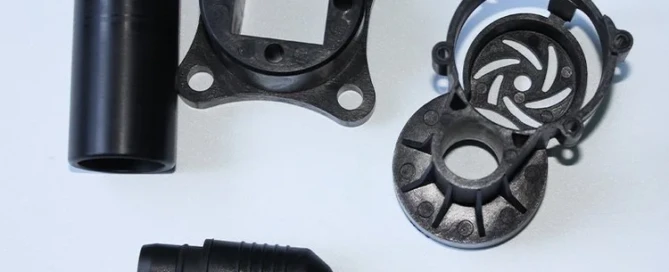
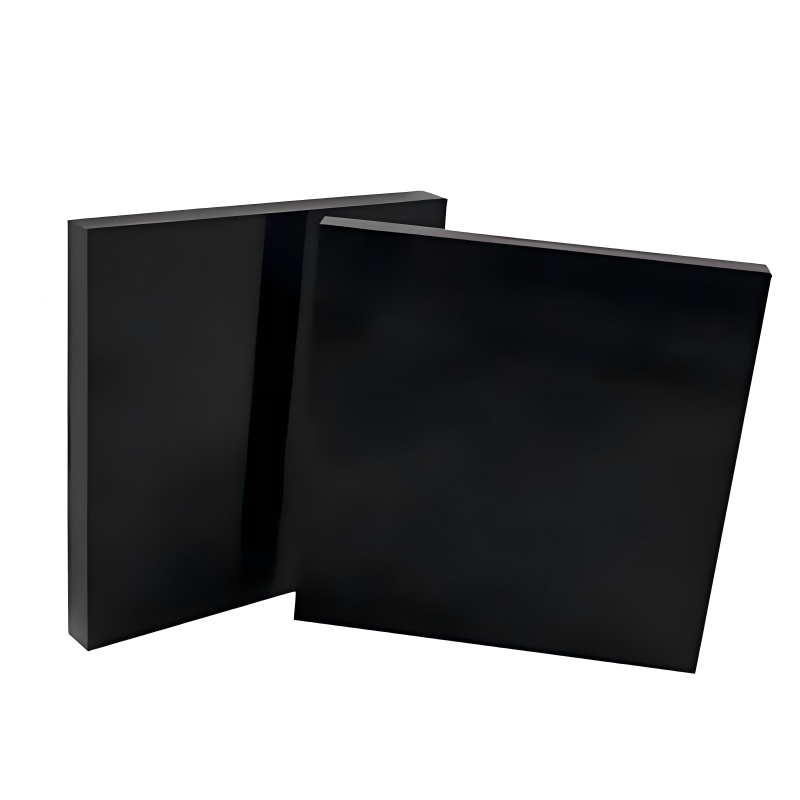
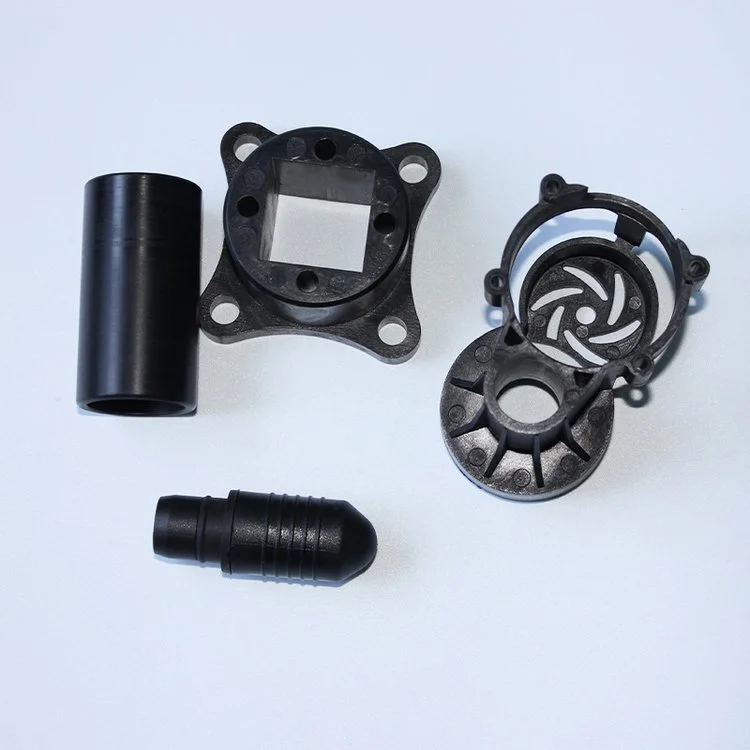
PC/ABS (Polycarbonate‑ABS Blend) Plastic Material PC+ABS is a blend-modified material that combines the advantages of both materials. It not only inherits the high impact resistance of PC but also the material strength of ABS, while improving its heat resistance. It is often used in electronic product casings, automotive interiors, consumer products, and more.

By |2025-12-22T09:36:11+08:00September 27th, 2025|

CPVC

CPVC (Chlorinated Polyvinyl Chloride) Plastic Material CPVC (Chlorinated Polyvinyl Chloride) is a modified form of PVC, with enhanced thermal stability, mechanical properties, and chemical resistance. These upgraded characteristics make CPVC an excellent choice for applications in high-temperature and corrosive environments where ordinary PVC would fail.

By |2026-06-08T14:56:27+08:00September 27th, 2025|

PC+GF

PC+GF(Glass‑Fiber Reinforced Polycarbonate) Material PC+GF (polycarbonate + glass fiber reinforced composite material) is a reinforced engineering plastic made by adding glass fiber (abbreviated as GF) to a polycarbonate (PC) matrix. The addition of glass fiber can significantly improve the mechanical properties and stability of pure PC while retaining some of PC's excellent inherent properties, making

By |2025-12-22T09:36:40+08:00September 27th, 2025|

PEI

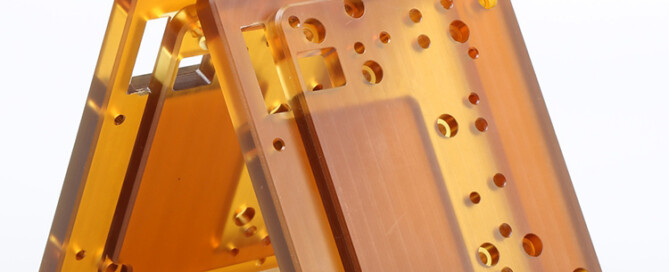
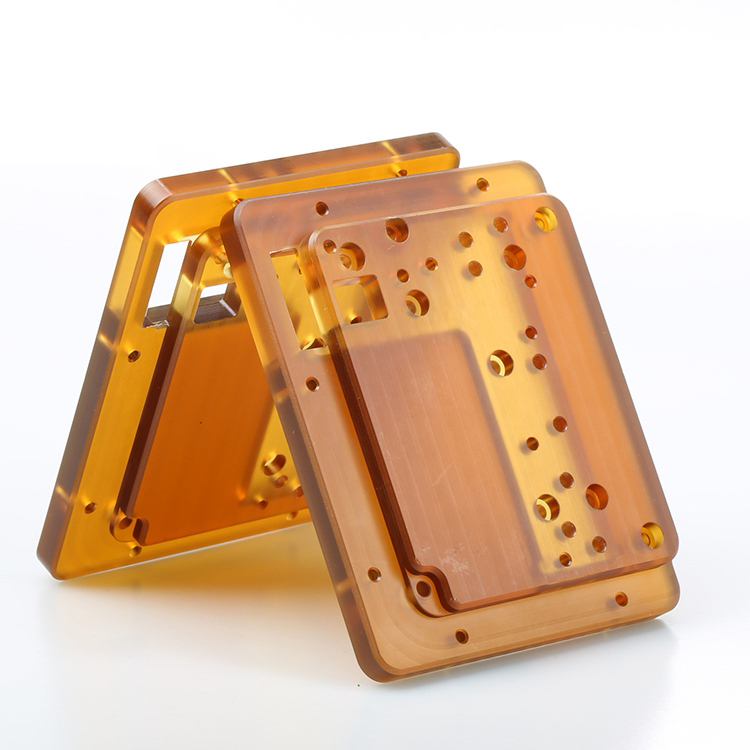
PEI (Polyetherimide) Engineering Material PEI (polyetherimide) is a high-performance thermoplastic known for excellent heat resistance, mechanical strength, and chemical stability. It is widely used in demanding applications across aerospace, electronics, medical, and industrial fields.

By |2025-12-22T09:37:29+08:00September 27th, 2025|

PTFE

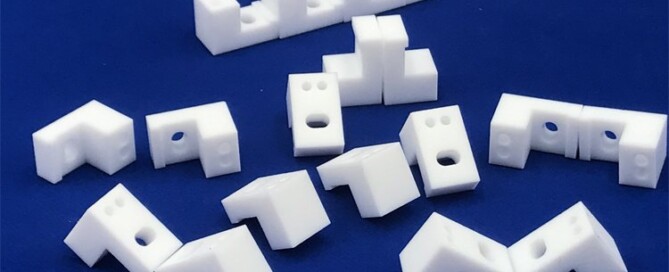
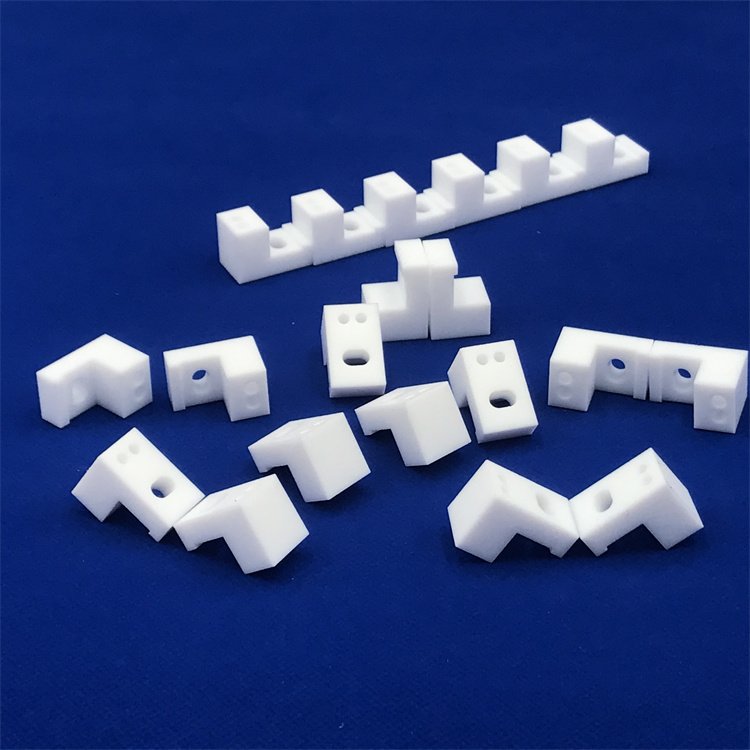
PTFE Polytetrafluoroethylene (PTFE), commonly known as Teflon, is a high-performance fluoropolymer. It is frequently used in mechanical components requiring reduced friction and wear—such as bearings, gears, and piston rings—due to its non-stick properties, low friction characteristics, and self-lubricating capabilities. PTFE also exhibits excellent electrical insulation properties, making it highly suitable for applications like high-frequency cables,

By |2025-12-22T09:55:00+08:00September 27th, 2025|

LDPE

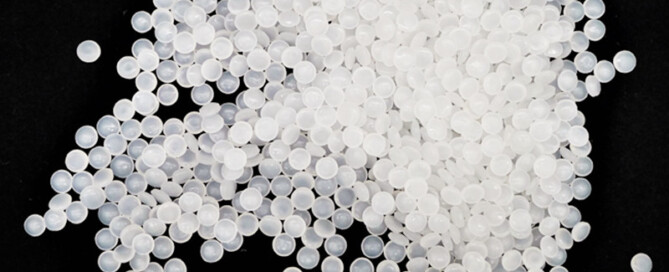
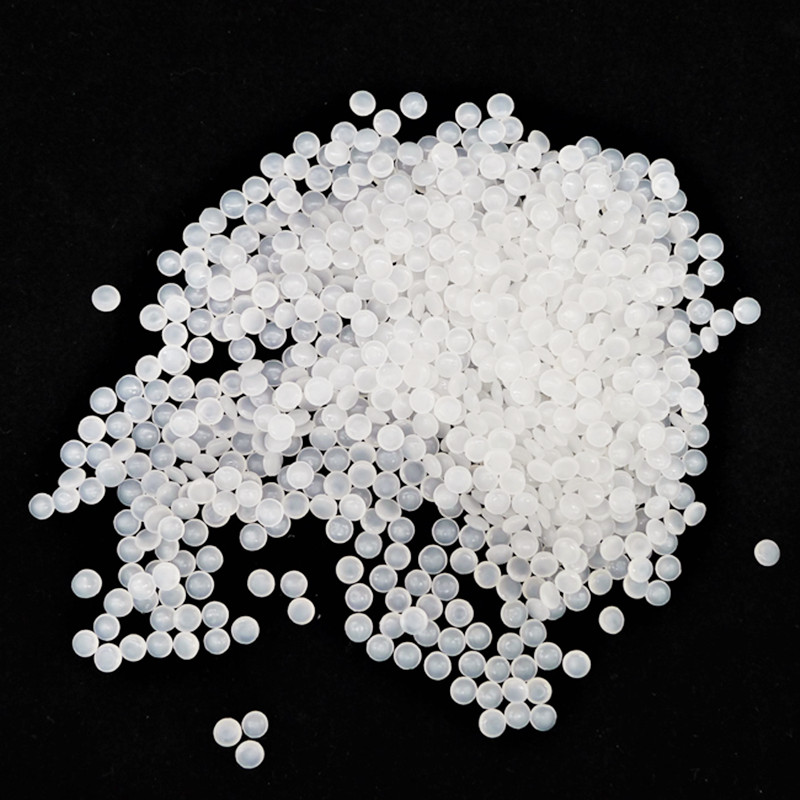
LDPE Low-Density Polyethylene (LDPE) is lighter than water, soft and tough, with excellent acid and alkali resistance as well as electrical insulation properties. It is widely used in fields such as packaging, agriculture, electronics, and daily necessities.

By |2025-12-22T09:33:05+08:00September 27th, 2025|

PP

PP (Polypropylene) Engineering Material Polypropylene (PP) is a well-balanced thermoplastic characterized by lightweight material, excellent chemical resistance, and good flexibility. Owing to these properties, it finds wide application in fields such as packaging, household appliances, automotive, daily necessities, and medical devices.

By |2025-12-22T09:54:41+08:00September 27th, 2025|

PET

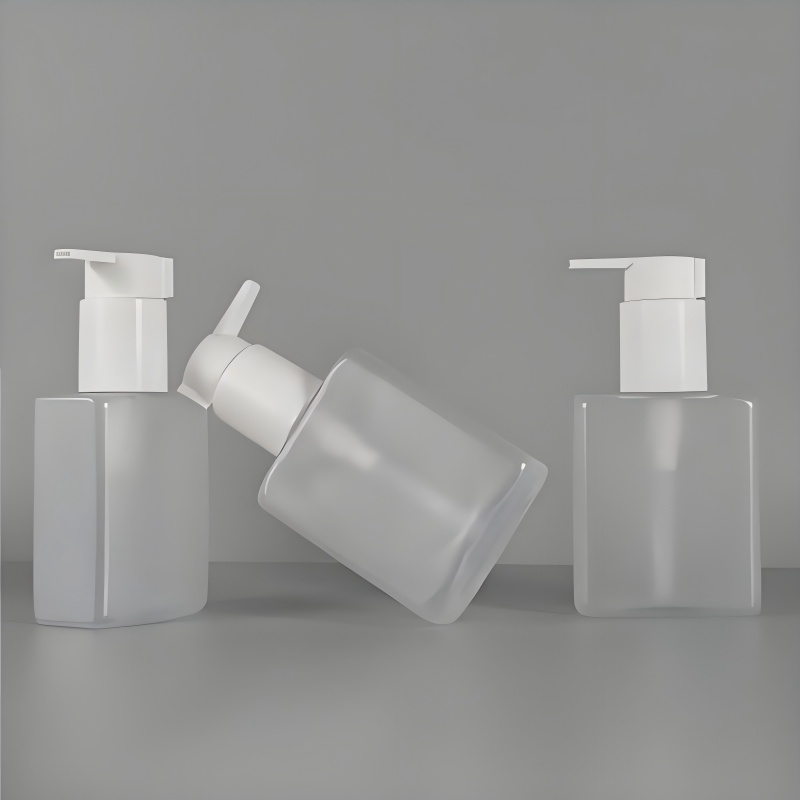
PET PET (polyethylene terephthalate) is a common thermoplastic polyester with excellent mechanical properties and strong chemical resistance. It also offers glass-like transparency and luster, with a high light transmittance of about 88–92%, and is widely used in beverage bottles, food packaging, and engineering plastics.

By |2025-12-22T09:37:51+08:00September 27th, 2025|
Go to Top