

A bench test can produce a precise force curve while answering the wrong question. If a fixture overconstrains the specimen, shifts the load line, or contacts a feature that would be free in use, the measured response belongs partly to the test hardware. Manufacturing that hardware accurately does not, by itself, make the experiment representative.
For medical prototype nonclinical test fixtures, the first procurement decision is the boundary between the device or test article and the hardware that holds, loads, or measures it. That boundary determines material selection, cleaning instructions, dimensional controls, and the claims that can follow from a test. This discussion concerns nonclinical engineering fixtures; it does not authorize patient contact or clinical use.
Define what the fixture must reproduce and what it must deliberately exclude. A rigid clamp may be suitable for comparing two designs under a controlled load, yet unsuitable for a test intended to reproduce a compliant interface. Specify the test purpose before choosing the fixture’s manufacturing process.
The rapid-prototyping service can support fabrication discussions, while the device developer retains responsibility for the protocol, regulatory strategy, and interpretation of the resulting evidence.
What must medical prototype nonclinical test fixtures distinguish?
Separate the test article from its supporting hardware.
Identify every contact, constraint, load and measurement interface, then state whether each represents intended use, provides experimental control, or exists only to support the bench setup safely.
Give the specimen, fixture, adapters, sensors, and software their own identifiers. Mark which drawing controls each interface and which components may be replaced without changing the test configuration. A fixture that becomes inseparable from the test article during loading needs a particularly clear description of its role.
The FDA’s nonclinical bench-performance guidance addresses information supporting applicable premarket submissions. It does not certify a fixture, approve a manufacturing supplier, or substitute for a device-specific test rationale. Use its reporting framework to make the setup and methods understandable.
In the scope of work, explicitly exclude any patient-contact or clinical function that has not been established. Labels such as “medical grade” cannot replace a specified material, intended use, or documented evaluation. A shop drawing should describe the fixture’s actual engineering duty without importing unverified regulatory claims.
Materials and cleaning boundary
Select fixture material for its role in the experiment. Stiffness, wear, chemical exposure, temperature, optical access, and particle shedding may matter, but they do not all carry equal weight in every bench setup. A transparent observation cover and a load-bearing grip should not inherit the same material requirement automatically.
Define the cleaning agent, method, frequency, and any drying or conditioning step that can affect measurement. Residue can change friction or contaminate a specimen surface; absorbed moisture can change dimensions or polymer response. Ensinger’s technical plastics FAQ discusses moisture, thermal expansion, and machining-related material behavior, supporting a grade-specific review rather than a generic plastics assumption.
Separate cleanliness for reliable measurement from biocompatibility or sterilization claims. A fixture used outside the device may still transfer residue into an interface, but evaluating that risk is different from qualifying it for patient contact.
For reusable fixtures, identify surfaces that may be refinished or replaced and explain how their condition is checked. A polished contact pad that wears into a new shape can alter the test even when the rest of the fixture remains dimensionally stable.
Repeatability and measurement access
A fixture should support both the intended load path and the measurements needed to verify it. Provide access to alignment references, contact surfaces, displacement targets, and critical fasteners after assembly. A datum hidden behind a permanent clamp cannot help the operator confirm the loaded configuration.
Distinguish instrument resolution from repeatability of the complete setup. Releasing and reclamping a specimen can change its position, contact pressure, or effective gauge length. NIST’s measurement-variability discussion explains why short-term repeat readings and variation over time are separate concerns.
Use a setup check that is sensitive to the suspected error. If grip angularity changes bending in an axial test, a force zero check alone is weak evidence; verify alignment under a defined setup condition. Keep sensor placement and fixture compliance in the test record.
When an assembly is made through low-volume manufacturing, identify interchangeable adapters individually. A replacement adapter should be checked against the same functional references before it is mixed into an ongoing test series.
Document intended use without certification assumptions
Write the fixture’s intended use as an engineering statement: the specimen it accepts, load direction, operating environment, measurement interfaces, and prohibited uses. Avoid broad labels that suggest the hardware is a medical device or approved for clinical operation merely because it supports medical product development.
The protocol owner should determine whether the fixture introduces a test artifact and whether the method is appropriate for the submission or development decision. The manufacturer supplies the specified hardware and agreed inspection evidence; it cannot establish the suitability of an undocumented protocol through a dimensional certificate.
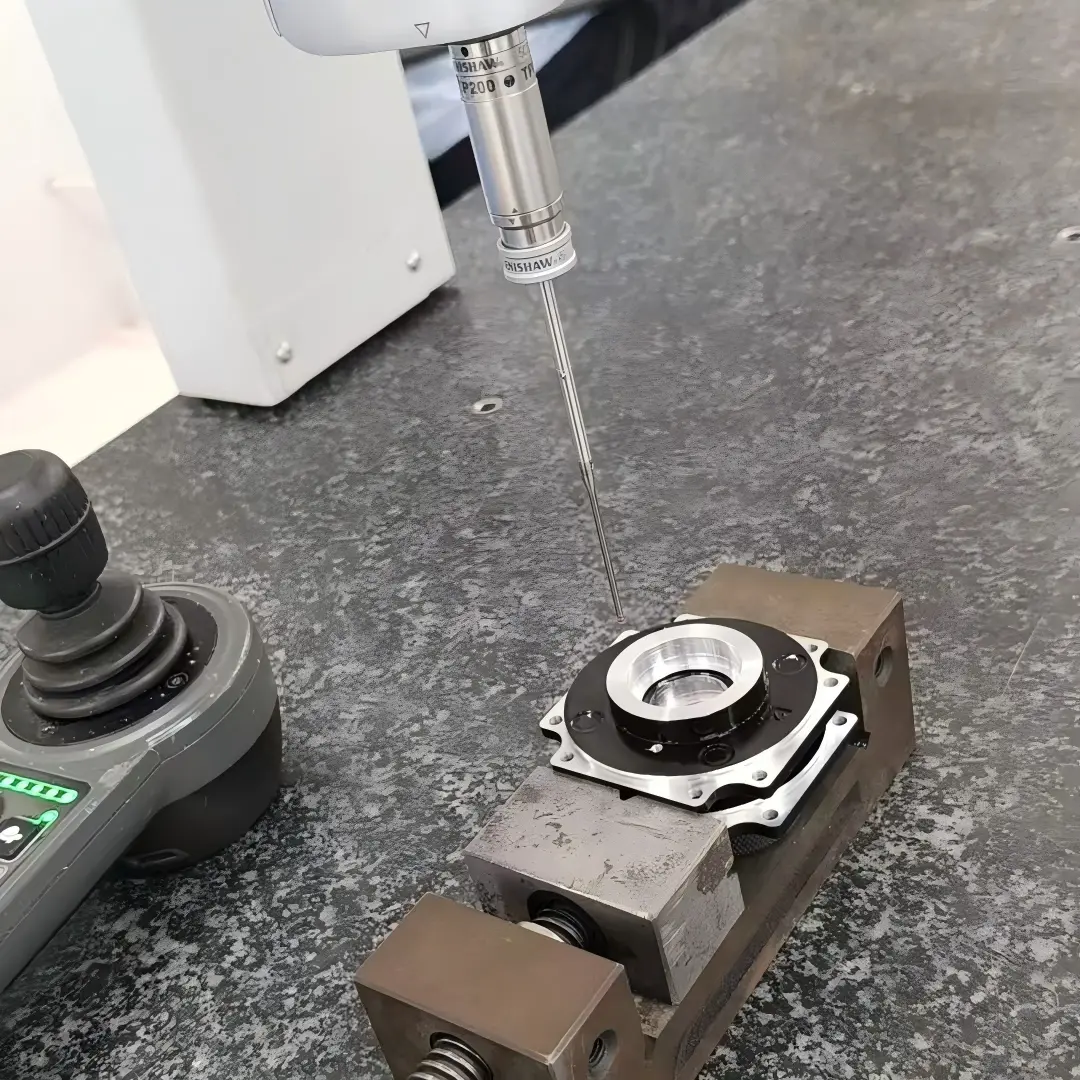
Use controlled drawings for contact geometry and datum relationships. The ASME dimensioning-and-tolerancing framework can define geometric requirements, but citing its title does not establish complete conformity of the fixture or the test.
Include handling and operating constraints that affect results, such as permitted clamping locations or replaceable contact inserts. Keep these instructions with the fixture identifier. A warning in a design review slide is ineffective once the hardware moves to a different laboratory or operator.
Decision-gate and evidence matrix
The evidence needed before machining differs from that needed before a reported bench result. Separate design review, fixture acceptance, setup verification, and test interpretation. This prevents a completed inspection report from being used as evidence for a question it never evaluated.
Assign each gate to a named role in the project. The table describes responsibilities and evidence categories, not regulatory approval steps or a universal medical-device qualification procedure.
| Gate | Question | Useful evidence | Decision boundary |
|---|---|---|---|
| Fixture design | Does the load path match the protocol? | Interface drawing and constraint review | Test-method owner |
| Fabrication acceptance | Does hardware meet its definition? | Material identity and geometric results | Fixture specification |
| Setup release | Are alignment and sensors appropriate? | Setup checks and instrument records | Documented configuration |
| Result interpretation | What does the test establish? | Protocol, data and deviations | Device-specific rationale |
NIST’s uncertainty-analysis guidance supports considering the quality of a measurement result. For a fixture, the relevant contributors can include alignment, compliance, contact repeatability, and signal processing, rather than only the calibration uncertainty printed on a sensor certificate.
Worked fixture scope example
Assume an illustrative development team needs to compare the pull response of two connector prototypes. A fixture holds the connector body and applies axial displacement through an adapter. These assumptions describe a nonclinical bench comparison, not a validated device test or a customer project.
Specify which housing surfaces may be clamped and which must remain free. Define the adapter’s axial reference, allowed rotation, and access for observing slip. If the fixture grips a flexible region, the comparison may be dominated by constraint stiffness rather than the connector design.
The purchase scope can include the fixture body, replaceable inserts, reference features for alignment, and a report for the contact geometry. The laboratory scope separately includes load-cell selection, displacement measurement, test rate, specimen conditioning, and the number of samples justified by the protocol.
If molded specimens are required, prototype injection molding should be scoped independently from the fixture. Identify the specimen’s process and condition so a result from a temporary resin or printed substitute is not presented as production-material performance.
Acceptance records and limits of the prototype evidence
Accept the fixture against its own requirements before using it to generate evidence about another product. Record the assembled configuration, contact insert identifiers, actual geometric results, and any adjustment needed during installation. Preserve photographs that show the load path and sensor arrangement, rather than only the hardware on a bench.
The report should identify departures from the intended setup and explain how they affect interpretation. A deviation that appears small geometrically can be important if it changes contact or leverage. Conversely, a nonfunctional cosmetic mark may have no bearing on the result when documented appropriately.
NIST’s traceability policy distinguishes a traceable measurement result from approval or endorsement of a product. An instrument calibration therefore supports part of the evidence chain without validating the fixture design or the device.
State the limits of transfer. A successful comparison between prototypes under one constraint arrangement does not automatically demonstrate durability, sterilization resistance, biocompatibility, or clinical performance. Those are separate questions requiring their own justified methods and evidence.
Release and handover checklist for the next build
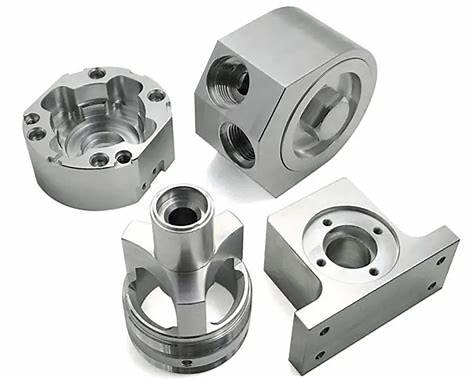
A reusable bench fixture needs a handover package that preserves experimental meaning. Include the current drawing, assembly instructions, interface limits, replaceable items, cleaning method, and configuration photographs. Provide an inspection point for wear surfaces that can alter the load path before obvious damage occurs.
Record what triggers reassessment: replacing a grip, changing an adapter, moving a sensor, repairing a contact surface, or using a different specimen geometry. Establish who can release these changes and what setup check follows. Without this rule, maintenance can quietly create a different test.
For reporting structure, consult the FDA bench-performance guidance document in the context of the applicable device and submission. The cited document is a reporting resource, not a blanket requirement for every development experiment or every fixture purchase.
Close the handover with access control for obsolete configurations. Mark superseded inserts and files so they cannot be mistaken for current hardware. The scope remains nonclinical engineering test support; patient-contact suitability, clinical authorization, and regulatory conclusions require separate evaluation.
FAQ
Can a nonclinical fixture be made from a different material than the device?
Yes, when the fixture's purpose and the test method justify it. A metal support may intentionally be much stiffer than a polymer specimen, while a compliant pad may be needed to reproduce a contact condition. The important question is whether that difference changes the quantity being evaluated. Document the rationale and any limitations. Material choice for laboratory hardware does not establish suitability for patient contact or transfer the device's material qualification to the fixture.
When should a worn contact insert be replaced?
Define replacement by the effect of wear on the test, rather than waiting for the insert to fail visibly. Useful checks may include contact profile, seating repeatability, alignment, or an identified reference artifact. Set the inspection frequency from actual use and risk, and retain the insert's identity in the test record. After replacement, verify the setup before combining new results with an existing series; apparently identical inserts can create different friction or constraint conditions.
Does passing fixture inspection make the bench protocol suitable for a submission?
No. Inspection establishes whether the fixture meets its specified hardware requirements. Suitability of the bench method depends on the device question, test rationale, specimen selection, setup, acceptance criteria, data analysis, and applicable regulatory expectations. The device developer or responsible test organization must evaluate those elements. Keep fixture inspection, instrument calibration, method qualification, and interpretation as distinct records so a valid result in one area is not used to imply approval in another.
Conclusion
Reliable bench evidence begins with a fixture whose role is explicit. Separate the specimen from its supporting hardware, preserve the intended contacts and constraints, and make the loaded setup accessible to verification. Material and cleaning decisions should protect the experiment without implying clinical or patient-contact suitability.
The strongest purchase package connects each manufactured feature to the test requirement it supports. The strongest handover package then preserves alignment, interchangeable inserts, configuration identity, and the limits of the evidence. Neither a precise fixture nor a calibrated sensor independently validates a medical product or its regulatory submission.
6CProto supports prototyping, machining, and related manufacturing workflows described in its company scope. For a nonclinical fixture project, send the fixture CAD, contact-interface drawing, material requirements, and inspection scope for quotation. Include the protocol owner’s setup requirements and clearly identify which items are test hardware and which are the specimens being evaluated.
{“@context”: “https://schema.org”, “@type”: “FAQPage”, “mainEntity”: [{“@type”: “Question”, “name”: “Can a nonclinical fixture be made from a different material than the device?”, “acceptedAnswer”: {“@type”: “Answer”, “text”: “Yes, when the fixture’s purpose and the test method justify it. A metal support may intentionally be much stiffer than a polymer specimen, while a compliant pad may be needed to reproduce a contact condition. The important question is whether that difference changes the quantity being evaluated. Document the rationale and any limitations. Material choice for laboratory hardware does not establish suitability for patient contact or transfer the device’s material qualification to the fixture.”}}, {“@type”: “Question”, “name”: “When should a worn contact insert be replaced?”, “acceptedAnswer”: {“@type”: “Answer”, “text”: “Define replacement by the effect of wear on the test, rather than waiting for the insert to fail visibly. Useful checks may include contact profile, seating repeatability, alignment, or an identified reference artifact. Set the inspection frequency from actual use and risk, and retain the insert’s identity in the test record. After replacement, verify the setup before combining new results with an existing series; apparently identical inserts can create different friction or constraint conditions.”}}, {“@type”: “Question”, “name”: “Does passing fixture inspection make the bench protocol suitable for a submission?”, “acceptedAnswer”: {“@type”: “Answer”, “text”: “No. Inspection establishes whether the fixture meets its specified hardware requirements. Suitability of the bench method depends on the device question, test rationale, specimen selection, setup, acceptance criteria, data analysis, and applicable regulatory expectations. The device developer or responsible test organization must evaluate those elements. Keep fixture inspection, instrument calibration, method qualification, and interpretation as distinct records so a valid result in one area is not used to imply approval in another.”}}]}