

Electroplating is a current-driven process, and that single fact explains most of its strengths and weaknesses. Where the current flows easily, the coating builds quickly; where it struggles to reach, the coating is thinner. Understanding that distribution is what makes a plating specification realistic.
How the process works
The part is the cathode in an electrolytic cell, suspended in a bath containing nickel ions with a nickel anode completing the circuit. Current flows, nickel ions reduce at the part surface, and a metallic deposit forms. The rate and quality of the deposit depend on the current density at each point on the surface, the chemistry of the bath and the temperature, and on how thoroughly the surface was prepared before it entered the tank.
| Factor | What it controls | Why it matters |
|---|---|---|
| Current density | Deposition rate at each point | Edges coat faster than recesses |
| Throwing power | How well the bath reaches recesses | Determines coating uniformity on complex parts |
| Pre-treatment | Adhesion to the substrate | Determines whether the coating bonds or peels |
| Bath chemistry and temperature | Deposit properties and appearance | Affects brightness, ductility and internal stress |
| Agitation | Ion supply at the surface | Prevents burning and uneven deposit |
What electro-nickel plating is best used for
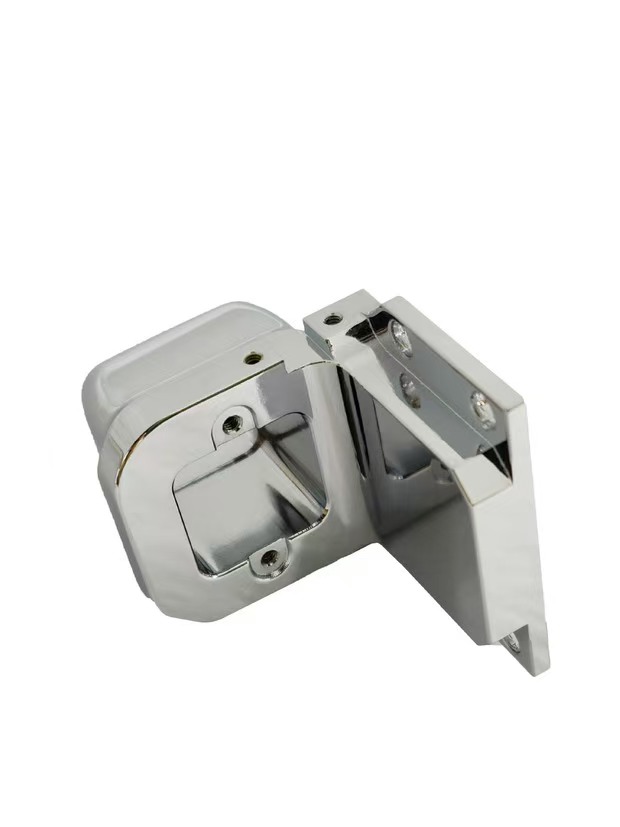
Electrolytic nickel is a straightforward way to add hardness, wear resistance and a bright metallic appearance to a metal surface, and it is generally the lower-cost option where the geometry is simple. It suits parts where appearance is part of the requirement — bright decorative surfaces, plated hardware, visible fittings — and where a modest thickness at low cost is the goal rather than precise thickness control across complex geometry.
It also performs well as part of a layered system, where nickel sits under chrome or over copper, a configuration chosen to combine adhesion, levelling and surface hardness. Where that multi-layer route is used, the specification should describe the stack and the function of each layer, because a total thickness figure alone does not define how the coating will behave.
Which metals cannot easily be electroplated
None categorically, but several need special preparation.
Electroplating requires a surface that can carry current and accept an adherent deposit, so the difficulty is usually preparation rather than possibility. Aluminium forms an oxide immediately on exposure to air, which prevents adhesion, so it is normally given a zincate pre-treatment that replaces the oxide with a receptive layer. Titanium and some stainless grades also require specific activation steps, and castings may need attention because of porosity. Non-conductive materials such as plastics can be plated, but only after a conductive layer is applied first.
The practical consequence is that the substrate determines how much pre-treatment the job needs, and therefore how much the coating costs and how reliable it will be. Saying which alloy is being plated, and how it was manufactured, is more useful to a plater than any other piece of information. Material and substrate references are published by ASM International.
What are the disadvantages of nickel plating?
Uneven thickness, pre-treatment sensitivity, embrittlement.
Because deposition follows current density, thickness varies across a part: edges and corners build faster than flat areas and recesses, so a minimum thickness in a bore may mean an excessive thickness on an edge. Controlling that requires attention to racking and current, and on complex geometry it may not be achievable at all, which is the situation where electroless nickel becomes the better answer.
Two further limitations are worth knowing. High-strength steels can absorb hydrogen during pre-treatment and plating, which risks embrittlement unless a suitable post-plating bake is specified; and the process is sensitive to surface condition, so a part that was poorly cleaned or that carries embedded contamination will produce a coating that fails adhesion rather than one that looks wrong. Both risks are managed by specification and process control rather than by inspection alone.
Specifying the coating
A complete specification names the substrate and its condition, the coating and its thickness or class, the surfaces that must remain uncoated, any post-plating treatment such as a bake, and the dimensional condition at which the part’s tolerances apply. Where the deposit is part of a multi-layer system, the sequence and the function of each layer should be stated rather than only the total.
The masking requirement deserves particular attention, because nickel plating reaches wherever the bath and current allow and cannot be applied locally without a deliberate masking step. Threads, close-tolerance bores and sealing faces are the usual candidates, and identifying them in the drawing avoids a part that is correctly plated and no longer fits. Coating classifications and test methods are published by ASTM Committee B08, and drawing conventions follow ASME standards.
Inspecting a plated part
Thickness is checked at the points that matter rather than averaged across the part, because the distribution is the property in question: a report giving a single figure for a complex component says very little. Adhesion is verified by a recognised test, and appearance is judged against an agreed standard for the visible surfaces. Where the coating carries a wear or corrosion duty, a functional test on a sample is the evidence that counts.
For repeat work, the useful record includes the coating class and thickness range achieved, the pre-treatment route and any bake, and the racking arrangement if it affects distribution. Those details explain why a later batch behaves differently, which a thickness certificate alone cannot. Process measurement practice is described by the NIST Manufacturing Extension Partnership, bath and waste obligations are set out by the US EPA, the uniform-deposition alternative is described under passivation and black oxide coating, and the wider range of finishes is set out under surface finishing.
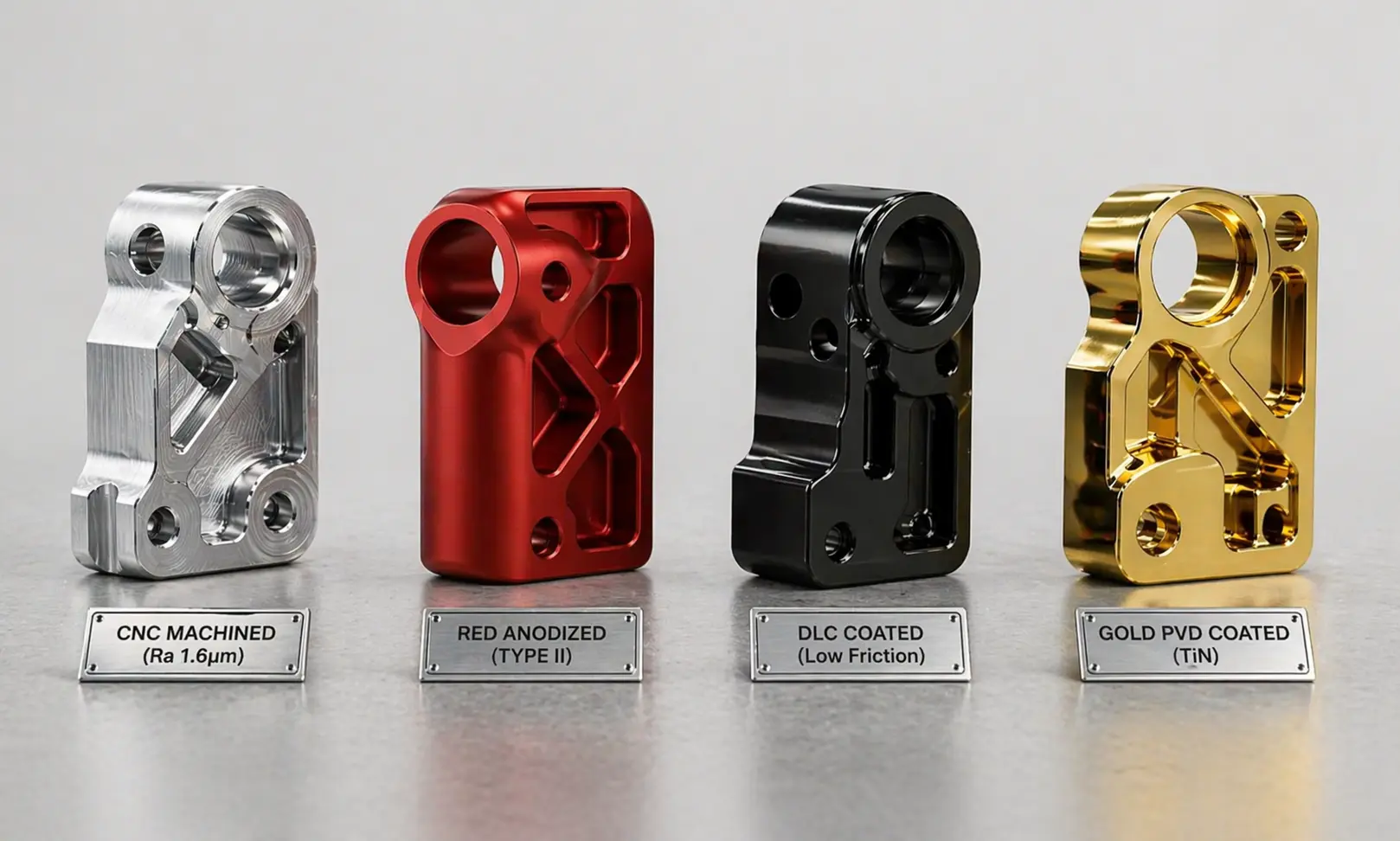
Send the part with the substrate, the surfaces to mask and any bake requirement, and request an electro nickel plating quote with the coating class confirmed.
FAQ
What is electro-nickel plating?
An electrolytic process in which the part acts as a cathode in a nickel bath, current drives nickel ions to the surface, and a metallic deposit forms. Deposition rate follows current density, so thickness varies with geometry.
What metals cannot be electroplated?
Almost any metal can be plated with suitable preparation, but some are difficult. Aluminium needs a zincate pre-treatment to deal with its oxide, titanium and certain stainless grades need activation, castings may suffer from porosity, and plastics require a conductive layer first.
What are the disadvantages of nickel plating?
Thickness varies across the part because deposition follows current density, pre-treatment has to be thorough for adhesion, and high-strength steels risk hydrogen embrittlement unless a suitable post-plating bake is specified.