

A metal bracket with complex internal geometry needs corrosion protection, and the coating decision splits the room: powder coating gives a thick, attractive finish but cannot reach deep inside the part, while e-coating reaches everywhere but offers less color and gloss. E-coat and powder coat are both applied as finishes over the whole part, but they work differently and produce different coverage. E-coat is an electrodeposited primer-like coating that reaches recesses and edges evenly; powder coat is a dry, sprayed-and-cured finish that builds a thick, durable film on the accessible surfaces. The choice follows the coverage the part needs and the appearance the product requires.
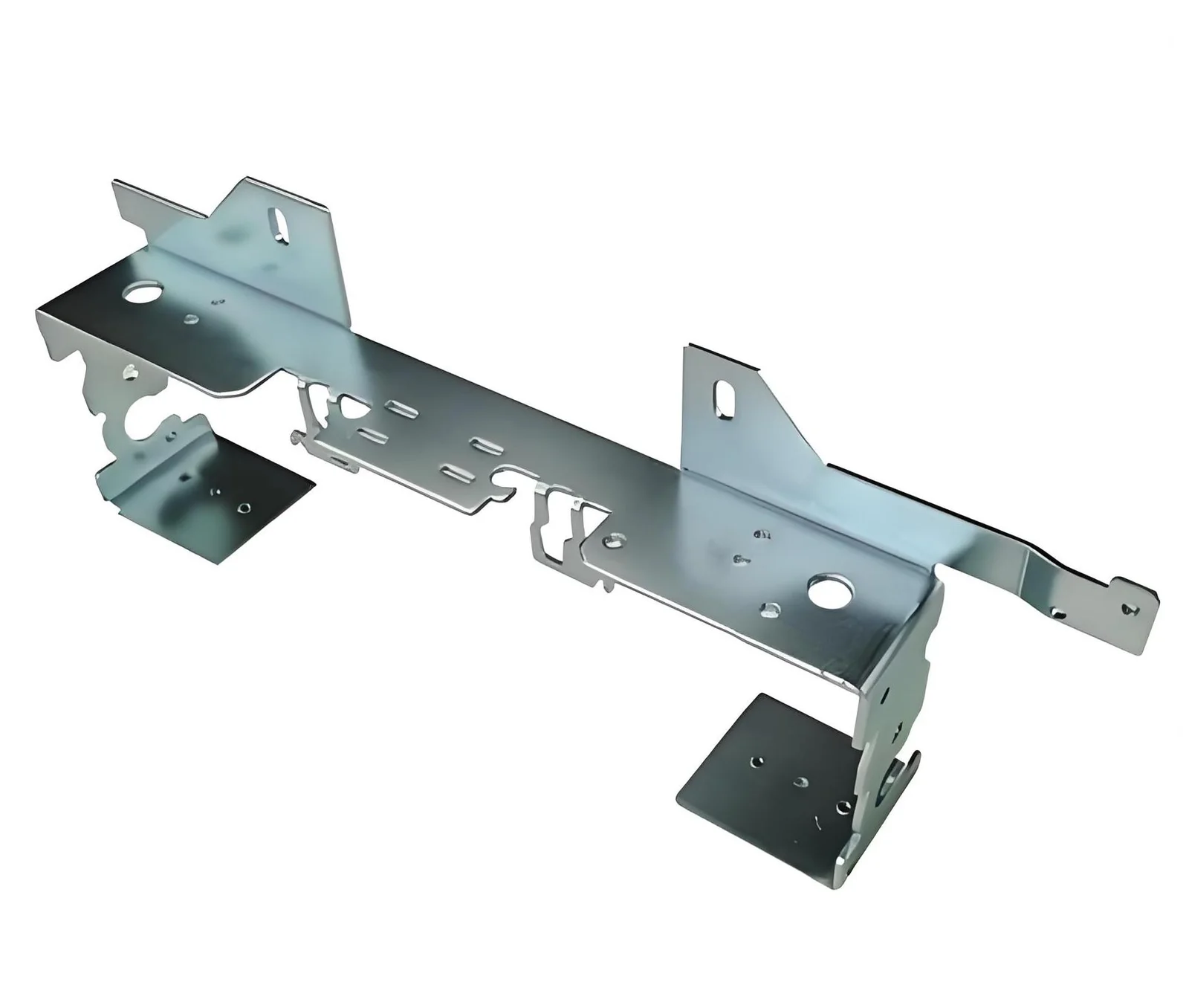
How each coating is applied and where it reaches
E-coating immerses the part in a bath and uses an electric current to deposit the coating evenly over every conductive surface — including the inside of tubes, the depth of recesses, and the edges that spray misses. The coating is then cured, and the result is a thin, uniform film that excels at corrosion protection. Powder coating sprays charged powder onto the part and cures it in an oven, building a thicker film on the surfaces the spray can reach. The application difference is the coverage difference: e-coat protects the hidden geometry that powder cannot reach, while powder builds the thicker, tougher film on the accessible exterior. The part’s geometry decides which coating can do the job, and many parts use both — e-coat for the corrosion base and powder for the appearance topcoat.
The coverage question is the first filter: if the corrosion-critical surface is inside a tube or a recess, e-coat is the only reliable answer; if the requirement is exterior impact and appearance, powder leads.
Edge and cavity coverage: e-coat inside advantage
E-coat’s defining advantage is coverage. The electrodeposition follows the current and the bath, coating edges, internal surfaces, and cavities that spray cannot reach, and the film is relatively uniform across the geometry. Powder coating is line-of-sight: the spray reaches the exterior and the open areas, while deep cavities and boxed sections stay uncoated unless the part is designed for powder or coated in stages. For a bracket with a boxed section, a tube end, or an internal corrosion surface, e-coat provides the protection that powder cannot. The coverage advantage is why e-coat is the standard base on automotive and industrial parts with complex geometry, and it is the reason the coating decision starts with the part’s hidden surfaces.
The e-coat film is thin, so it protects against corrosion but does not build the thickness that hides surface defects or provides impact resistance; that is the powder topcoat’s role.
Film thickness, durability, and corrosion comparison
E-coat films are typically thin — tens of microns — and uniform, providing excellent corrosion protection for their thickness. Powder films are thicker, often significantly so, and provide better impact and abrasion resistance and a tougher exterior. The corrosion comparison depends on the system: an e-coat base with a powder topcoat gives both the internal coverage and the exterior toughness, while a single coating alone gives up one side of the requirement. The durability requirement — corrosion hours, impact, UV, and abrasion — should be stated, and the coating system should be chosen to meet it. The thickness callout and the test method belong on the specification, because the film thickness drives the protection and the appearance.
Coating thickness also affects the fit: a powder film on a threaded or close-fitting feature can change the assembly, and the masking or the allowance should be planned.
Color, gloss, and appearance limits
Appearance is where the two coatings diverge most. Powder coating offers a wide color range, gloss levels, and textures, and it is the choice for a finished, visible product surface. E-coat is primarily a black or dark coating with limited color and gloss options, and its appearance is functional rather than decorative. A part that needs both the internal coverage and a colored exterior uses e-coat as the base and powder as the finish; a part that is entirely visible and needs no deep coverage can use powder alone. The appearance requirement should be written with the coating system: the color, the gloss, and the texture are powder properties, and the e-coat’s role is the protection underneath.
The color and gloss should be approved on samples from the actual coating system, because the base coat affects the topcoat’s final appearance.
Cost structure and minimum batch considerations
The cost structure favors different routes at different volumes. E-coating is a bath process with a minimum batch and setup cost, and it becomes economical when the load justifies the line; powder coating has its own setup and curing costs and suits both single parts and production runs. The comparison should include the masking, the racking, and the handling for each route, because the geometry that needs masking drives the cost. For a part with hidden corrosion surfaces, e-coat plus powder is the engineered system, and the cost is justified by the protection; for a simple exterior part, powder alone may meet the requirement at a lower cost. The coating quote should state the system and the thickness, so the comparison is apples to apples.
The finishing and powder-coating service pages on this site cover the process options; this page is the e-coat-versus-powder selection decision. When the coverage, the durability, and the appearance are known, the coating system is an engineering choice with a testable result.
Validating the coating system on the real part
The coating system is validated on parts from the production process, with the tests that match the service. The corrosion test runs the coated part to the required hours; the adhesion test checks the coating on the edges and the formed areas; the impact and abrasion tests confirm the exterior toughness; and the coverage check verifies that the e-coat reached the internal surfaces the drawing requires. The validation is run on the finished coating system — the e-coat base, the powder topcoat, and the masking — because the system’s behavior is more than the sum of its layers. The results decide whether the system meets the requirement, and the record travels with the part specification. A coating system that is chosen from a brochure without the part-level validation carries the risk into the field, where the failure is harder and more expensive to fix.
The validation also sets the production control: the film thickness is measured on the functional surfaces, the color and gloss are checked against the approved samples, and the coverage is verified on the geometry that the coating system was chosen for. A process change — a different powder lot, a bath adjustment, or a new masking method — triggers a re-validation, because the coating’s behavior can shift. The supplier should confirm the process control and the measurement points, and the drawing should state the acceptance test. When the coating system is validated and controlled, the part’s corrosion and appearance are engineered properties — and the finish that passed the test on the sample is the finish that protects the part in service.
The coating system choice also needs the part’s assembly and service plan. A part that is coated and then assembled with press fits or threads needs the coating allowance planned; a part that is welded or formed after coating needs the coating applied at the right point in the sequence; and a part that is serviced and handled in the field needs a coating that survives the handling. The coating is specified with the manufacturing sequence, because a coating applied too early can be damaged by the later operations, and one applied too late can miss the surfaces the corrosion requirement protects. The review should trace the part through its manufacturing and its service, and the coating system should be placed where it protects the part for its whole life. When the sequence and the service are in the plan, the coating system is an engineered part of the product, not a finish added at the end.
The coating decision should also be validated on the part’s formed and edged geometry, because the coating behaves differently on bends, edges, and cut faces. A powder film can thin or crack at a sharp bend, and an e-coat can build differently at an edge. The sample parts should include the geometry that stresses the coating, and the adhesion and the coverage should be checked there. The part that is validated on its real geometry is the part whose coating survives its service; the coupon-validated coating can fail at the feature the coupon never tested.
Keep the coating specification and the sample records with the part, so the coating is reproducible across orders and suppliers. The record carries the system, the thickness, the color sample, and the test results, and it is the reference when the coating is re-quoted or changed. The part that carries its coating record is the part whose protection is documented — and the coating that the record supports is the coating that performs in service.
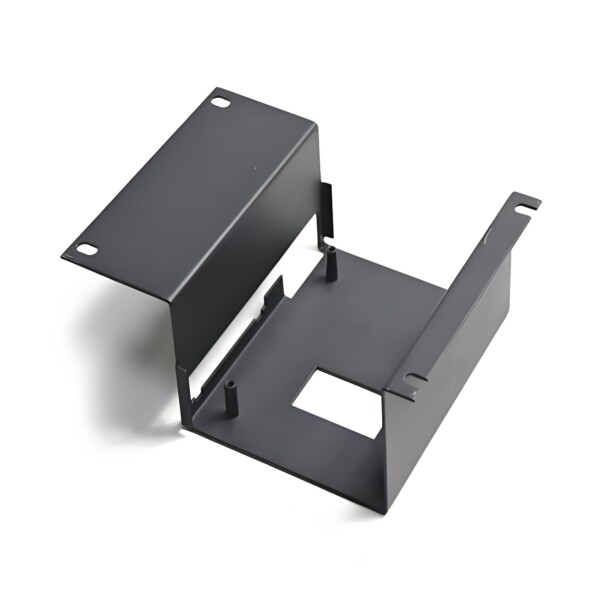
If you are choosing a coating for metal parts and want the coverage, durability, and appearance compared, the 6CProto surface finishing team can review the part geometry and the requirement to recommend the e-coat, powder, or combined system.