

An enclosure lid no longer seats after a finish change, while a grounding contact now lands on a treated surface. The coating may look acceptable, yet the assembly has two unresolved functions. For a buyer comparing powder coating vs anodizing, start at those interfaces and follow a decision path through exposure, appearance, final fit, maintenance, and acceptance.
Corrosion and UV needs
Compare powder coating vs anodizing for aluminum enclosures as complete specified systems: substrate, preparation, finish chemistry or coating type, thickness, sealing or cure, masking, and inspection. Match the route to exposure, appearance, electrical interfaces, and final fit. Approve representative finished parts rather than assuming either process name guarantees outdoor corrosion resistance or color stability.
First define the exposure. Include sunlight, moisture, salt where relevant, cleaning agents, temperature, handling, and dissimilar-metal contacts. Identify whether the enclosure is sheltered, frequently opened, washed, or subject to abrasion. Use those conditions to choose the evidence and acceptance criteria.
An AkzoNobel Interpon D2525 product data sheet illustrates product-specific exterior performance, pretreatment, film, and cure requirements. Its results belong to stated conditions. They cannot establish the performance of every powder, color, substrate preparation, or coating provider.
For anodizing, review the alloy, preparation, selected coating, color, and seal against the same exposure. AAC’s reference guide distinguishes anodic coatings and their associated characteristics. Anodizing still requires a defined system and relevant acceptance; “natural aluminum” is not a complete finish instruction.
Thickness and fit impact
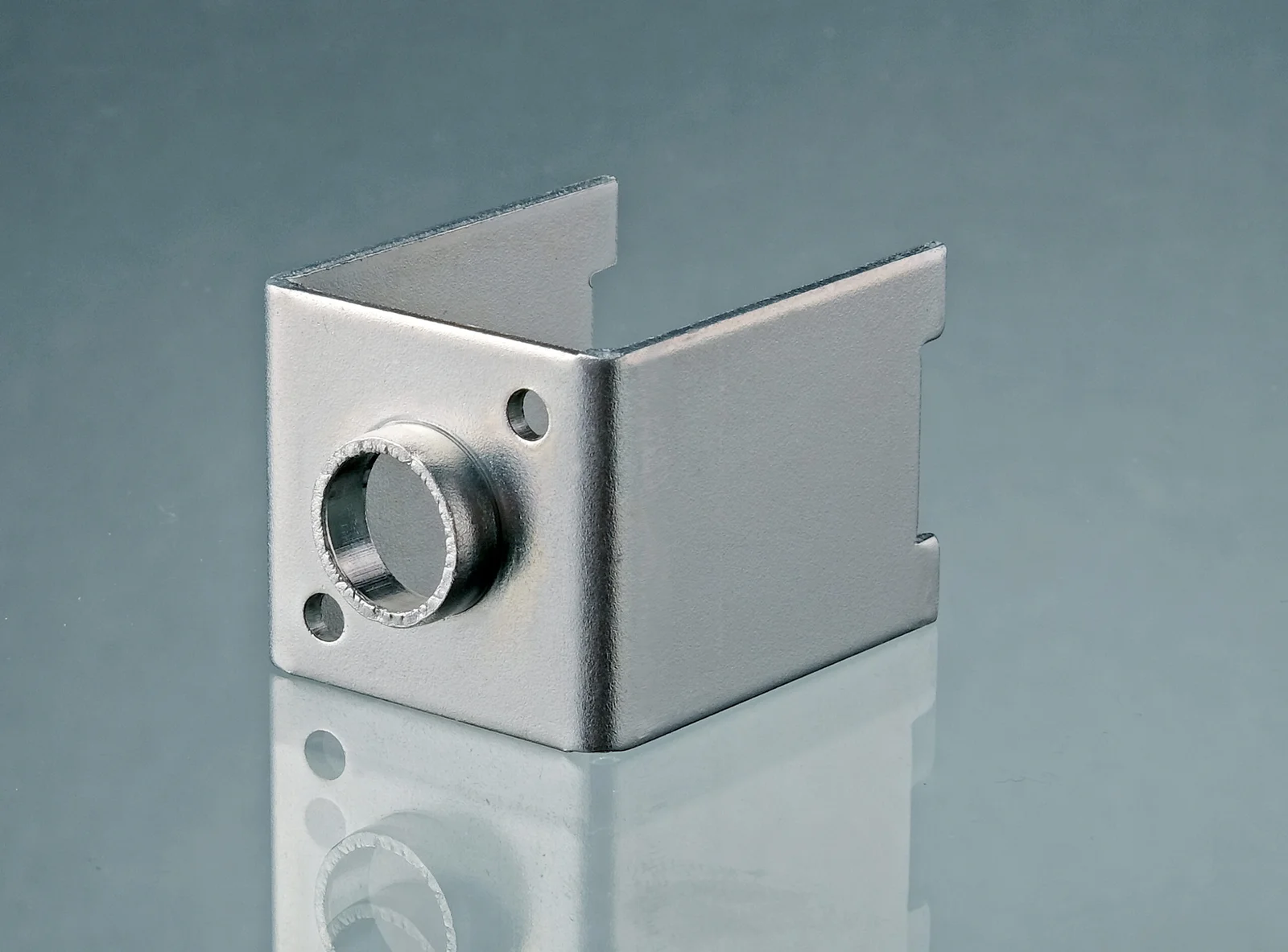
Second, map the lid engagement, gasket land, fastener seats, threads, connector openings, hinge interfaces, and mounting points. Identify finished dimensions and where coating is allowed. Review the entire stack of mating components rather than only the enclosure’s nominal wall thickness.
Powder film occupies space on the surfaces where it is applied. Anodizing both converts substrate and grows outward; Chem Processing’s buildup guidance explains that distinction. Agree the actual planning allowance and variation for the selected route. Do not equate total anodic thickness directly with outward buildup.
If both opposing sides of an opening receive outward buildup, its free size decreases. A projecting feature can grow. Check how preparation, masking transitions, local access, and later operations affect the final assembly. Specify inspection after the complete route where the requirement concerns delivered fit.
Resolve electrical contact separately. Mark the intended bonding surfaces and any protected interfaces, then define the appropriate final assembly check. A suitable exterior finish does not remove the need to design and verify the contact path.
Repairability
Third, decide what happens when handling or service damages the surface. Separate an approved cosmetic touch-up from restoring the original specified protective system. State when local repair is permitted, when refinishing is needed, and when a part should be rejected.
SAF’s architectural aluminum touch-up discussion explains why a visually acceptable repair can differ from the original finish. For an anodized surface, a local paint application does not recreate the original electrochemically formed layer. For a powder-coated surface, the repair system and application conditions may differ from the factory coating.
Ask for repair compatibility and acceptance evidence appropriate to the enclosure’s duty. Inspect the boundary, color, gloss, adhesion where required, and protected function. Do not let an unrecorded repair become the master for future orders or an unsupported promise of equal durability.
Table: decision matrix
Use this decision matrix after defining the environment and interfaces. The questions identify what must be resolved; the table does not declare a universal winner or assign a service-life guarantee.
| Requirement | Powder-coating review | Anodizing review | Purchase evidence |
|---|---|---|---|
| Exterior color and texture | Product, color, gloss, texture and application | Alloy, preparation, coating, dye and seal | Approved representative master |
| Outdoor exposure | Suitable chemistry, pretreatment and cure | Applicable coating and sealing route | Relevant system evidence and agreed tests |
| Tight assembly interface | Film allowance, masking and coverage | Growth, preparation and masking | Final-condition fit inspection |
| Electrical connection | Defined protected contact and assembly | Defined protected contact and assembly | Applicable electrical check |
| Service damage | Approved repair or refinish method | Approved disposition or refinish method | Repair limits and acceptance record |
Record the tradeoff that controls the choice. For example, an appearance preference may require a different masking plan or a revised fit allowance. Resolve that change through the drawing and order rather than asking production to improvise.
FAQ
These questions address specification details that should be settled before sample approval.
Which finish is better outdoors?
Compare the specified systems against the actual exposure and acceptance requirements. Powder formulation, preparation, application, and cure matter; anodizing alloy, preparation, coating, and sealing matter. Neither process name by itself establishes outdoor durability for the complete enclosure.
Can I keep every machined dimension unchanged when switching finishes?
Review critical dimensions and interfaces first. Added powder film and anodic growth affect geometry differently, and preparation may also change size. Agree allowances, masking, and final-condition inspection before switching the finish on an approved enclosure.
Related process selection notes
Fourth, compare quotations on the same scope. Include preparation, finish system, masking, sample approval, final inspection, packaging, and required documentation. A lower finishing line item may exclude the interface protection or verification that the assembly requires.
QUALICOAT’s specifications overview describes a quality framework for coated architectural aluminum, including materials and finished products. If a project invokes that framework, confirm the applicable requirements and evidence. Its existence does not imply that a particular enclosure provider holds a quality label or that all architectural requirements automatically apply to electronics housings.
Fifth, approve a representative finished assembly. Check the lid, gasket, hardware, connectors, contacts, and cosmetic zones together. Retain the approved finish reference and route. Changes to alloy, preparation, product, finish thickness, masking, or processing should trigger review of the affected requirements.
Internal links and next steps
Send the enclosure model and drawing, quantity, material, exposure, cosmetic reference, gasket and hardware interfaces, contact map, and required records. Review the proposed powder-coating route against anodizing. Coordinate the complete geometry through enclosure and housing review and the remaining surface-finishing requirements.
Request a comparison quote with the final-fit and contact requirements defined. Select the delivered system that meets the agreed acceptance plan.
FAQ
These questions address specification details that should be settled before sample approval.
Does a touch-up repair restore the original finish performance?
Do not assume so. Assess appearance, adhesion, exposure, and the applicable specification for the repair system. A local paint repair is not automatically equivalent to the original powder coating or anodic layer. Obtain approval for the actual repair and acceptance method.
Does either finish make the enclosure electrically continuous?
Do not infer that from the finish name. Identify required bonding and contact paths, protected areas, mating hardware, and relevant electrical checks. Review the completed assembly and the applicable requirements rather than assuming exterior appearance establishes electrical performance.