
Anodizing Services
Order machined or fabricated aluminum parts with a controlled anodized finish for corrosion resistance, wear performance, electrical behavior, color, or appearance. 6CProto coordinates the substrate, machining allowance, surface preparation, masking, finishing, and inspection as one manufacturing order.
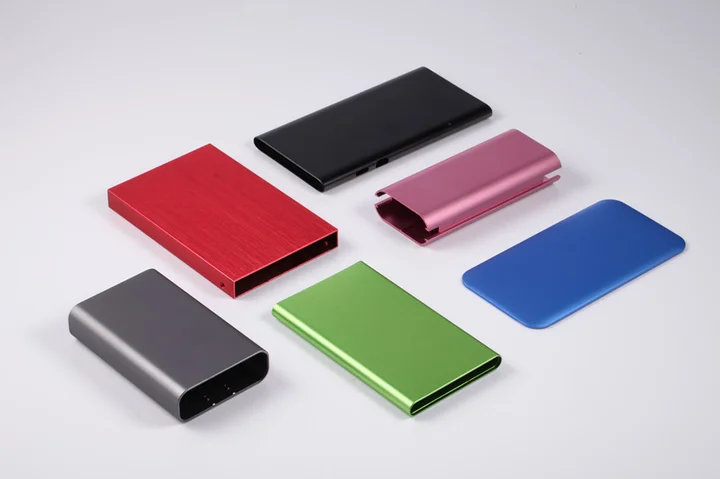





Anodized Parts Made to the Drawing
Anodizing is an electrochemical conversion process that grows an oxide layer from the aluminum surface. Unlike an applied paint film, the result is integrated with the substrate. The selected alloy, surface condition, process class, color, sealing, contact points, and masking all influence the final part.
This service page is for buyers who need finished parts and a quotation. For general process education and finish comparisons, use the Surface Finish Guides. Related purchasing options include bead blasting for a matte pre-texture and powder coating for an applied coating on suitable metals.
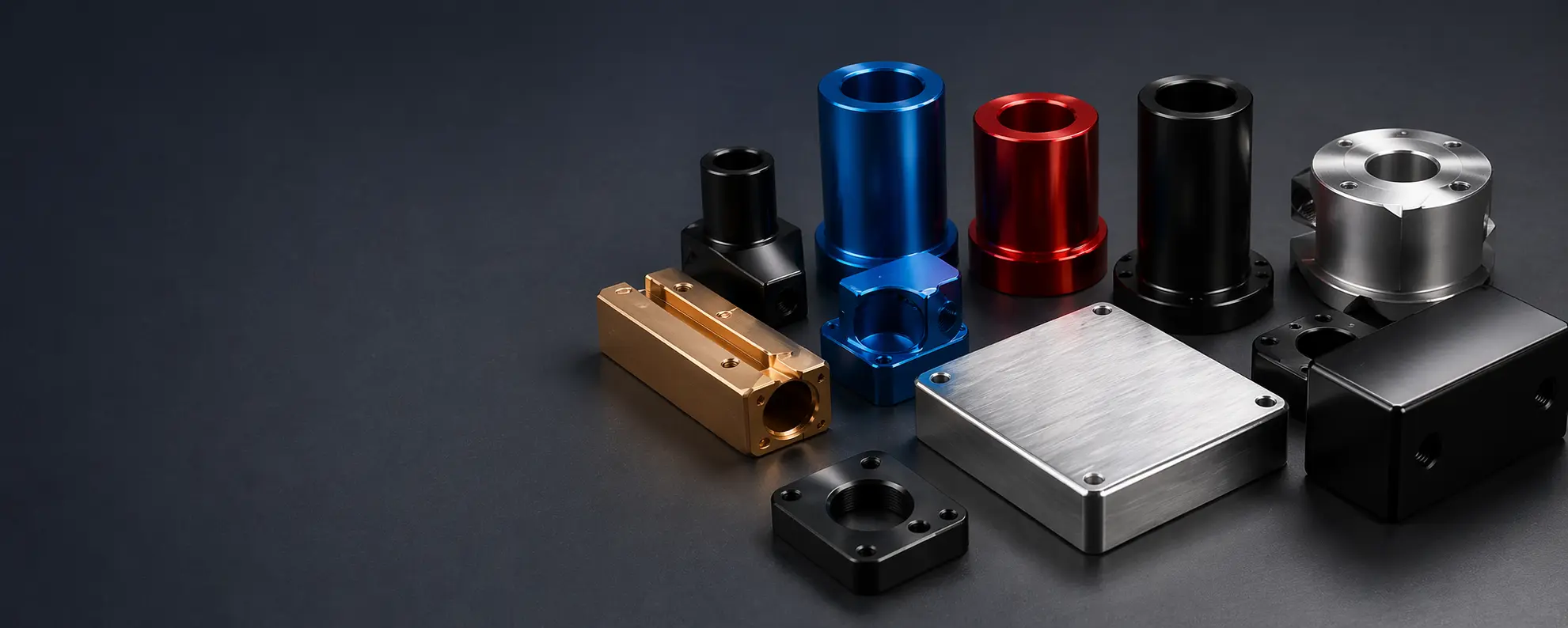
Anodizing Options for Custom Aluminum Parts
Choose Type II + Class 2 for mainstream colored commercial parts or Type III + Class 1 for harder functional wear surfaces, then define the remaining drawing and acceptance requirements.
Type II + Class 2 Anodizing
The mainstream choice for consumer products, electronic enclosures, and general machined aluminum parts that require a dyed color, controlled appearance, and general surface protection.
Type III + Class 1 Hard Anodizing
For pistons, hydraulic components, sliding interfaces, and wear surfaces that require a harder functional oxide without dyed color. Alloy, tolerance, masking, and post-finish dimensions require review.
Specify the Type and Class
Do not call out only “anodized.” State Type II + Class 2 or Type III + Class 1 on the drawing, together with color where applicable, masking, functional surfaces, and acceptance requirements.
What to Include in an Anodizing RFQ
A finish name alone is not enough to manufacture and accept a controlled anodized part.
| Quote Requirement | What to Specify | Why It Matters |
|---|---|---|
| Substrate | Exact aluminum alloy and temper | Changes color response, appearance, and process suitability |
| Type and class | Type II + Class 2 or Type III + Class 1, plus the governing specification | Defines the intended anodizing route and acceptance basis |
| Color and texture | Color reference where applicable, gloss, bead-blasted or machined base | Controls cosmetic expectations and lot matching |
| Masking | Threads, bores, contacts, grounding areas, sealing faces | Prevents unwanted coating and dimensional interference |
| Inspection | Critical dimensions, appearance zones, certificates or tests required | Allows inspection scope and cost to be quoted before production |
Our Anodizing Production Workflow
Machining and finishing requirements are reviewed together so masking, contact, and dimensional needs are not discovered after parts are made.
CAD and Finish Review
Confirm alloy, geometry, visible faces, finish callout, color, masking, quantity, and acceptance requirements.
Clean and Pre-Treat
Prepare the aluminum surface using the approved cleaning, etching, brightening, or blasting route.
Anodize and Color
Build the oxide layer, apply color when specified, and seal or complete the finish according to the agreed process.
Inspect and Pack
Check specified appearance and critical features, then protect finished surfaces for shipment.
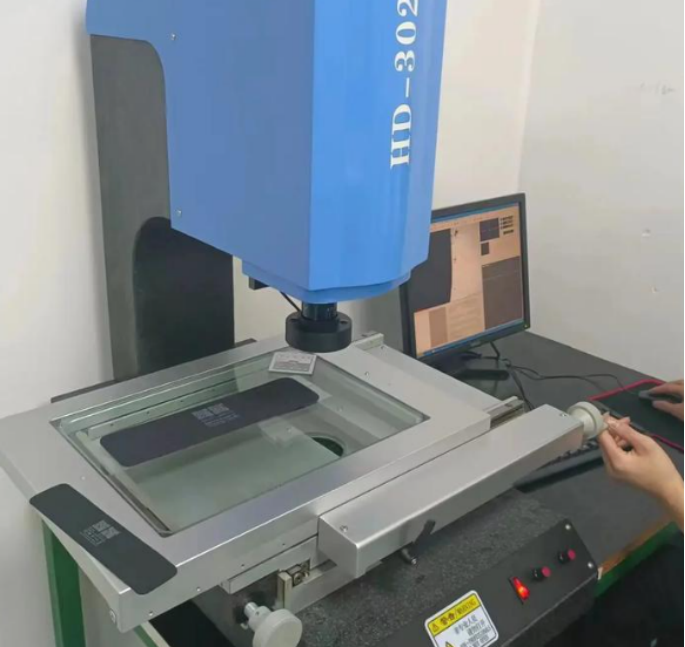
Anodizing Quality and Acceptance
Define critical post-finish dimensions, cosmetic zones, acceptable contact marks, color comparison method, lot consistency, and any required documentation before production. Anodizing changes the surface condition, so tight fits, threads, bores, and grounding areas should be identified for engineering review.
Service Page vs. Surface Finish Guide
Choose the destination that matches whether you are buying finished parts or researching a process.
Request a Production Quote
This page is the commercial destination for custom anodizing. Send part files, substrate, quantity, finish specification, masking, appearance, inspection, and packaging requirements.
Research the Process
For process principles, finish comparisons, and general design education, visit the Surface Finish Guides and read the anodizing process and design guidance. The Guide is informational and should retain its own self-referencing canonical.