

Automotive development runs on prototypes that feed the APQP path. Before the advanced product quality planning (APQP) stages formalize the process, machined prototypes validate the geometry, the material behavior, and the assembly — and the documentation from those parts carries into the program. This guide covers what prototype parts validate, what documentation they carry, and how the pre-APQP work connects to the production path.
Prototypes Feed the APQP Path
APQP is the framework that takes a part from concept to production with quality built in. Before and alongside its phases, machined prototypes provide the evidence: the design works, the materials behave, and the assembly fits. The prototype work feeds the APQP inputs — the design FMEA, the process, and the validation plan.
automotive prototypes are documentation-bearing parts. The material, the inspection, and the revision are recorded, because the records are what the program builds on. Prototypes appear in several APQP phases: in the planning phase they validate design assumptions; in the design phase they support the design FMEA by testing the failure modes; in the process phase they feed process validation. The buyer should know which phase a prototype serves, because the phase sets the prototype’s purpose and its records.
What Prototype Parts Validate
Prototype parts validate specific things: geometry against the design, fit in the assembly, material behavior under test conditions, and manufacturability of the features. Each prototype is built for the question it answers, and the results feed the next design revision. Define the validation purpose before the prototype — what the part proves and what test it serves.
Prototypes fall into classes, and each class validates something different. A fit prototype validates geometry and assembly; a functional prototype validates behavior under load or motion; an appearance prototype validates look and finish. The classes have different material, accuracy, and documentation requirements, and mixing them is a common source of waste. A fit prototype does not need production materials, and an appearance prototype does not prove the function. The RFQ should state the class so the supplier produces the right kind of prototype.
The validation tests are often defined in a design verification plan. The plan lists the tests, the samples, and the acceptance criteria, and the prototypes are the samples the tests consume. Connect the prototype order to the test plan: sample count, test conditions, and report format are agreed before the parts are made. A prototype that arrives without a test plan is a part looking for a purpose.
Material and Documentation for Development Parts

Development parts carry the material and documentation the program needs: the material certificate, the inspection report, and the revision record. The documentation connects the prototype to its design intent and test results. 6CProto’s stated documentation includes material certificates, inspection reports, and dimensional data, which covers the typical set for development work — but the scope should be defined in the RFQ, tied to the drawing revision, and carried into the APQP file.
A Pre-APQP Validation Checklist
- Validation purpose and test per prototype.
- Material certificate and inspection report.
- Fit and assembly check.
- Revision control across iterations.
- Documentation handoff to the APQP inputs.
The checklist makes the sample count and documentation expectations explicit before ordering.
Working with Suppliers on Development Parts
Development parts reward supplier collaboration: the supplier reviews the geometry, flags manufacturability issues, and produces the prototype with the records the program needs. The collaboration is a review loop, not a handoff. Share the validation purpose and documentation requirements with the supplier, and use the design review to catch issues while changes are cheap.
The collaboration rhythm matters as much as the content. automotive development runs on milestones, and prototype orders should align with them: design review before the order, first article after it, and test results feeding the next design review. Agree the cadence with the supplier — what is reviewed, when, and who decides. A supplier that reports the first article and waits is a vendor; one that flags the risk and proposes the fix is a partner.
Change management is the collaboration’s safety net. When a design change happens mid-order, the change is documented — the revision, the impact on machining, the cost, and the schedule — and approved before the supplier proceeds. Establish the change process before it is needed, because a process defined in advance works better than one invented at the moment of change.
When Prototypes Become Pilot Parts
The validated prototype becomes the pilot part when the program moves toward production. The transition keeps the functional geometry and documentation standard while the process matures toward production intent. The prototype evidence is the pilot’s starting point, and keeping geometry and records consistent across the transition lets the pilot build on the validated design rather than re-discovering it.
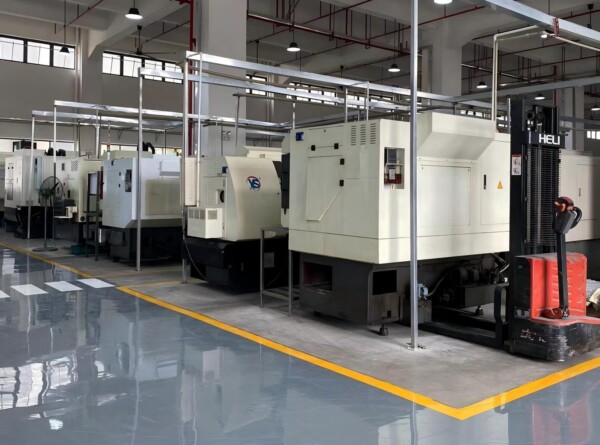
The transition also changes the process economics. Machined prototypes carry the cost of machining, and the pilot run asks whether the volume justifies a tooled process — casting, molding, or forging. Compare the routes at the forecast quantity before the transition; the process change is a cost and quality decision, not just a volume decision. The pilot run is the first test of the production process with production intent — process controls, inspection, and documentation — and it is the last cheap place to find problems.
Request Development-Part Support
automotive development parts are evidence-bearing prototypes: geometry, material, and documentation feeding the APQP path. 6CProto’s CNC machining service produces development prototypes and test parts, and the automotive industry page describes the application context. Request development-part support through the quote page with the validation purpose and documentation requirements, and the engineering team can confirm the prototype and the records.
Conclusion
automotive prototypes feed the APQP path with geometry, material, and documentation. Each part is built for the question it validates, and the records carry into the program. The prototype work is the evidence the program builds on — so define the purpose, keep the records, and manage the transition with the same discipline the production program will require.
FAQs
How do prototypes connect to APQP? They provide the evidence the APQP phases build on: geometry validation, material behavior, fit, and the documentation that feeds the design and process inputs.
What does an automotive prototype validate? Geometry against the design, fit in the assembly, material behavior under test, and manufacturability. Each prototype is built for the question it answers.
What documentation do development parts carry? Material certificates, inspection reports tied to the drawing revision, and revision records. The scope is defined in the RFQ and travels with the parts.
When does a prototype become a pilot part? When the program moves toward production, keeping the functional geometry and documentation standard while the process matures toward production intent.